
Hello flatmates,
today the sky in Milan is clear, suspended in a greyish haze that timidly envelops our colorful souls. David Lynch has passed away, and I'm sitting in front of my creaky desk, in a 57-square-meter apartment, trying to conceptualize the words of the first Glasshouse update of 2025. It’s a good day to write.
Today we talk about the progress made on the Glasshouse script, narrative methodologies, and artistic innocence.
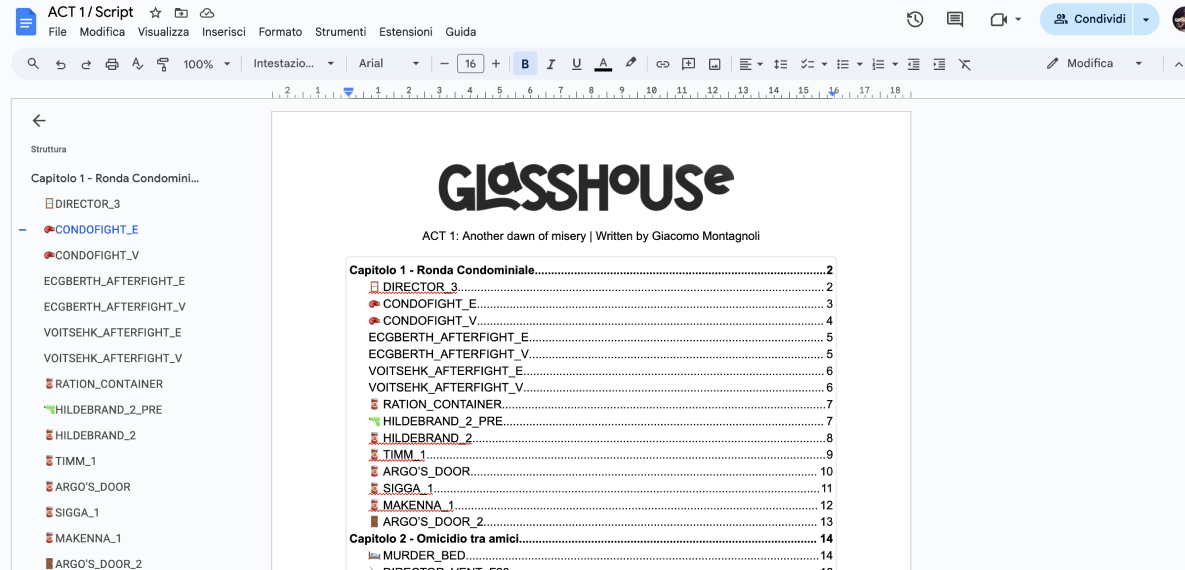
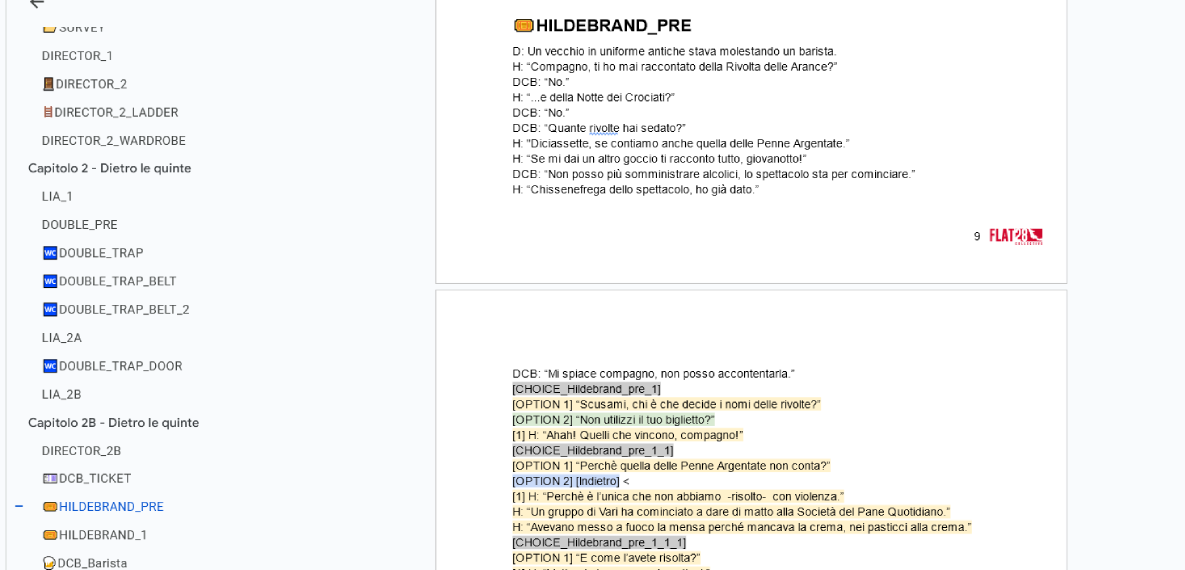
PROLOGUE & ACT 1
87 pages, 24,831 black words printed on a pale 27-inch screen. Last December, both the Prologue and Act 1 of Glasshouse were officially completed and revised. Glasshouse’s script is extremely complex, a chimera whose shape is even elusive to us.
In 2021, the World of Glass was only the concept of a blog consisting of front pages of newspapers from all the feudal republics of the world. The idea was to tell the disintegration of the foundations of civil society under the shadow of a war-torn storm.
If Hobbes spoke of the state as a Leviathan necessary to prevent chaos through the centralization of powers, with Glasshouse, I wanted to propose a short circuit, a reflection on the possible return to decentralization, but this time with a civilization and a people strengthened by the lessons learned during the era of globalization. What would happen to our society if liberalism were excluded for over 200 years from the equation of a capitalist economic system?
If it weren’t for Authoritarian or Oligarchic Capitalism, what could a new alternative be, perhaps decentralized and ultra-democratic?
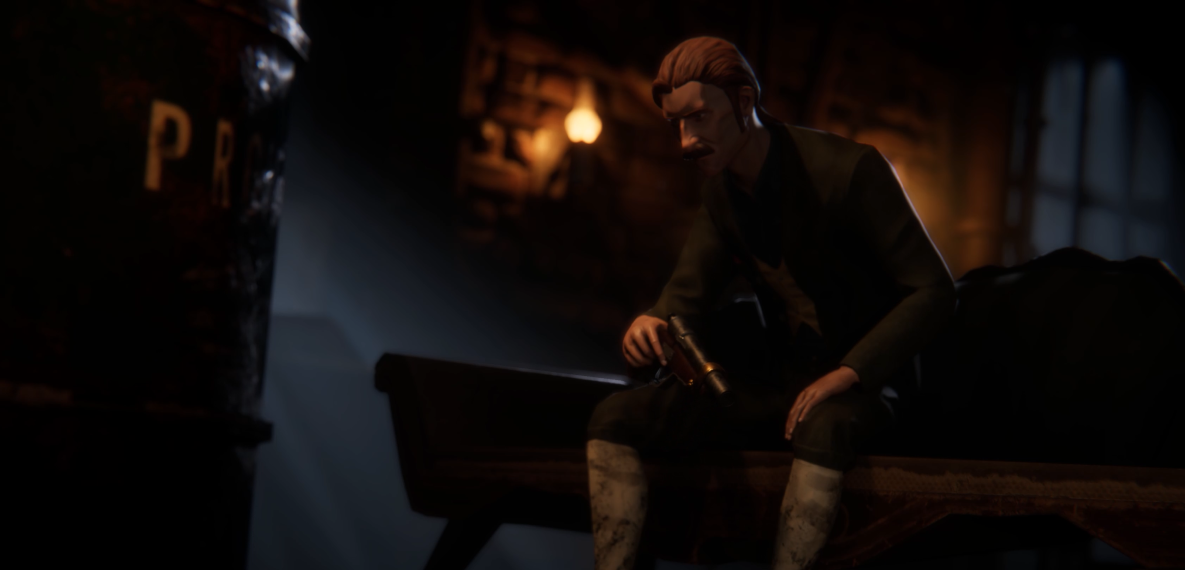
When the World of Glass became Glasshouse in 2022, the wars of our planet forced us to think about the geopolitical and social setup of tomorrow. Today the situation is more fragile than yesterday, the questions have multiplied like mushrooms, and Glasshouse, on the other hand, needs to feed on contemporaneity to offer a reflection in line with the times.
The plausibility of a new world requires time, love, and constant doubt. Finally, after complete rewrites and violent proofreading, we made it. When I started to suffer for the characters I killed, that’s when I realized it was all real, and that I had to and could finally move forward.
IMPLEMENTATION OF ARCWEAVE
In 2023, following the departure of our former Lead Programmer and the arrival of the current one, Samuele, we made the decision to completely rewrite the dialogue management system.
After carefully exploring Twine and Articy Draft, in the end, we decided to form a partnership with Arcweave.
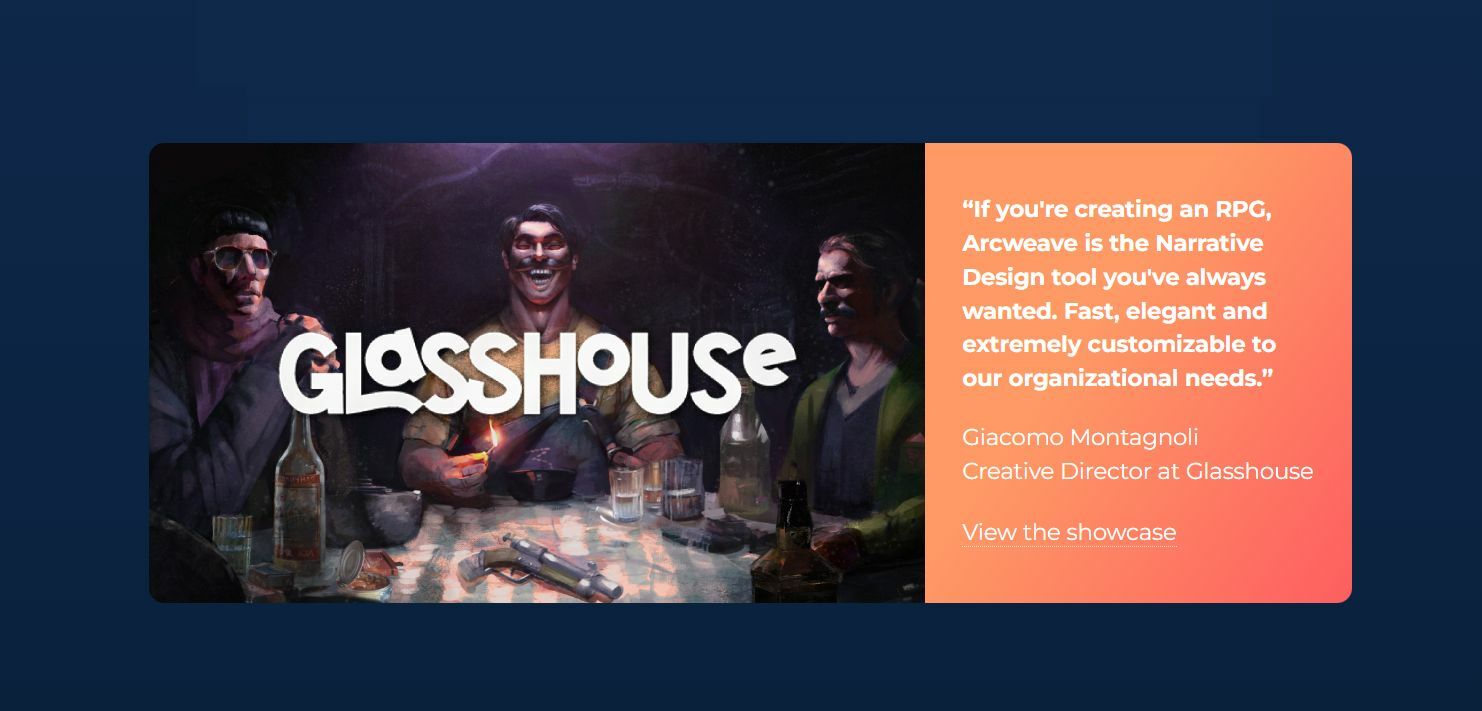
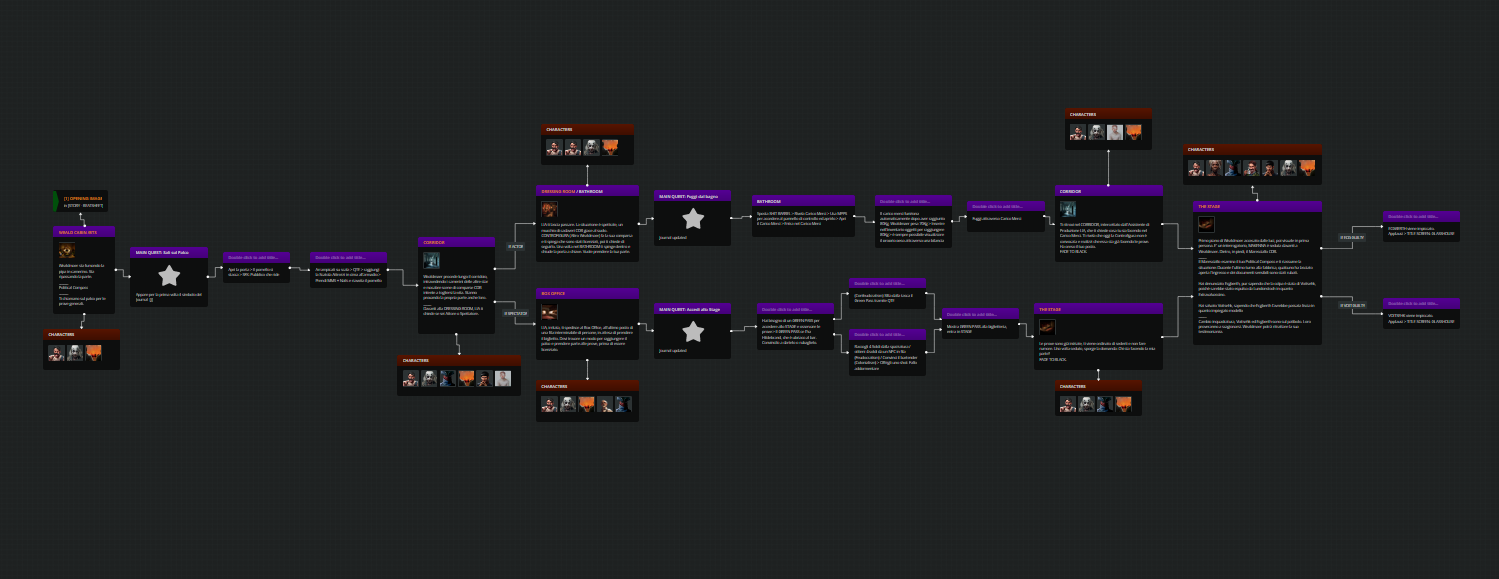
With the introduction of Arcweave, we took the time to completely restart from scratch. If dialogues were previously managed entirely through code, now implementation happens through a node-based practical system.
Through Play Mode, we can also preview the newly added dialogues as if they were a sort of graphic novel. It may seem like a small feature, but it greatly helps us understand the effectiveness of narrative beats.
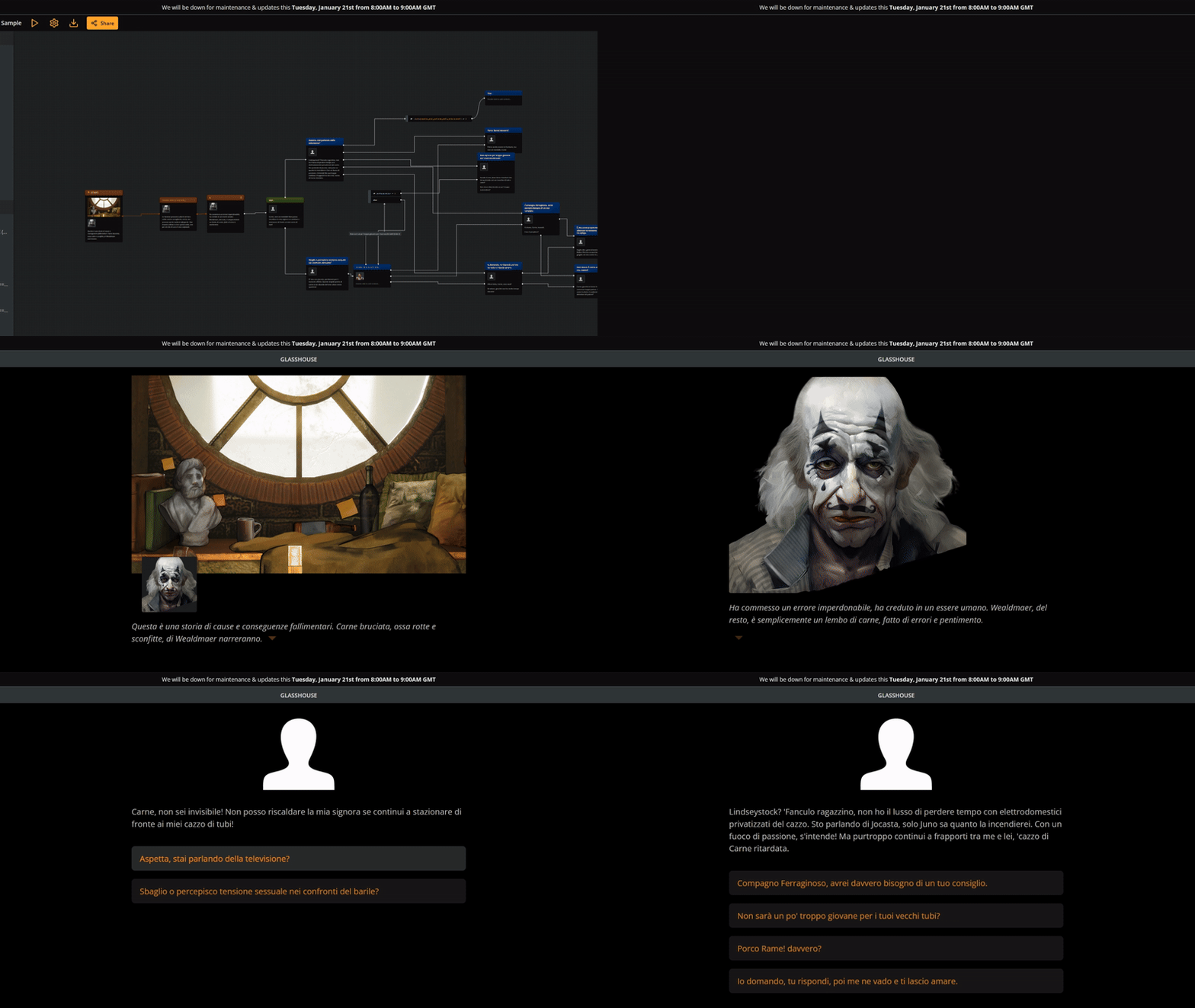
Arcweave’s introduction was certainly a productive move that slowed us down, but we are sure it’s also a crucial investment that will save us time in the future, both for proofreading and for the fast implementation of dialogues and localizations through APIs.
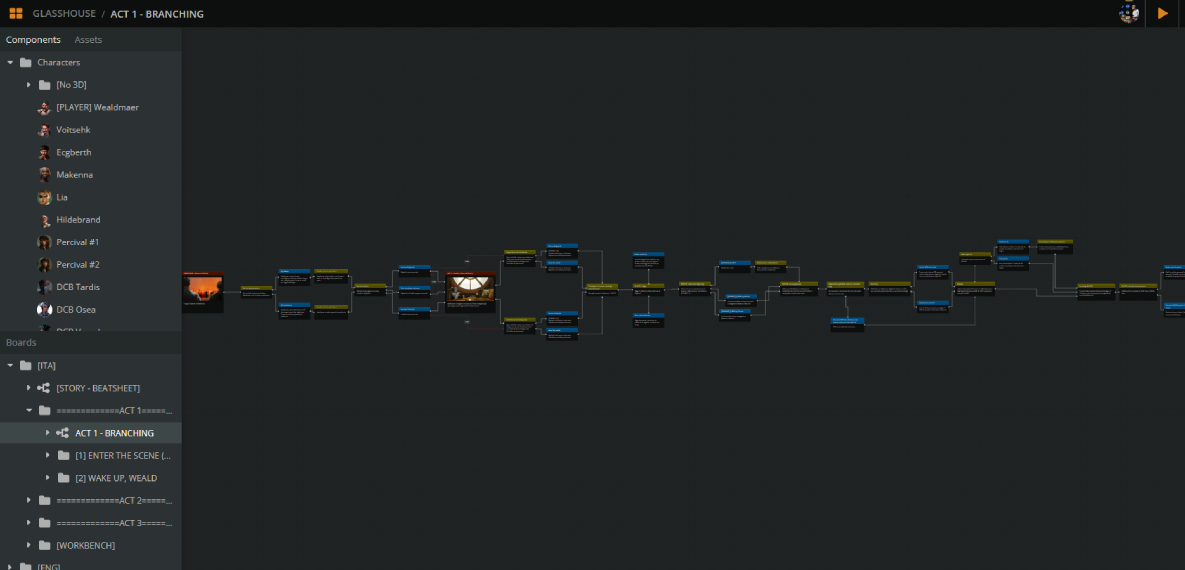
BEATCHART AND WIREFRAME
The method used to outline the events of Glasshouse is called Save The Cat and was developed by Blake Snyder. For those unfamiliar, this method, unlike the classic board with post-its forming the three acts, offers a rigid 15 "beat" narrative structure that deconstructs the act structure itself and helps build a well-balanced one.
The 15 beats are as follows:
1) Opening Image
2) Theme Stated
3) Setup
4) Catalyst
5) Debate
6) Break Into Act Two
7) B Story
8) Fun and Games
9) Midpoint
10) Bad Guys Close In
11) All Is Lost
12) Dark Night of the Soul
13) Break Into Act Three
14) Finale
15) Final Image
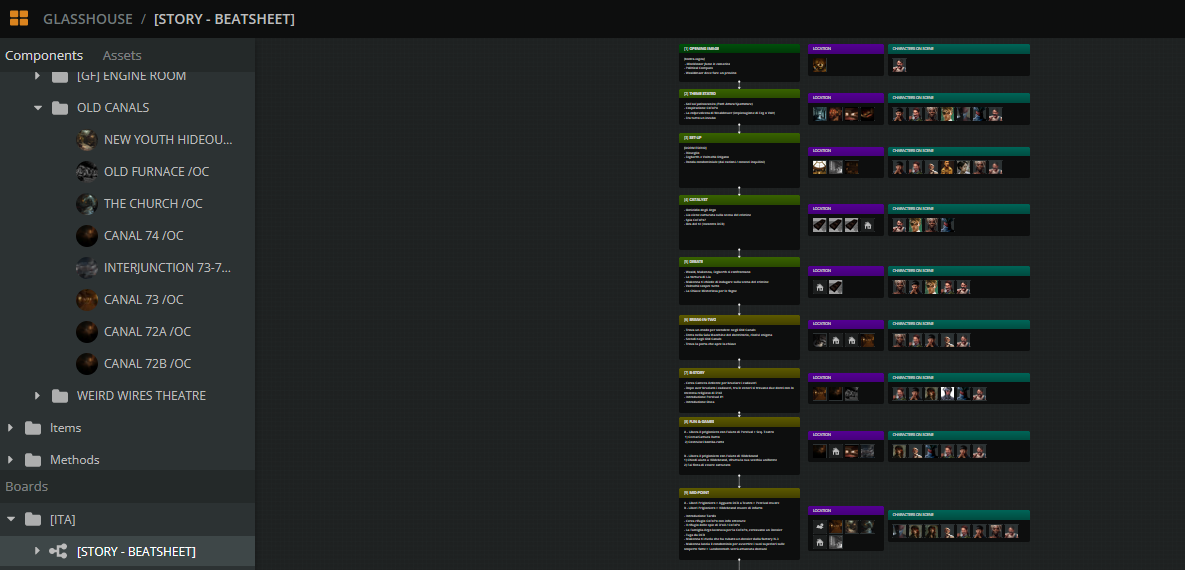
Once we had the 15 beats of Glasshouse, the derived High Concept allowed me to organize a Wireframe that expanded these beats into a dense web of events/quests.
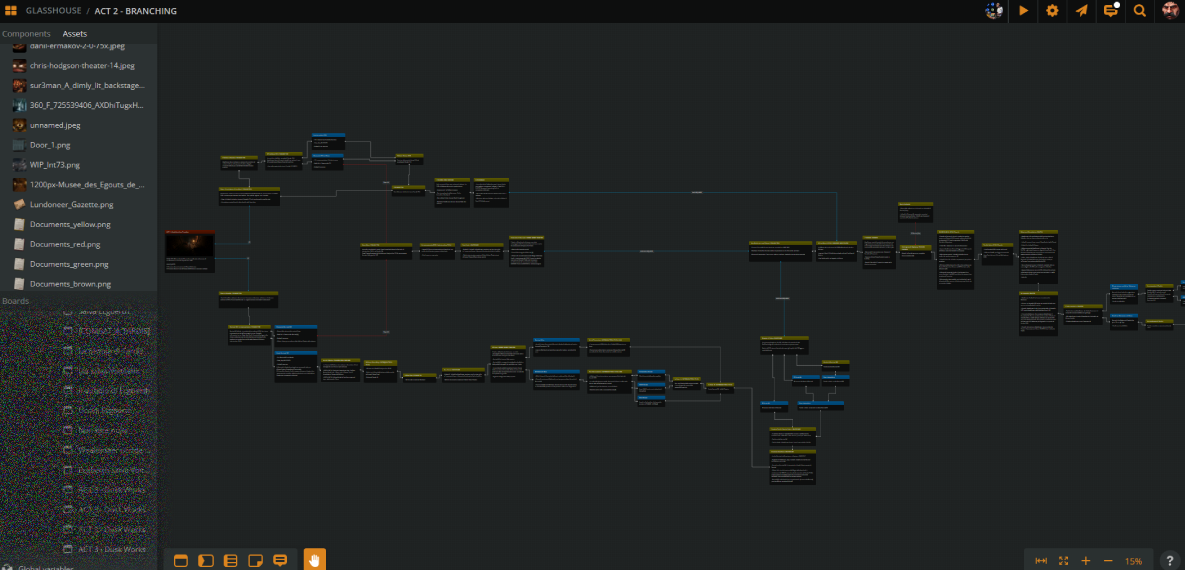
As mentioned in several places, I am not a video game writer, I am a filmmaker, and adapting this writing system to a video game context has been a great challenge. It’s a bet that took a lot of time, and only now is it starting to show the benefits of the effort.
When Glasshouse is in your hands, we hope you will appreciate our experiments.
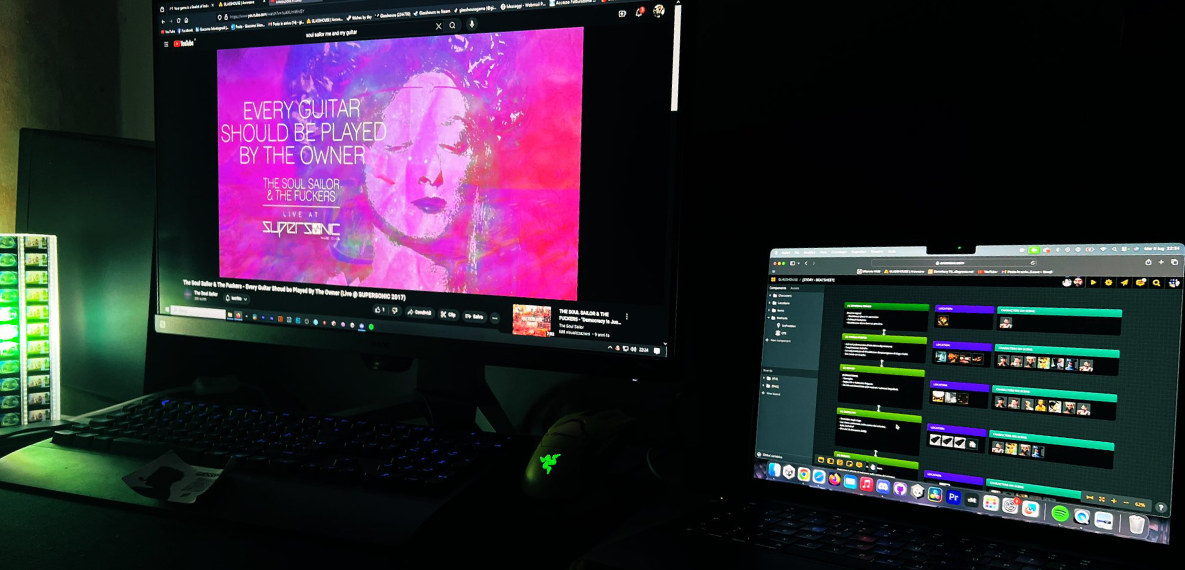
The sky of Milan is still suspended between light and darkness, and the windows of the concrete monoliths are beginning to emit heat. That’s all for today, I hope you found this Behind The Writing interesting.
Thanks to all of you, but especially thanks to you, Lynch. All in all, it’s been a good day.
See you soon!
Giacomo Montagnoli, Creative Director
FLAT28 Collective