
Soft reboot
A few months ago, we sent the build of our game to several people (including one publisher) and there's no denying it - we got very negative feedback. So we took a step back and decided to design GAZ in several places from scratch. We call it a "soft reboot".
Visual side
The general visual setting remained unchanged (except for some models, as we will discuss in a moment). We continue to aim for a gray, gloomy atmosphere with limited colors.
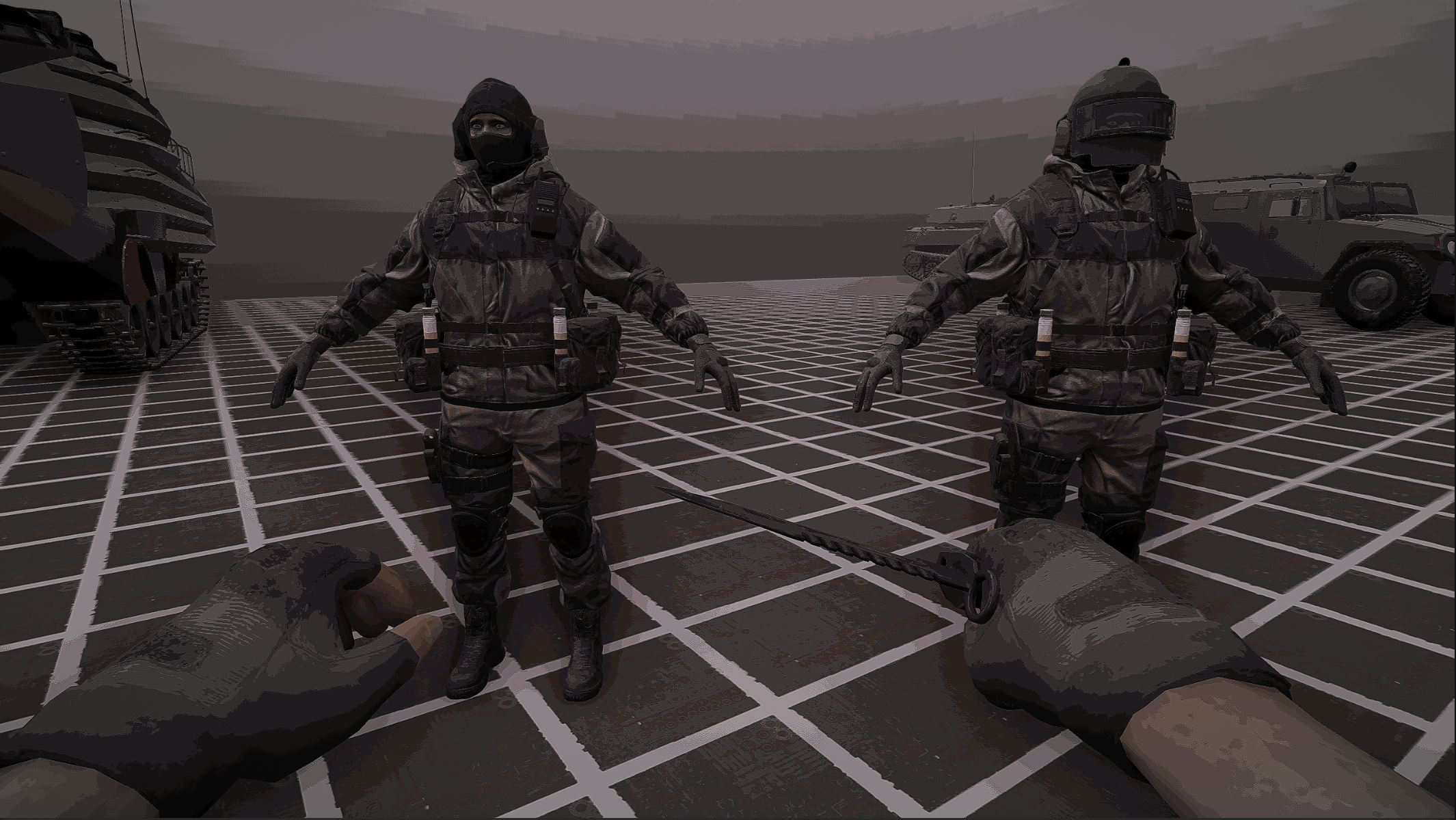
New enemy models
The enemy models will be completely changed. For now, we have managed to add only one new model, but we will gradually change the others as well. Vehicle models have also been updated (some examples further down in the devlog):
Artificial intelligence - GOAP system
AI of opponents is the element that has undergone the most thorough change. Until now, we used a simple implementation based on FSM (finite state machine). After the change, however, the AI works based on the GOAP (Goal-Oriented Action Planning) system.
However, we must make it very clear here, that using GOAP does not mean that our AI will be at a level similar to that of F.E.A.R. This is not something our capabilities currently allow us to do. However, using GOAP allows us to introduce more differentiated behaviors, and working with GOAP is much more enjoyable than working with FSM (of course, you have to get familiar with the solution first).
By developing our knowledge related to GOAP, we will also be able to introduce more advanced AI at later stages of the project, as well as use already developed solutions in other projects. With the proper separation of dependencies, transferring GOAP-based AI between projects is relatively easy.
Weapons design
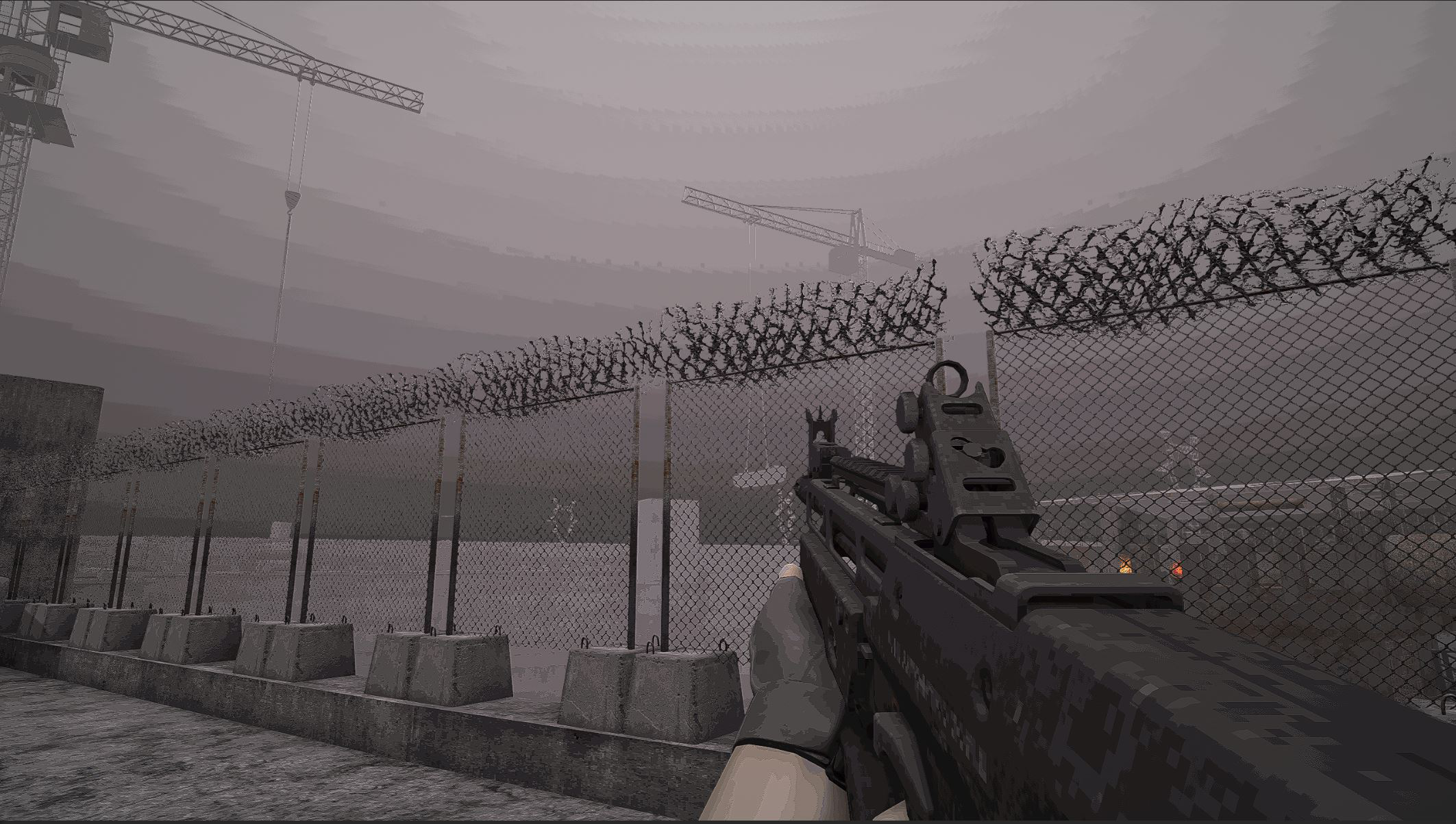
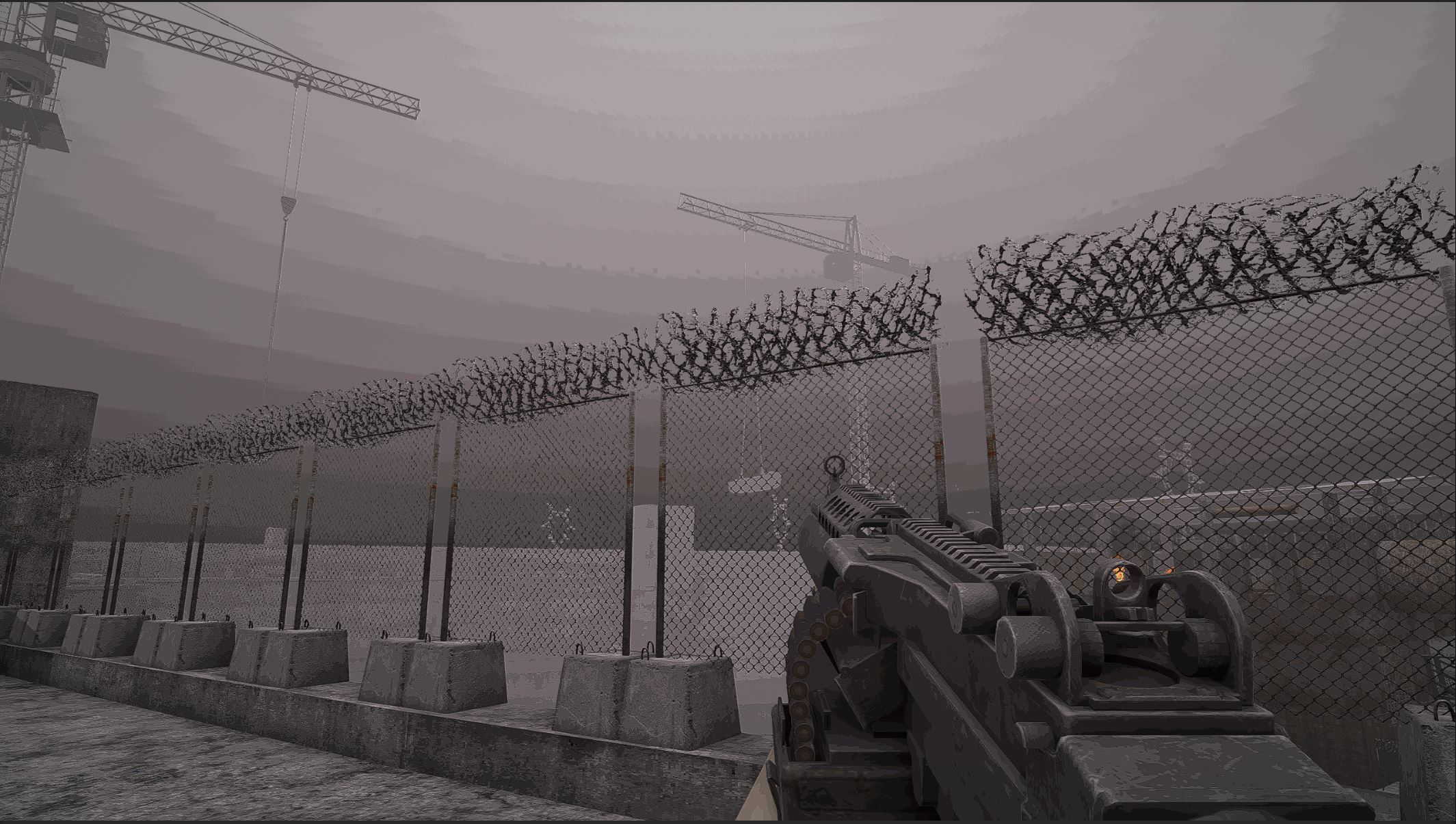
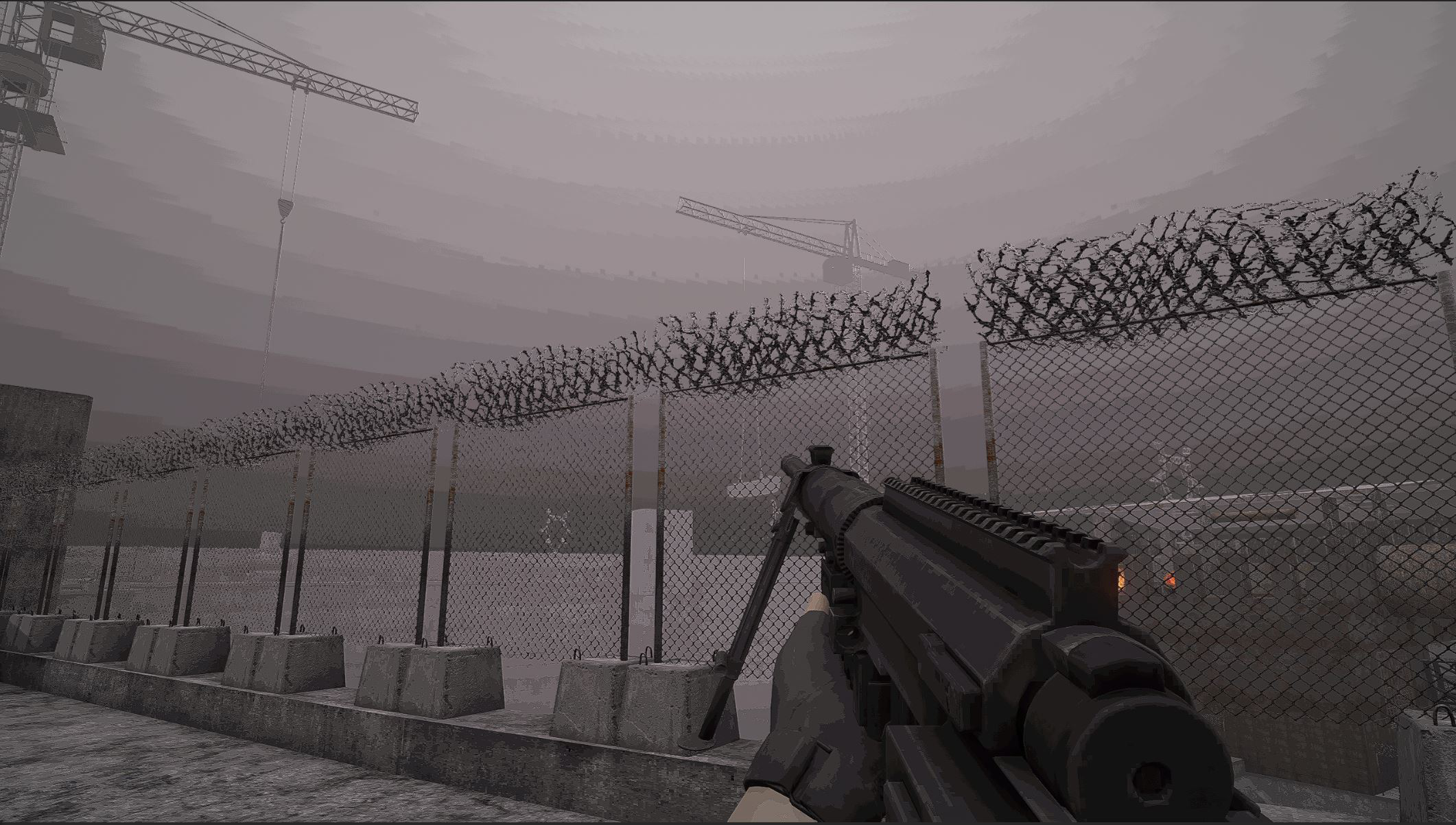
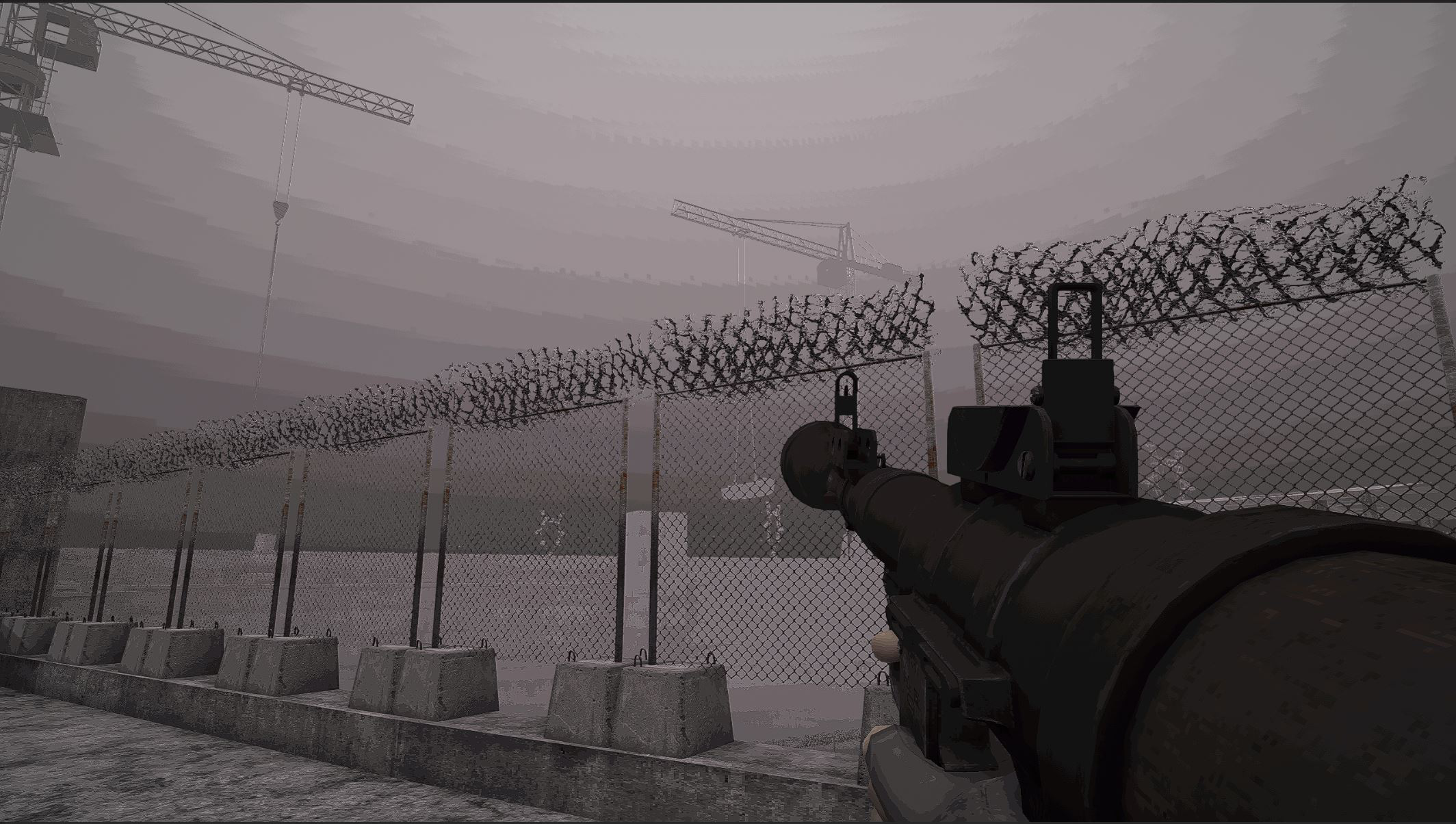
As for weapon models, there will be no change. However, we have added some new types. But this we will share when the time comes.
Dismemberment system
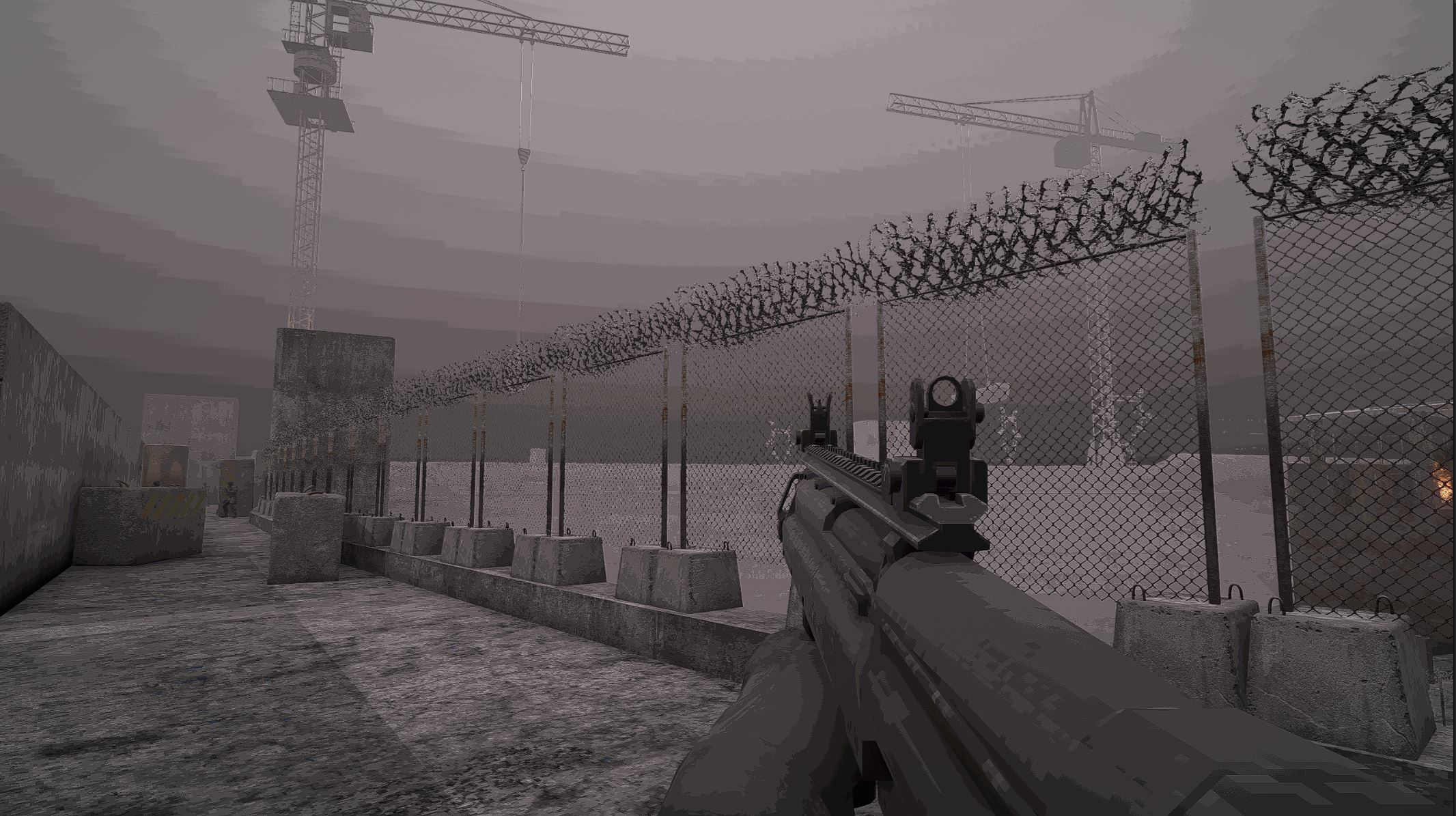
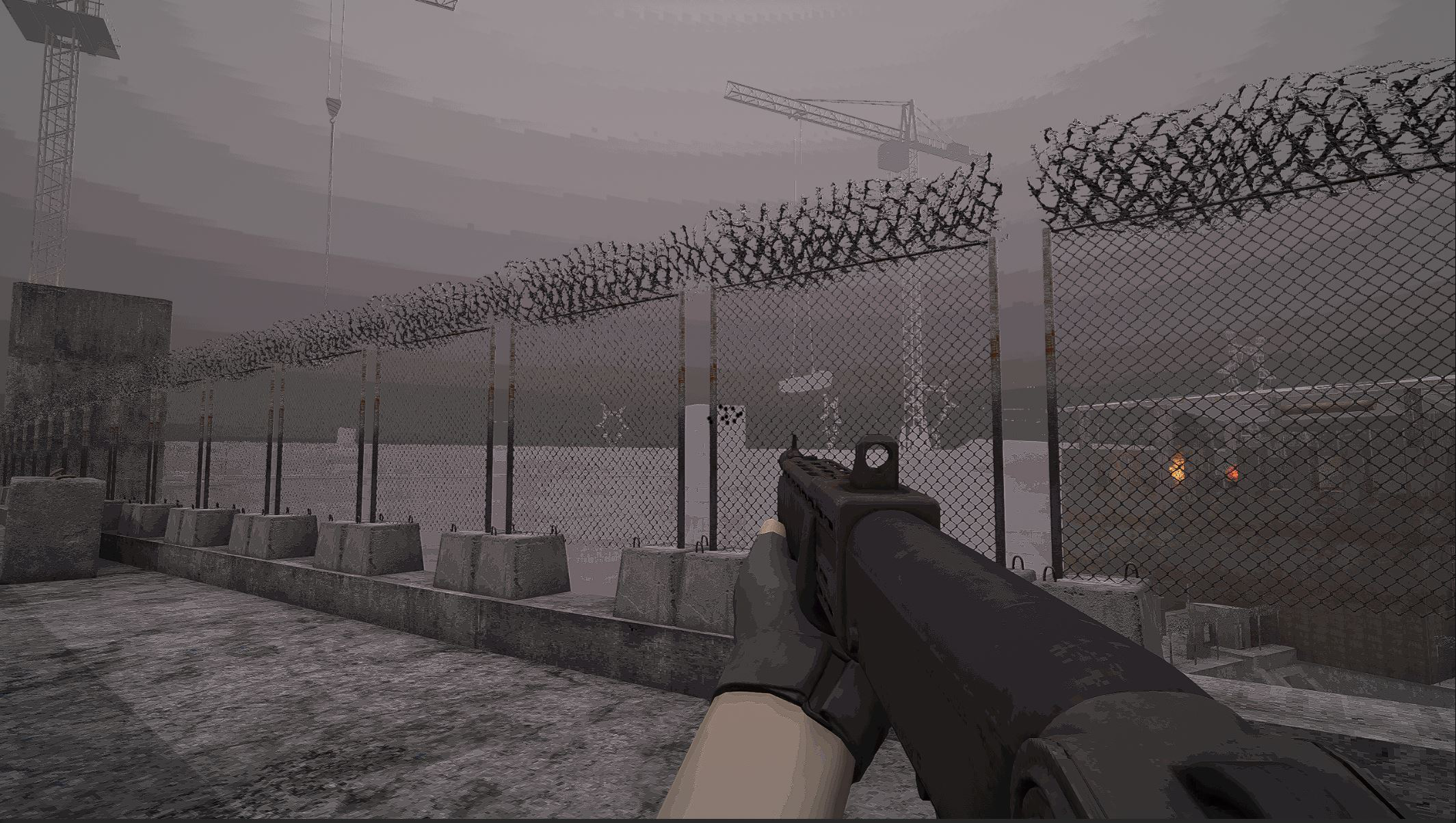
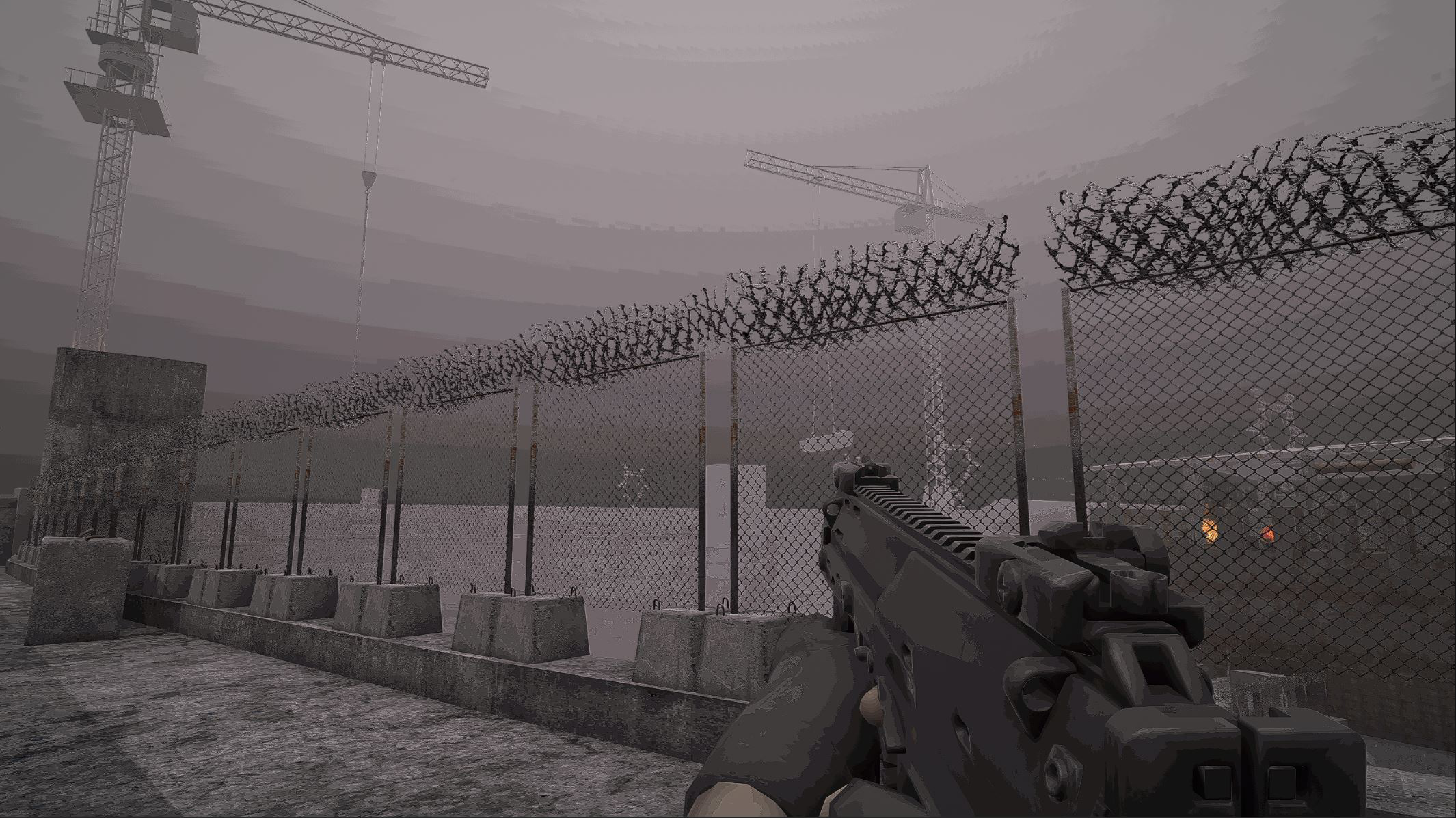
For GAZ, we created a simple "dismemberment" system for enemies. The goal we had here was only one - to have fun. In addition to depriving opponents of limbs, the game will also include the option of destroying armor elements. Here is a small example. However, the video was recorded using old models, as we have yet to adjust the new ones accordingly:
Enemies in the game
We have divided the opponents into three main types:
Human
At this point we have a few basic types dissected:
> Enemy with a shotgun - with the ability to throw explosive grenades
> Enemy with a light rifle - with the ability to throw explosive grenades
> Enemy with LMG - with additional light armor.
> Sniper - with the ability to throw smoke grenades
> Enemy with a double UZI
> Enemy with double UZI - with additional light armor
> Gunner with LMG / Minigun - with heavy armor.
> Engineer - with the ability to deploy mines or small autonomous vehicles
> Pilots - equipped only with pistols
> Enemy with RPG
> Enemy with RPG - with additional light armor
> Soldier with a light rifle/shotgun - with an oxygen cylinder on his back. Such a cylinder will be easily destroyed, causing an explosion
> Soldier with a knife/axe - designed for fast combat at short distances
> Soldier with knife/axe - with additional light armor
The above set will be our base, which we will expand and mix as needed.
Ground armored vehicles
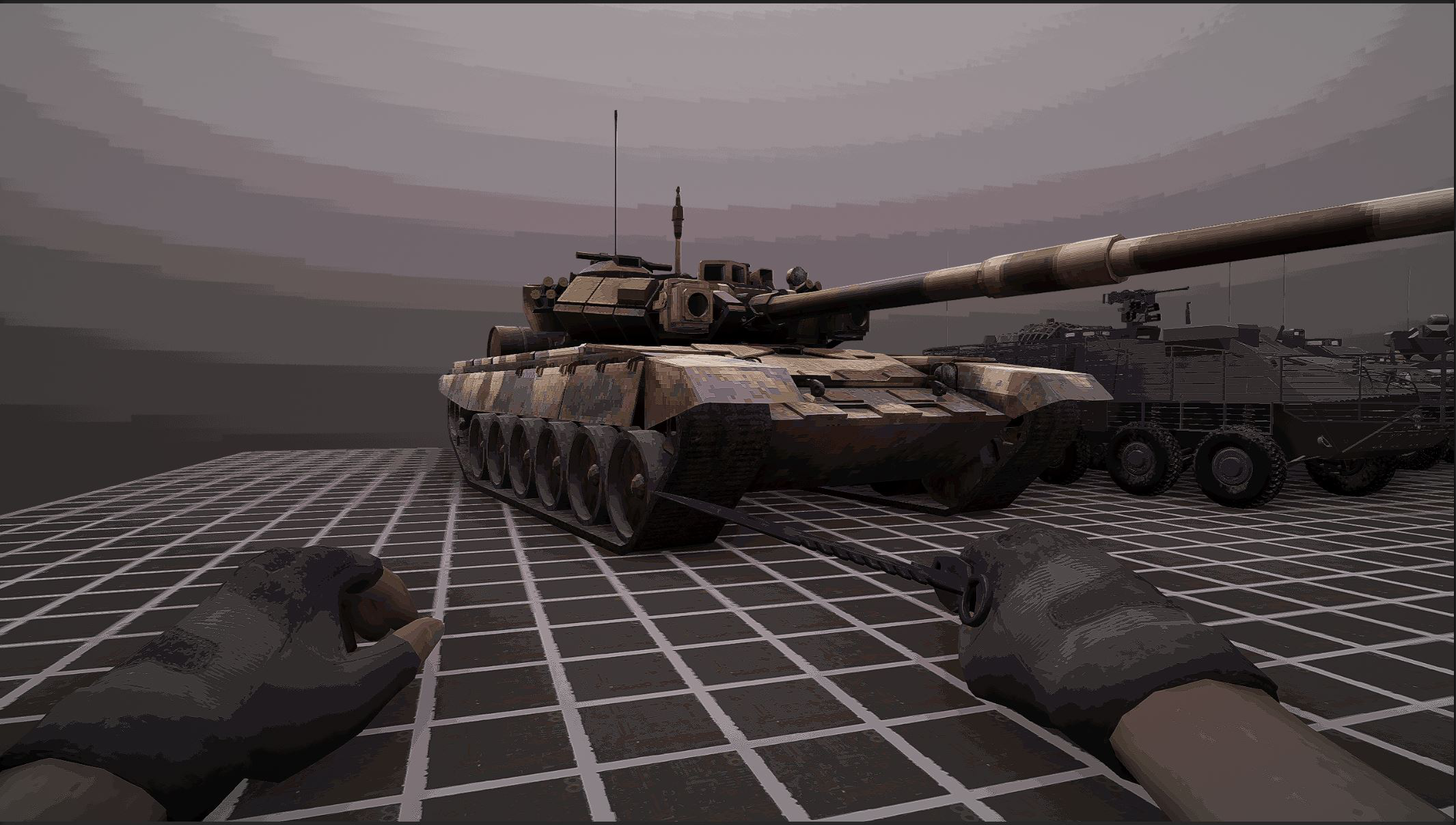
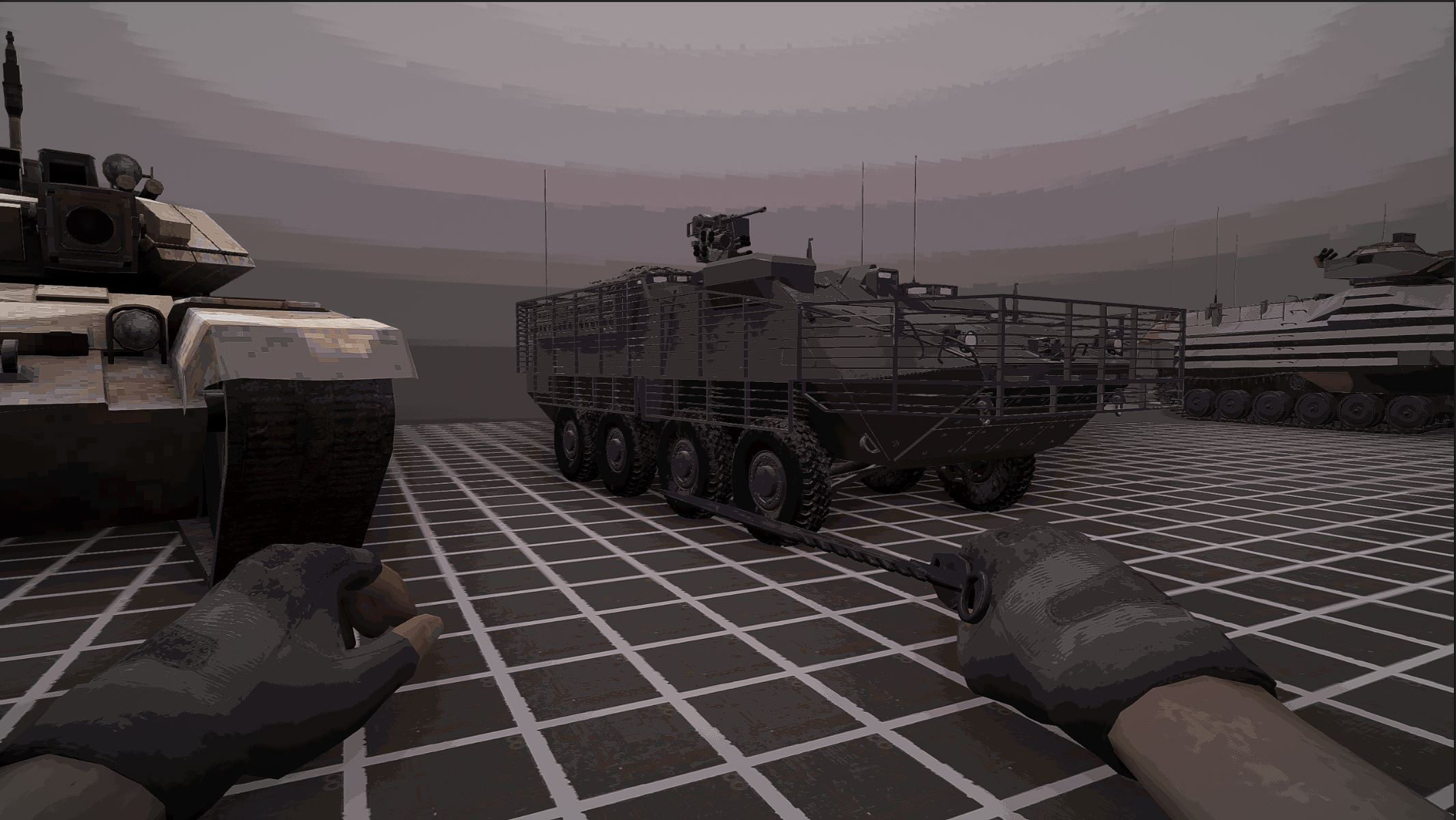
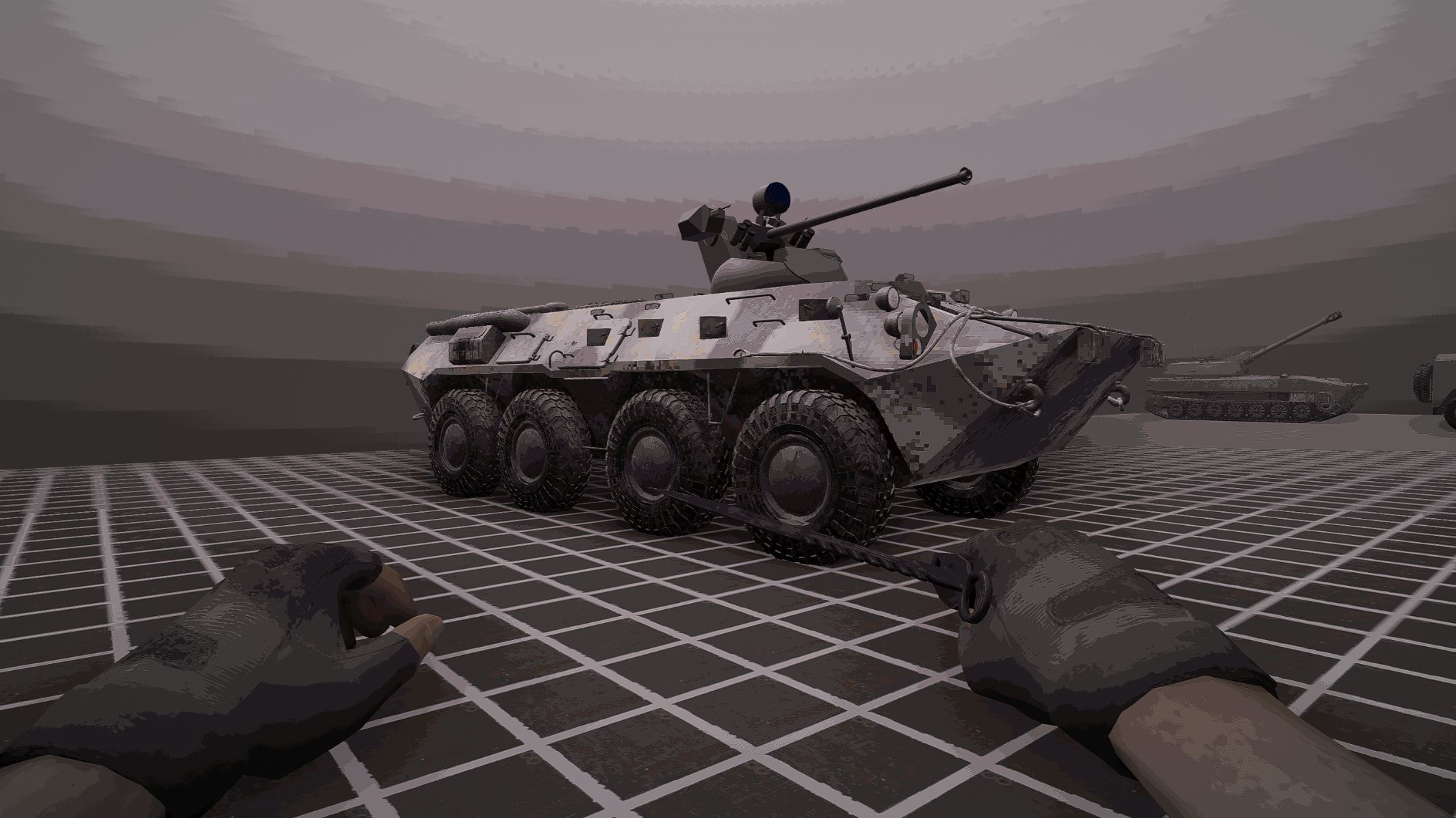
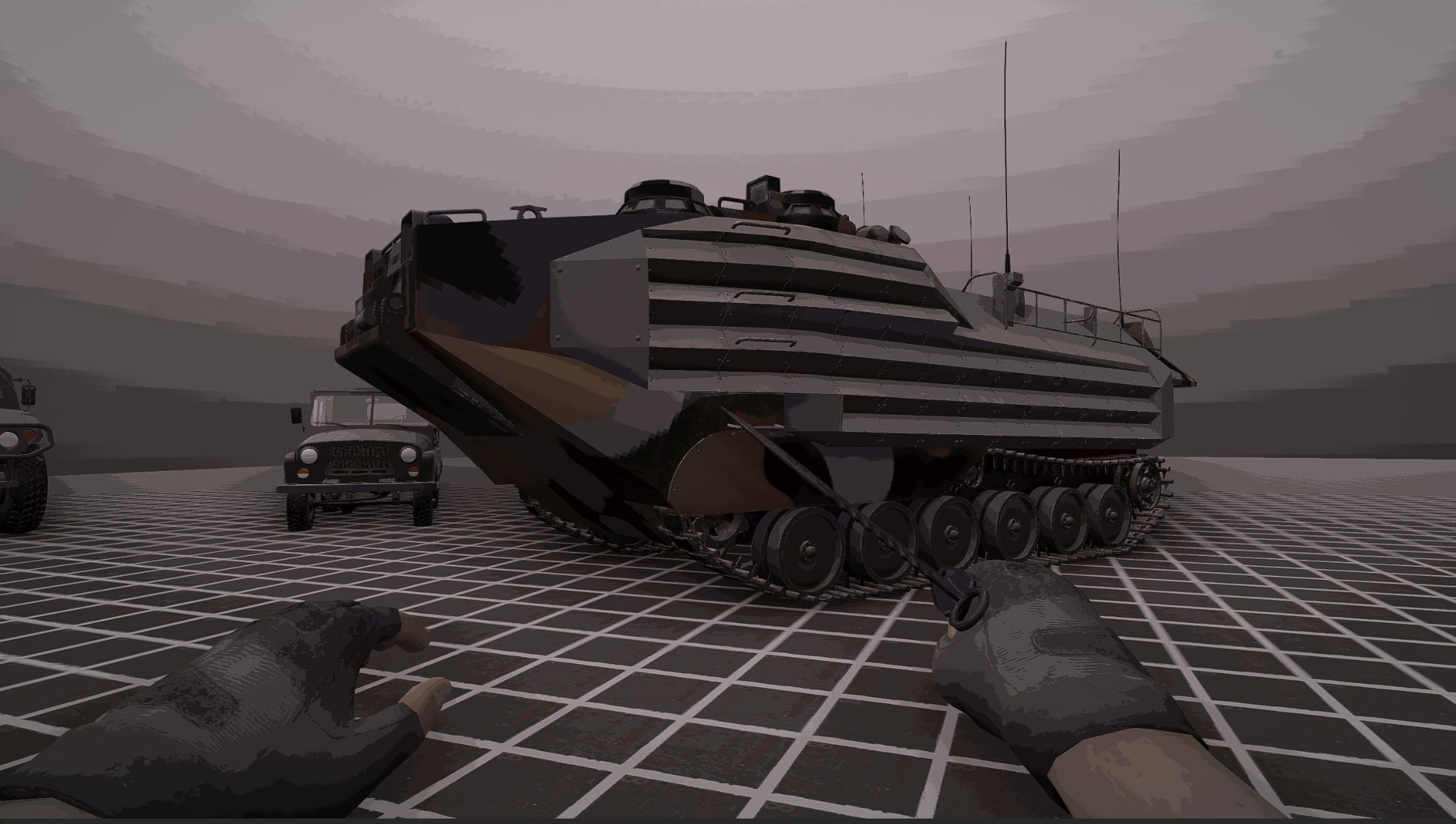
Such vehicles will appear sporadically on the battlefield. In the initial phase, they will be static, but in later phases, they will get the ability to move around the scene. However, we do not want to make "bullet sponges" out of these vehicles, so it will be possible to destroy them using even an ordinary rifle. Some examples:
Flying vehicles
These will mainly be helicopters. Similar to ground vehicles, they will be relatively easy to shoot down. Example models:
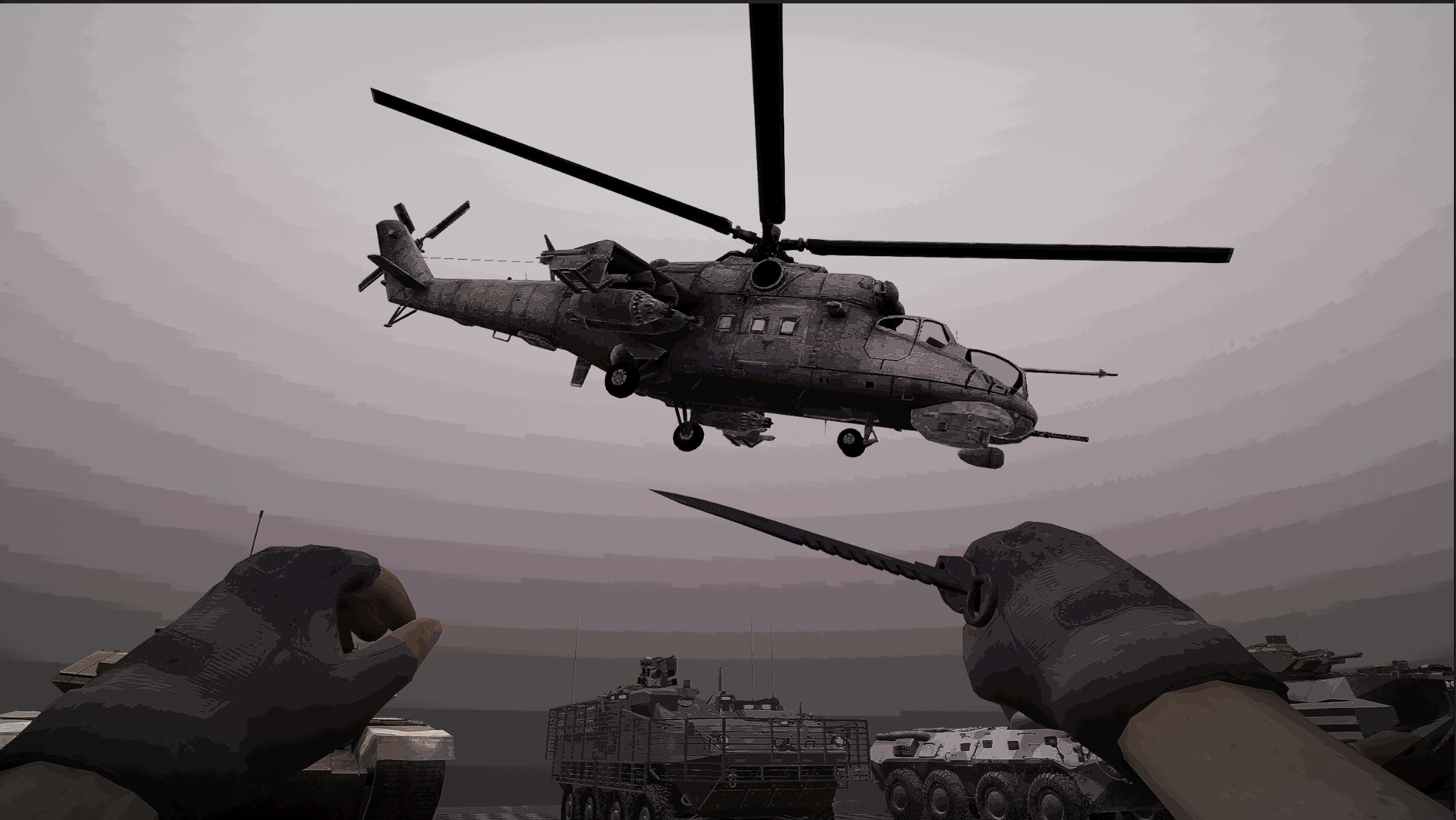
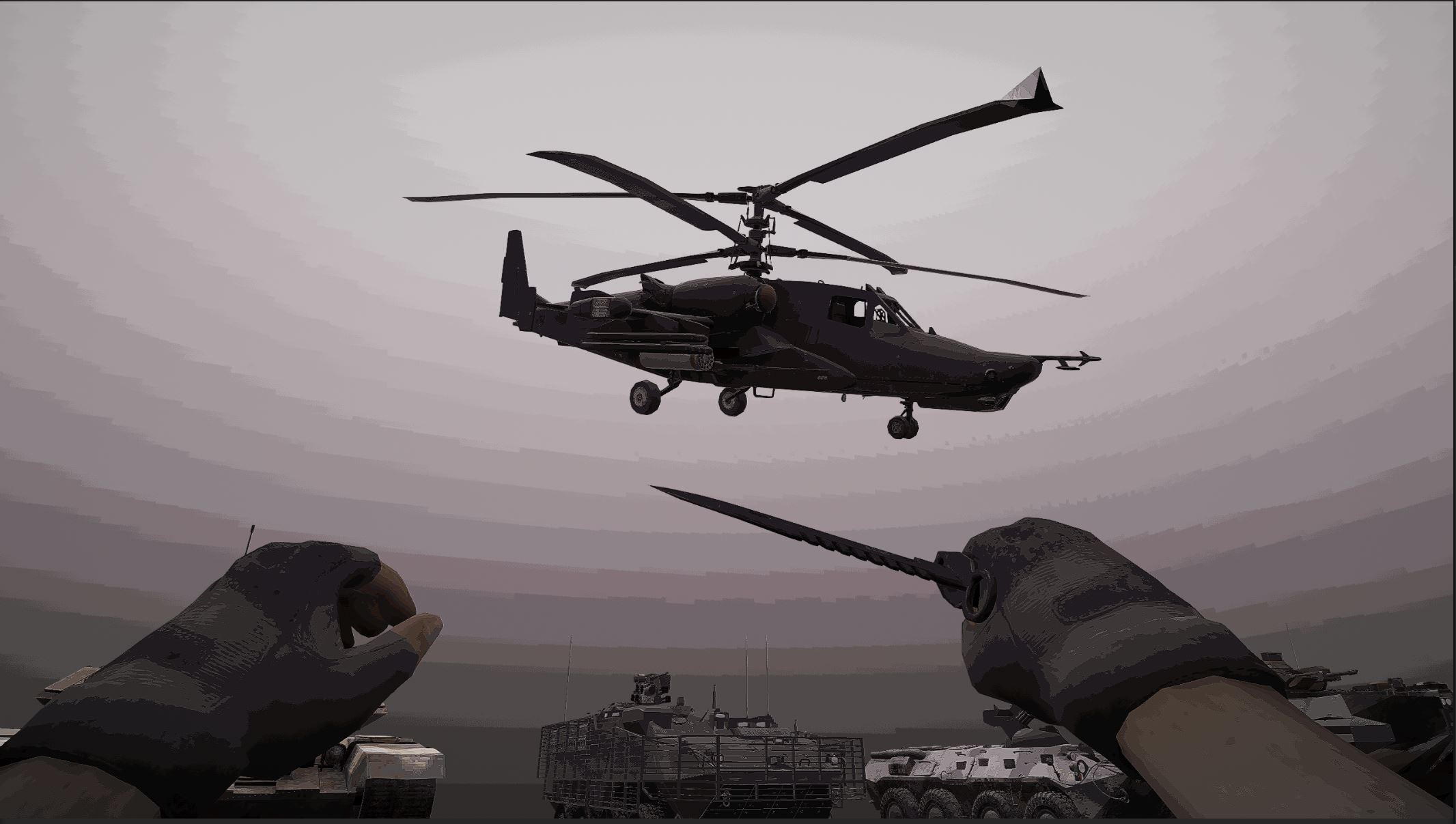

Design
The design of the encounters with enemies and the game as a whole has undergone (along with the AI) the most extensive changes. In the end, we decided to draw inspiration from two titles - Serious Sam and CULTIC. We added some of our ideas to the whole.
Serious Sam inspiration
> Roughly 2/3 of the encounters in GAZ will consist of fighting a large number of opponents simultaneously or opponents attacking in waves. We think the term "all-out war" fits very well here. Such clashes will take place in larger spaces.
Tank control
This feature will appear at very late stages of development. The player - following the example of Serious Sam 4 - will be able to play on levels in which he will control a tank.
Inspired by CULTIC
> About 1/3 of the encounters will be more intimate, with a smaller group of opponents. An example here would be a narrow forest path, where a group of four opponents supported by a sniper will be waiting.
> Gun feel - in our humble opinion CULTIC is one of the best shooters of recent years. What captivated us the most was the feeling that comes from using guns. Weapons are very responsive, and fighting enemies is very satisfying. That's why we will want to bring a similar gun feel to GAZ.
> The player will have the ability to pick up some items and throw them at enemies. A good example here is an explosive barrel.
> Small environmental puzzles - searching for keys to unlock further stages of levels.
> The player will have the opportunity to find additional upgrades hidden in the levels. However, due to the number of weapons we want to add, these upgrades will probably improve the stats of the player himself, instead of individual weapons.
Additional ideas
High-risk / high-reward zones
The game will allow you to save your state at any time. However, there will be zones in the levels that will block the ability to make a save until they are completed. Such zones will be completely optional, and the reward for completing them will be an upgrade for the character or a new weapon.
Slow motion
By killing enemies, the player will recharge the adrenaline bar. Adrenaline reserves will be able to be used to trigger short slow motion:
Attacks / special tools
This concept is only in the early stages of development, but we plan to add various kinds of tools to GAZ that will make fighting enemies more enjoyable. Examples include mines thrown under the feet of opponents, as well as signal grenades to call an artillery attack. The player will also be able to use stationary gun turrets.
Migration to Unity URP
Little significant from the player's point of view, but very important from the point of view of maintaining the project, was the switch from the Built-in engine to URP, within Unity. Thanks to this procedure, we won't have to worry (at least for a while) that our project will become outdated on the technical side. We will also have an easier task if we want to port GAS to consoles in the future.
Cooperation with other development teams
Initially, the name Samurai Outcast referred to our small team of two people. Over the past few months, there has been some significant change here.
We have been joined by two development teams, each with two people. The important thing here is that we do not form one company. Each team operates separately and on its account (working on its games). More importantly, however, these teams share the same solutions (for example, a code base) and a general knowledge base.
A good example of this is the aforementioned GOAP-based AI. If one team comes up with a cool solution and implements it, the other two teams can use it as well. A similar tactic will be adopted when operating in the marketing sphere. If one team concludes that a certain strategy is particularly effective (for example, Twitter advertising) it will share this knowledge with the other teams.
You may be wondering why such a division. At this stage, each team has its idea for the game and wants to implement it on its own. We don't want to throw ourselves into big projects right away. Instead, we want to slowly build up our knowledge base by pursuing projects that everyone enjoys. Another important aspect here is that all the people at Samurai Outcast have known each other personally for many years, so we have a very friendly atmosphere.
What are the next steps?
We are working on a pre-alpha for GAZ, which we will want to make available to a wider range of users. Only after such verification, we will be able to focus on the development of the main project.