
Greetings great nobles,
Today we are back with another Dev Diary. We will dive again into the depths of the Middle Ages, but this time we will be focusing more on superstitions. Many of them were so popular and/or interesting, that we are eager to have them in our game in some way.
Without further ado…
Vampires
This belief was alive for a long period of time and history, even in more modern times (20th century) where some kinds of its manifestations were still palpable. Even despite that, earlier (17th to 18th century), many rulers such as Maria Theresa von Habsburg and clergy, e.g. Pope Benedict XIV condemned them as superstitions and fraud.
Mostly it depended on time and region, but there were situations where popularity of the undead was suddenly on the rise and it was connected to the stages of ongoing epidemics. That's why we thought about it as an interesting addition to the Black Death (which we've already covered in the Dev Diary #1 - Black Death), which was believed to be spread by the vampires.
There were all kinds of beliefs and their origins, as there was little to no knowledge about how the dead bodies deteriorate. But mostly we are interested in how to use those beliefs in our game to spice things up a little. That's why, when the player is fighting an epidemic in their domain, they shouldn't be surprised when the people will suddenly urge them to intensify the fights with vampires.
The player will be able to decide whether to desecrate graves and destroy corpses, hunt the potential bloodsuckers, or to hire a specialistic vampire hunter (yeah, legit). Surely some of the choices will appease the people, but as most things in Noble's Life, it will have its consequences. Of course, one of the alternatives is trying to fight with these dangerous prejudices (because, frankly, unearthing the decaying bodies in plague times isn't really a great idea at all). The decision lies only on the player's shoulders and maybe, it could be advisable, when the people are already having low morale while suffering from an epidemic.
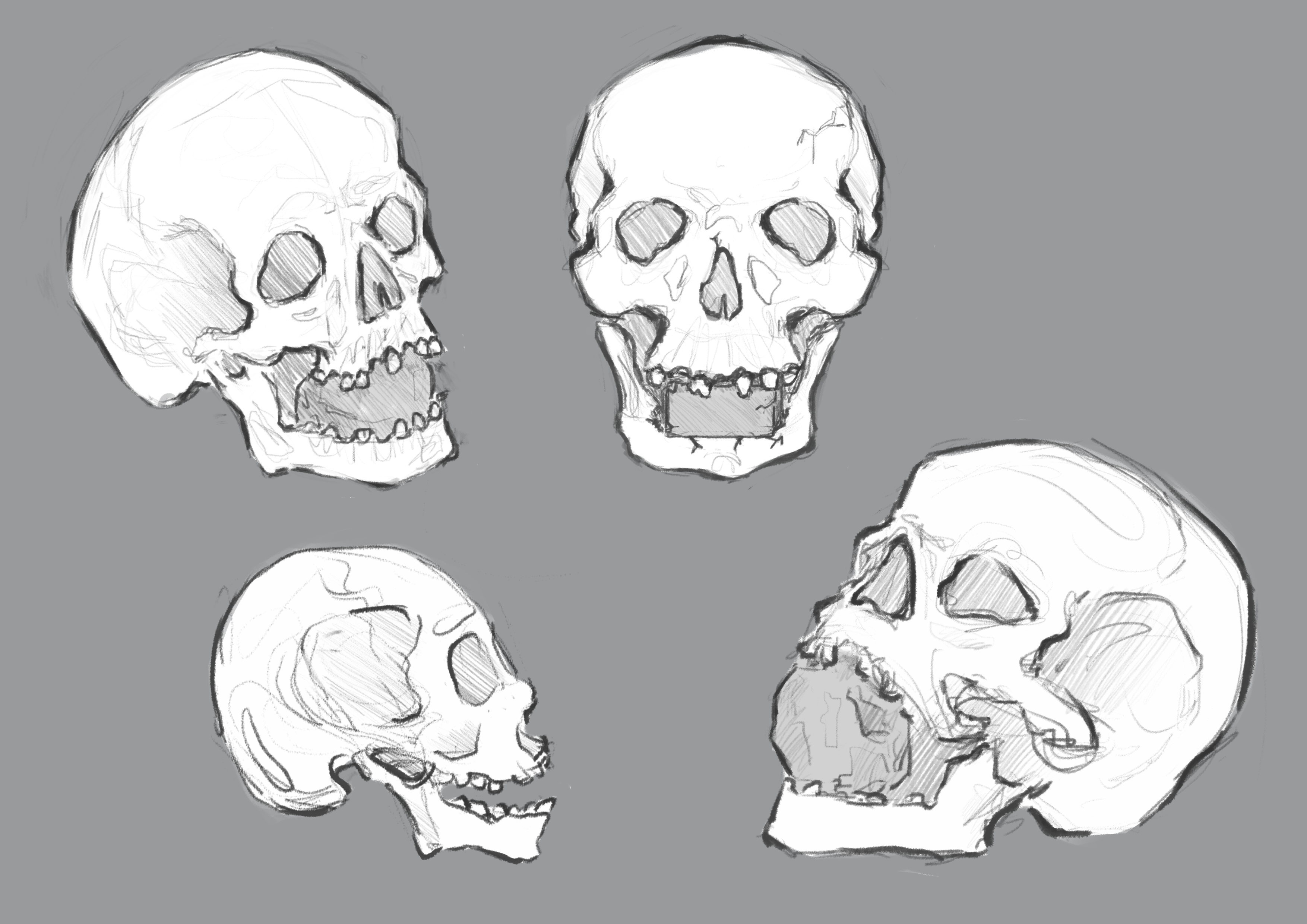
This "reliable" method was used to exterminate the bloodsuckers in Roman Times and was one of the easiest. It consisted of stucking something firm (e.g. stone or brick) into the mouth of the deceased. Most of the time it was done by digging out the graves, when people suspected that certain bodies could possibly have "transformed" long after being buried. The item inside the mouth was supposedly for making it harder for them to chew - sucking the rest of the living energy out of the deceased in the graveyard - which in return, if they’ve had enough of, could possibly enable the vampire to rise from the dead. That's only a theory about so-called "shroud devourers" and there are many more, all different from each other, depending on the method for coping with the undead - some of them were even more invasive than what we've mentioned.
All Hallows' Day
Some days ago, there was a catholic ceremony for the All Hallows' Day and All Souls' Day, so it's a good opportunity to mention it here too. These events focus solely on death and that's why they've been also widely connected to many superstitions. Christian holidays for some time were competing with other former events (e.g. gaelic Samhain, which was also practised in Brittany). There are some presumptions that the time between September and November was indeed a meaningful time since antiquity.
That's why it's safe to assume that the old folk rituals could and probably were alive in many villages for a long time. Sparse sources mostly say about the dances, the feasts around big campfires and the traditions to put on the costumes (e.g. to play the role of satyrs or other fantastic creatures). Although the Church had other more important problems, they were strictly against these activities. They promoted their own variations, e.g. giving the poor the so-called 'soul cakes', cookies, which, according to beliefs, were supposed to release the suffering soul to Heaven. This custom was practised mostly by the English, so having it in a war-ridden France would probably have adverse effects after all ;)
Why are we writing about it? Mostly because, even though we put an emphasis on the catholic religion, which was a dominating belief all over Europe, we consider it interesting and meaningful for these times and it will be in some way included in our game as a few specific or odd events. As we mentioned before, to us, any interesting facts or things that were probable in the Middle Ages are an inspiration.
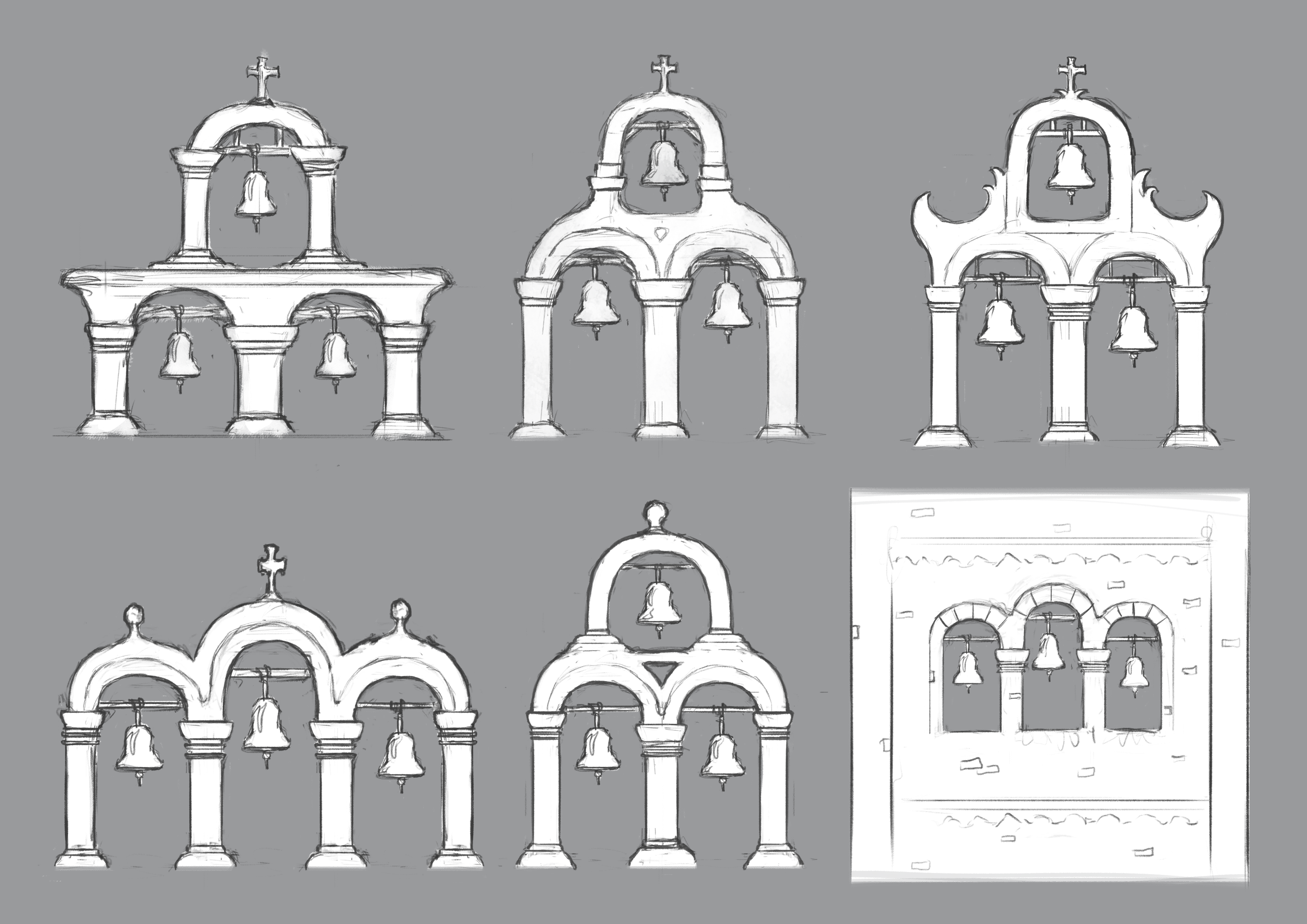
Concept art that depicts different “upgrades” to the churches, i.e. adding the triple bells to the main building. They were really important in those times, fulfilling many functions and uses. But in regards to today's topic, one of the most valuable roles that they were used for, was to scare off the evil spirits and forces. In other words, they were helpful to keep people calm when the preternatural dangers were on the rise.
That's all for today. In this Dev Diary we mostly wanted to show you that we are searching for a very broad range of topics to make the game fun and interesting. Before you ask - we don't plan to add things that are highly improbable, but if something has happened, even in the other parts of Europe, we are willing to give it a shot. Especially when the folk tales and sources that describe the simple people's lives aren't as detailed in description as the big global events that took place.
Next time, probably in the next week (if we will manage ^^"), we will be back to the topic of economy. Specifically, we will talk about those, whose job was to manage the lord's yards and fields, in other words - peasants, and about the player's ability to administer them and the village mechanics.
Ah, and by the way we invite you to our Twitter ( https://twitter.com/Nobles_Life ).
We've come to the conclusion that it will be interesting and engaging for you too if we will post there about the situations and events that took place in Europe in the Hundred Years'