
Bzz —— Bzz ——
This is Gardener speaking! July has come and gone, and the heat here was a killer. Speaking of weather, care for a forecast? We plan on holding a round of tests once our current task is completed in order to check the tutorial's design. We encourage you to sign up once the time has come!
On another topic, allow me to discuss the genesis of the butterfly effect in the game. We draw our inspiration from a movie called The Butterfly Effect and a manga and anime called Re:Zero − Starting Life in Another World. We learnt a great deal in terms of narration from the former, and the latter taught us how to introduce and develop relationships between protagonists and other characters. But let's just talk about the movie for now. I'll talk about Re:Zero's Subaru in the next development log.

For the newcomers around here, I'll quickly introduce the gameplay of the game. A Guidebook of Babel follows four characters, and players play as the character of each separate storyline. Those storylines are further divided into scenes, arranged in chronological order, and each scene focuses on a specific subject. In each scene, players have a quest to accomplish and, in order to do that, they have to trigger the Butterfly Effect in specific places to go back in time and change the future!
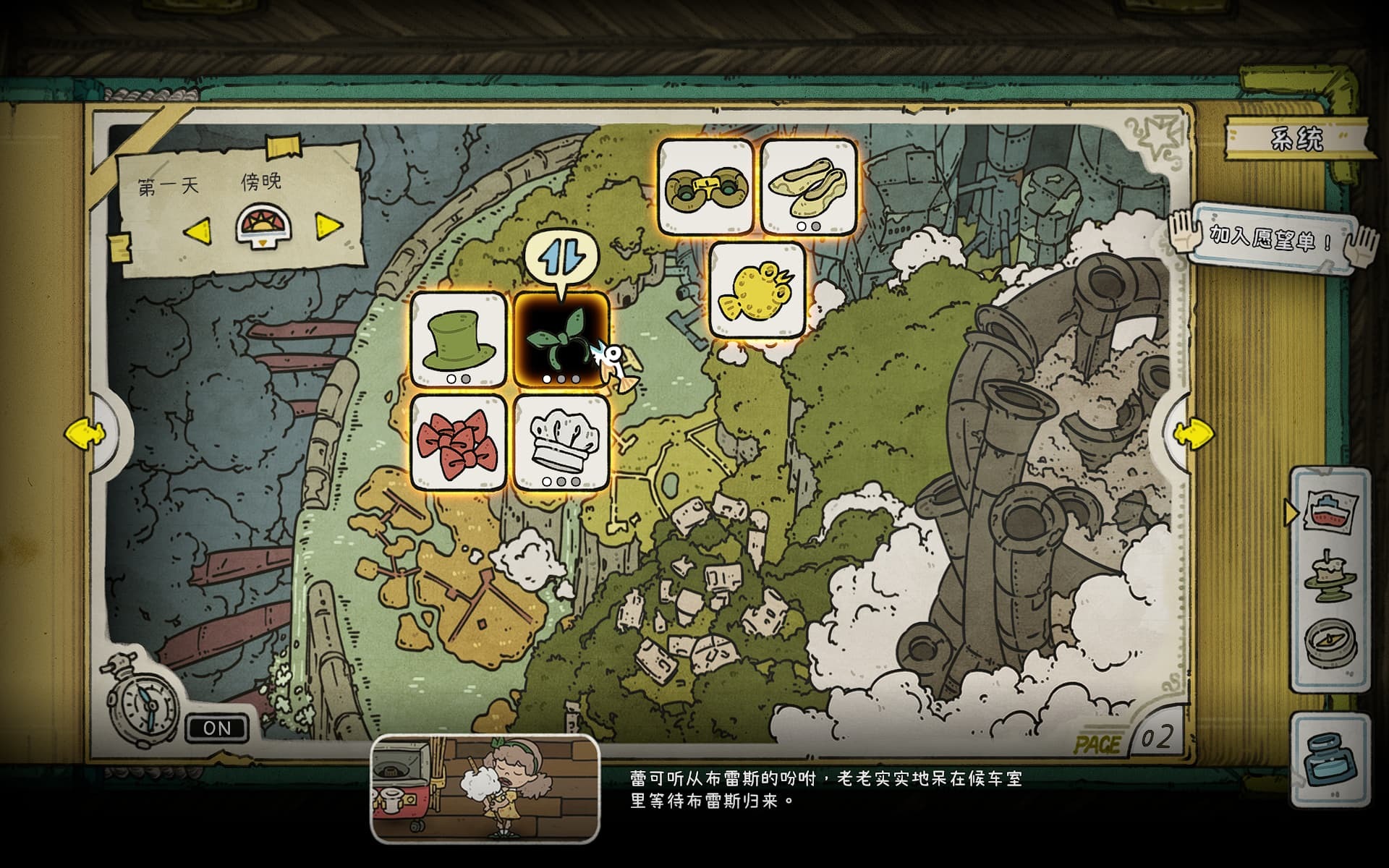
You should have an idea of what the game is like now, so… Have you watched The Butterfly Effect? The plot is very simple: One day, the protagonist wakes up with the ability to go back in time (to oversimplify it), so he starts to go back in time to modify tragic events in his past that affected him or his loved ones, over and over again.
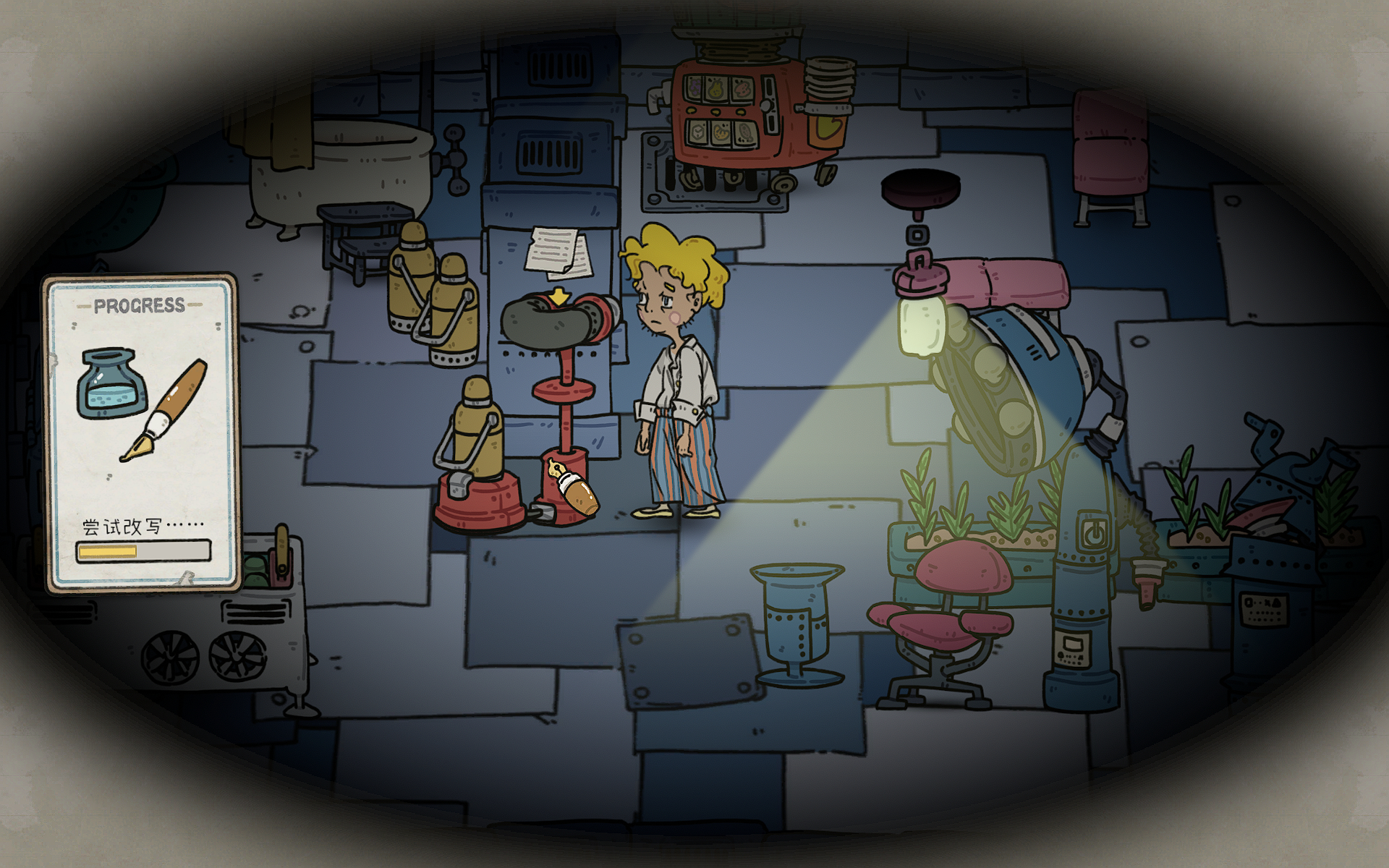
So, what did we take away from this movie? Obviously, it's the protagonist's superpower! But done differently, through what we call: Rewriting. In each scene, it is possible to enter Rewriting mode at any time and rewrite an item or character in the scene. However, only specific items or characters can be rewritten, thus revealing hidden interactions and possibilities. And selecting said interactions will then trigger the butterfly effect.
I think everyone is now very familiar with the "search and find" aspect of the game. Players have to find that one special interaction inside a complex, almost overwhelming, story. But in order to find that specific interaction, players don't have to go in blind! The trick is to first understand what sort of trouble the protagonist is in, what is preventing him or her from completing his/her quest. Then, they need to think about the cause of the trouble and associate it with the scene's plot to find the special item/character at the root of the problem.
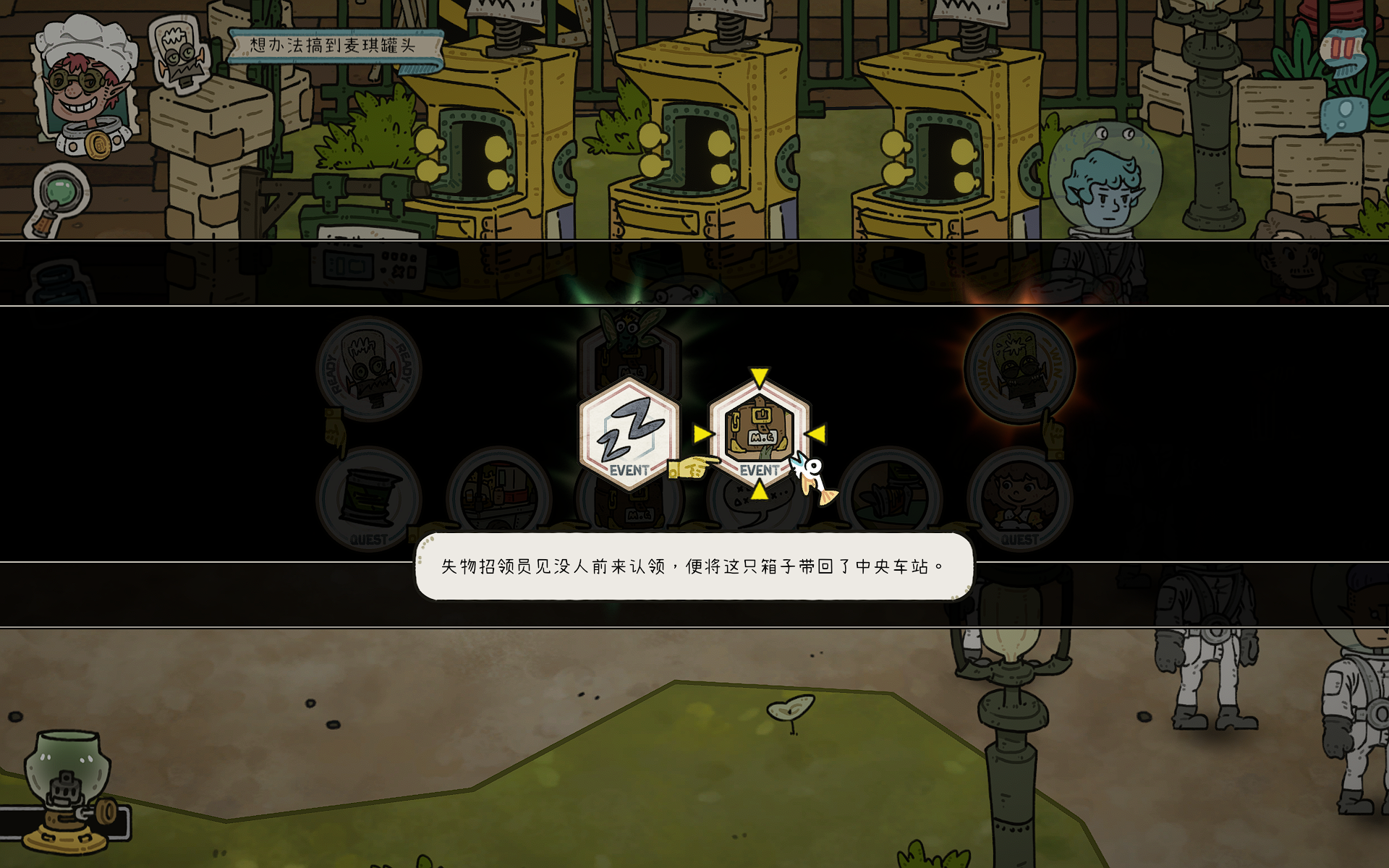
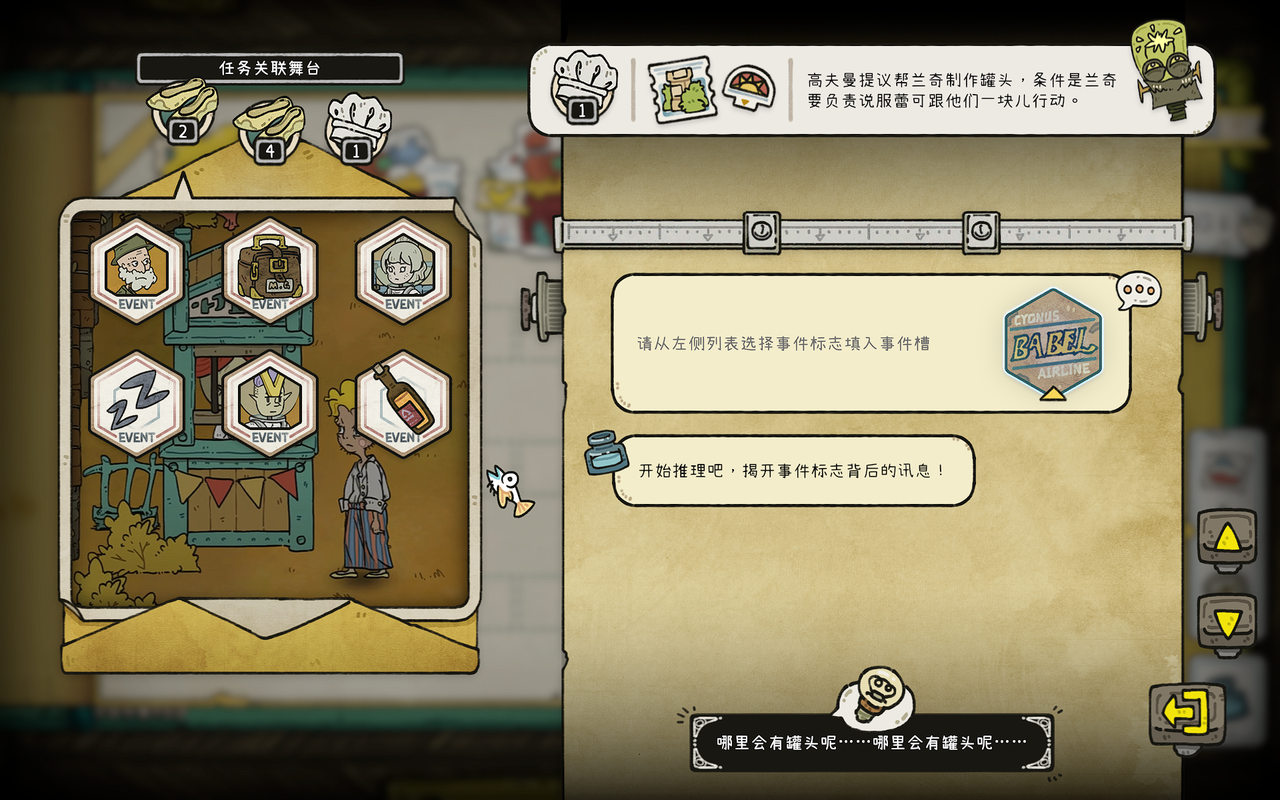
Of course, it is difficult to find the root cause of the problem without some tools to help. Fortunately, those tools have been part of the game for some time already: event signs and notes! When exploring a scene, players will see a series of event signs, that will help them understand the chain of events that lead to this particular problem. In the notebook, a mysterious voice will ask questions related to the quest at hand. If players filled in the event signs correctly, they can answer the questions without any issue. The whole question and answer process is to help create the chain of events in players' mind, so that they can find the solution.
Once players find the special item/character and interact with it, this seemingly insignificant change will trigger the "plot tsunami". Whether the "new" scenario is more surprising and exciting, it all depends on the imagination of our wordsmith and mine though!
So, that is what we learnt from The Butterfly Effect movie. What do you think? Interesting, eh? Are you ready to challenge yourself? Don't forget to follow us so as not to miss any upcoming news, especially the news about the test rounds! We count on you to sign up when it's live!
Gardener, out! Bzz—