
Today we take a closer look at Blind Fate: Edo No Yami - the idea behind the project, its post-apocalyptic themes, the influence of Japanese culture on the game’s lore, as well as the progress so far. For this purpose, we have turned to the development team and asked them to answer some introductory questions.
If you enjoy this format, feel free to write your trickiest questions to the developers in the comments below and we will make sure to relay them in the future. :)
Please tell us a little about your team.
Troglobytes Games is an independent studio based in Barcelona.
There are not very many of us, but some members of the team have more than 20 years of experience in the game industry and worked together for other companies.
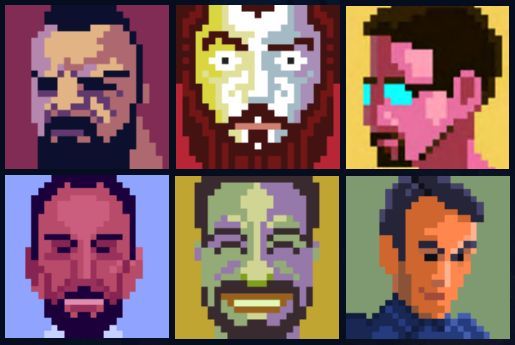
In 2015, with the arrival of new young talents, guided by the passion to give shape to new ideas and to deliver new gaming experiences, we decided to move forward and to work on our own projects.
In 2020 we released our flagship title HyperParasite, a roguelite twin-stick shooter set in the roaring 80s.
Now we are working on Blind Fate: Edo no Yami - a game about a blinded cyber samurai. The development is carried out jointly with 101XP.
What served as your inspiration when choosing the setting for your game?
We usually look back for inspiration to old arcade games - we have an arcade machine in our studio from which we extract the most interesting ideas.
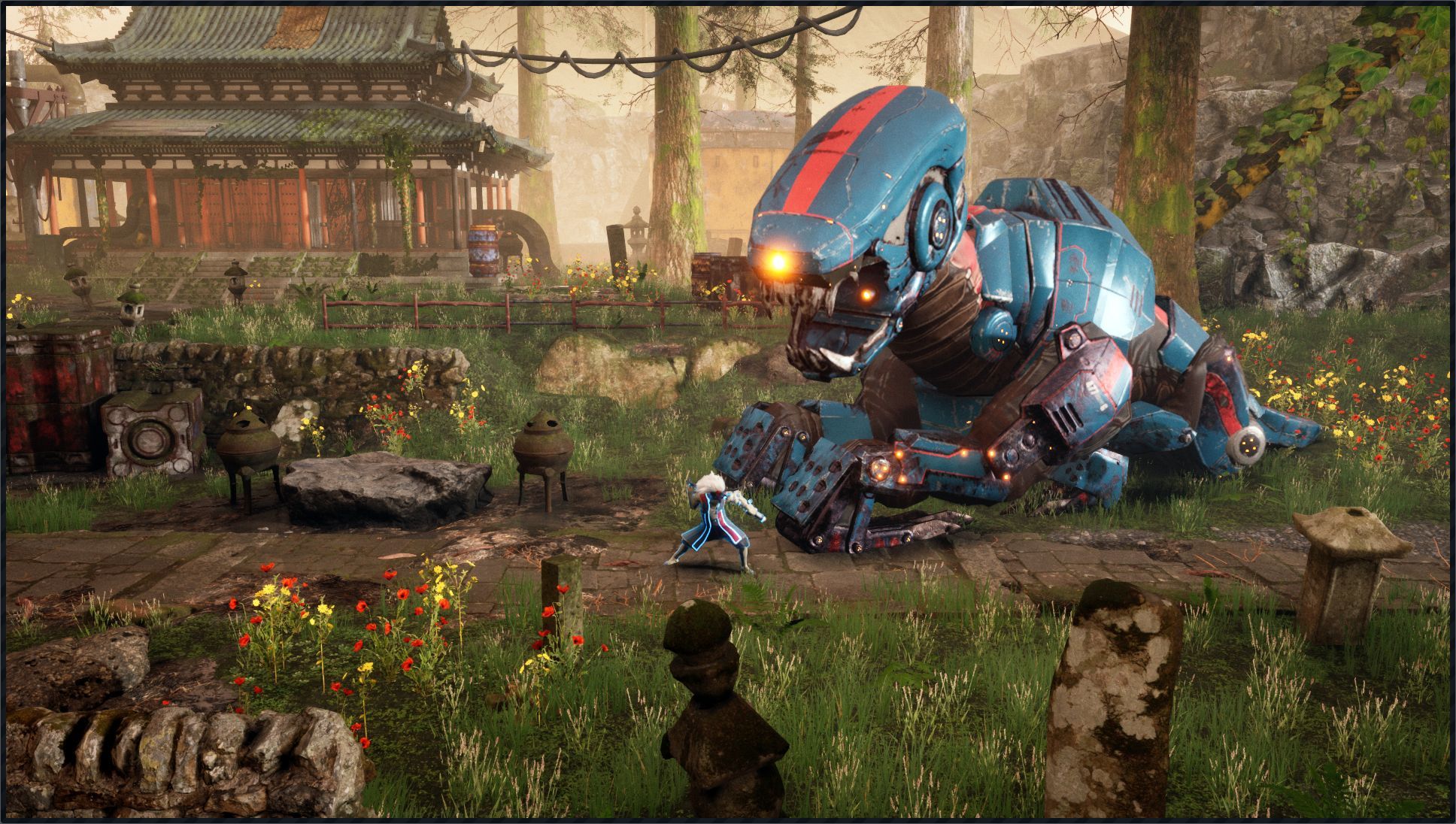
With those references we build up new assets, both in mechanics and visuals, to match a modern gaming scenario.
What made you put an emphasis on post-apocalypse and cyberpunk genres?
A post-apocalyptic world is a good setting if you want to have the player exploring a world where the old and the new are "present" at the same time.
The cyberpunk setting allows it to have deeper lore in the form of data and implanted devices such as hi-tech sensors.
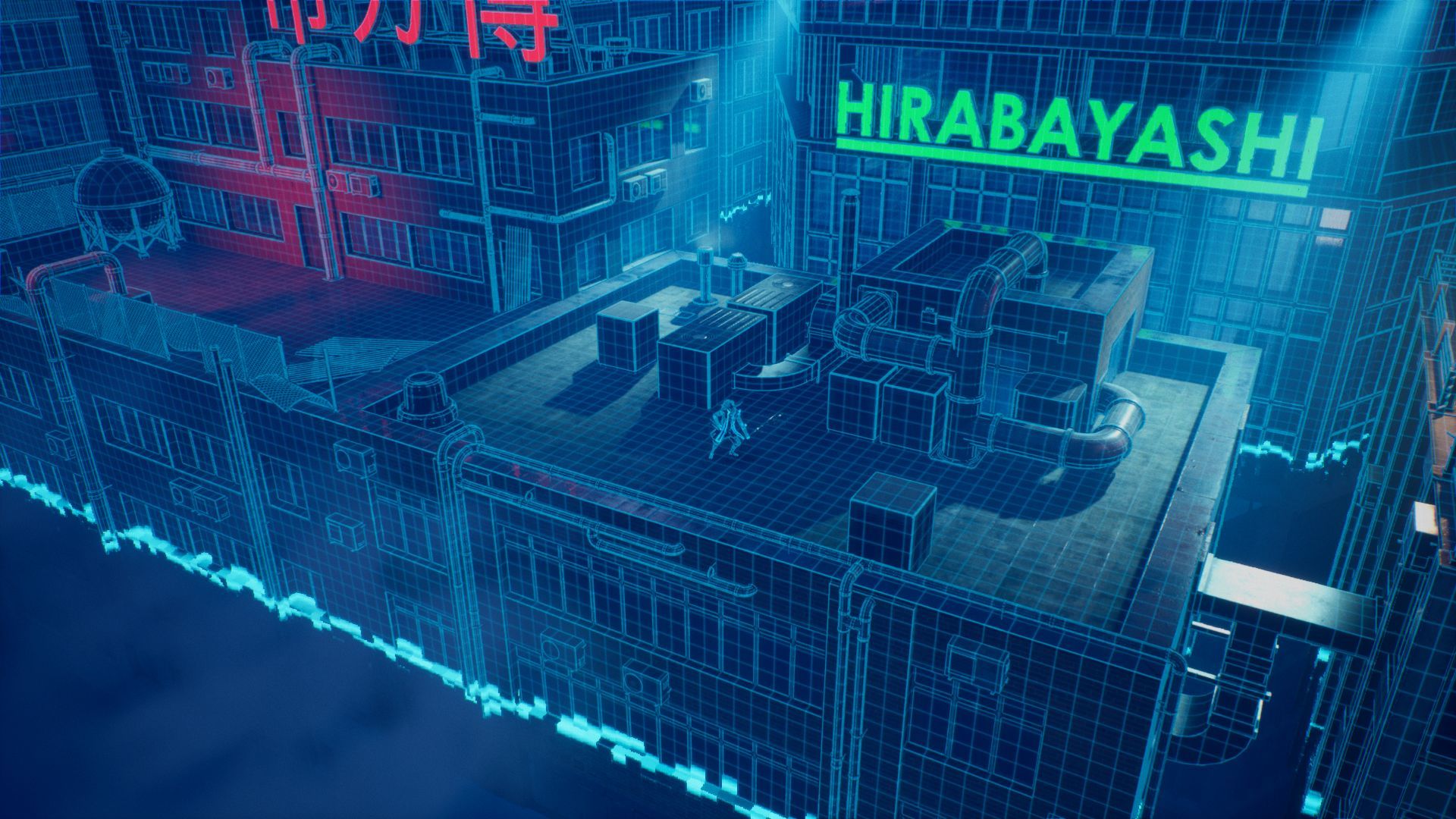
Yami, who is blind, can receive environmental data through tech wired directly to his brain, making him able to navigate complex levels.
The acquired data being old and incomplete, it sometimes does not accurately represent the real world: certain paths may not be what they seem and there is still much to discover.
Yami can obtain new data through his sensors and collect memories from defeated robotic opponents, allowing him to more clearly perceive the world he has to explore.
Why Japan and not, for example, China? Tell us about your passion for Japanese culture and mythology.
We grew up watching Japanese animation from the 70s and the 80s. They served as an introduction to a foreign culture, its values and legends.
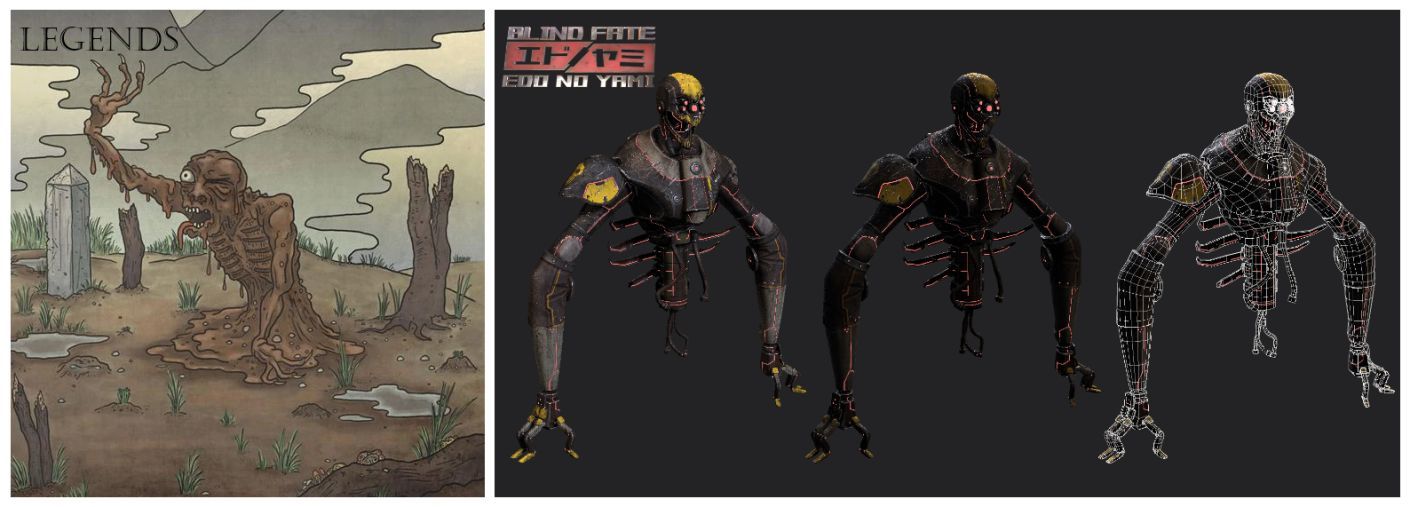
In some of those cartoons, just like in Blind Fate: Edo no Yami, the protagonist’s adversaries were machines shaped like the creatures from Japanese folktales.
What is the meaning of the “samurai way” in the game? That is, how important is this concept here compared to, for example, historical reality?
We imagined that post-apocalyptic Japan could witness the rise of a new samurai period.
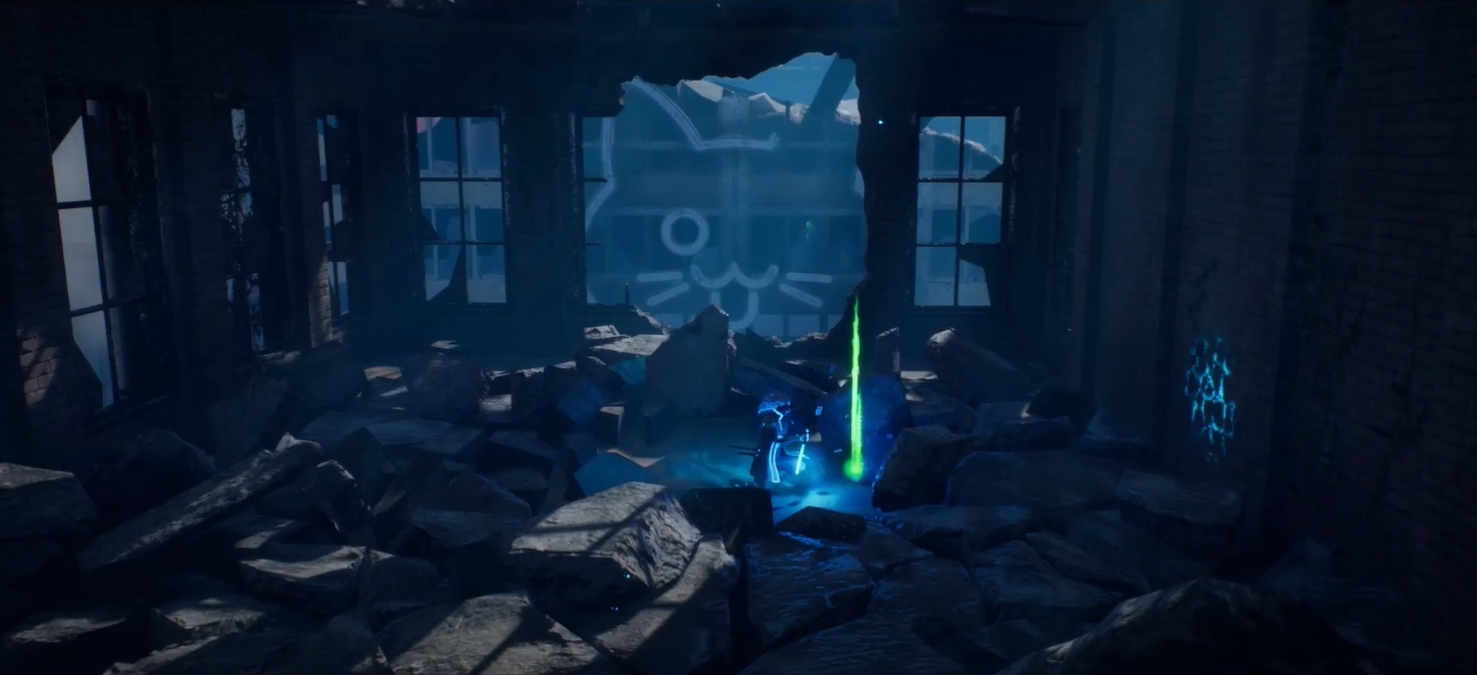
Due to forced isolation from the rest of the world and the need to have loyal champions to protect the survivors, the old class of noble warriors was reborn and Yami represents his brothers in arms quite perfectly: endlessly loyal to his Shogun, he knows that his role is to obey and oppose the ever-present mechanical menace.
Who served as the prototype for the main character? Does the protagonist share any traits with a member of the development team or maybe a notable historical figure? Are the players supposed to see something of themselves in their in-game alter ego?
Both as a game and as an individual character, Yami is a mix of different references originating in video games (Strider, Mark of the Ninja, Shinobi...), movies (Zatoichi and Blind Fury), and animes.
Another trait, especially noticeable during in-game dialogues and cutscenes, is his sarcasm which might have been inspired by someone on the development team, but we are not going to point any fingers…
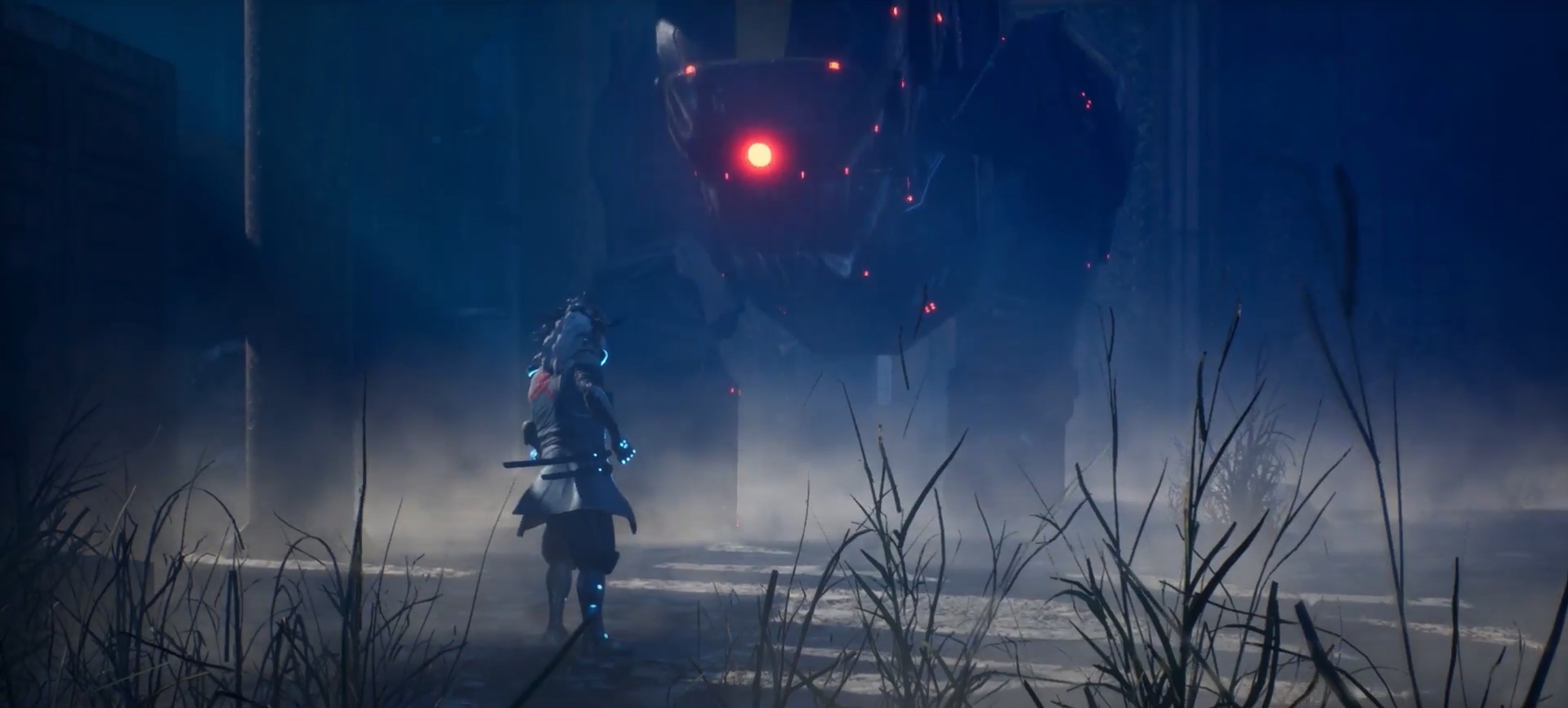
Players will discover more of the New Edo as Yami makes his way through the game’s story and, perhaps, even sees things from different perspectives.
What determined the choice of the particular engine used for this game? Did it offer the best prospects when it comes to high-quality graphics or was it something else?
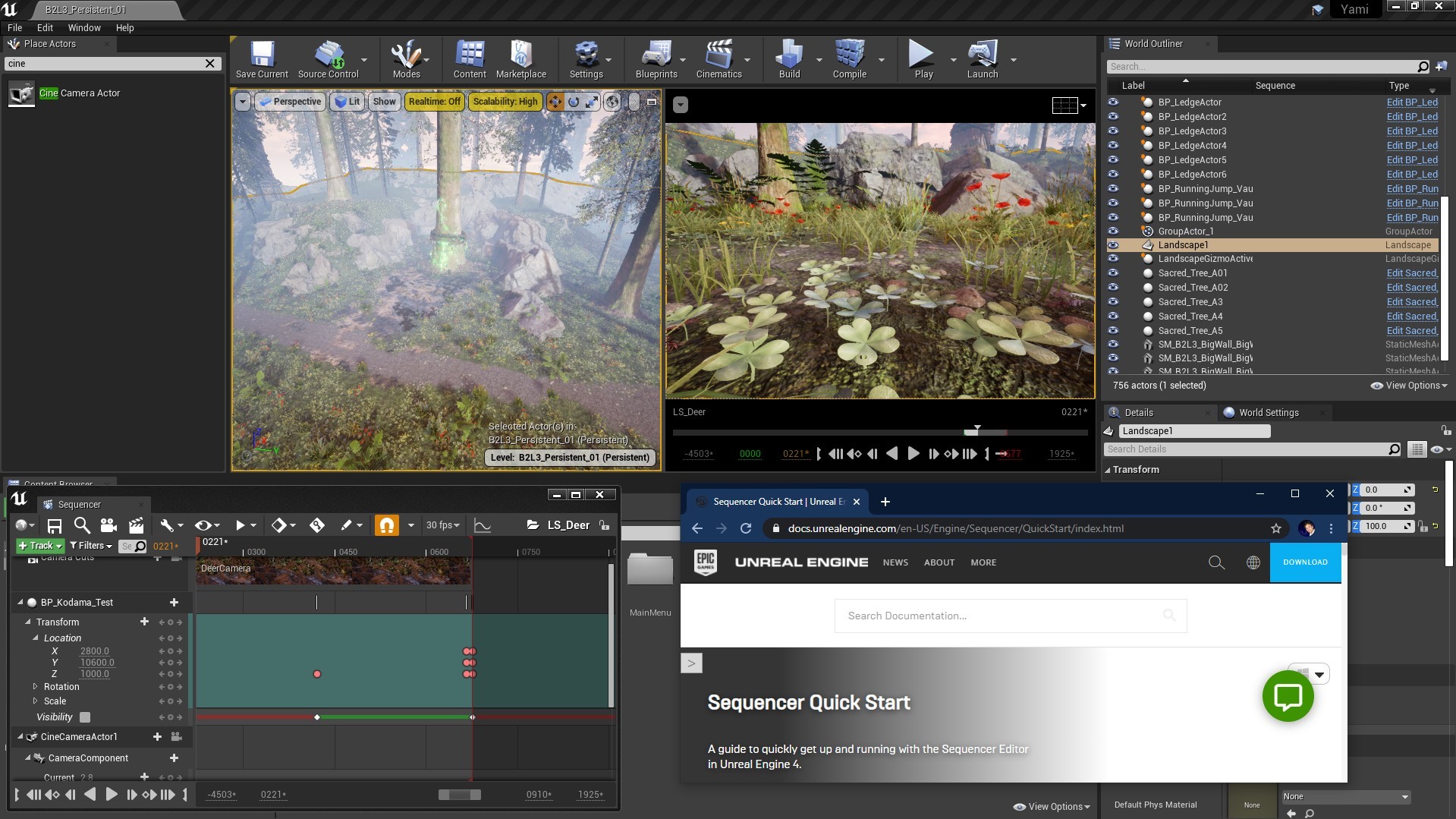
We've been using Unreal Engine for the past 6 years and have also developed and published HyperParasite with it, so when the time came to decide what engine to use for this new project it was a no-brainer. UE4 allows us to express our full potential when it comes to graphics, atmosphere, etc.
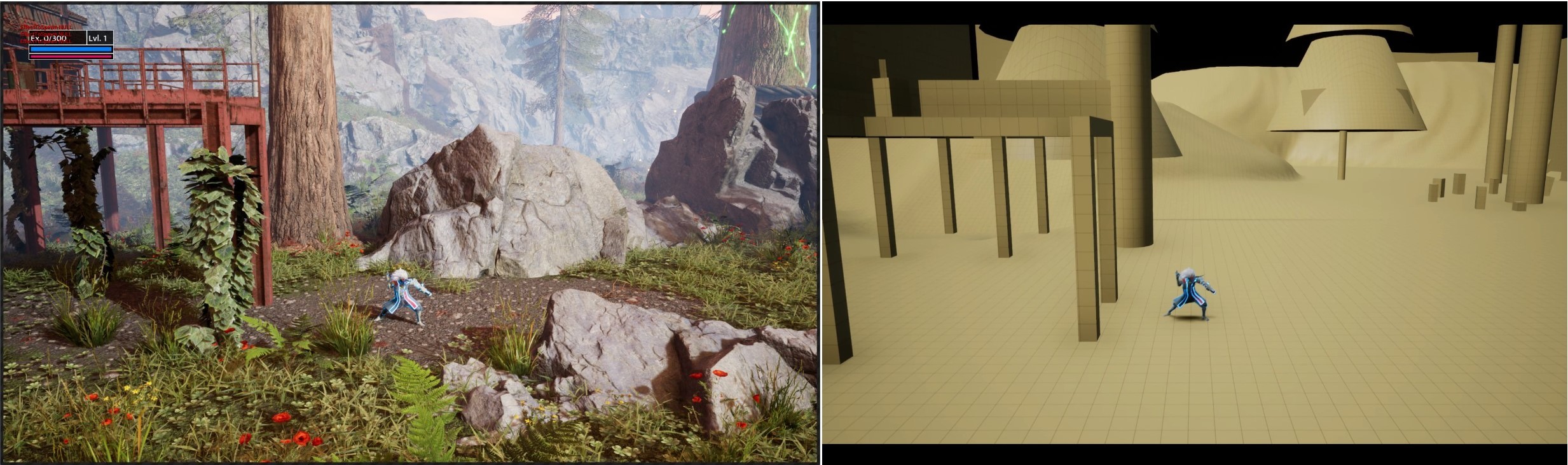
What stage of the development are you currently on?
We're not operating in a linear fashion when it comes to certain aspects of the game - some of us are already working on more advanced parts of the story/gameplay, while the core mechanics have already been implemented and are presently being polished and expanded upon. There could even be a playable demo released sometime in the nearest future.
Stay tuned and add the game to your wishlist! Follow and subscribe to our social media to stay up to date with the project’s news.