
Factors to consider when defining the size of every room
Every GM who makes their own maps had faced the situation of creating new rooms and environments for their players to venture into, but often this causes discomfort or confusion, some of them seem little strange or a certain feeling that that is not right, so we decided to share tips with you!
Room sizes can range from a broom closet to even a grand palace hall, but you don't see apartment-sized broom closets out there and the reason is that every room has a purpose, a reason why it makes sense and justify its size. As a game master you must think about the context of the room and for what purpose it is used, a dining room makes more sense next to a kitchen than after a bedroom, have you ever imagined the idea of your guests passing through your bedroom before leaving?! Doesn’t make sense.
A factor to consider is the size of the rooms, whether they are small or huge the rooms they must have some logic behind them and must respect the external size and proportion of the adjacent ones, no room can be bigger than its outside well, not without magic at least. It's worth to thinking awhile about the use of that space, if it's a dining room or a kitchen that had a big table, the place should be big enough to accommodate all the characters, they have to walk through and give more space for the characters to interact, even more in a place where a possible combat can occur, since several characters will pass and will interact with the objects and each other.
Combat is always a factor to think about since it is one of the biggest reasons for making a map, of course there is all types of maps with every type of function, but it is a really important factor and it actually helps the immersion in the battle time.
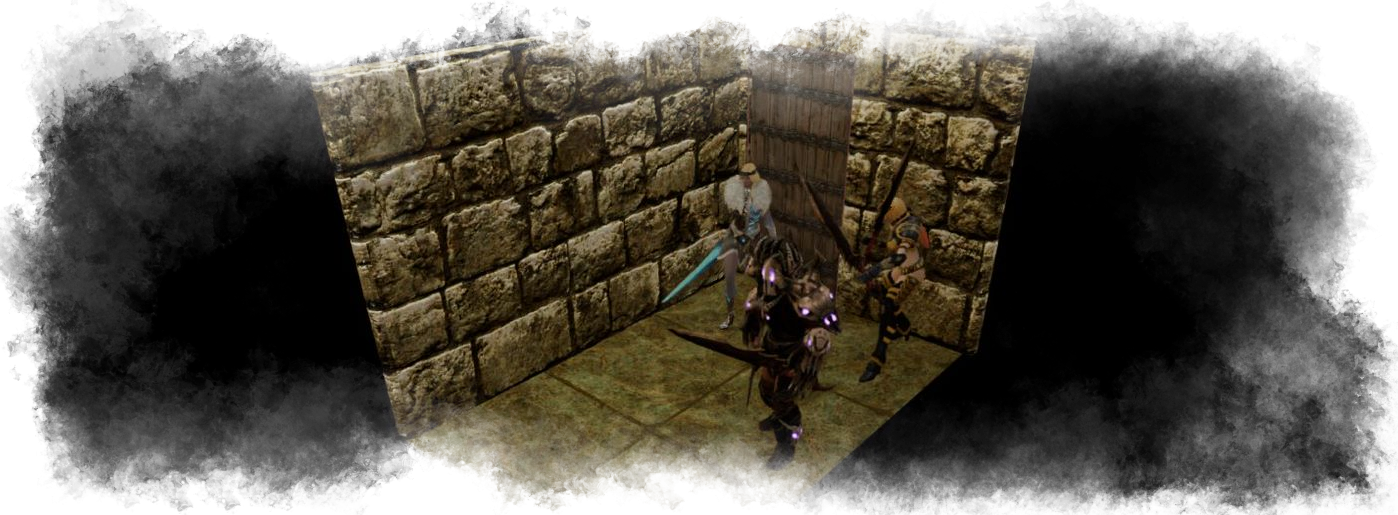
SMALL
These rooms are more complicated when it comes to creation, given their tight spaces or the lack to space to place objects or furniture, letting the “empty” feeling. This type of room is good for hiding traps since it has only one path to keep it on.
If you prefer a more open play style, you can introduce other rooms leaving more open possibilities at the dungeon. These rooms range from 2x2 tiles to 4x4 tiles and are perfect for closets, hallways, cells and secret passageways.
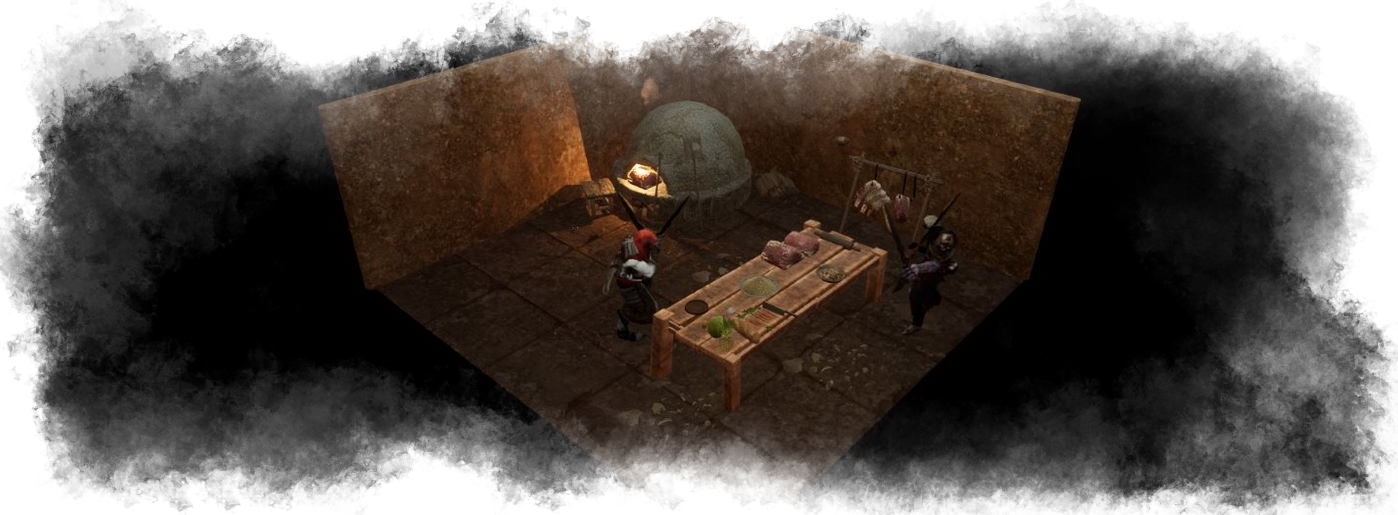
AVERAGE
The average ones generally range from 5x5 to 7x7 tiles, these are the best for environments with some furniture, as they have space for you to place objects, they make good bedrooms, kitchens, ritual rooms, treasure room among many other rooms. Is good to keep in mind that size usually comes related to the size of the creatures that live there, an “average” can be “small” if a creature is huge or colossal, or it can end up being a little too big for fairies and imps.
Battles in this room will still be a problem for mobility, due to the amount of objects in the place mobility can be compromised and friend fire can occur, in the other hand this can be a facilitator for creative players, as they can use the furniture or objects to their advantage.
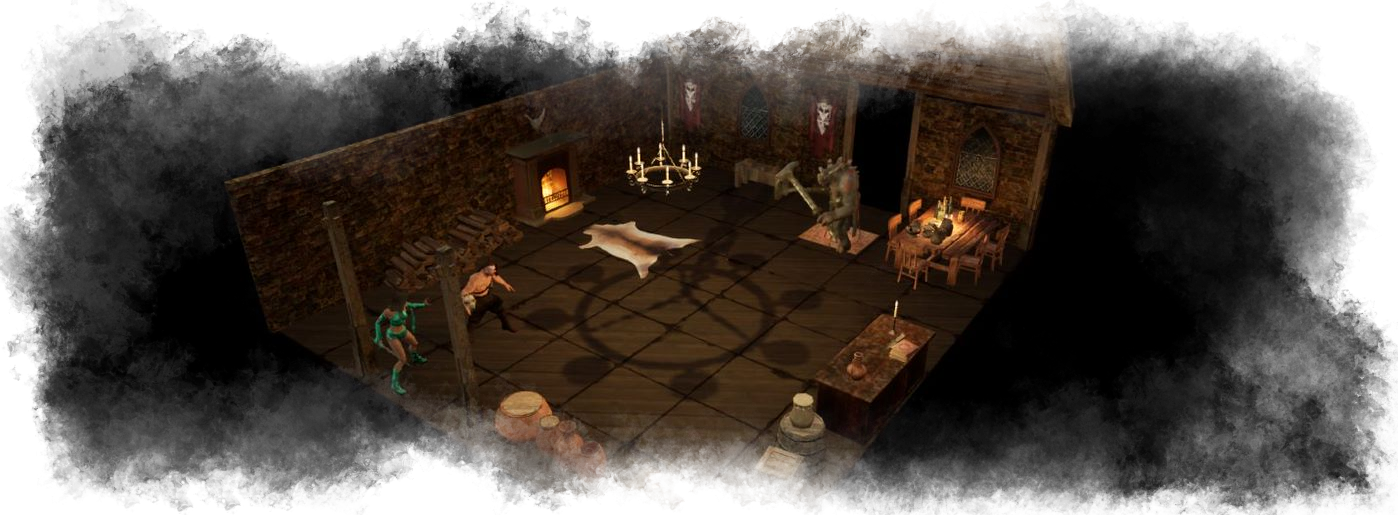
HUGE
Huge places can be as much of a problem as the small ones, for different reasons, since the DM will have to spend a lot of time accommodating each thing and having ideas to fill up the place. These maps allow some randomness between players, since they can spread out and do anything far away from each other, maps of size 8x8 or more make good courtyards, castle halls, throne rooms, tavern or ballrooms. They also have a sense of grandeur and majesty, but if not furnished well they can transmit a sense of emptiness.
Every type of room has its function, just have a little balance and creativity and things should go naturally and remember that there is no right or wrong and each situation will require you to change your strategy, after all you must follow your instincts and make the place as you imagine.
Good rolls and we see you all soon!
https://store.steampowered.com/app/1068500/Multiverse_Designer