
The heavy castle doors open before you, revealing a large room ahead:
- Majestic crimson tiles decorate a straight pathway through the room
- The walls were carefully crafted in ancient dwarven architecture
- At the other end of the room, an old throne stands tall
This throne room was once a magnificent place.
It had been built in the early days of the kingdom that had once stood here, and it was glorious to behold. The throne itself was carved from a single piece of oak and stained dark with age.
The walls were adorned with tapestries and paintings, depicting the deeds of the kings who had ruled here before the last great war came to pass.
But now the place is ruined and the walls are crumbling.
The tapestries are tattered, their colors faded by time and neglect. The paintings are cracked and withered with mold, and most have been torn down by scavengers looking for scrap metal or some other valuable trinket they might find hidden in the dark.
There is no king here anymore.
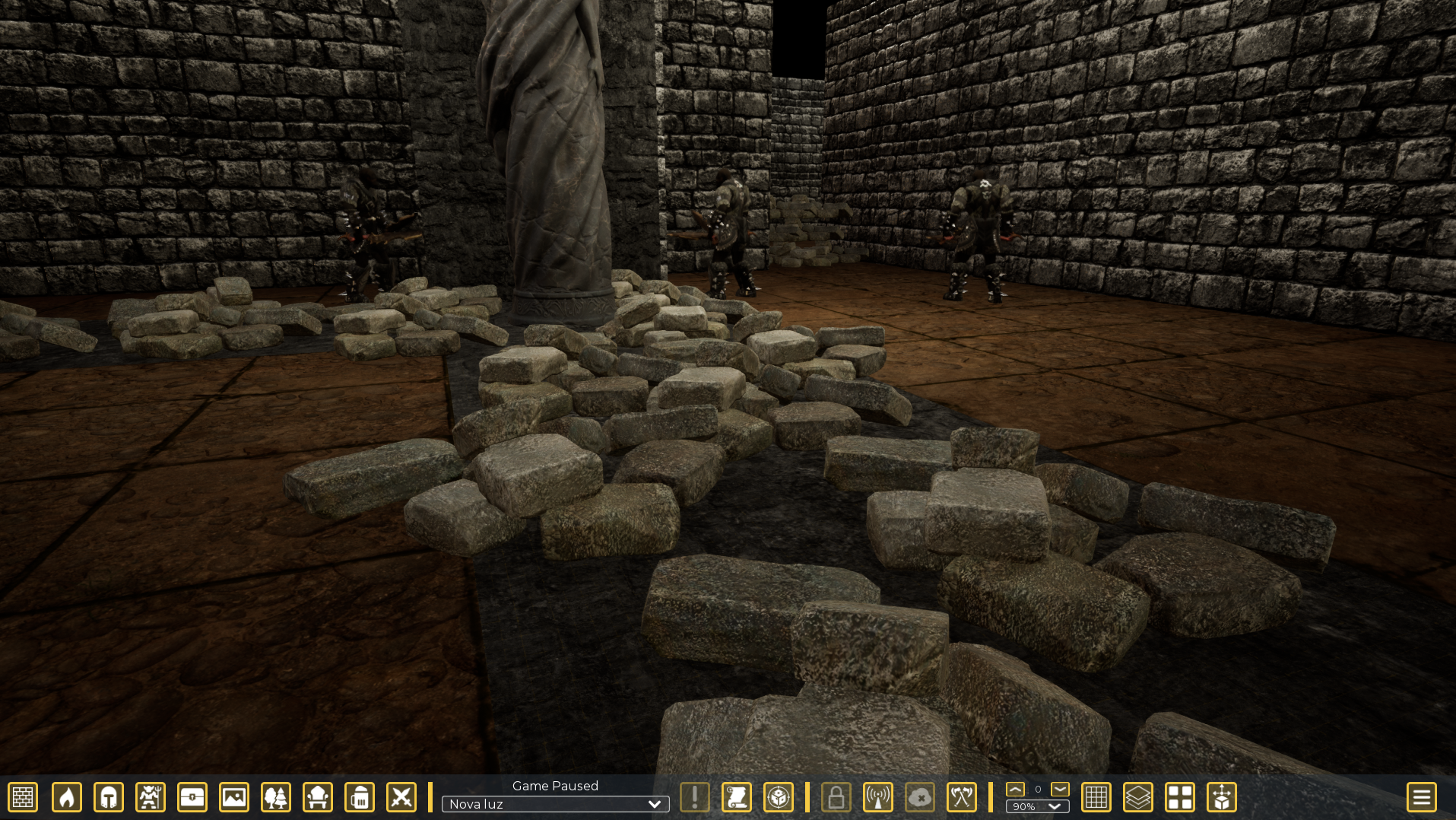
ENVIRONMENT CUSTOMIZATION
Experienced Game Masters often take advantage of the environment as a tool for storytelling. During an RPG session, architecture is directly related to character immersion within the plot.
When we started Multiverse Designer we wanted it to be an auxiliary tool for GMs, but we soon realized how important it was to offer a variety of colors, textures, and patterns for buildings and walls.
3D environments without realistic textures look dull. Repetitive patterns on floors/walls get in the way of immersion and hurt the overall experience.
We understood that to achieve a higher immersion level, we would need to allow for GMs to customize not only the shape of buildings but also the textures on the walls and terrain.
To solve this problem, we came up with a new feature called Environment.
Now Game Masters can create unique environments using an in-game editor to build anything they might come up with: fancy palaces, stone ruins, marble temples, or ice caves. You name it.
This feature supports an ever-growing library of top-quality textures by Quixel.
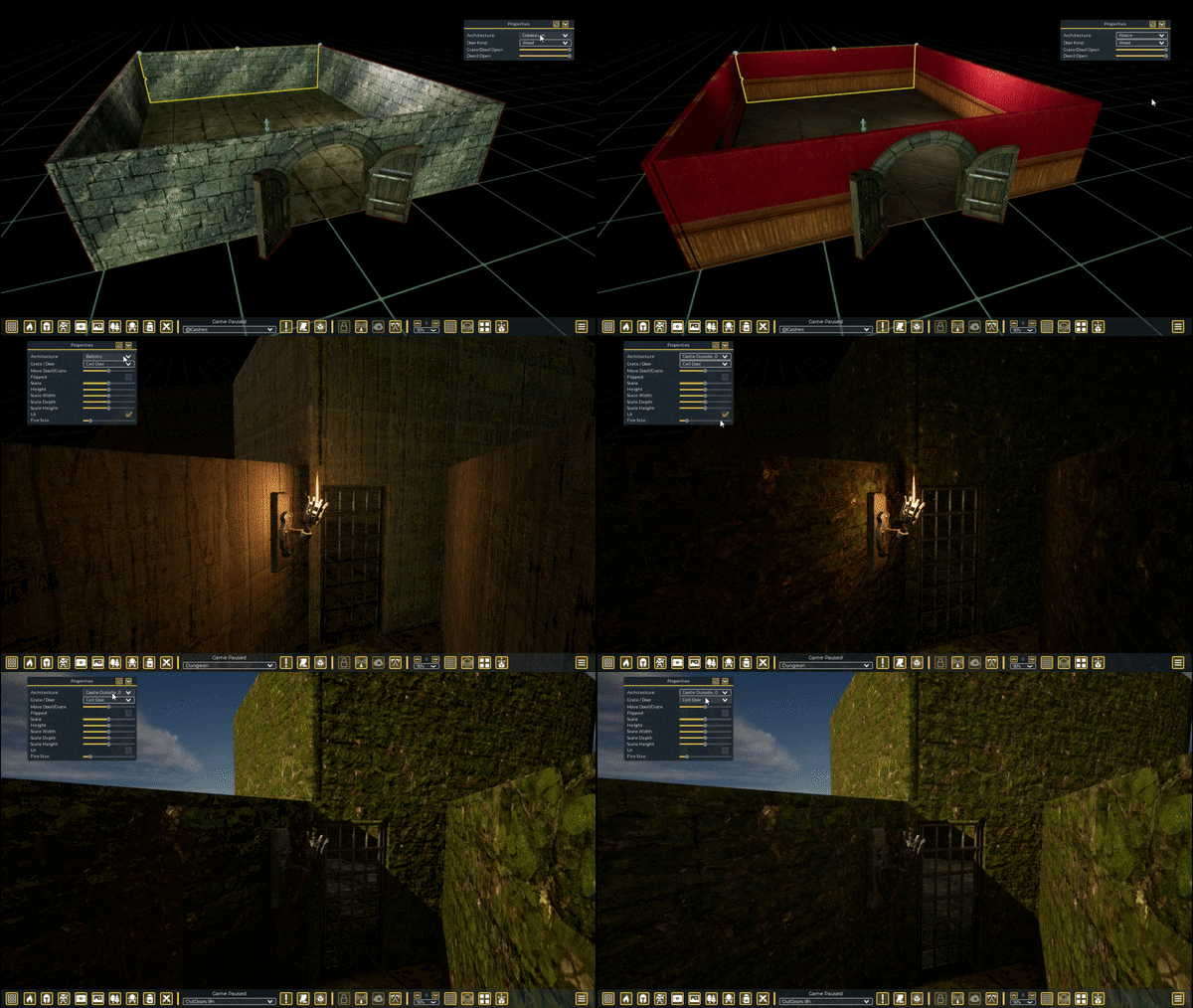
It goes beyond simple editing tools. You can mix different textures to create new ones and fully customize color options like hue, shade, opacity, saturation, adherence to texture, and more.
This type of freedom makes a real difference to create plausible situations and rich scenery.
Every time players use a generic Virtual Tabletop to aid them in a game session, they fall prey to a lack of variety in details and the scene looks boring.
We wanted to counter this by giving GMs the ability to build unique settings to keep players' attention bound to their multiverses.
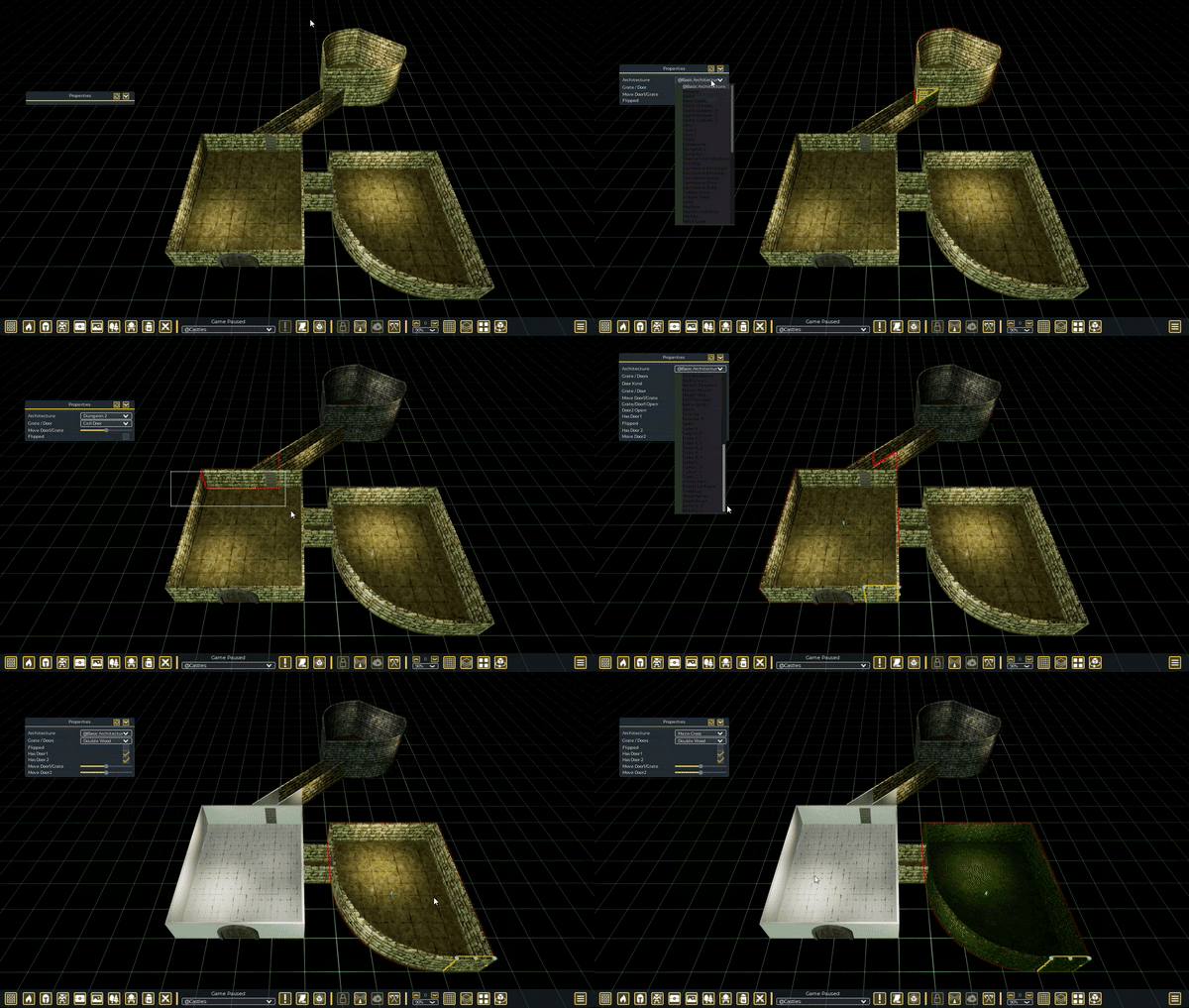
Let’s not forget that these textures are highly affected by lighting.
Unreal Engine 5 achieves a photorealistic level of lighting, which opens up a new world of raw potential for storytelling.
A whole new level of immersion is added when Game Masters are mindful of lighting controls in their adventures. Not only to set a thriller ambience in a dark dungeon but also to create gameplay interactions and mechanics.
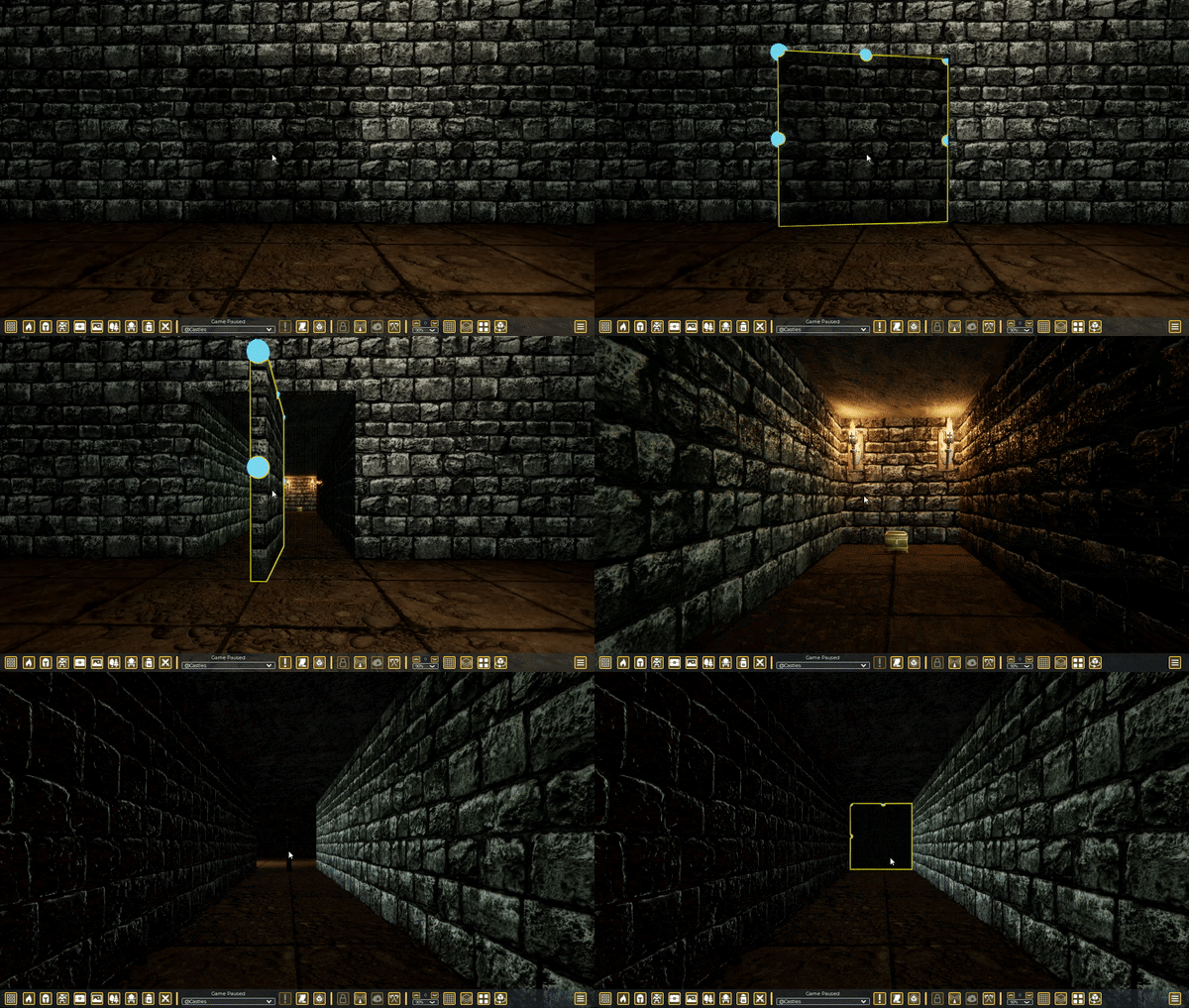
By correct use of torches and other lighting sources, the skillful GM could set a wooden chest in a poorly lit room against a wall with the same wooden texture. Depending on character angle or player awareness, the loot chest can be hiding in plain sight.
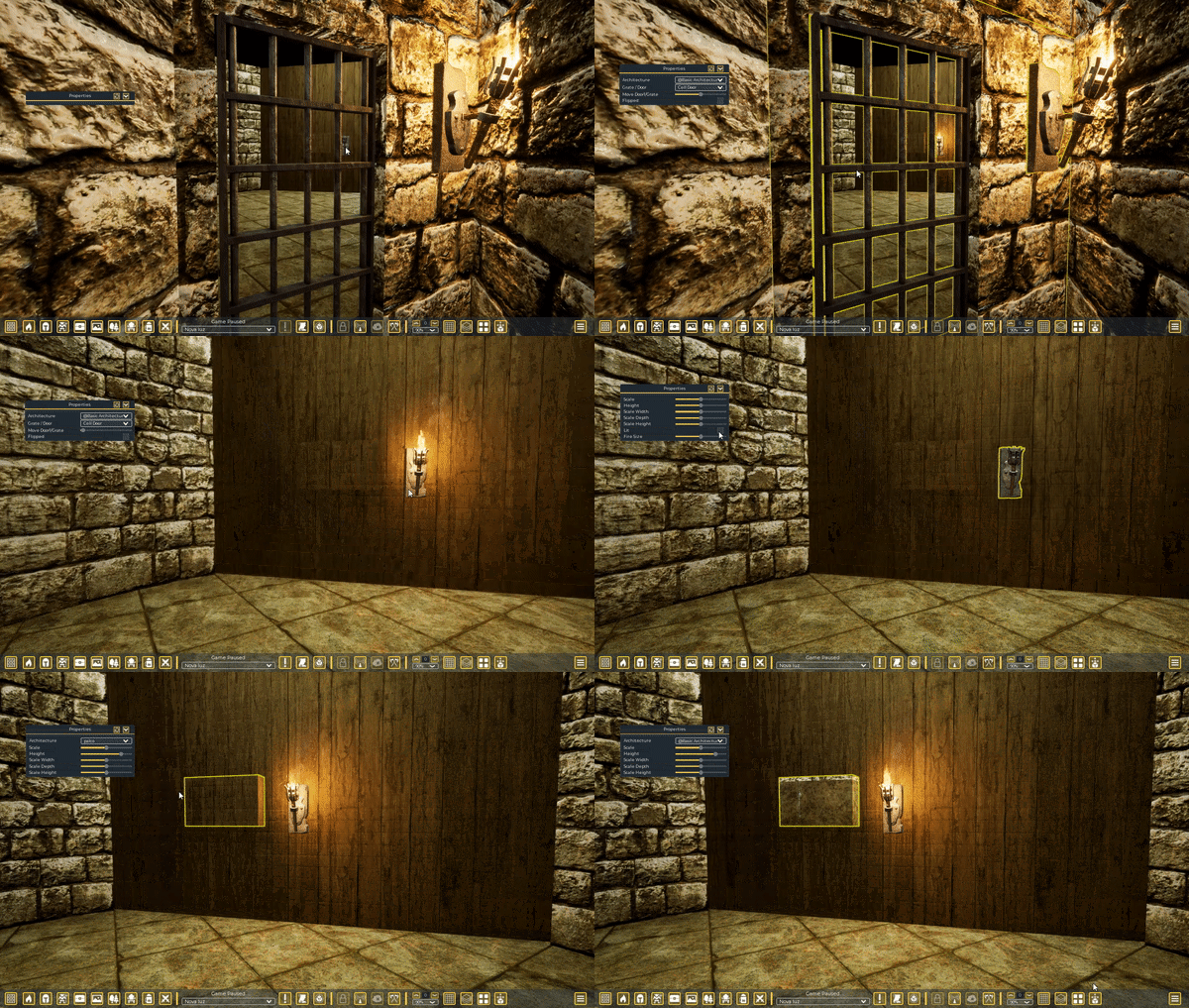
There are so many good ways of using different shades of lighting to reveal/hide something from your players.
One of our favorite ideas is actually a classic trick. GMs could use a slightly different coloring to draw attention to a specific object. This acts as a visual tip to encourage player exploration and interaction.
A simple wall could easily turn into a secret passageway, if the player is lucky enough during dice throwing.
Thanks for reading, and stay tuned for more updates! If you want to help us, Wishlist and Follow the game here on Steam -- and let your friends know about it!
https://store.steampowered.com/app/1068500/Multiverse_Designer