
Welcome adventurer!
This is the first entry on Multiverse Designer development diary. It all started in March 2020 when we were forced to home office. I always had a dream of building a tool that would allow me to tell the stories I want to tell to my players. Having worked my whole life as a programmer I always had a passion for computer games. However with every game I played, I felt that something was missing. I wanted immersion but in a way that a game cannot provide. I wanted to talk to the NPC's, get to know their fears, their dreams, their ambitions, and that is of course impossible in a computer game environment.
However, this is perfectly possible when playing tabletop roleplaying games! But alas, it leads to a problem: most adventures played in the tables around the world are made up of a small story and lots of combat. If you stop to think about any fantasy movie, combat is important but it never uses more than 15% of the movie's time. What makes a fantasy story interesting is the plot, the characters, their ambitions, what happens in the world and the world itself.
And then there's a trap naturally born in any RPG you play, no matter how much storytelling it has: every RPG needs rules. Without rules, there is no game. Simple rules cause problems and often create unlikely situations because they fail to take details into account. Complex rules also cause problems because you spend hours and hours looking at rules and checking details on something that should have been fixed in a few seconds.
How many times did you spend 3 hours in a combat that takes 30 seconds in game-time?
How many times someone was able to do an impossible action just because a rule is not detailed enough?
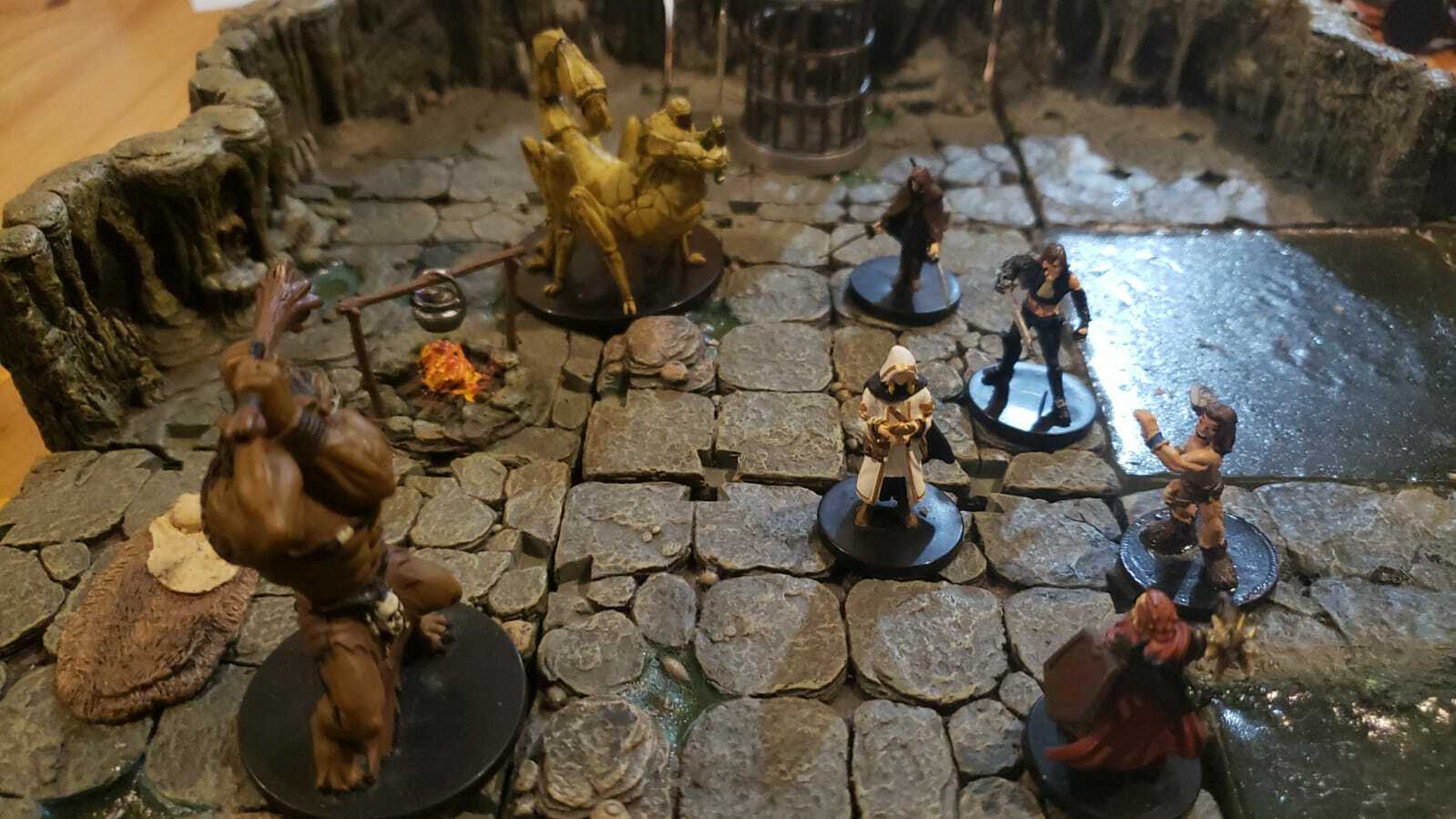
Cutscene. The year was 1997 and, at the time, I had an RPG translation company. Because of this, I was invited to a product launch party, where I had the opportunity to talk to Mr Dave Arneson for a while and he told me something that I have never forgotten: that he and Mr Gygax never imagined that the rules would be as big as they are now and that the only possible way to go forward with that would be to take those complex rules and run them using computers.
I then realized that the only way to reconcile the need for complex rules with fun and the little time we have to play is to automate it using a tool. I have been playing as a GM since 1985 and for years, my players and I have tried to use automation tools at the game table but these tools either are simple ordering tools or require you to input player positions and actions and it is impractical to input every action of every character.
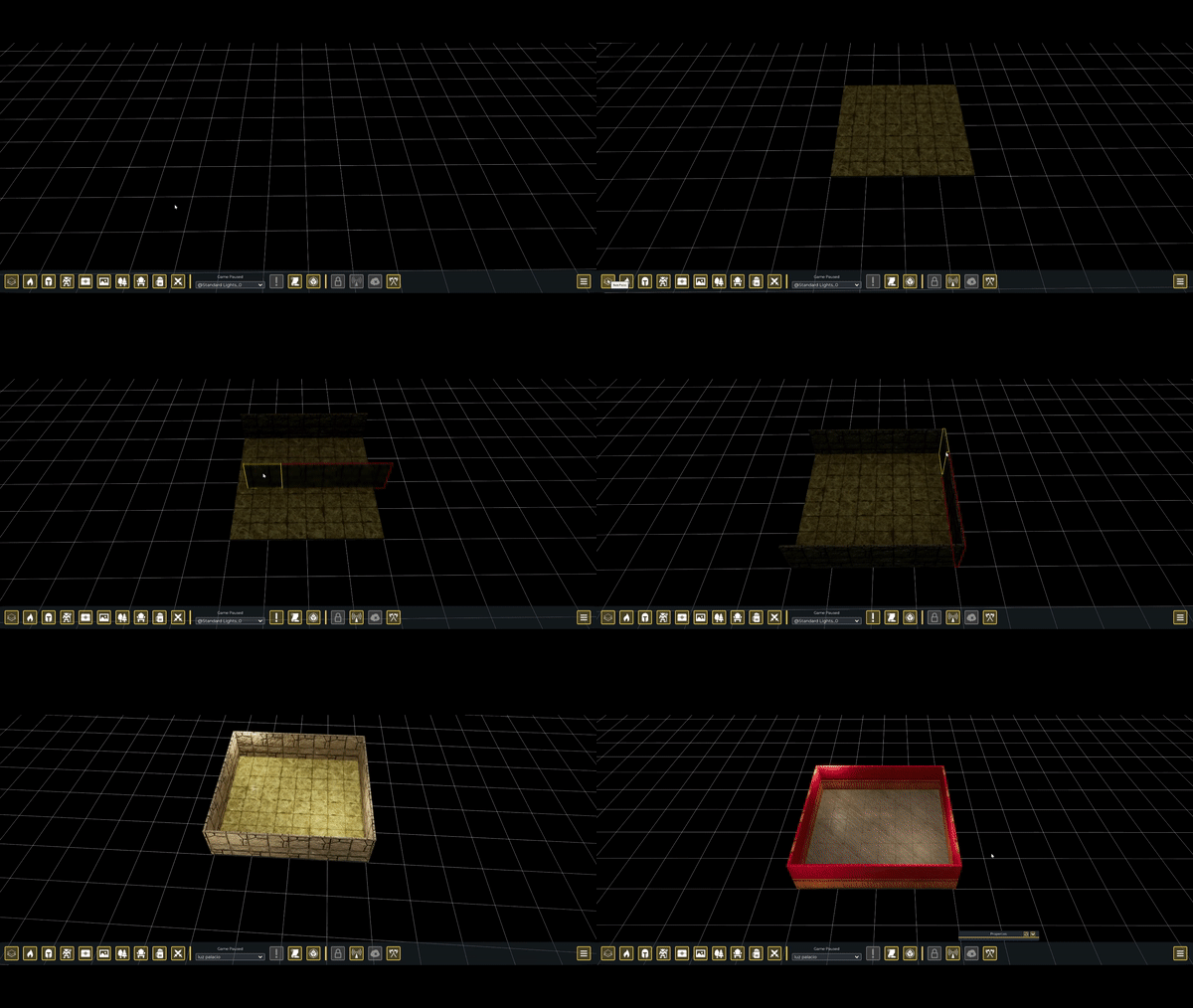
I wanted a tool that at the same time allowed me to show to them everything that was in my imagination, but also automate the rules of the game.
It soon became clear that I could build this tool that would use the internet to connect RPG players. It didn't take long for the ideas for a powerful rules engine to emerge, which would be complemented by a world creator with lighting and environment customization, prepared for automated generation, and an editor that would allow the GM to tell his story the way he wanted. as immersive as possible. These ideas ended up becoming the main features of Multiverse Designer, which may look like a video game, but in fact it is a tool, or better yet, a storytelling engine.
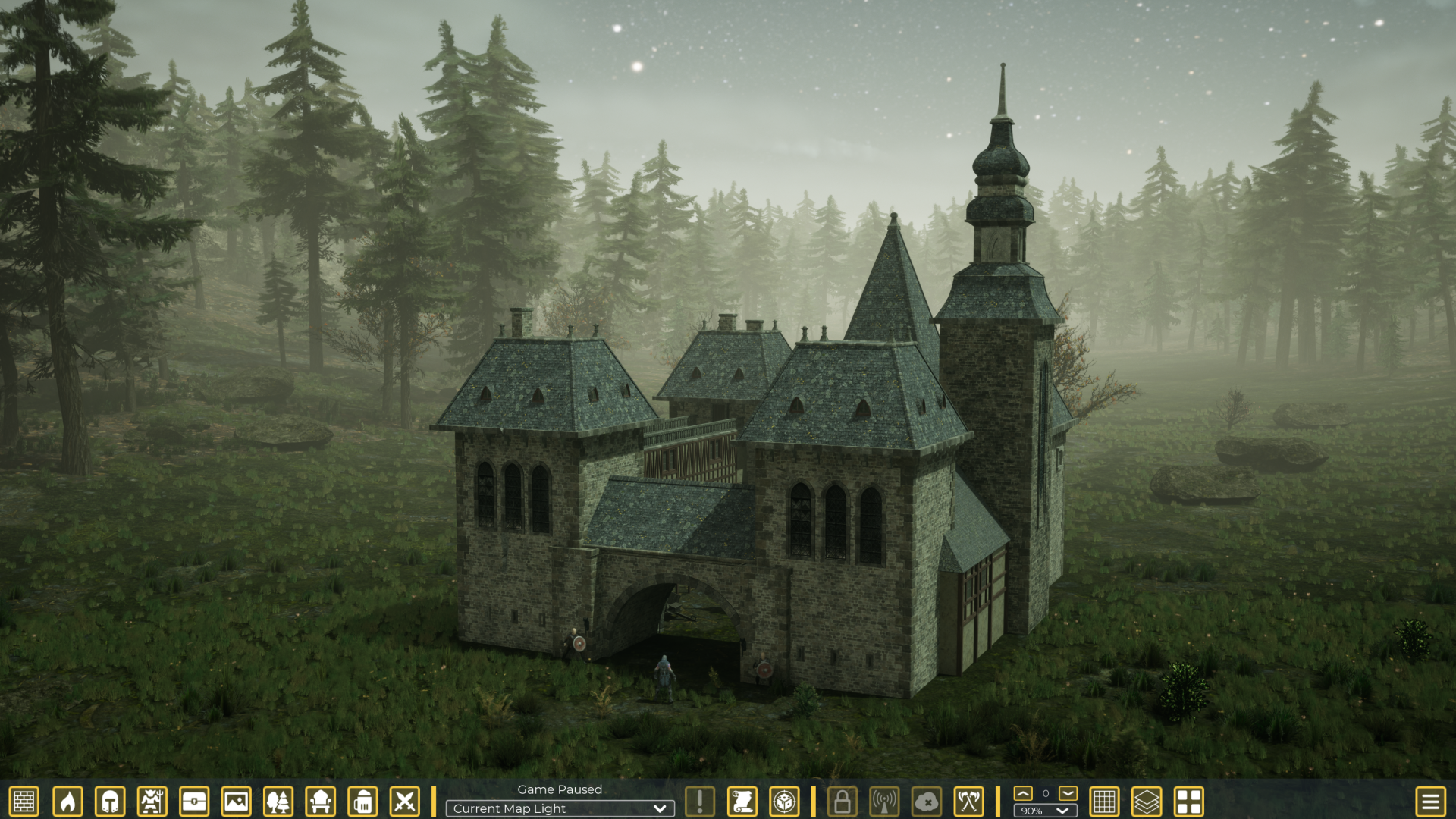
From now on, we will start posting regularly here, to tell you in detail what we're doing and how we're managing to assemble this engine. We'll talk about rules, mysterious dungeons, big cities, great forests and great villains. Stay tuned!
Create Worlds. Live Adventures. Battle foes. Be a Hero.
If you want to help us, Wishlist and Follow the game here on Steam -- and let your friends know about it!
https://store.steampowered.com/app/1068500/Multiverse_Designer