Cargo hold bug fix
We fixed a rare but reported issue where even after emptying the rover's cargo bay, it would remain occupied.
We fixed a rare but reported issue where even after emptying the rover's cargo bay, it would remain occupied.
We fixed a rare but reported issue where even after emptying the rover's cargo bay, it would remain occupied.
We fixed a rare but reported issue where even after emptying the rover's cargo bay, it would remain occupied.
Some texts in the Database interface did not fit on the right side - the problem has been fixed
Some texts in the Database interface did not fit on the right side - the problem has been fixed
Fixed FPS limit setting bug
Fixed FPS limit setting bug
- Some minor hotfix in UI
- Some minor hotfix in UI
- Map discovery logic changes - we've changed the way the discovered portion of the map is calculated, which should eliminate an issue that sometimes left the Fog of War visible. - Numerous UI fixes - Translation and text corrections - Save system fixes - Fixed the display of app
- Map discovery logic changes - we've changed the way the discovered portion of the map is calculated, which should eliminate an issue that sometimes left the Fog of War visible.
- Numerous UI fixes
- Translation and text corrections
- Save system fixes
- Fixed the display of appropriate buttons in the menu
- Further game performance improvements
- We've implemented a quick performance fix (so it doesn't squeeze the graphics card to its limits). - We've also blocked pop-ups in the base view. They duplicated information from Base Expansion and were fundamentally confusing and disruptive to gameplay. In response to player f
- We've implemented a quick performance fix (so it doesn't squeeze the graphics card to its limits).
- We've also blocked pop-ups in the base view. They duplicated information from Base Expansion and were fundamentally confusing and disruptive to gameplay. In response to player feedback, we've blocked them from appearing.
- Improvements to UI display - Improvements to window adjustments to different screen aspect ratios - Fixed some minor bugs
- Improvements to UI display
- Improvements to window adjustments to different screen aspect ratios
- Fixed some minor bugs
🚀 Project: Aurora – Mission Start! The Game is Now Available! Greetings, Captains! The day we’ve been waiting for has finally arrived. Project: Aurora has officially landed on Steam! What began as a vision of an expedition to an unknown planet is now becoming your reality. Auror
Greetings, Captains!
The day we’ve been waiting for has finally arrived. Project: Aurora has officially landed on Steam!
What began as a vision of an expedition to an unknown planet is now becoming your reality. Aurora is not as dead as it might seem from orbit. As leaders of the research mission, you carry the responsibility for your crew's fate, survival in extreme conditions, and solving a mystery that could change humanity's place in the cosmos forever.
In the full version of the game, you will find everything we’ve been working on over the past few years:
Base Building and Management: Expand refineries, laboratories, and power plants to keep your mission alive.
Science-Based Exploration: Utilize authentic research methods in biology, geology, and physics to understand an alien civilization.
Tough Moral Choices: Manage not just resources, but people – face diseases, paranoia, and the consequences of your own decisions.
Cosmic Horror: Discover what happened to the previous expedition... and why their last signal was so terrifying.
To celebrate the debut, Project: Aurora is available with a 25% launch discount for the first two weeks! There is no better time to join the mission.
Launch day is just the beginning of a new journey for us. We will be carefully reading all your feedback. Every review you leave on Steam is incredibly important to us – it helps us grow and develop Project: Aurora even further.
Are you ready to face the unknown? Aurora is waiting.
See you on the surface, The Tesseract Games Team
From the start, we wanted Project Aurora to feel like real exploration – not just a sci-fi adventure, but a mission where you slowly reconstruct an unknown civilization through evidence. That’s why the game is heavily inspired by real scientific disciplines, especially archaeolog
From the start, we wanted Project Aurora to feel like real exploration – not just a sci-fi adventure, but a mission where you slowly reconstruct an unknown civilization through evidence.
That’s why the game is heavily inspired by real scientific disciplines, especially archaeology, physics, and biology.
Archaeology shaped our main design philosophy: you never get the full picture at once. Instead, you discover fragments and try to build meaning from them.
In gameplay terms, that means:
you send expeditions into the field
you find observations or physical artifacts
you bring samples back to base
and analyze them in the lab
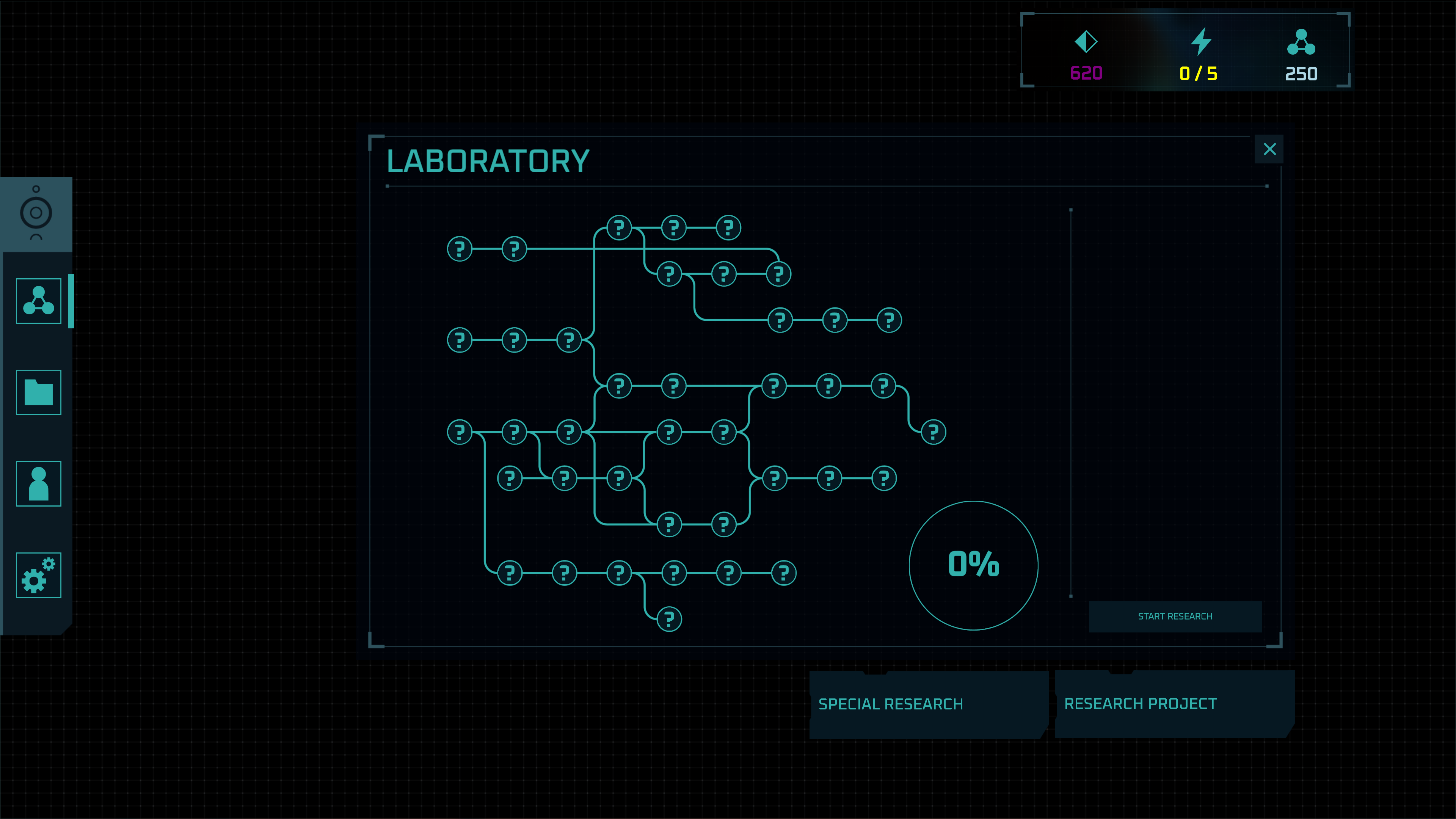
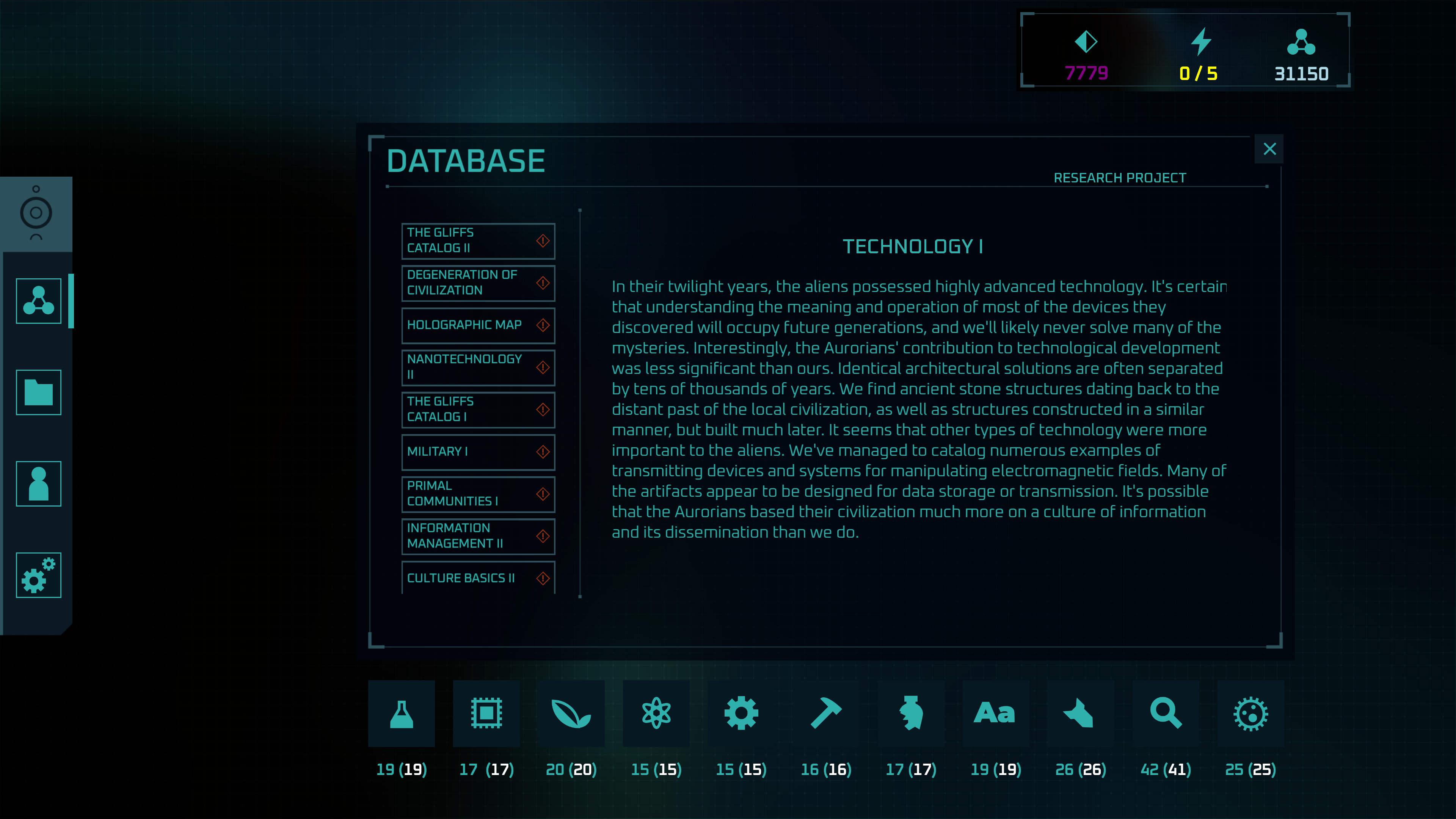
Everything you uncover is stored in your mission database, organized into research categories.
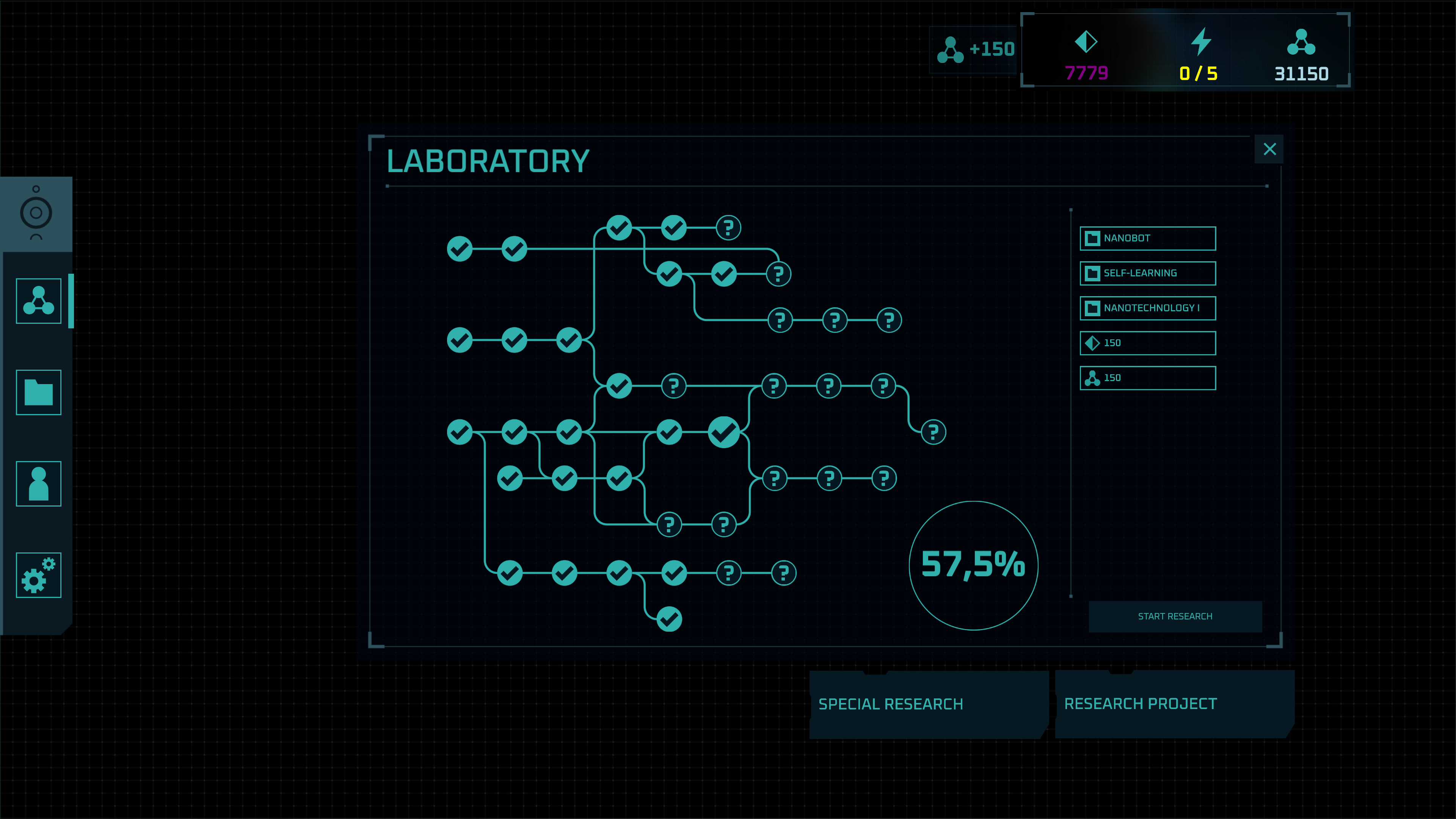
One of our key systems is the Research Project Panel, built like a branching hypothesis tree.
Instead of unlocking upgrades, you unlock theories by combining discoveries that logically support each other.
For example:
To form a hypothesis about Aurorian Culture, you’ll need evidence like alien tools, figurative sculptures, and anatomical research.
To understand Aurorian Technology, you might need antenna remains, electromagnetic devices, or signs that they used electricity as a form of communication.
This system is designed to reflect how real researchers work: connecting incomplete discoveries into something meaningful.
Aurora isn’t only mysterious – it’s dangerous.
We introduced unknown alien illnesses that can’t be treated immediately. When a crew member gets infected, treatment is locked until you research the disease in the lab. Only after completing the analysis can you unlock the cure.
These diseases are stored as “Unknown Disease”, and the player can name them however they want.
 What We’re Most Proud Of
We’re especially proud of the Aurorians themselves. We designed them from the ground up as a believable lifeform first – defining their environment and biology – and only then building their culture and technological evolution step by step.
The goal was simple: make an alien civilization that feels logically possible.
From the beginning, we didn’t want random events to feel like a simple loop of “something bad happens, fix it and move on.” In many games, these moments are isolated — a problem appears, you resolve it, and the system resets. In Aurora, events are not just obstacles to clear. The
From the beginning, we didn’t want random events to feel like a simple loop of “something bad happens, fix it and move on.” In many games, these moments are isolated — a problem appears, you resolve it, and the system resets.
In Aurora, events are not just obstacles to clear. They’re situations that force trade-offs, reflect the state of your expedition, and shape what happens next. Every decision carries weight: addressing one issue might mean neglecting another, slowing progress might protect your crew, while pushing forward can keep momentum — at a cost.
Aurora is a dangerous place to operate. Your crew is working often under pressure, sometimes with limited resources. In that kind of environment, accidents are inevitable.
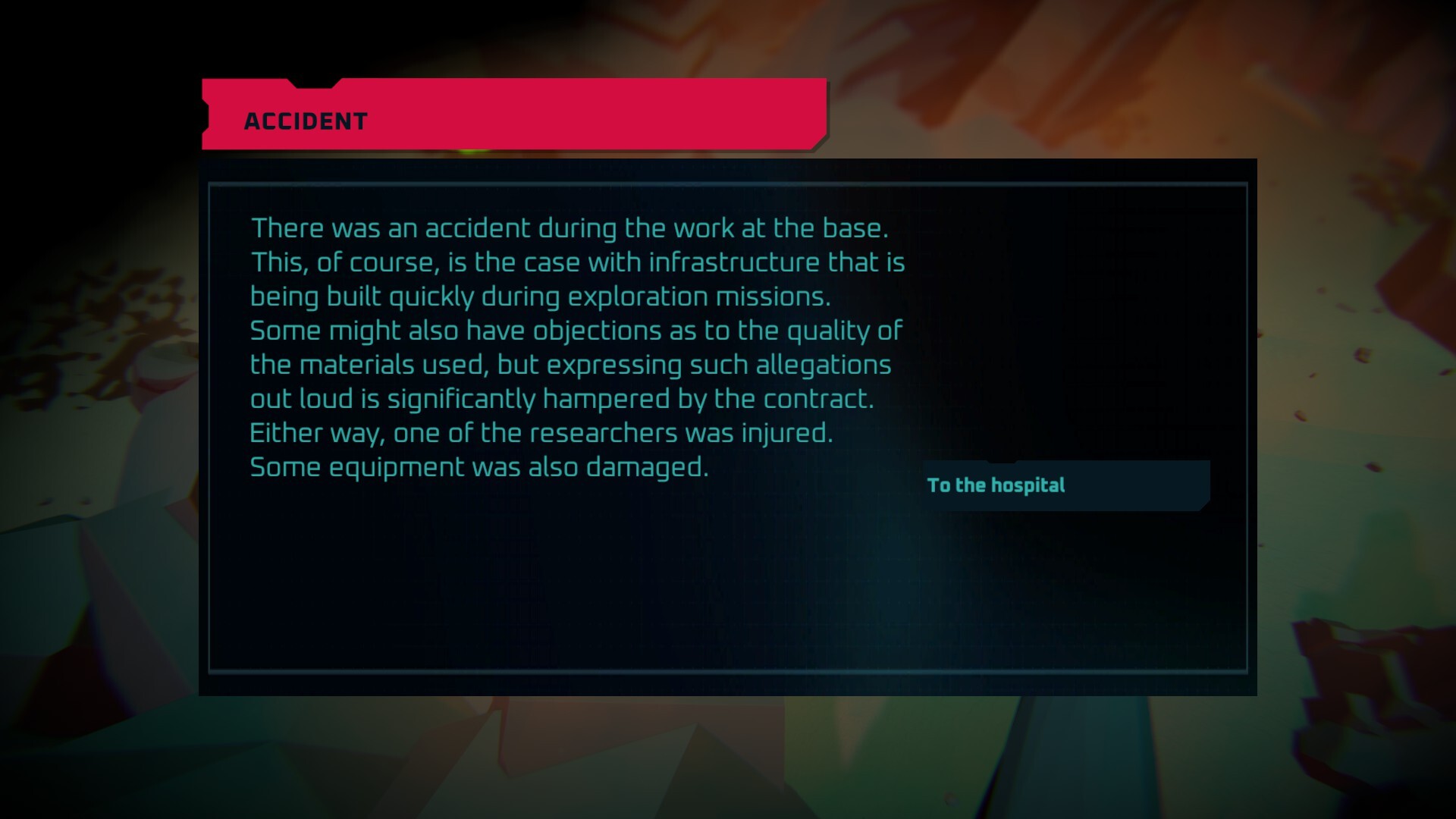
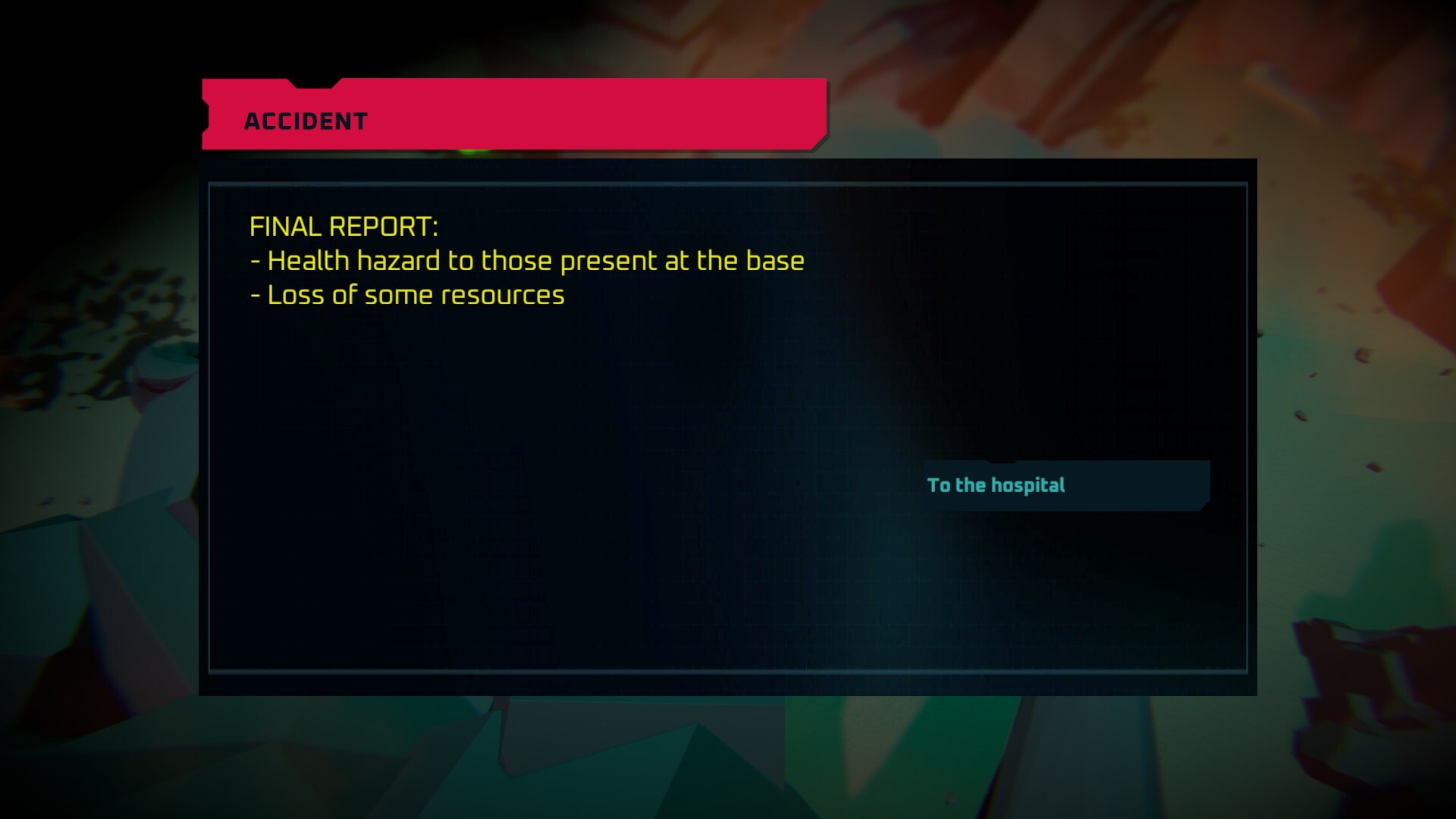
One example we’re sharing shows a fairly simple situation: an accident during work at the base. A researcher gets injured, some equipment is damaged, and in the final report you see the actual consequences — a health risk for the crew and a loss of resources.
On paper, it’s a small event. In practice, it’s exactly the kind of moment that defines how the expedition feels.
What matters to us is that these events reflect the state of your colony. If you’re rushing construction, relying on questionable materials, or pushing your team too hard, problems will start to appear. Not as one big failure, but as a chain of smaller ones that slowly build pressure.
And when something goes wrong, the player is forced to react. Do you slow things down and take care of your people? Do you focus on salvaging what you can? Or do you keep pushing forward, accepting the risk?
We also want these situations to feel grounded, but with a subtle sense that not everything is fully under control. Sometimes an accident is just an accident. Sometimes… it might not be.
These moments aren’t just there to challenge the player — they help build the tone of Aurora. The expedition doesn’t collapse in one dramatic event. It gets tested every day.
The goal is simple: even small incidents should matter and leave a mark.
Because on Aurora, they always do.
When we started designing exploration in Project Aurora , we knew we didn’t want it to feel automatic or predictable. Discovering something new should come with a bit of tension. The sense that what you decide next actually matters. As you move across the map, you’ll come across
When we started designing exploration in Project Aurora, we knew we didn’t want it to feel automatic or predictable. Discovering something new should come with a bit of tension. The sense that what you decide next actually matters.
As you move across the map, you’ll come across areas that require specific expertise. A strange mineral deposit? That’s a job for a geologist. Unusual organic structures? Better send in a biologist. Not every crew member can interact with everything, so choosing who to assign is already your first decision.
But that’s only the beginning.
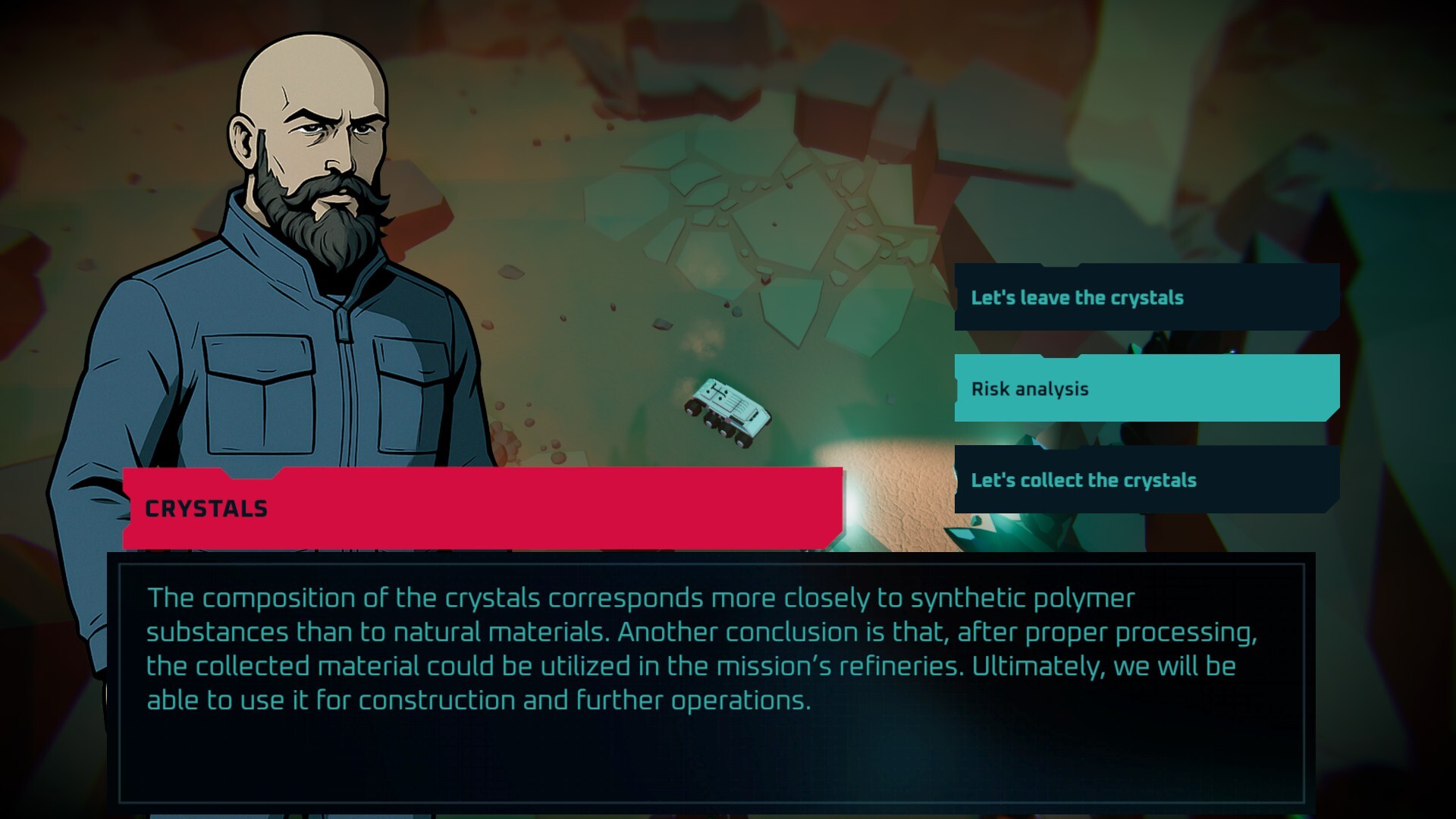
Once a specialist takes a closer look, they don’t just “solve” the situation. Instead, they give you context — an analysis based on their knowledge. From there, it’s up to you to decide what to do next. Extract the resource? Study it further? Leave it alone?
Let’s take a closer look at the crystals you might encounter. They may turn out to be closer to synthetic polymers than natural formations, which opens up interesting possibilities for production and construction. Sounds like an easy choice, right? Not necessarily. Acting too quickly might come with risks you don’t fully understand yet.
That’s the core idea: there’s rarely a perfect answer.
Even with the right specialist and a well-informed decision, outcomes aren’t guaranteed. Sometimes things go exactly as planned. Sometimes they don’t. That uncertainty is intentional. It reflects the reality of exploring something unfamiliar, where you’re constantly working with incomplete information.
In the end, Project Aurora is about ownership. You’re not just uncovering the world — you’re shaping how your expedition interacts with it. Every choice, big or small, pushes your story in a slightly different direction.
And that’s what we find the most exciting: giving players the space to decide not just what to do, but how far they’re willing to go.
In Project Aurora , base expansion is about much more than simple progression. It is a key part of staying alive. Every decision matters: how you manage your infrastructure, where you invest your resources, and which development path you choose will all affect the survival of you
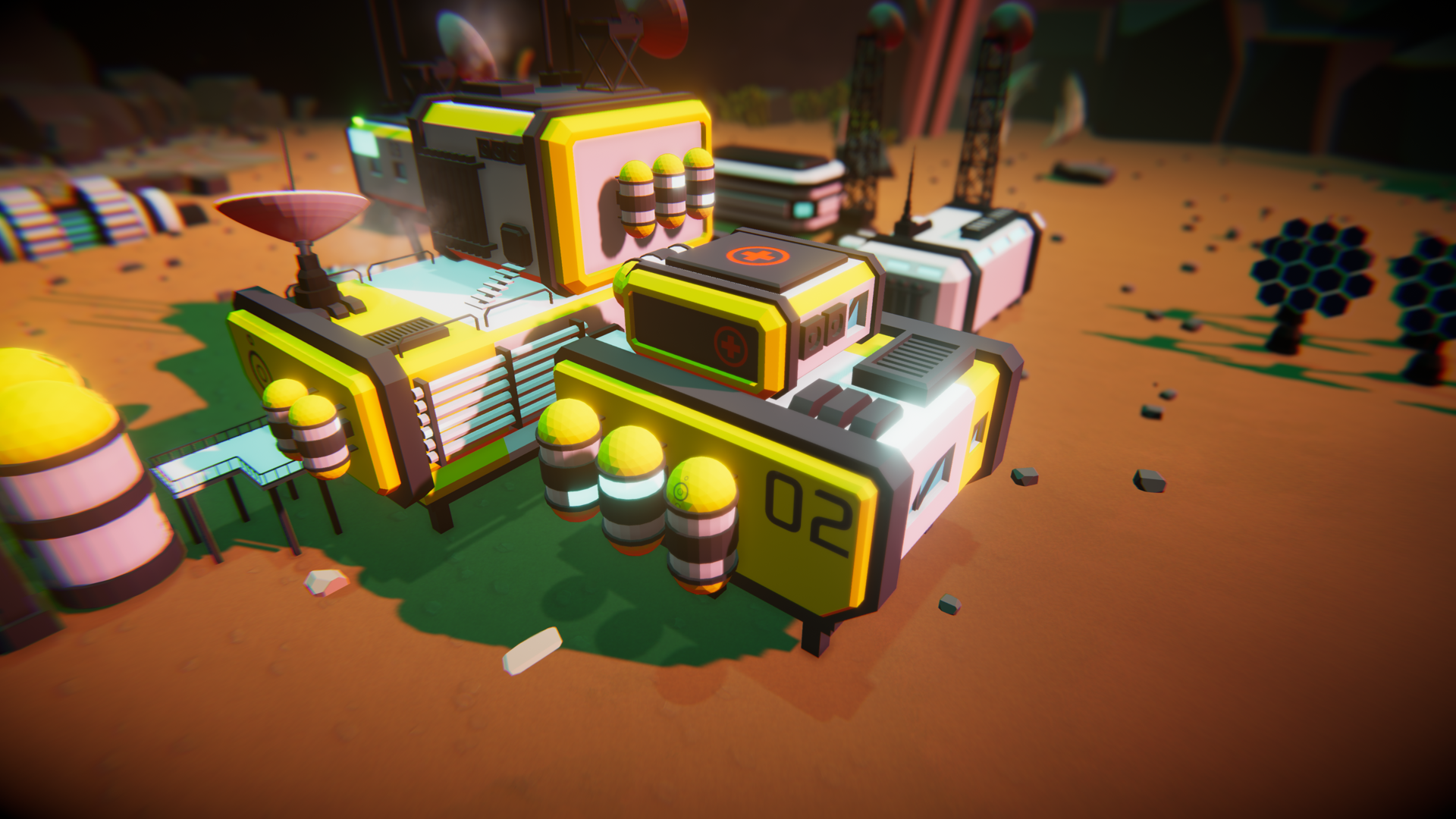
In Project Aurora, base expansion is about much more than simple progression. It is a key part of staying alive. Every decision matters: how you manage your infrastructure, where you invest your resources, and which development path you choose will all affect the survival of your crew on a hostile alien world.
In this devlog, we want to give you a closer look at the buildings currently available in the game, as well as the upgrades that help shape your base over time.
Each building in Project Aurora has its own purpose, and deciding what to construct first can have a major impact on the course of your expedition.
The Hospital is one of the most important structures in the base. Its role is simple but essential: keeping your crew alive and fit for duty. Exploration is dangerous, and your team can suffer from injuries, disease, or poisoning while operating in harsh conditions. Without proper medical support, even a relatively small problem can quickly grow into a serious threat to the mission.
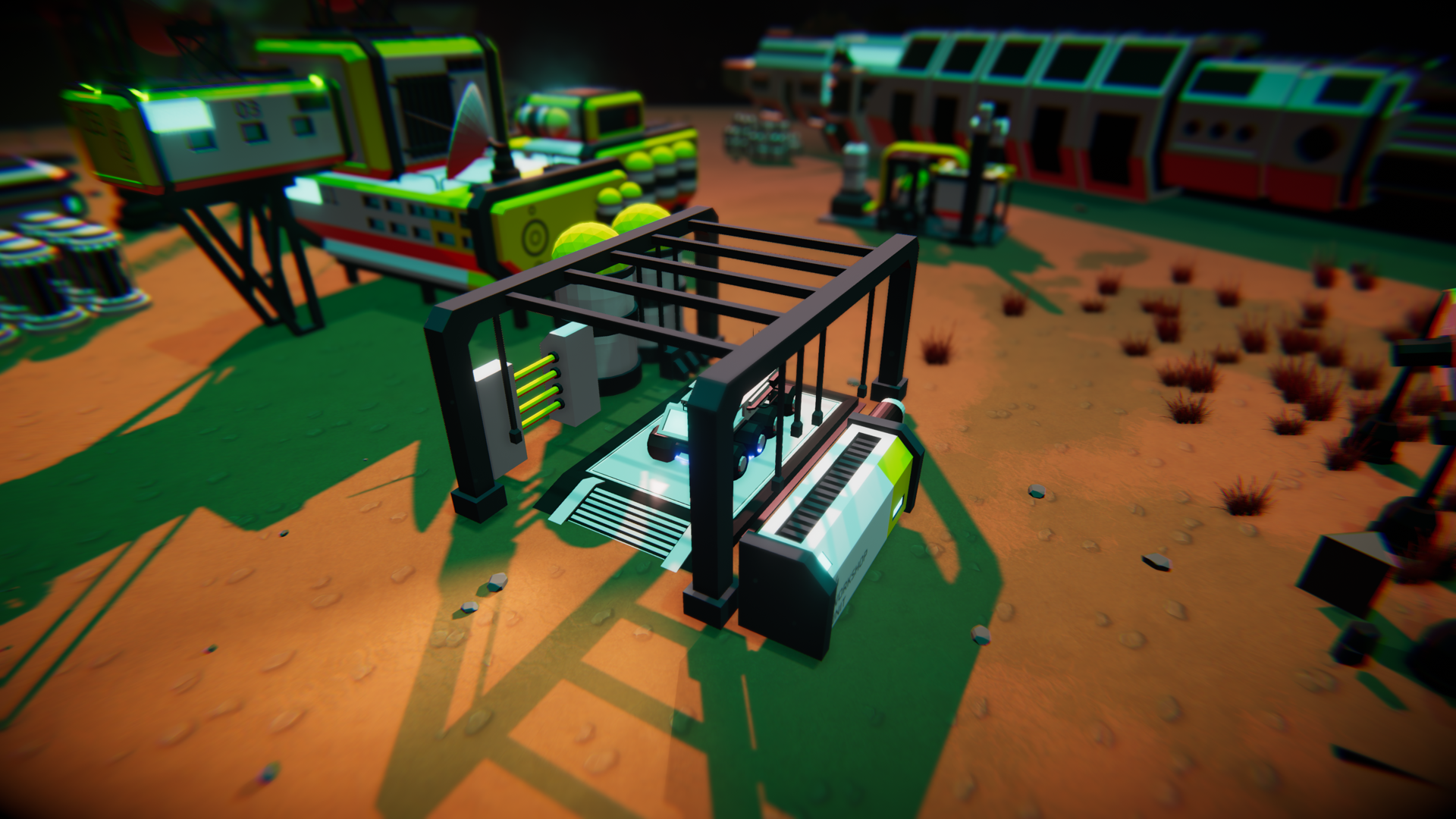
The Workshop opens up new technical possibilities for the player. It allows you to improve and maintain the rover, prepare exploration equipment, and access solutions that are not available at the start of the game. In many ways, it is the building that gives your expedition more flexibility, helping you respond to new challenges as they appear.
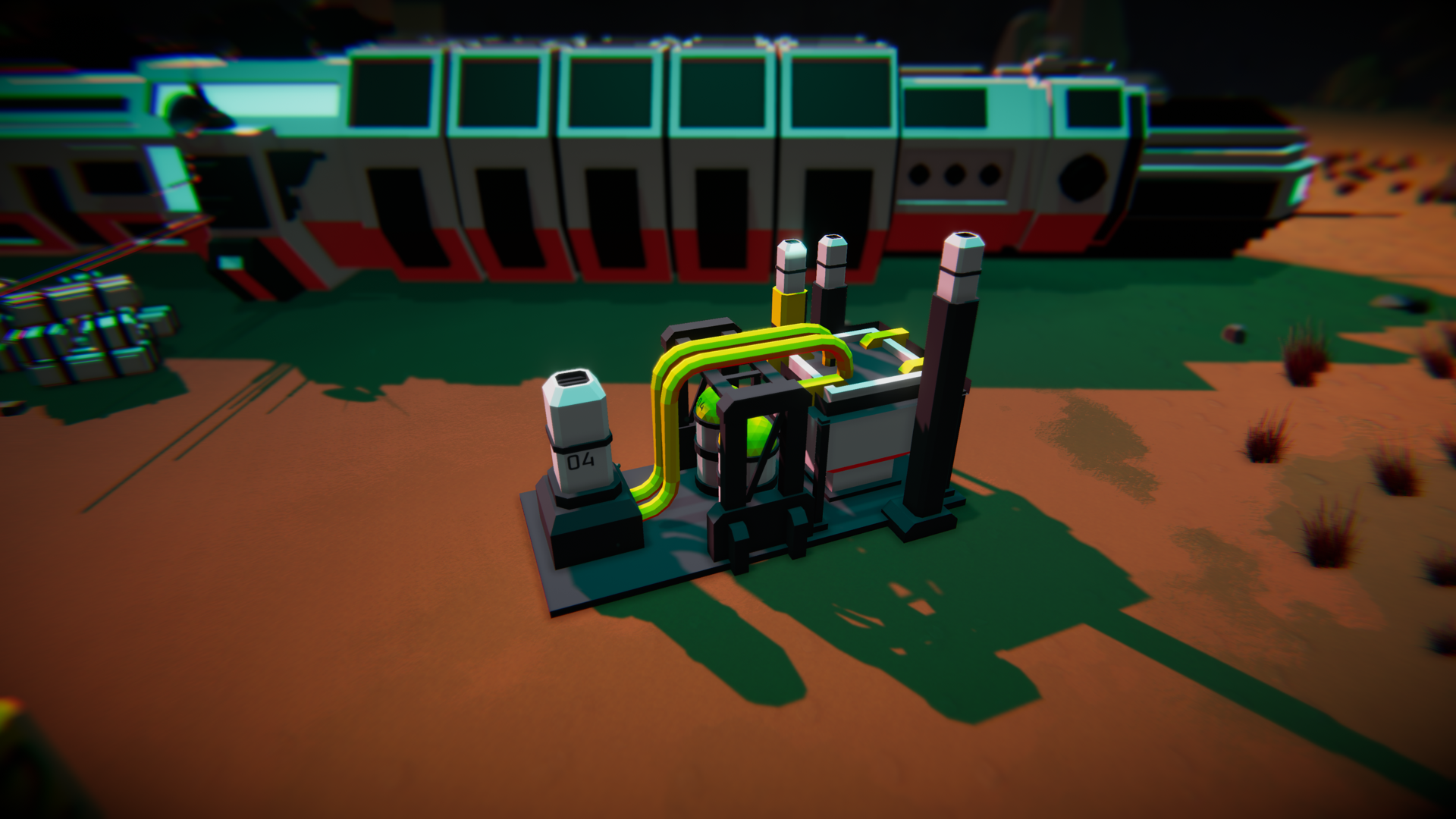
Its importance grows alongside your base, because better material processing means greater efficiency and more opportunities for expansion. It supports your industrial development and helps turn gathered resources into something much more useful for the long term.
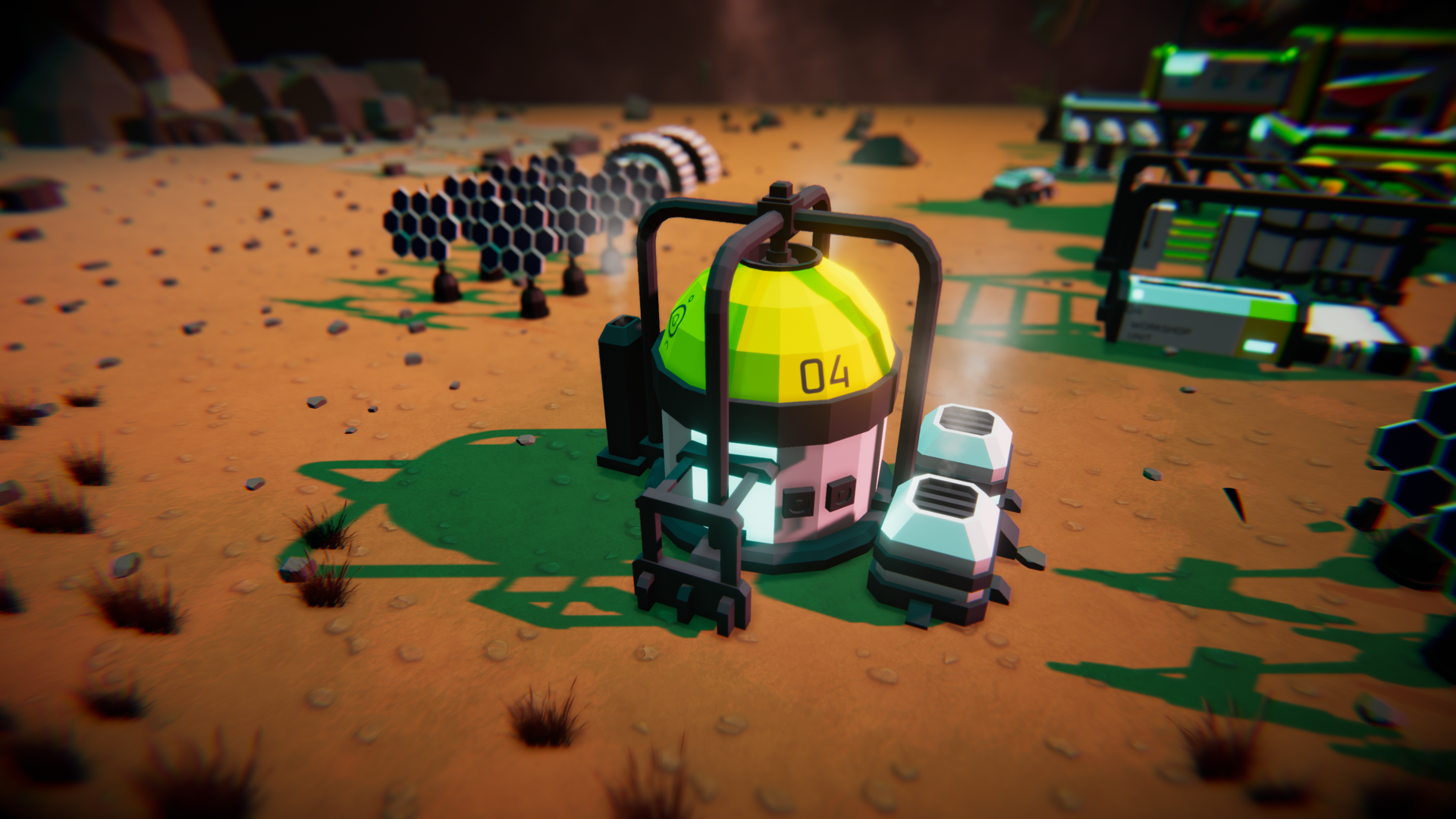
The Reactor is a major step forward in base development. It provides access to Energy Cores, which can be used to support more advanced systems and further expansion. At the same time, it is one of the most demanding structures to build, requiring a significant investment of resources. Because of that, choosing the right moment to construct it becomes an important strategic decision.
Buildings are only one part of base development. Players can also improve existing infrastructure through upgrades, unlocking new advantages and increasing overall efficiency.
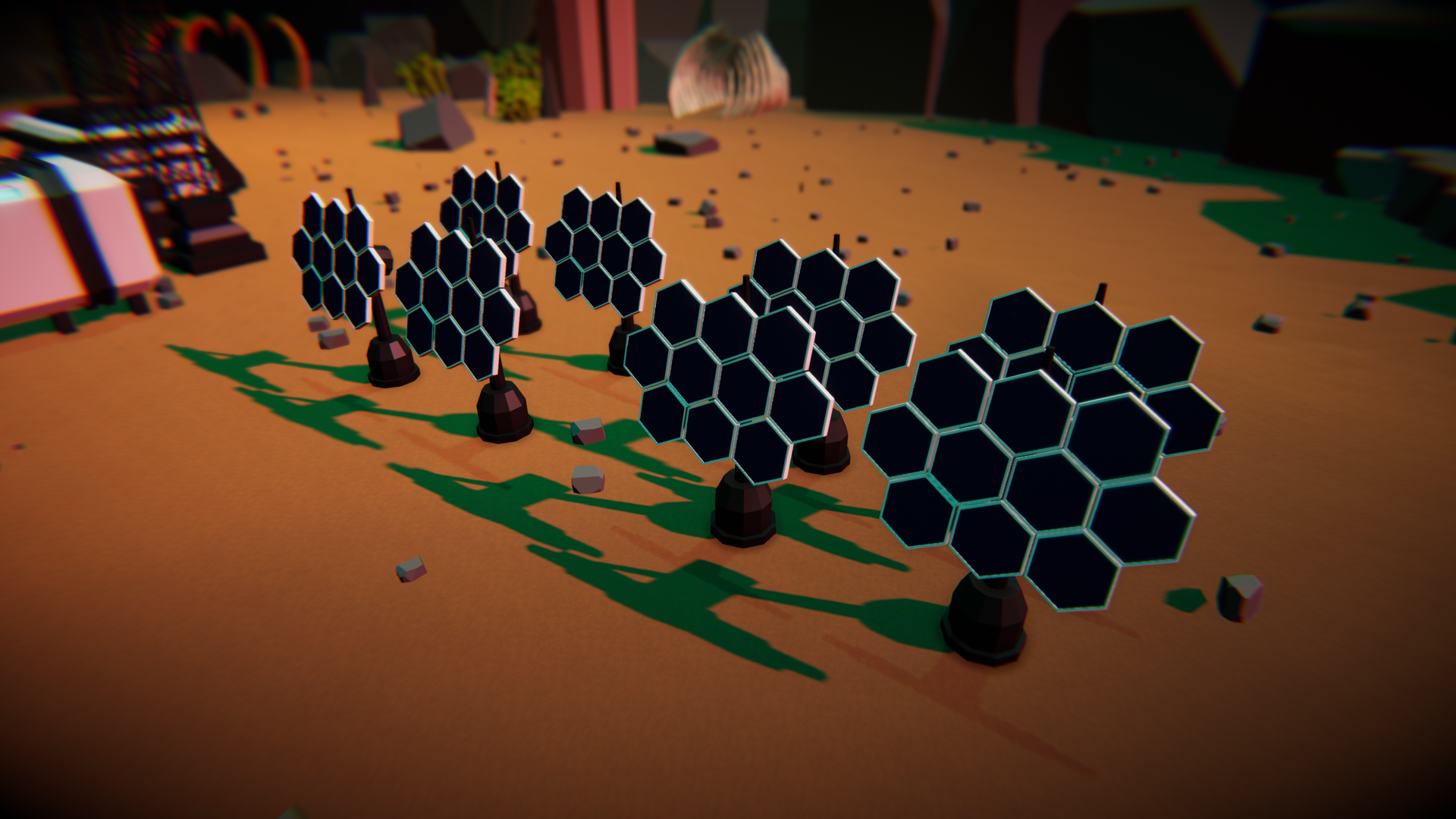
This upgrade expands the number of photovoltaic panels, which directly increases energy production. It may seem like a straightforward improvement, but it can make a big difference, especially in the earlier stages of the game when energy quickly becomes one of the most valuable resources.
Upgrading the laboratory improves your research potential and allows you to carry out more advanced scientific work. This means access to new technologies and deeper progress into the unknown. Since Project Aurora is heavily rooted in science, exploration, and discovery, this upgrade plays an especially important role in long-term development.
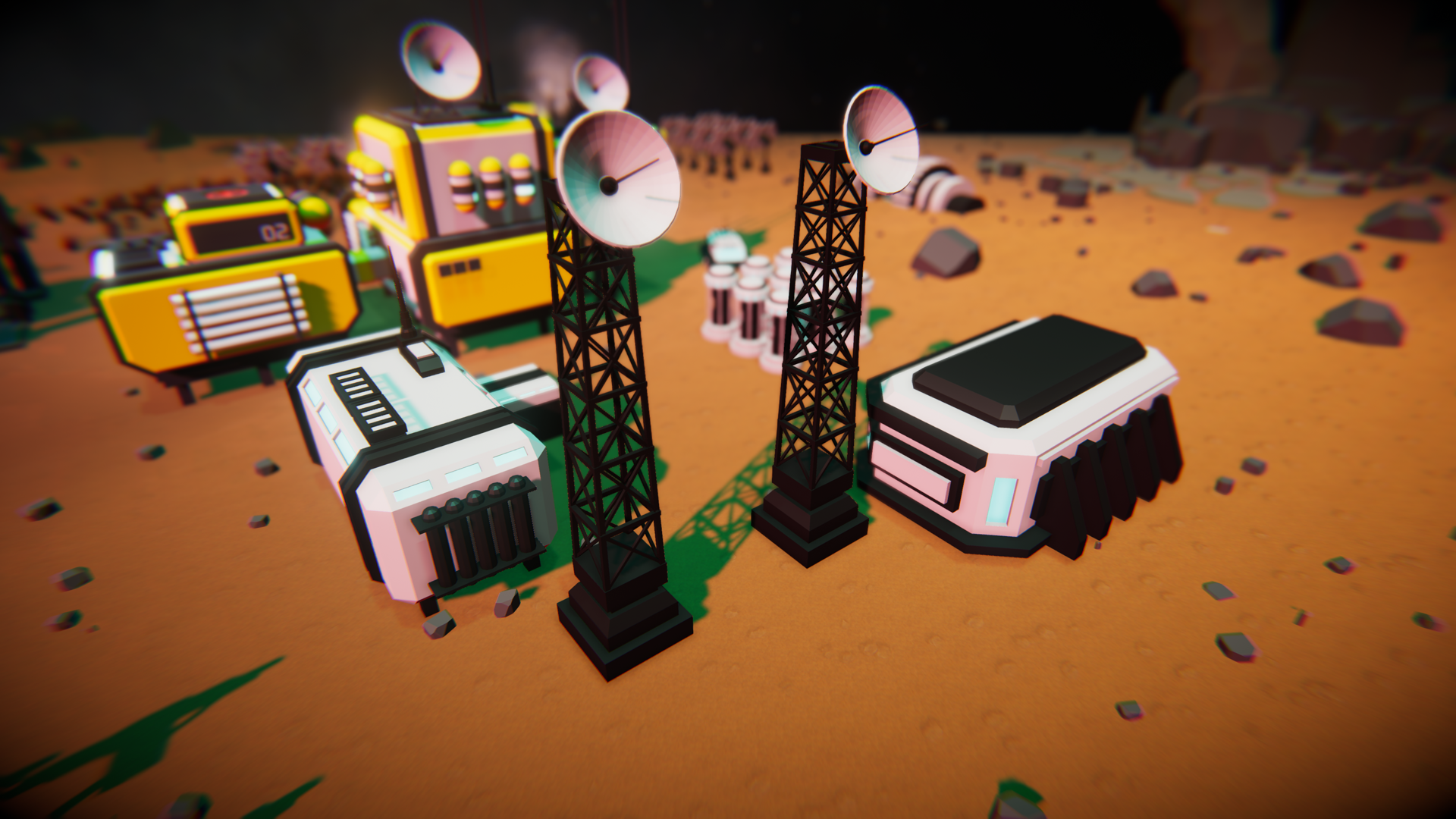
One of the key ideas behind the system is that every building and every upgrade comes with a cost. Resources are limited, and focusing on one area often means delaying progress in another. Do you prioritize the safety of your crew? Do you invest in energy production? Or do you push forward with research and technological growth?
These choices are what shape each expedition and make base development an important part of the experience.

When you set foot on Aurora, you’re not alone. Behind every decision, every discovery, and every risk taken on this hostile planet stands a team of specialists – each bringing their own expertise, personality, and history into the mission. In Project: Aurora , your crew isn’t jus
When you set foot on Aurora, you’re not alone.
Behind every decision, every discovery, and every risk taken on this hostile planet stands a team of specialists – each bringing their own expertise, personality, and history into the mission. In Project: Aurora, your crew isn’t just a set of stats – they are the people you’ll depend on when things go wrong… and they will.
Let’s meet them.
Ida Hallursdottir – LinguistA master of languages, both living and long forgotten. Ida specializes in translation and communication, making her invaluable when dealing with unknown cultures or deciphering alien remnants. Quiet but sharp, she often sees patterns others miss.
 Koyasu Hinako – Physicist
Brilliant and relentlessly driven. Hinako built her career across multiple fields of physics before turning her focus toward the unknown. Her deep understanding of the universe makes her essential when facing phenomena that defy common sense.
 Walid Zahid Hajjar – Engineer
A problem-solver at heart. Walid has led major construction projects and now applies that experience to building and maintaining infrastructure far from Earth. If something breaks – or needs to be built from nothing – he’s the one you want on your side.
 Morgan Bauer – Cybernetic Specialist
Young, talented, and a bit unconventional. Morgan specializes in cybernetics and isn’t afraid to push boundaries. His bold approach to technology can be a breakthrough… or a risk.
 Yuri Malkov – Geologist
A veteran explorer of both Earth and beyond. Yuri knows how to read the land – from mineral deposits to hidden dangers beneath the surface. His experience in off-world environments makes him a cornerstone of any expedition.
 Lukas Hoffman – Biologist
Curious and adaptable. Lukas has a strong scientific background but chose a less traditional path, working across private research and space missions. He focuses on understanding alien ecosystems – and how to survive them.

Experienced, calm, and deeply respected. John has spent decades working in advanced chemistry and space research. His knowledge often proves critical when dealing with unknown substances or dangerous environments.
 Lydie Almeras – Archaeologist
An expert in ancient civilizations and their secrets. Lydie has spent her life uncovering the past – now she’s faced with something far older and far stranger. Her insights may be the key to understanding Aurora itself.
Each of these characters brings unique skills – but also their own perspectives, decisions, and reactions to what unfolds on Aurora. Their relationships, strengths, and weaknesses will shape your expedition in ways you might not expect.
Because out here, survival isn’t just about resources or technology.
We’re Back — and Project Aurora Launches April 30, 2026 Hey everyone! It’s been a while since our last update — much longer than we ever planned. Game development is rarely a straight road, and *Project Aurora* took us through more twists and turns than we expected. But today we
Hey everyone!
It’s been a while since our last update — much longer than we ever planned. Game development is rarely a straight road, and *Project Aurora* took us through more twists and turns than we expected.
But today we finally get to share the news we’ve been waiting to tell you:
Over the past months we've returned to the project with fresh energy and a clear goal — to finish the game and deliver the experience we originally dreamed about. We've been polishing mechanics, improving visuals, refining the atmosphere, and making sure every part of the game feels right.
This isn’t a restart.
It’s the final stretch.
You can watch the brand-new trailer above for a glimpse of what awaits you.
From now on, expect more regular updates as we move toward release — including new gameplay reveals and a closer look at the world of Project Aurora.
If you’ve had the game on your wishlist for a while — thank you for your patience and for sticking with us.
If you’re just discovering it — welcome aboard 🙂
The countdown starts now.
See you on April 30.🚀🚀🚀
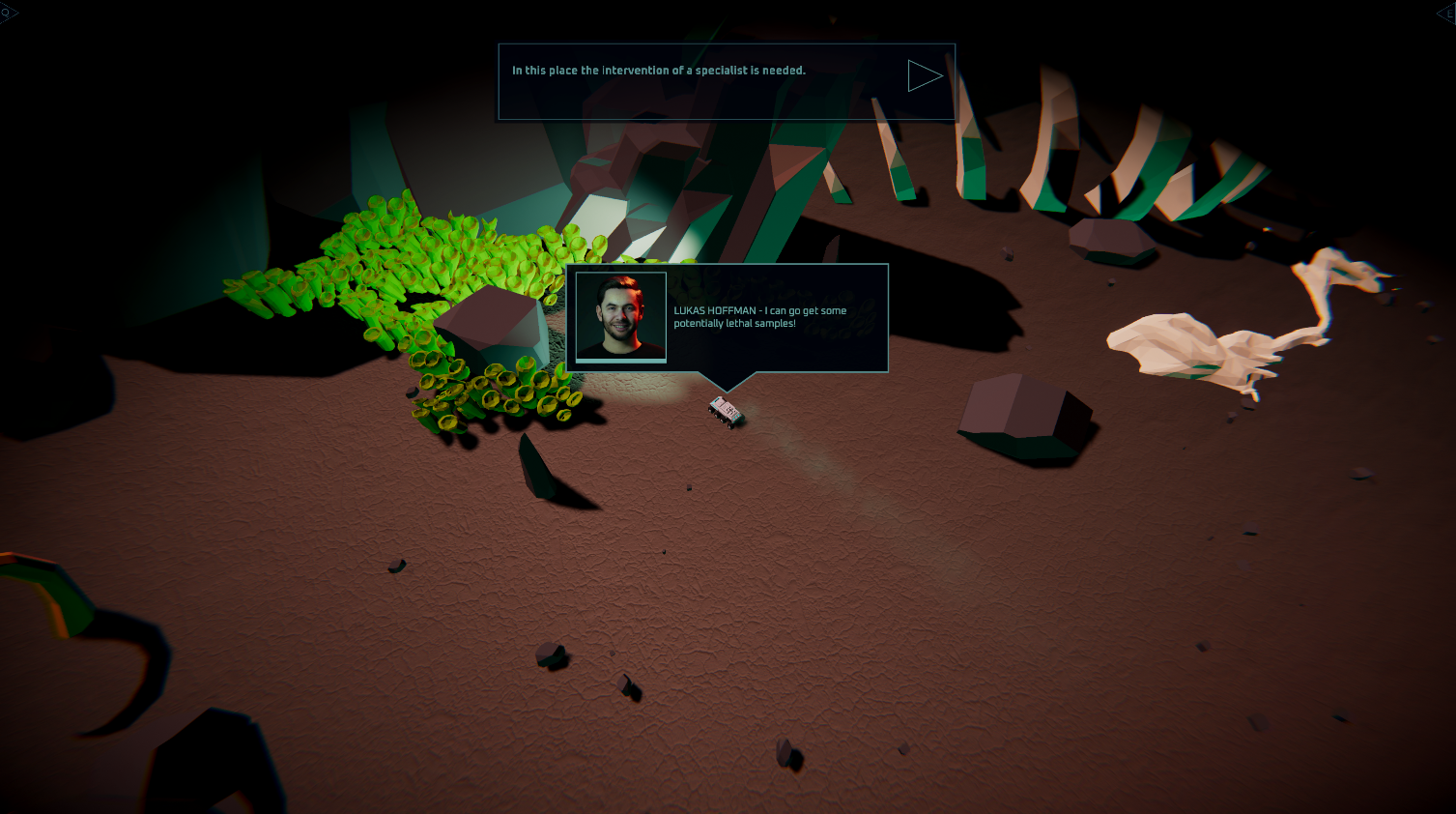
Hello! It's a small thing, but it's fun 😁 The crew will comment on what's happening in the game and, most importantly, what YOU DO 😉 Safe journey! Project: Aurora team
It's a small thing, but it's fun 😁 The crew will comment on what's happening in the game and, most importantly, what YOU DO 😉
Safe journey!
Project: Aurora team
Hello! Our game, Queen of Moths, has just been released! This is something for fans of surreal, cosmic horror. It's a winter night. You're returning home by train. It's been a long time since you've been there. You just have to transfer to another train. Just a moment's wait at a
https://store.steampowered.com/app/2434490/Queen_of_Moths/
Our game, Queen of Moths, has just been released!
This is something for fans of surreal, cosmic horror.
It's a winter night. You're returning home by train. It's been a long time since you've been there. You just have to transfer to another train. Just a moment's wait at a small train station in the middle of the forest.
You're familiar with this - it's not the first time you've traveled this route. However, this time, a strange uneasiness accompanies you. Something is different. Something is not right.
Safe journey!
Tesseract Games team

Hello! Welcome to another devlog! In the upcoming posts, we'll introduce you to your future crew. After all, it's good to know who you're venturing into space with, right? You'll steer the fates of these individuals in Project: Aurora! Each crew member is unique. Their skills, ch
Welcome to another devlog! In the upcoming posts, we'll introduce you to your future crew. After all, it's good to know who you're venturing into space with, right? You'll steer the fates of these individuals in Project: Aurora!
Each crew member is unique. Their skills, choices, and relationships will shape the story and mission success.
Get ready for characters full of passion and mysteries, guiding your expedition on an alien planet.
JOHN MCDONNEL
A chemistry doctor and author of numerous scientific works in the field of nuclear chemistry and astrochemistry. He interrupted his scientific career at the age of 41 to join the Yamada Exploration Corp. Currently serving as a specialist chemist during exploratory missions. He has spent 23 standard years with the company so far and is currently on his 5th contract. He is highly regarded by colleagues for his exceptionally cheerful disposition and immense patience. During brief stays on Earth, he often gives guest lectures. Occasionally, he publishes in industry journals, and recently authored a popular science book on the significance of chemical research in modern space exploration.
Safe journey!
Project: Aurora team
Hello! The latest demo update has just been released! This time, we had to focus mainly on bug fixes. Some of them took us by surprise and required a lot of work, but, finally, we managed to solve! Thank you for all your feedback, support and help. Changelog: - Pressing the "Tab"
The latest demo update has just been released! This time, we had to focus mainly on bug fixes. Some of them took us by surprise and required a lot of work, but, finally, we managed to solve! Thank you for all your feedback, support and help.
Changelog:
- Pressing the "Tab" key at the start of the game will no longer lock the controls.
- The tutorial system has been improved.
- We fixed tutorial bugs that were blocking gameplay in some cases.
- GUI improvements have been made.
- The research outpost handling system has been completely rebuilt.
Safe journey!
Project: Aurora team

It's the last hours of Steam Next Fest You still have 24 hours to check Project: Aurora demo ! We have added a survey that you will find in our demo. You can share your feedback, ideas, and comments. You can say what you've liked or disliked about the demo and the game itself. Ha
You still have 24 hours to check Project: Aurora demo!
We have added a survey that you will find in our demo. You can share your feedback, ideas, and comments. You can say what you've liked or disliked about the demo and the game itself.
Have fun
Steam Next Fest has started! The unknown planet's mysteries💫 are about to be revealed. Assemble the team and set out on a journey💫 in Project: Aurora demo ! Download a new demo that we have prepared for you now. Be sure to stay a while to watch a new stream that will be launchi
The unknown planet's mysteries💫 are about to be revealed.
Assemble the team and set out on a journey💫 in Project: Aurora demo!
https://store.steampowered.com/app/1646290/Project_Aurora/
If you want to check other free demos that we have prepared for the Steam Next Fest❗️
Watch a Showreel of them and download now
Have fun