As 2025 draws to a close, Skyline Urban Story welcomes Version 1.2.0, bringing this year’s updates to a satisfying conclusion.
Because this update includes adjustments to core gameplay systems—especially the land value system—we strongly recommend starting a new map, or completely demolishing and rebuilding your city in an existing save. Otherwise, you may encounter frequent “insufficient land value” warnings. If you find the new mechanics unsuitable, you can revert to the previous version by locating Skyline Urban Story in your Steam library, selecting “Properties” → “Betas,” and entering the beta code “PlayVersion118.”
Below is an overview of what’s included in this update:
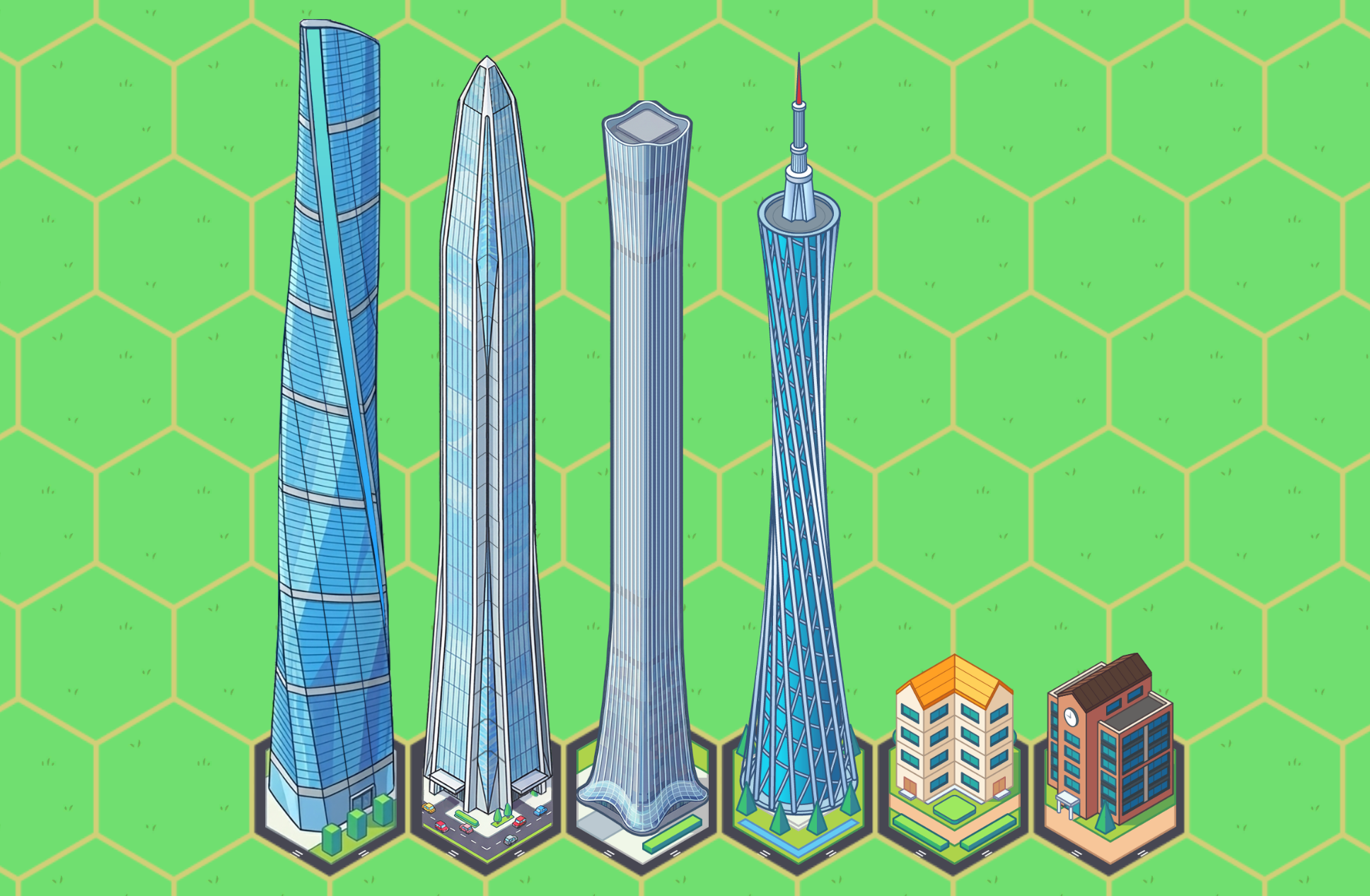
1. A new “Legendary Buildings” category has been added to the Research Lab. By researching it, you can unlock and construct six brand-new legendary buildings:
Mega Elementary School (30,000 student capacity by default, expandable to 60,000 through technology)
Mega Middle School (24,000 student capacity by default, expandable to 48,000 through technology)
Monument Tower (Land value +300 within a 5-tile radius, plus an additional +300 land value across the entire map)
Firmament Tower(Provides a large number of jobs and increases industrial and commercial demand stimulation for mid-wealth offices by 25%)
Diamond Tower (Provides a large number of jobs and increases industrial and commercial demand stimulation for high-wealth offices by 25%)
Spiral Tower (Provides a large number of jobs and grants an additional 10% job boost effect to the CBD district)
2. All research projects in the Research Lab now require a minimum Research Lab level.
3. Improved difficulty progression:
Land value requirements for most zones have been lowered, allowing mid-wealth and high-wealth office zones to be built earlier, while land value requirements for certain high-tier zones have been increased.
The revised land value curve makes early-game requirements easier to meet but more challenging in the mid-to-late game. This makes ultra-high-density layouts across the entire map harder to achieve and better reflects real-world urban development, where building density decreases as cities expand.
In addition, the unlock levels for hospitals and parks have been pushed back to prevent citizen demands from surging all at once at a specific city level and overwhelming government expenses.
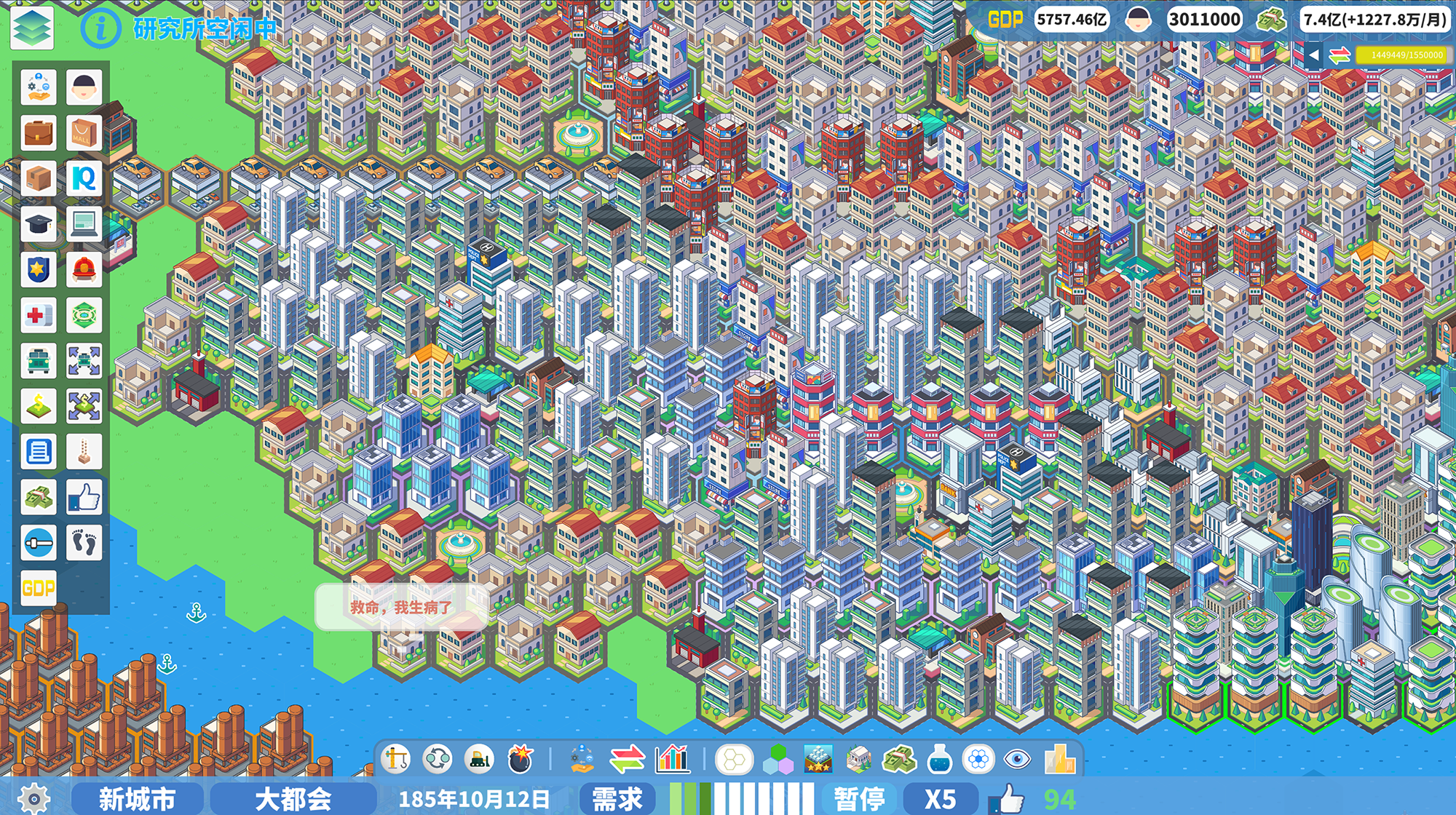
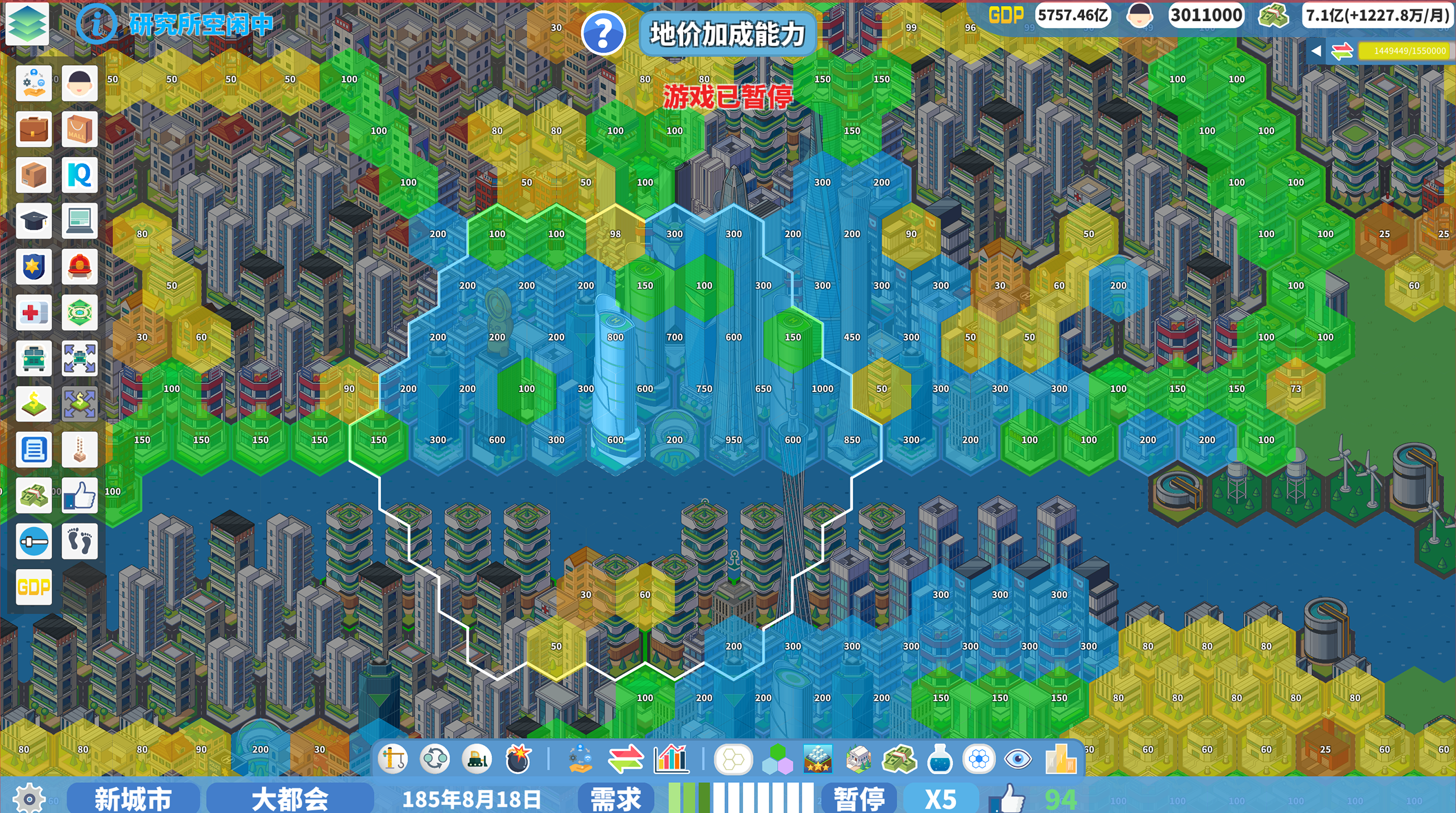
4. Land value rule changes: “Job-based land value” has been removed, eliminating duplicate land value bonuses from job counts. Office and commercial buildings now provide land value bonuses to nearby tiles based on their office and commercial values respectively.
Low-density office zones affect a 1-tile radius, medium-density 2 tiles, high-density 3 tiles, and ultra-high-density 4 tiles. Higher wealth levels and greater office capacity result in stronger land value bonuses.
The same applies to commercial zones: low density affects 1 tile, medium 2 tiles, high 3 tiles, and ultra-high 4 tiles. Higher wealth levels and greater commercial capacity provide stronger land value bonuses.
The revised land value system ensures that each building type has only one land value influence radius, making land value planning and adjustment more straightforward.
5. In addition to transportation, public service buildings such as schools, parks, police stations, fire stations, and hospitals will now have maintenance costs that scale with the number built—the more you build, the higher the total maintenance cost.
6. For all buildings with technology expansion upgrades, upgrading their technology level will now increase the number of jobs they provide.
7. Density upgrade costs for all zones have been reduced, minimizing situations where government funds are instantly depleted when activating government official features.
8. Wind Power Plants have received new buffs: power generation is increased by 50% when placed near the ocean, and by 30% when placed near mountains.

9. The first-tier GDP effect now activates at a GDP of 100 million (previously 5 billion).
10. Fixed an issue where contract levels were calculated incorrectly, resulting in excessively high contract levels.
11. Increased the cost of most research projects, while no longer increasing research costs on Hard difficulty.
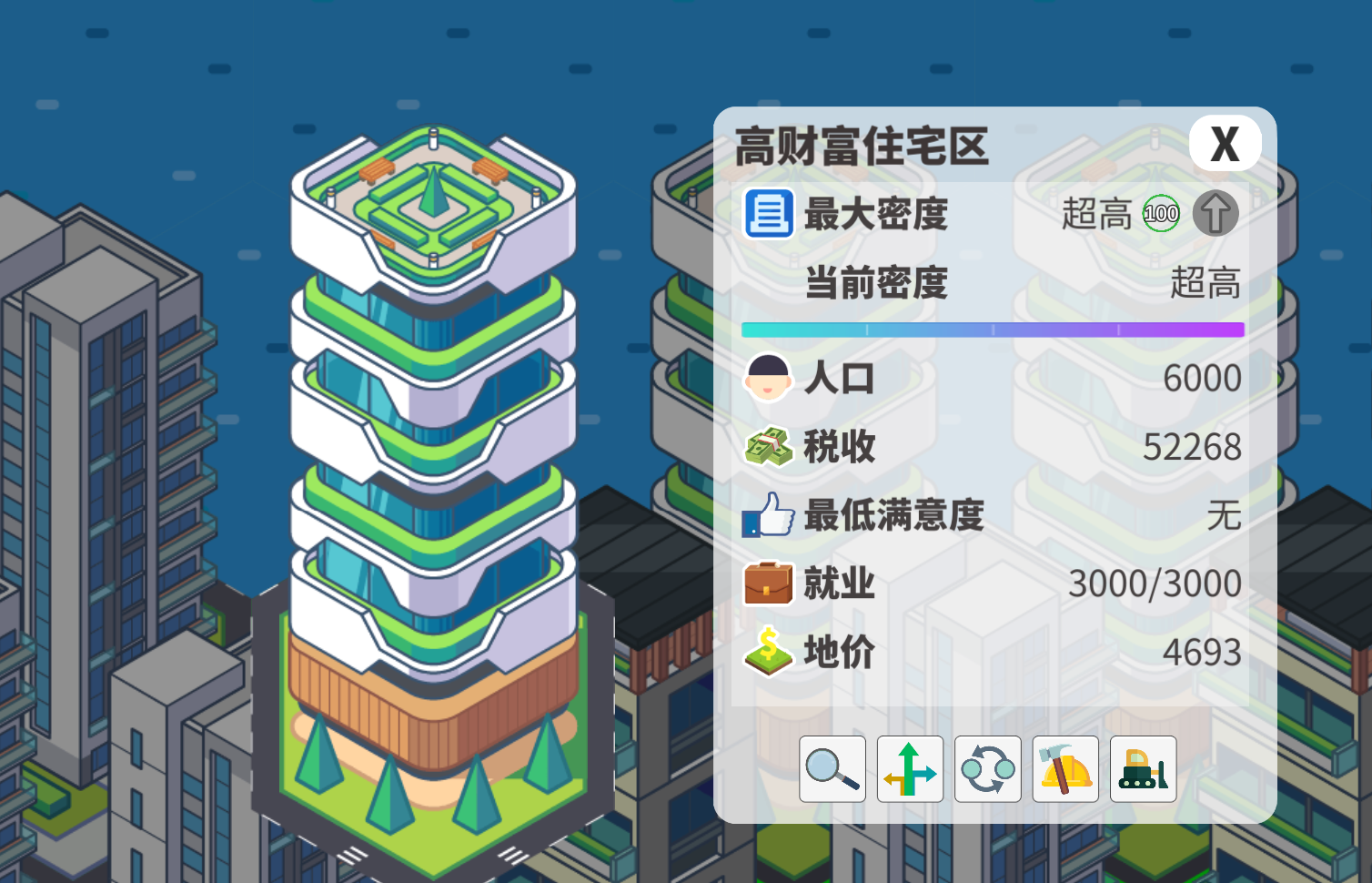
12. Icons have been added to the tile information panel, making it easier for mayors to quickly identify tile details.
13. Added three new achievements: reaching a population of 3 million, taking out all loans while maintaining a negative balance, and constructing six legendary buildings.
14. Due to the significant changes to the land value system, leaderboards will now include version selection. Scores, population, and GDP uploaded from the new version will be recorded on the new-version leaderboards.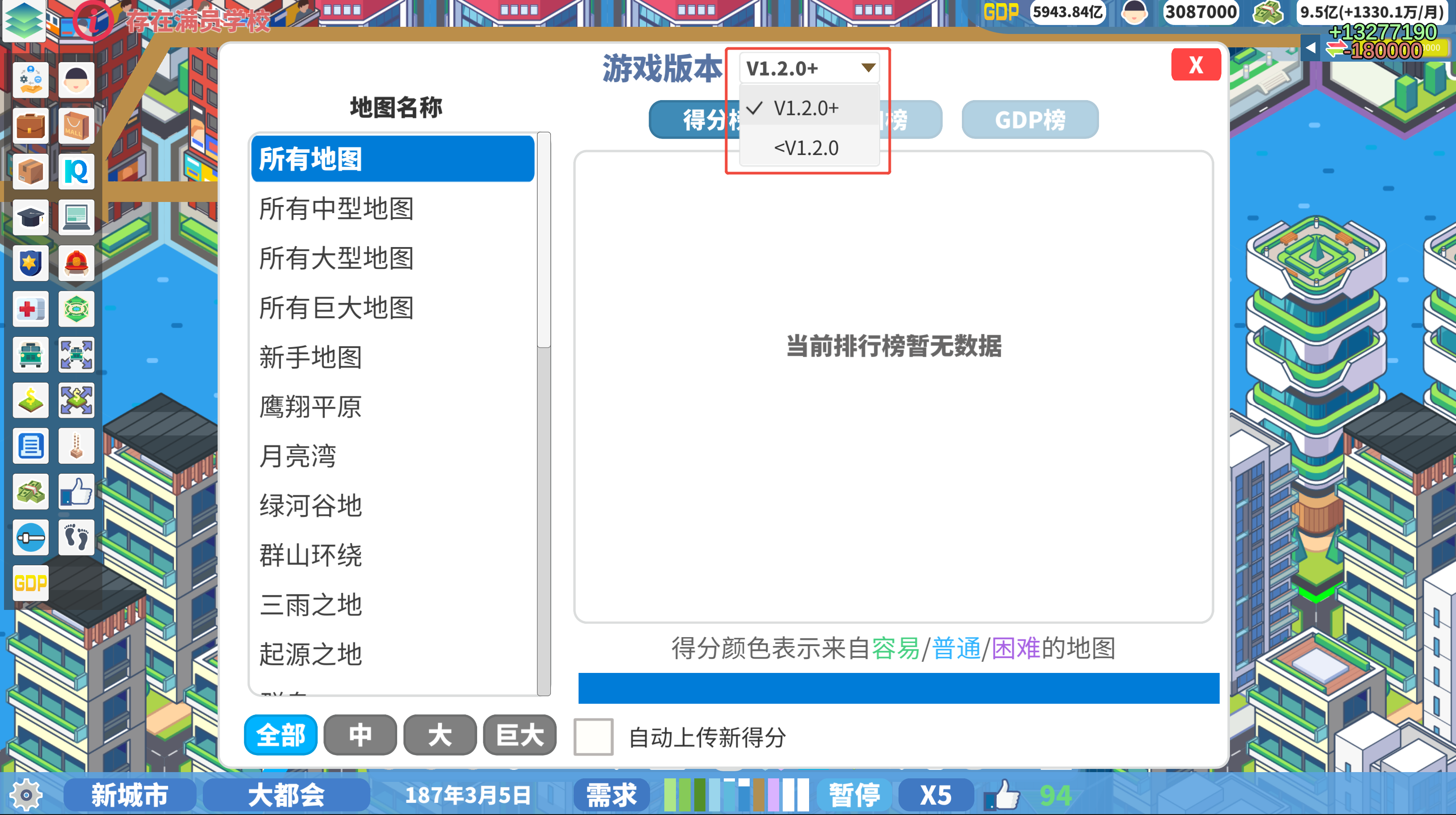
The above is the main content of this update. Welcome mayors to enter the game and experience it. If you have any questions or suggestions, please feel free to provide feedback.