In Developers diaries, we rarely describe the work on a project sequentially, from start to finish.
Basically, we demonstrated various mechanics of the project: how they were made, what they look like, and how they will be played.
That’s why today’s episode will tell a little about how we started making CCD 2.0 in chronological order, without screenshots from the project in its current state. All materials used in these logs are materials accumulated during development.
Concept
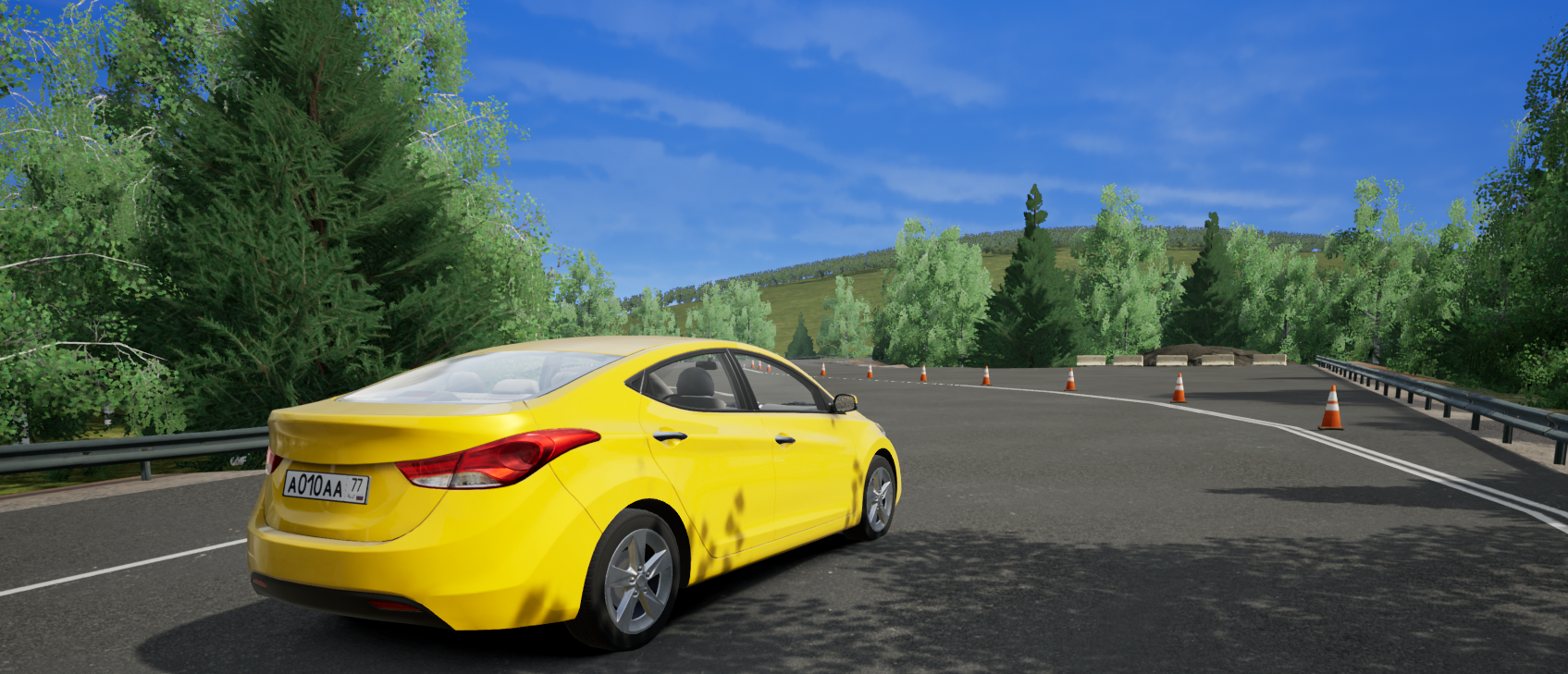
One of the oldest game screenshots of the CCD 2.0 prototype. We called it Pilot Location then
It took some time for the idea of creating a sequel to CCD to come into being.
As we have said several times, the main activity of our company, Forward, is simulators and specialized software, and not full-featured games.
So for the original CCD, we only released patches and visual updates, while the main content was updated much less frequently. By the 2020s, City Car Driving was already a complete and full-featured product for us, so we stopped releasing updates on Steam.
Over several years that the project was running, we returned several times to the idea of developing CCD not only as a simulator but also as a game.
Players who have been with us for a long time know that back in the 2010s, we wanted to create the Transporter – a game project focused more on entertainment rather than education.
At the stage of detailed concept and teaser presentation, we realized that we lacked certain skills and knowledge. It was highly likely that a bad product would be created, so we decided to abandon further work on the Transporter.
First Steps
In the early 2020s, when the gaming industry technology was booming, we again returned to the idea of transforming CCD.
No decent competitor has appeared on the market over time, and the simulator literally required updates.
So we began testing various game engines, and Unreal Engine 4 turned out to be the most suitable for the project. We wrote about it in detail in the second log.
We decided on the basic concept and chose the engine. What to do next? We know well the full development cycle for a simulator, but how do we create a game correctly? The most obvious thing was to start with a prototype.
The first task, one might say the main idea of CCD 2.0, was to create a game with minimum system requirements no higher than the original City Car Driving at normal graphics settings.
We realize that not everyone has powerful computers that many modern games require. So we set ourselves the goal of creating a modern project that is pleasant to be in and, at the same time, can work on most computers.
It all started with the creation of a prototype of the project’s graphics at the pilot location. And the first point that we began to work on was vegetation as the most heavy graphic component.
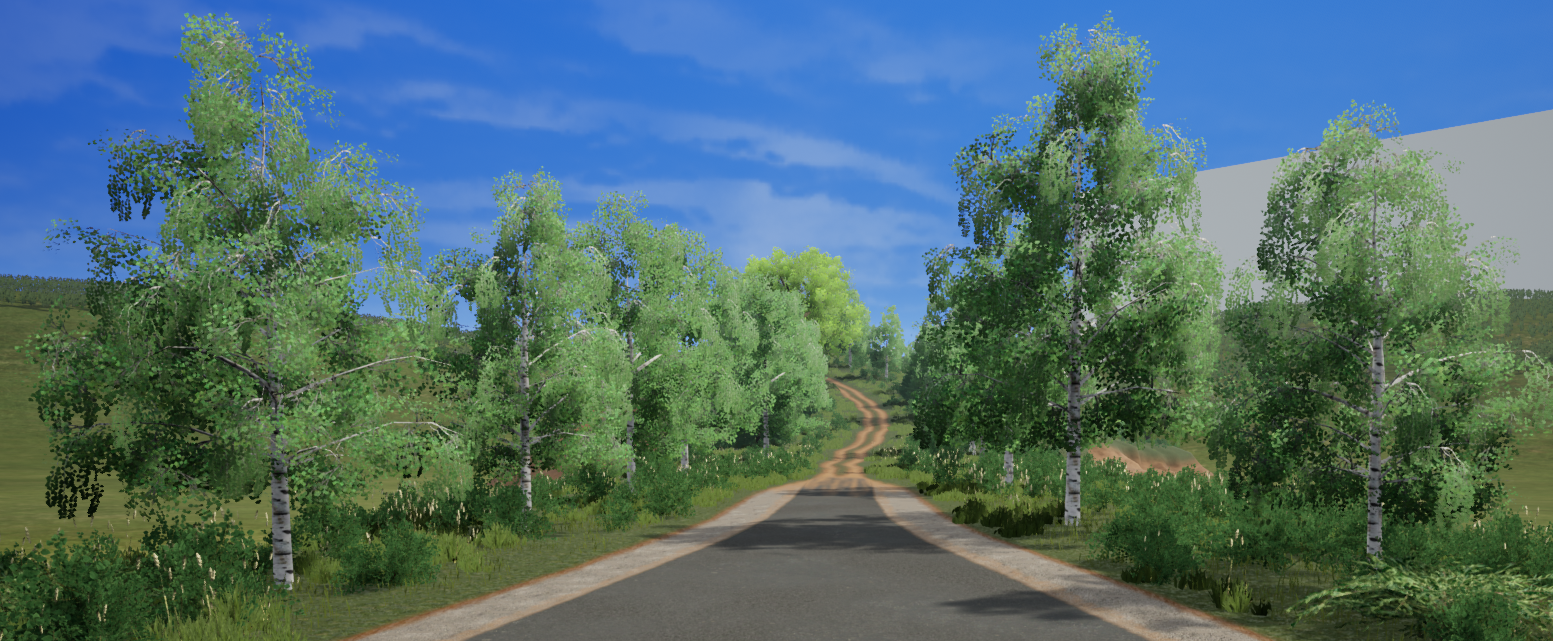
Part of the pilot location. As you can see, the grass, trees, road, and its transitions are made from scratch; however, they still have some of the visual style of the original City Car Driving.
After working with vegetation, we transferred some of the models from the original CCD to evaluate performance.
Of course, in the final version of CCD 2, all models will be new, but at that time we needed fast results on Unreal Engine 4.
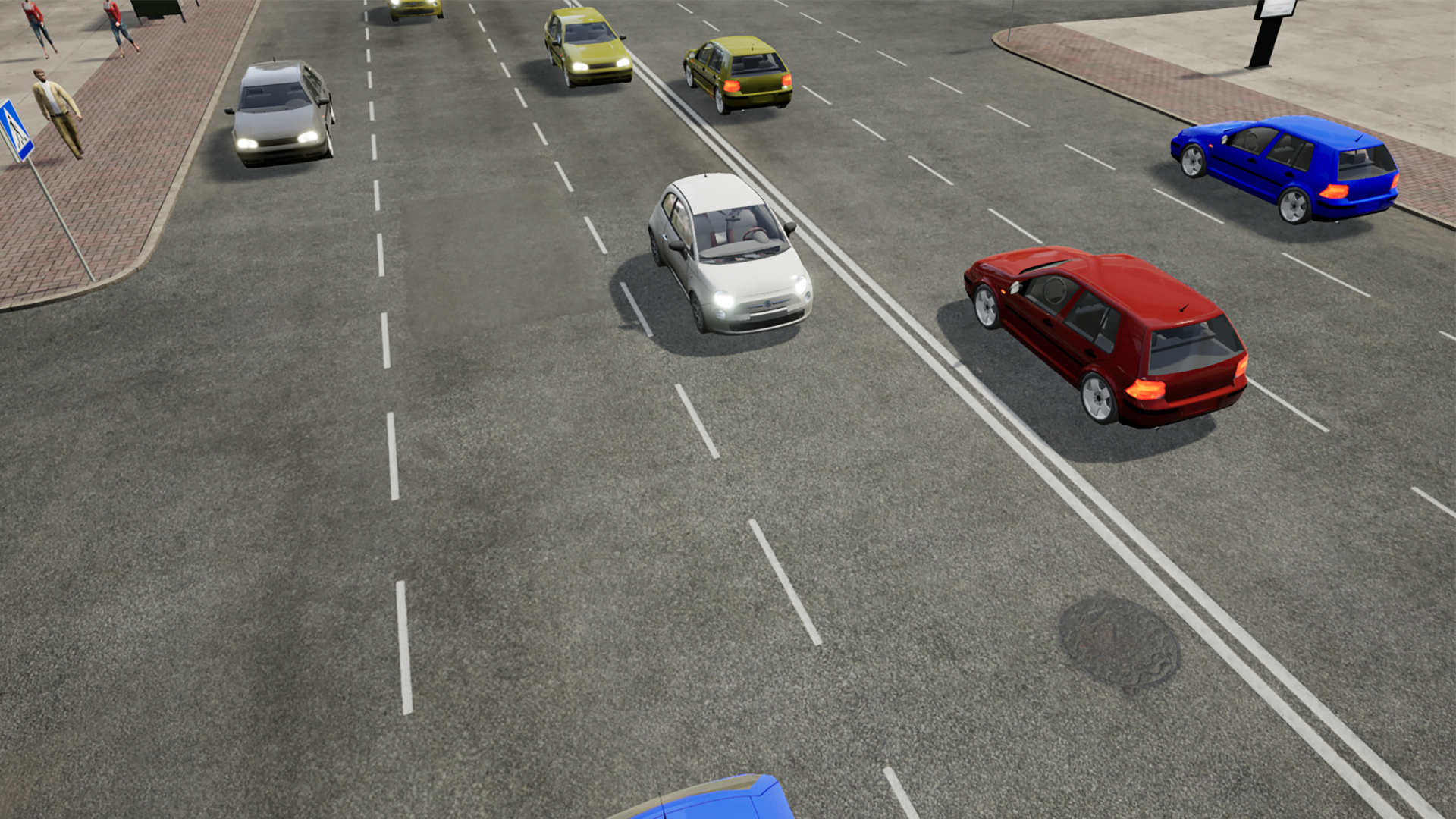
Cars transferred from CCD 1 to the Pilot Location
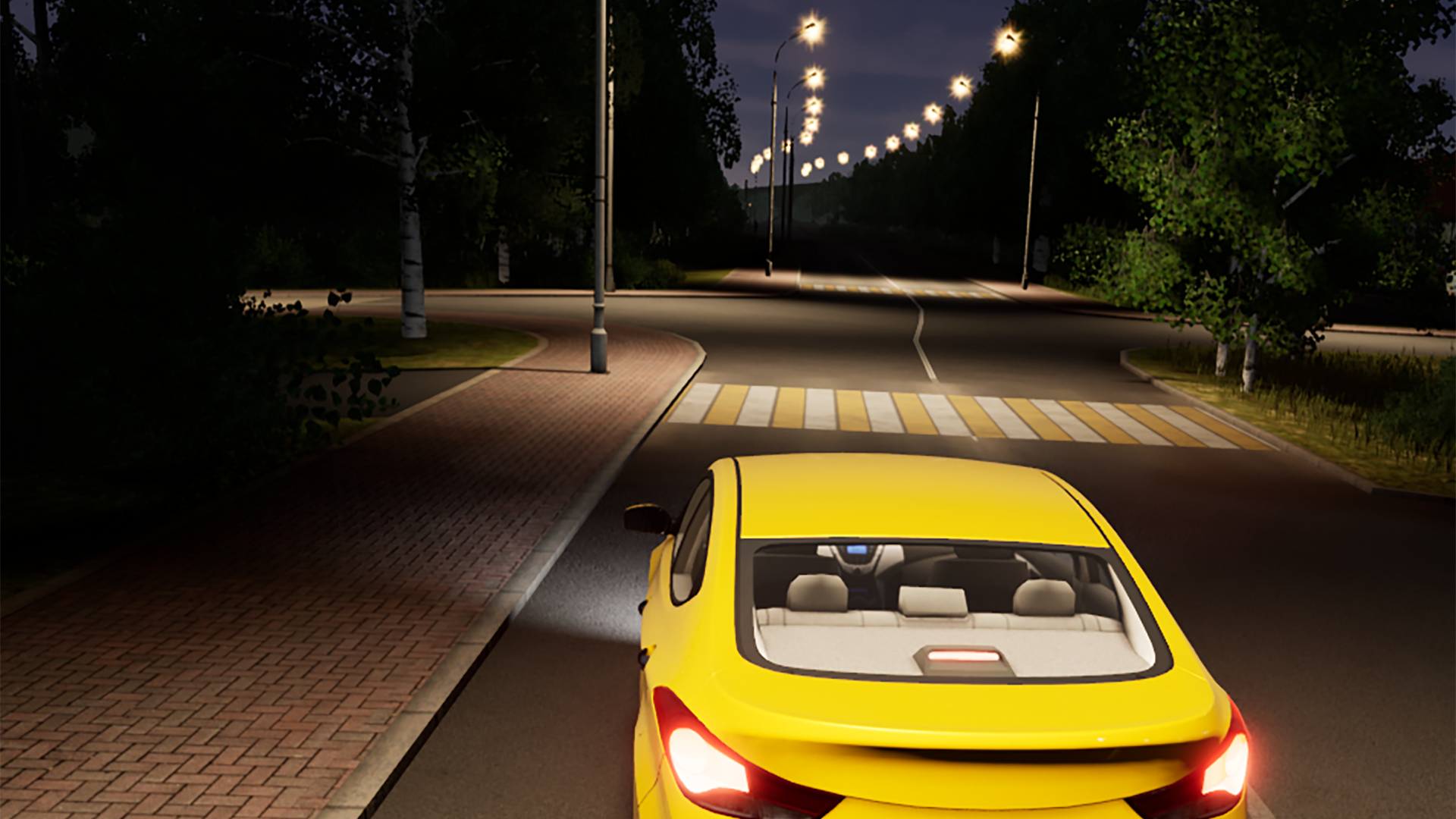
The Pilot Location at night
We worked on the pilot location for about a year. We tried different options and figured out what the graphics might look like and how quickly the game would run. We gradually mastered Unreal Engine.
Before starting work on CCD 2.0, we wanted to solve an important issue with the generation of terrain and roads.
In the pilot location, all the roads were made by the designers manually, but for a release project, this approach would have been too time-consuming. We needed a landscape generator.
Unfortunately, even an engine as advanced as Unreal Engine cannot provide the tools to generate the type of landscape we need – a combination of neat geometric shapes of the road network, with hills, fields, and rivers of the natural landscape.
However, we already had our own generator that created the terrain and roads for CCD. Within a few months, we were able to adapt the generator to UE, and nothing stopped us from creating large mixed urban/suburban locations.
Appearance of CCD 2.0
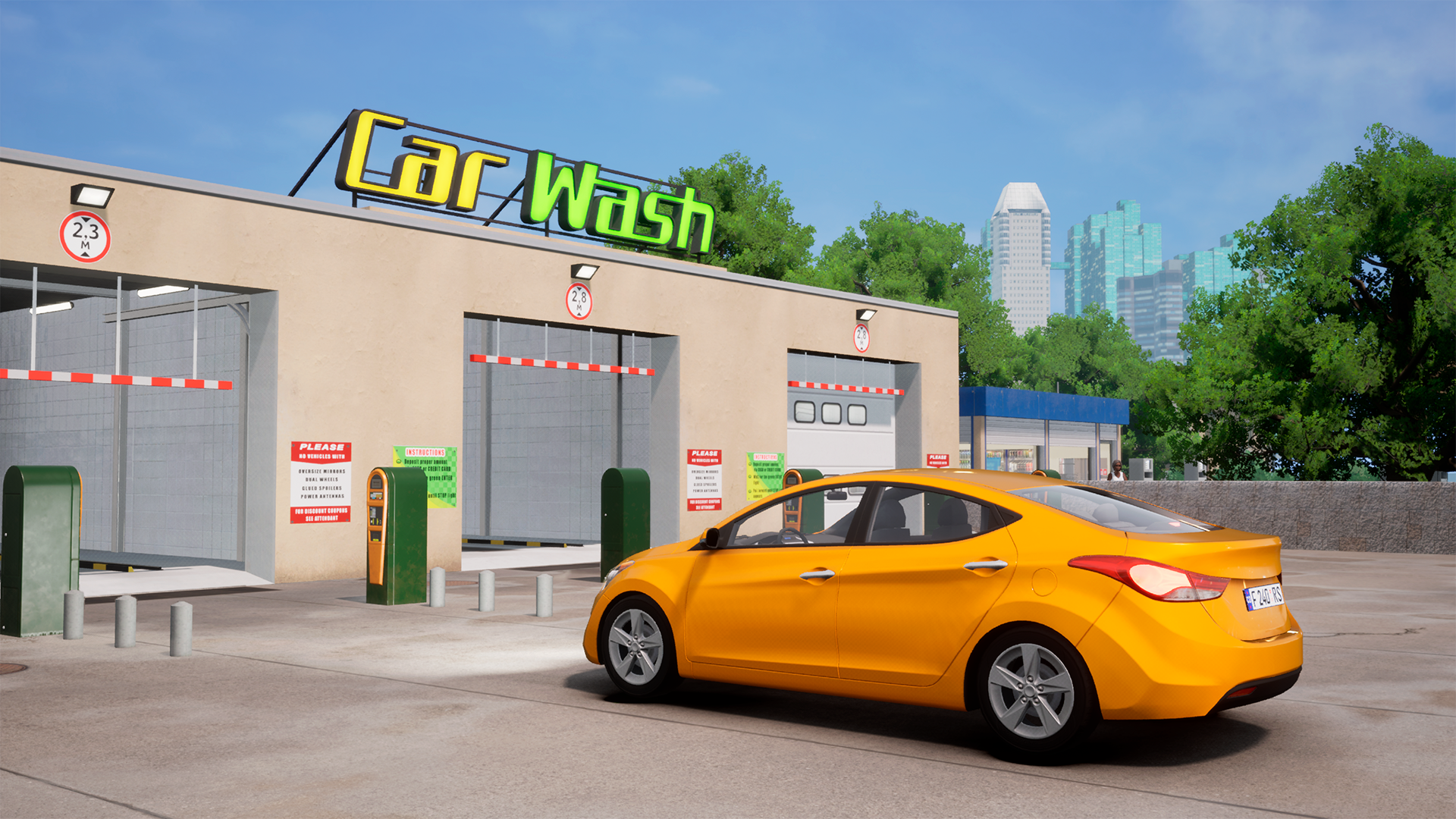
One of the first screenshots of the future CCD 2.0
After we figured out the technology, we started developing the game concept. As you could understand from previous logs, we do not want to reveal specific mechanics, graphics, or vehicles ahead of time. So, here we outline the main ideas only:
- Maintain the core gameplay of the original City Car Driving – safe driving in accordance with traffic rules. Make it interesting for both novice drivers, who are just learning to drive, and experienced drivers.
- Focus on immersion without direct control of the character because, in a car simulator, the character is the player themselves.
- ncrease the size of the city, make it more similar to a real place: with its own history and associated architecture, different districts, and unique names.
- Maintain communication with the audience: talk to you more, take note of ideas, and give honest answers regarding the project.
- And finally, create a project whose functionality we can easily maintain and update, and implement both our own vision and some of the audience’s desires (yes, multiplayer, we remember you).
With these ideas, we started developing the project. The work has been underway for a year and a half, and during this time CCD 2.0 has already been modified many times. You can see how the graphics changed at the end of the log, where we placed screenshots comparing the current level of graphics and what we started with.
We really want to create one of the best driving simulators on the market that brings real benefits to novice drivers, but is also a lot of fun for everyone.
Comparison of graphics in development and at the moment
Before/Now
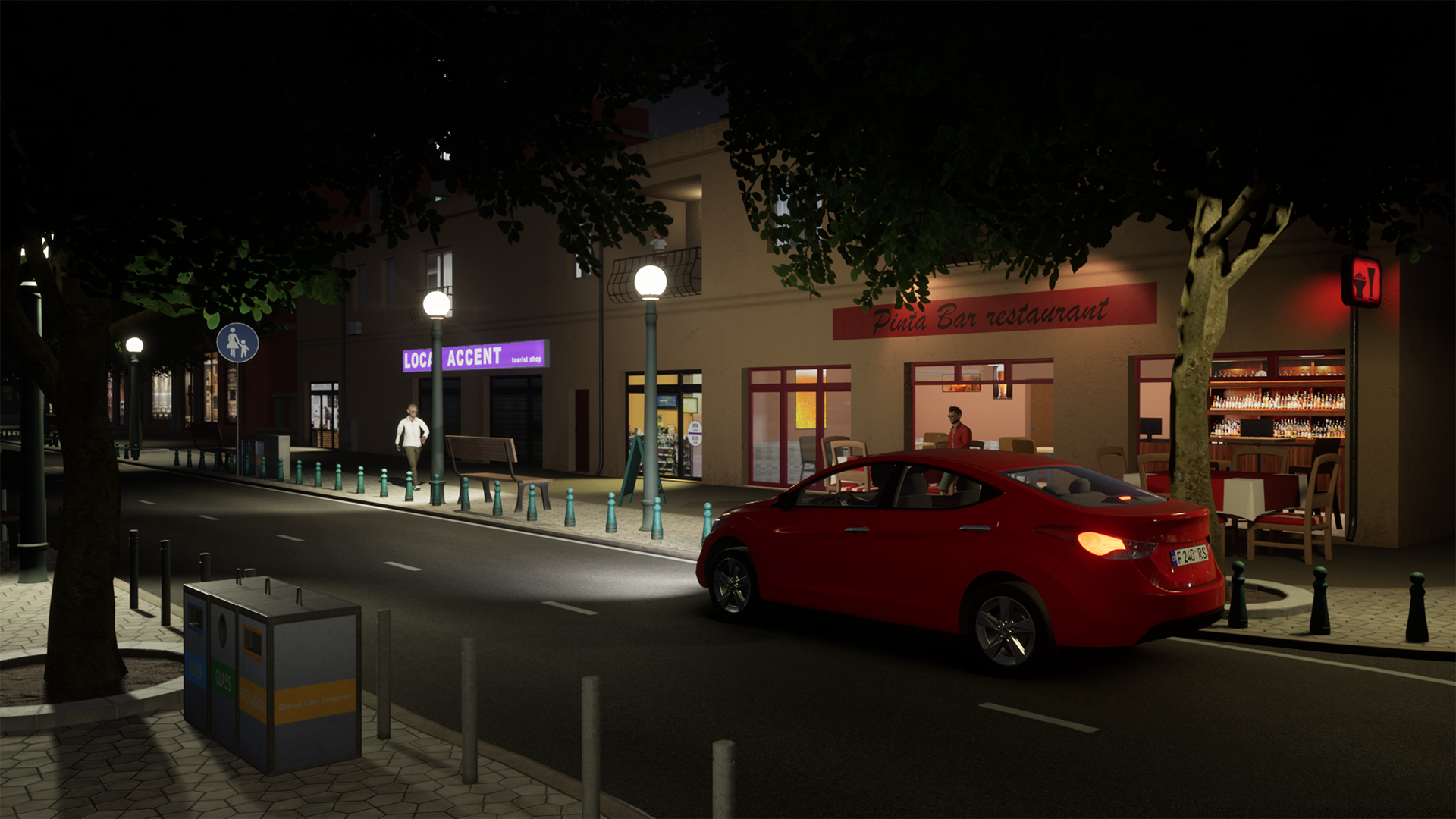
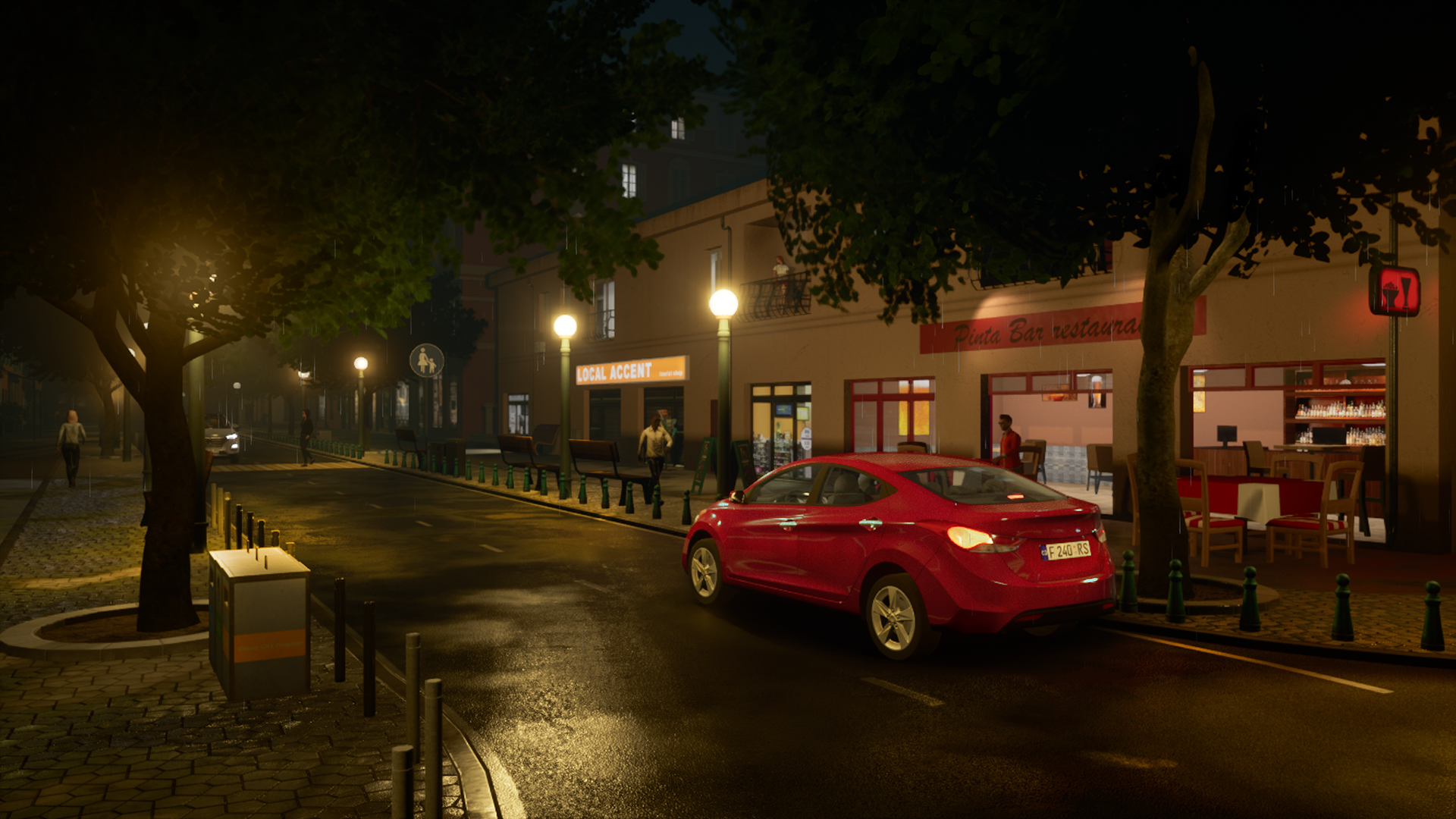
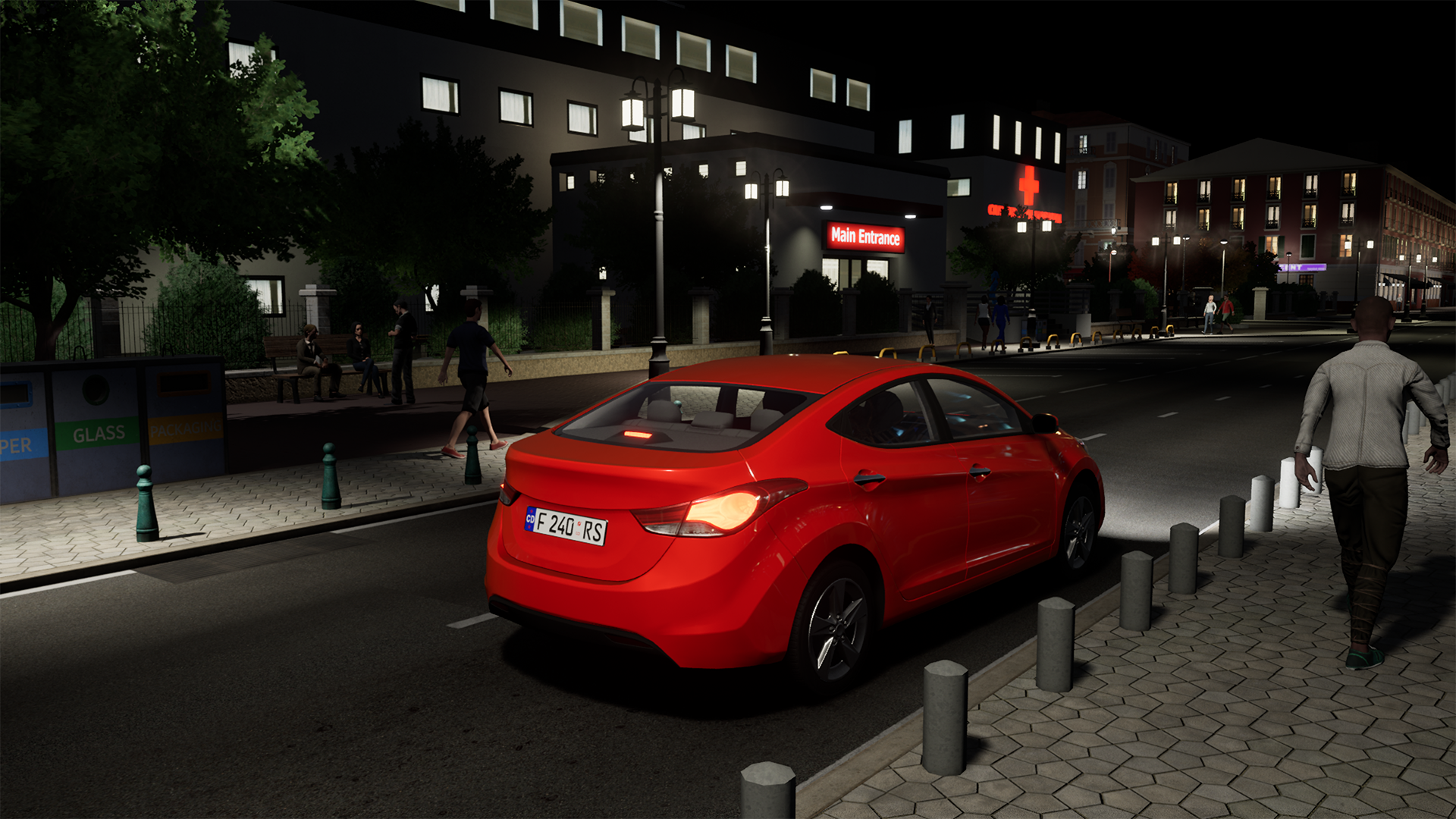
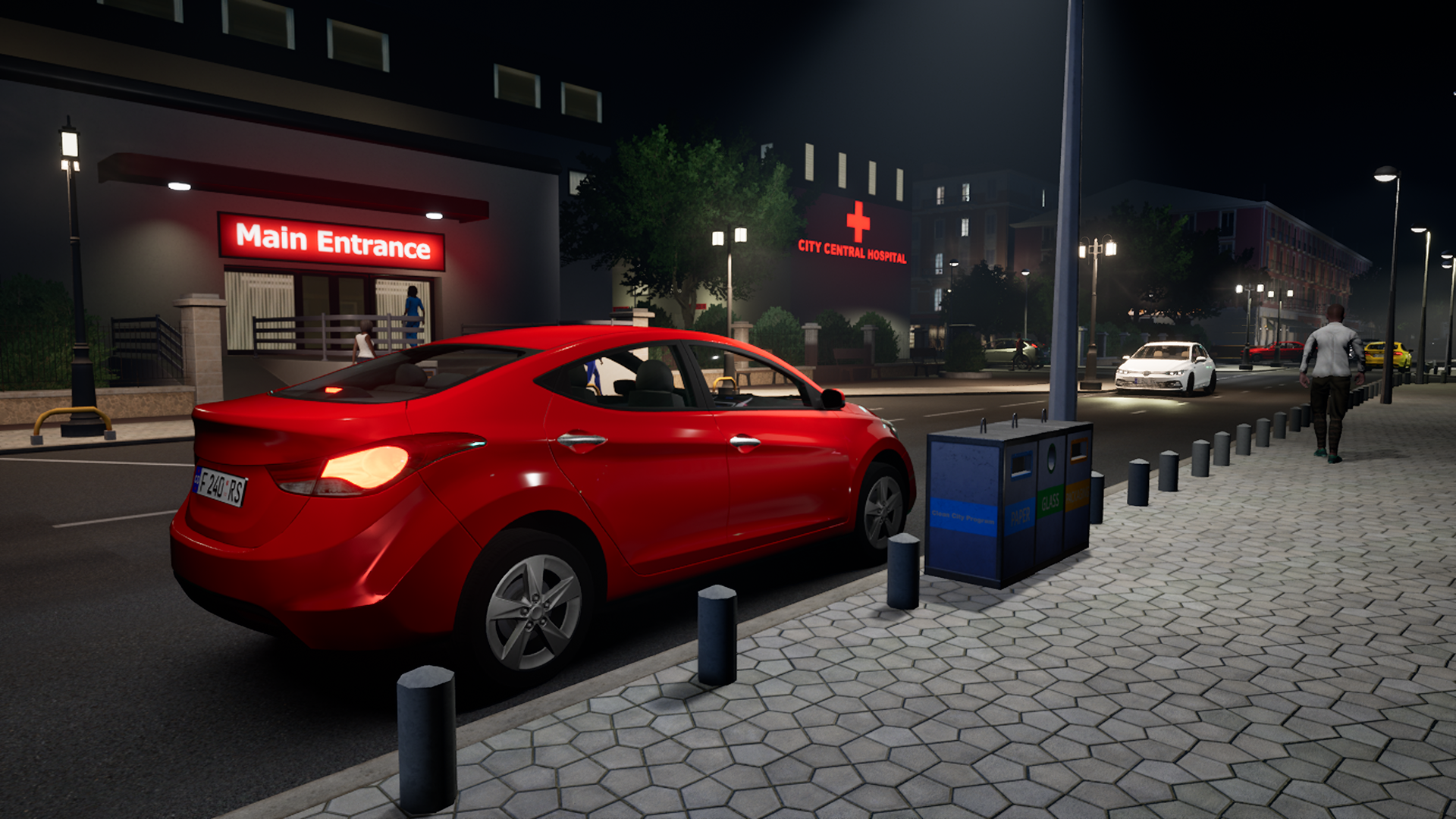
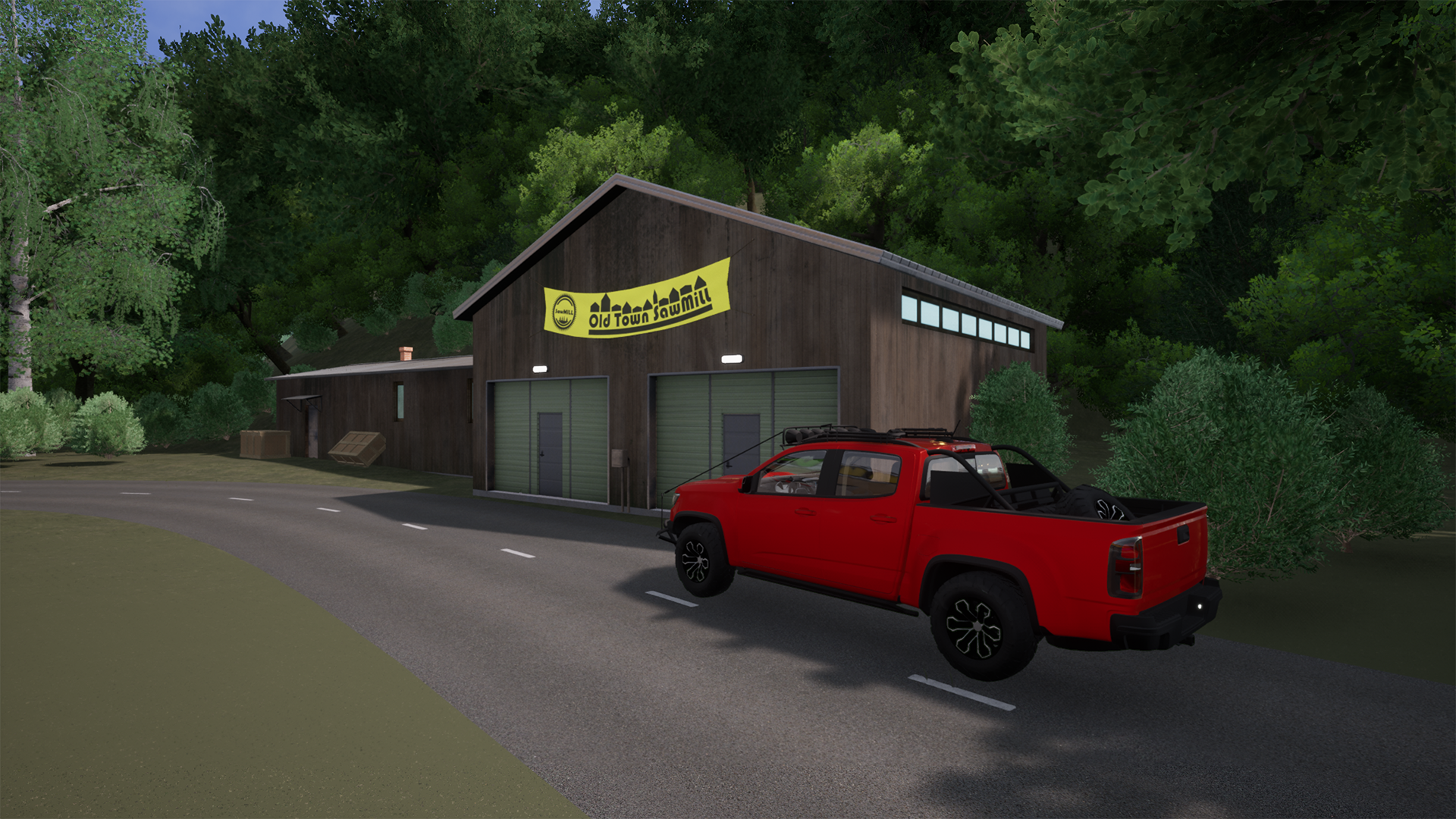
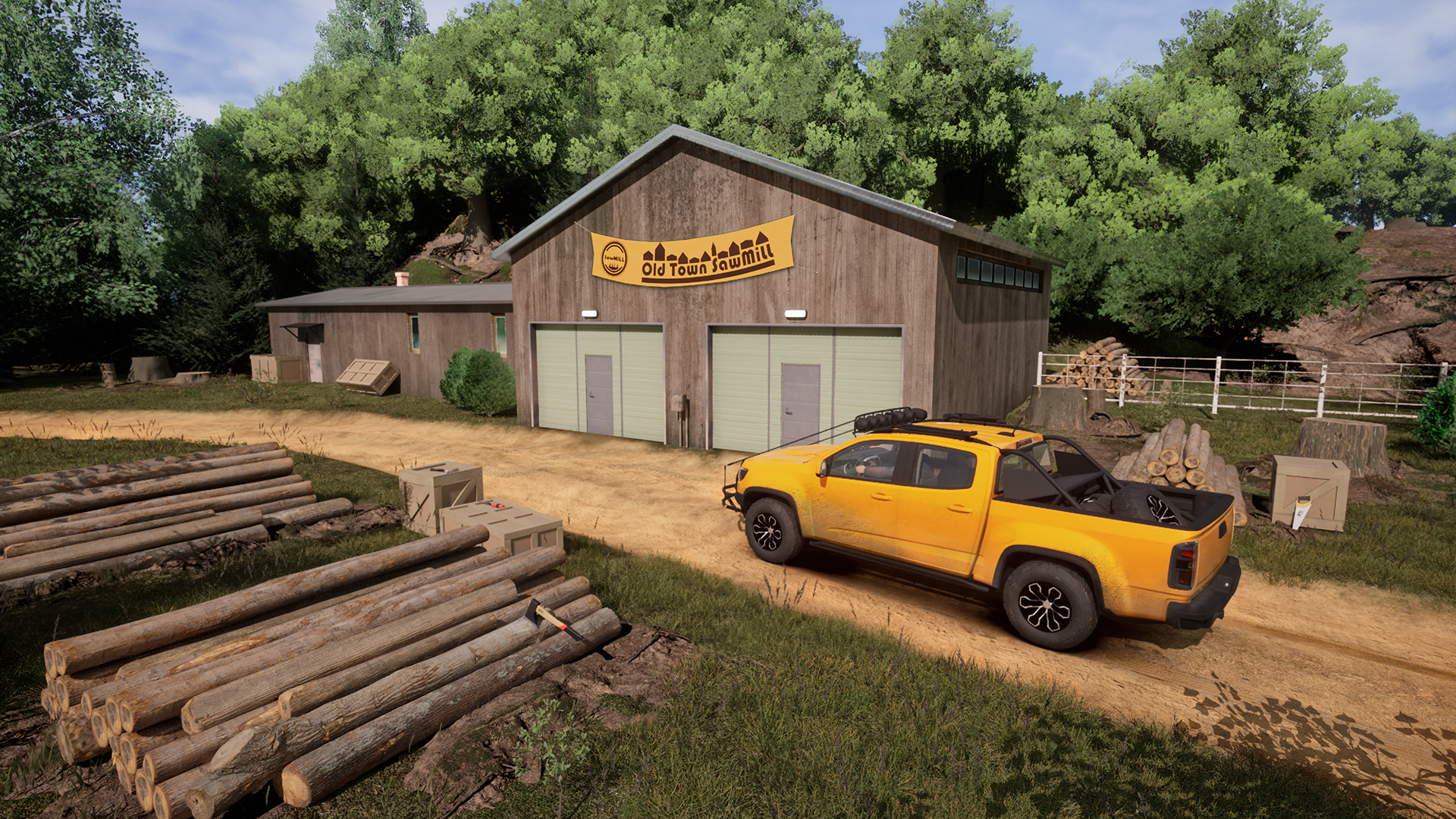

You can always find out more about the upcoming game before its release in the Developers Logs, regularly published every two weeks.
In the next issue, we will talk about the implementation of the weather system and share information on how we implemented it.
Developers Diaries are published every two weeks. Don’t miss them!