
These days winters are not associated in many places (especially in the northern hemisphere) with incessant snow and ice, but the colder season still means difficulties for airports - they have to be prepared for anything, especially the harshest weather conditions.
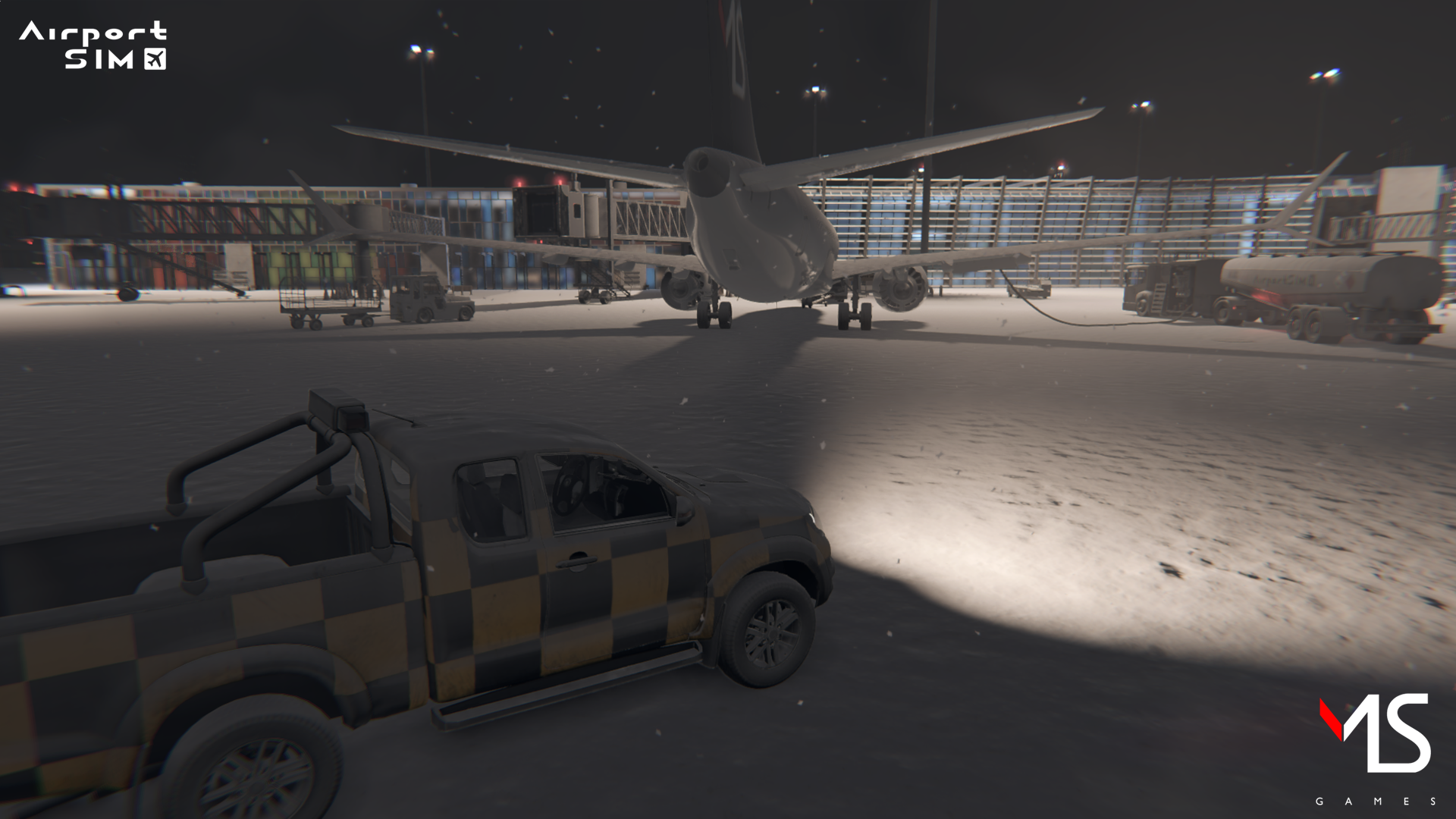
What is the biggest problem in aviation when winter comes? Those who think about temperature and fuel problems are wrong. Aviation fuel only freezes at -40 degrees Celsius, and importantly: we are talking about the temperature on the ground, not in the air. What does this mean?
During flight, the temperature outside the aircraft is as low as -56 degrees Celsius. How come fuel is not freezing? To put it simply: because it passes through the engine and is heated there. The cool air itself also has a higher density and so the plane can reach its destination using less fuel, meaning the flight is more efficient. To be honest, it's the warm air that poses more of a problem for planes - already at around 50 degrees Celsius on the plus side, plane can have trouble taking off from an airport.
OK... so if not low temperatures, then what hinders the operation of airports in winter? The answer: atmospheric phenomena associated with low temperatures, namely snowfall and ice deposition. In addition, there can be fog or even snow blizzards - although this problem is reduced with the help from ILS system, about which you can read more here.
The key is to properly secure the airport for adverse conditions. So what are the procedures?
Snow removal
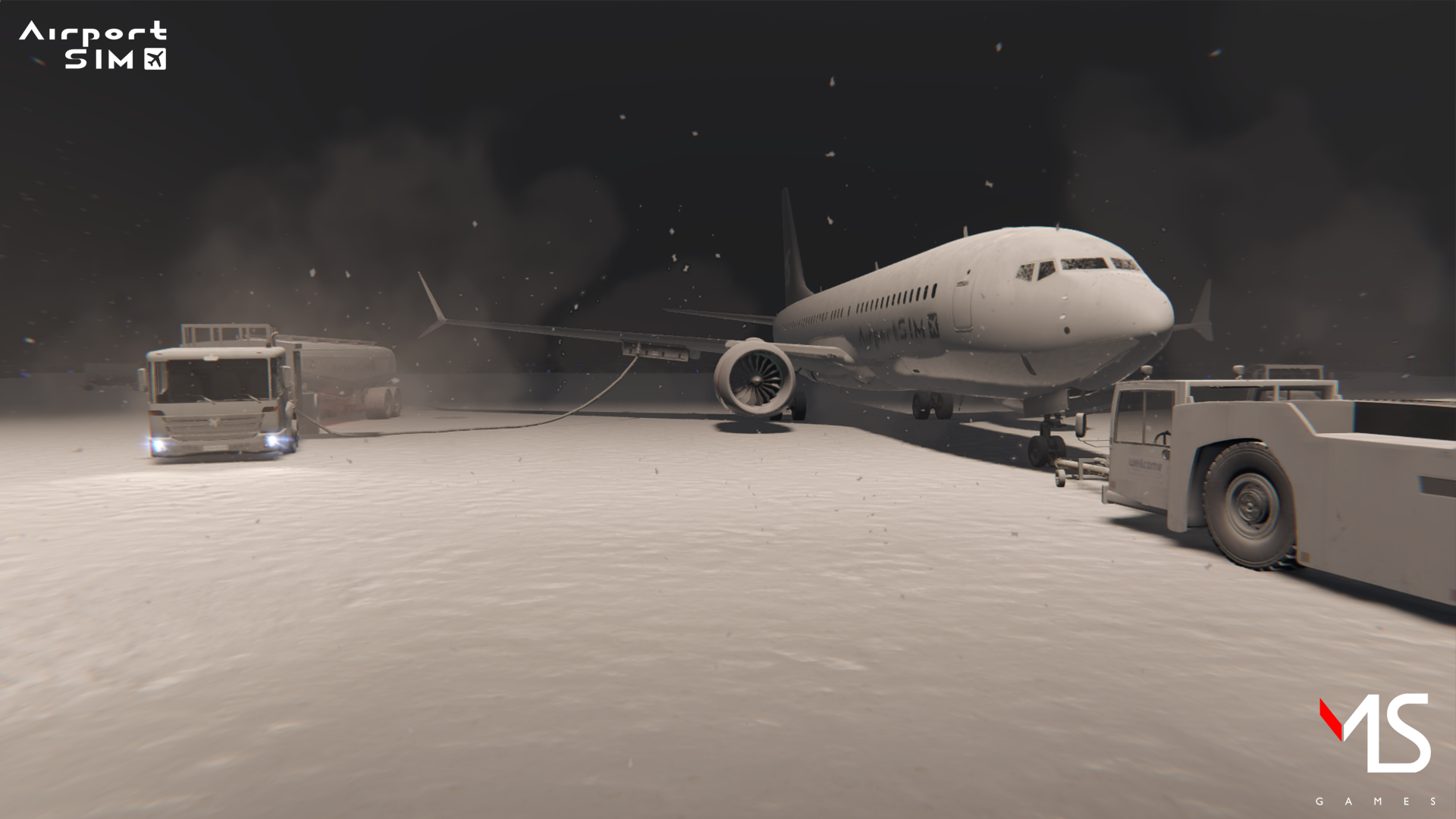
This is the most important operation to be carried out at the airport: various types of machinery will be used to remove snow from the runway, such as plows, vehicles equipped with special brushes to thoroughly remove the layers that the plows have not been able to remove or even large blowers that are designed to remove even the smallest snow accumulation with the use of warm air.
So how much equipment are we talking about? Well, let's check the 2021 season list from small polish airport "Zielona Góra-Babimost":
4x sets of snowblowers,
2x sprinklers,
1x tractors,
1x rotor
1x deicing machine
resources consumed annually:
+/- 12-15 Tons of urea
+/- 5-6 tons of formate
+/- 1000l of deicing fluid
Now you can imagine what kind of forces are needed to carry out similar operations at the worlds largest airports.
AIRCRAFT DEICING
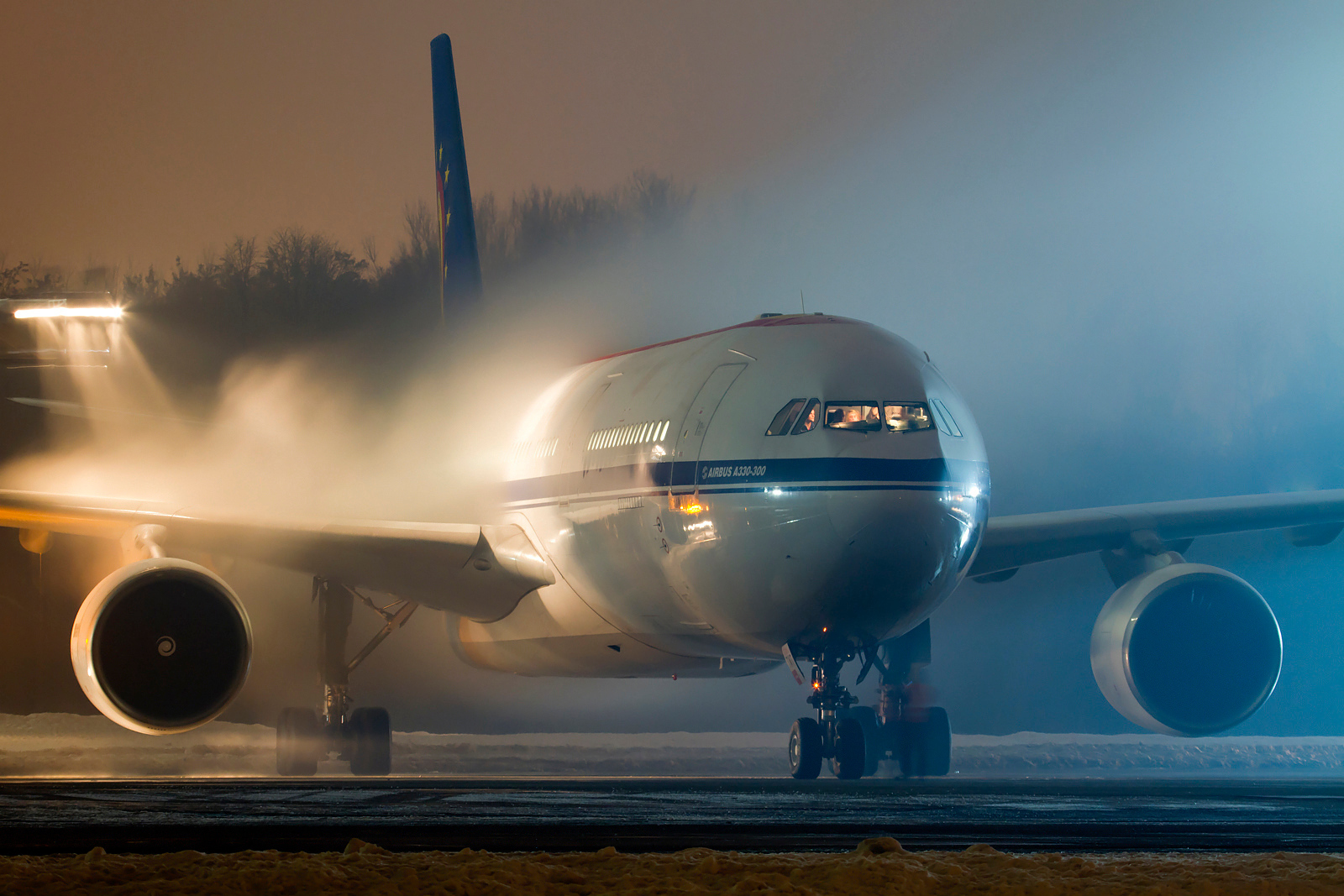
fot. Welcome Airport Service
Airplanes also need to be handled in terms of snow removal and deicing. While desnowing an airplane is not a big problem, protecting it from ice is more important. Frozen water not only puts a strain on the structure, but also affects its load-bearing capacity. That's why machines are sprayed with a special agent before takeoff to prevent freezing. In turn, during the flight itself, the wings of the aircraft are protected from snow and ice deposition by a heating system that warms the wings from the inside.