I'm happy to announce that the new changes to the African Kingdom expansion go live today. This update sees a re-work of the African culture and changes how the African Kingdom campaign will be played.
Overview
After completing the Tribes of Gaul campaign, I felt that the African Kingdom campaign was lacking. Where in the Gaul campaign you had a wide range of resources and buildings, the African campaign mostly used a mixture of Roman and African resources and buildings.
It felt like the African campaign focused too much on Rome. While Rome is important and still plays a role in Africa, I wanted the African people, along with their buildings and resources to be the primary focus of the campaign. With these changes I'm very happy with how the campaign now plays (and I hope you will be too!)
The Tribal Hunters
With all of the new buildings and resources, it felt like the two original groups (the Tribesmen and Tribal Nobles) just weren't enough.
Added in this update is a brand new group of citizens - the Tribal Hunters
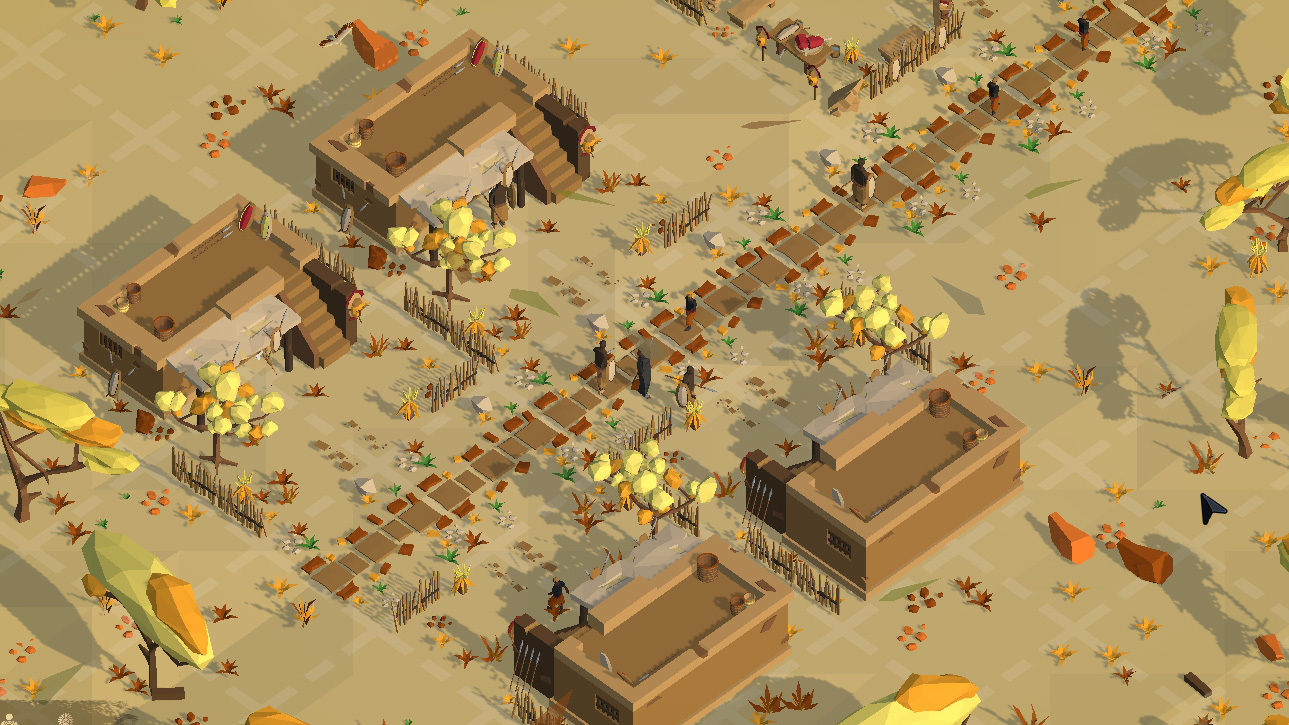
These hunters form the mid level part of African society. Working across a range of industries and civic services in the village.
Much like the tribesmen and nobles, they have four dwelling levels and will require progressively more resources and civic services to upgrade. Multiple missions in the campaign will have you focus on growing this group and ensuring they are developing. Resources such as Ebony Trinkets, Spiced Meat and Tanned Hides will be in high demand from this group.
New Resources
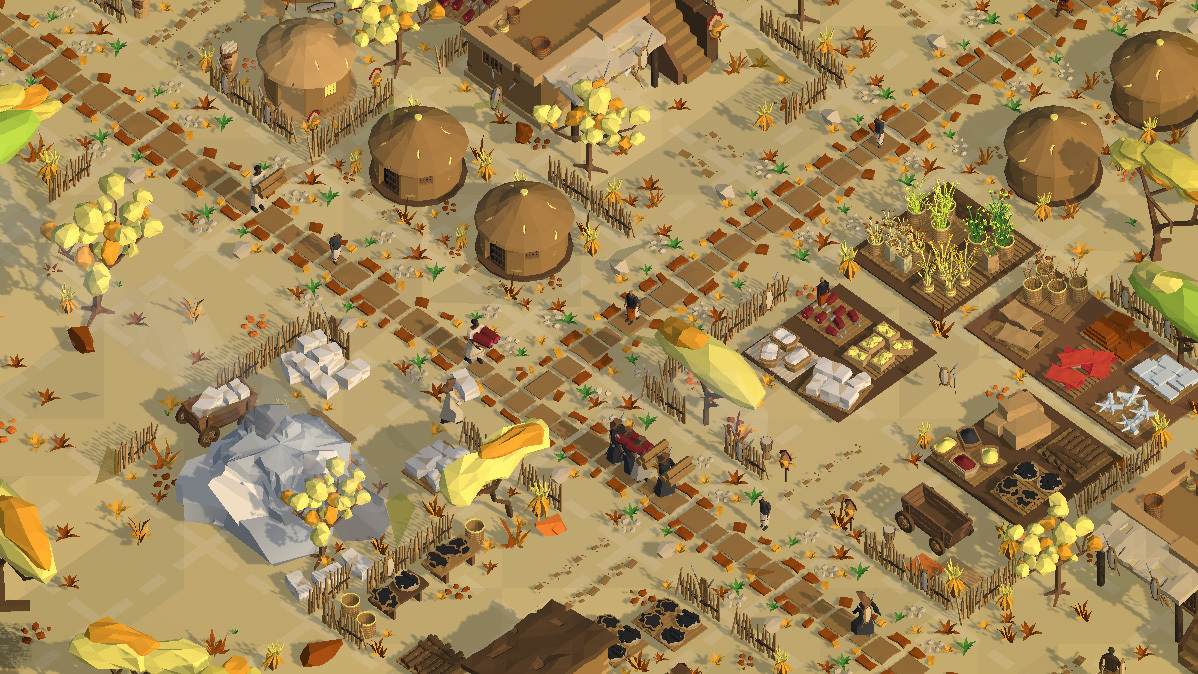
A massive part of this update is the introduction of over a dozen new resources.
Each of these resources has been created to either be a stand-alone resource, or a resource that requires one or more steps of processing to create a final product. Without spoiling too much, here are a few new resources that have been created.
Ebony
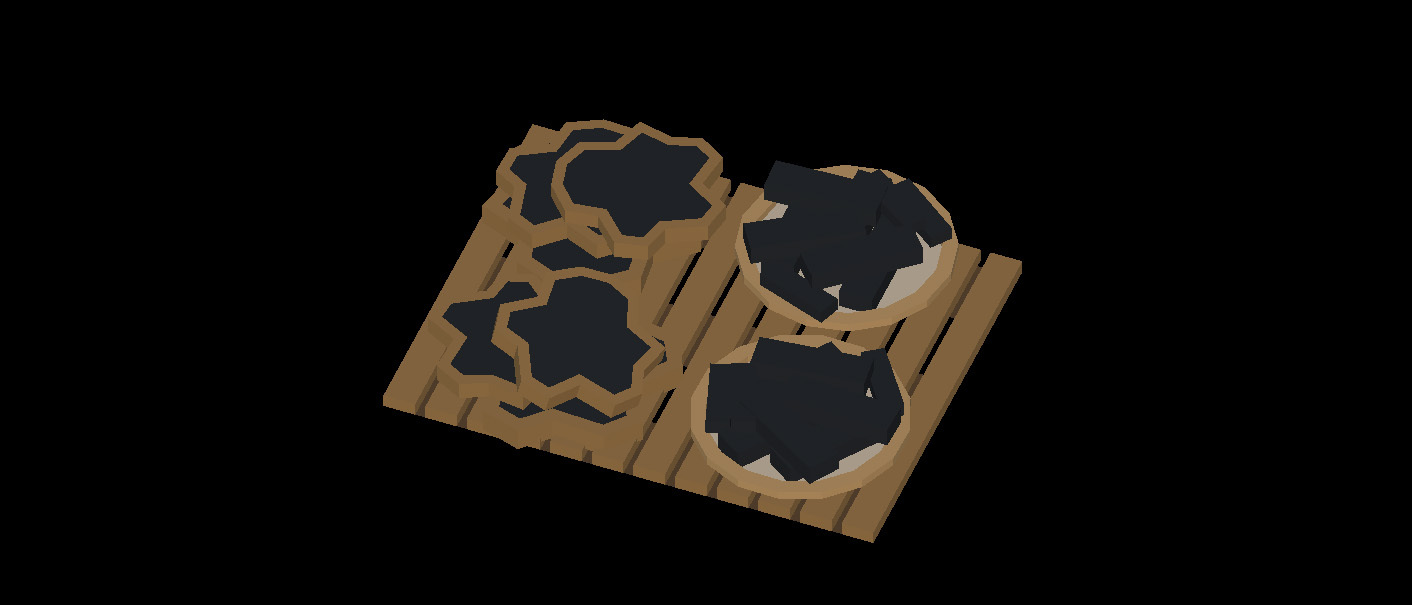
Created at a Ebony Crafter and requires Wood. Ebony is used to create Ebony Trinkets which is highly desired by the Tribal Hunters and used as a component in the creation of Tribal Jewelry.
Earthenware
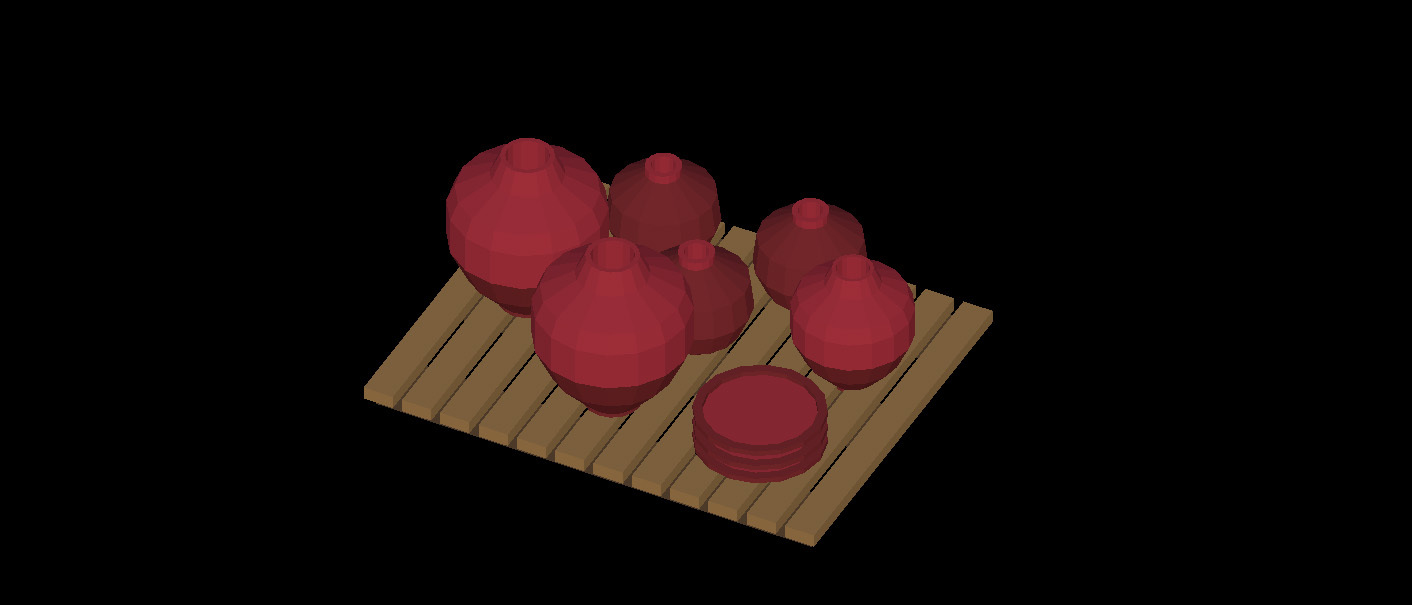
Created at a Ceramic Artist, this resource is highly desired by the Tribal Nobles and is crafted via a combination of Water and Rough Clay, the latter being collected from a Clay Mine
Tribal Bread
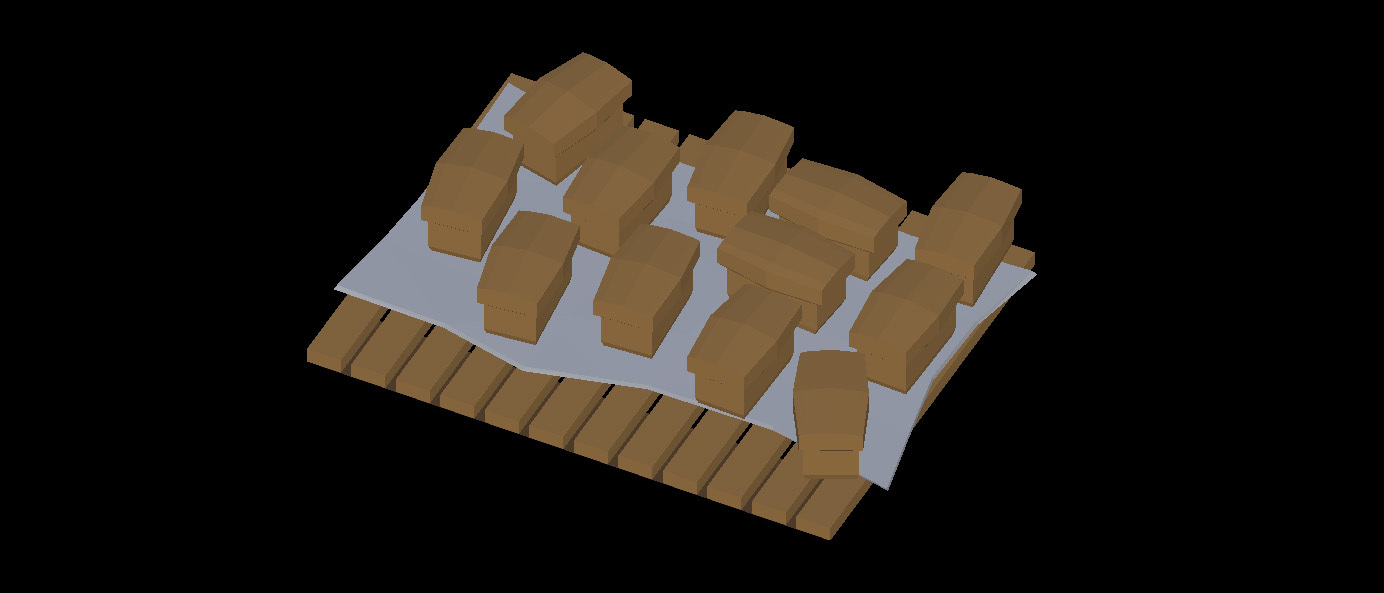
Required by Tribesmen and created via a combination of Barley, Millet and Sorghum at the Tribal Bakery. To upgrade your tribesmen's dwelling you'll need a good supply of bread to make them happy.
Spice
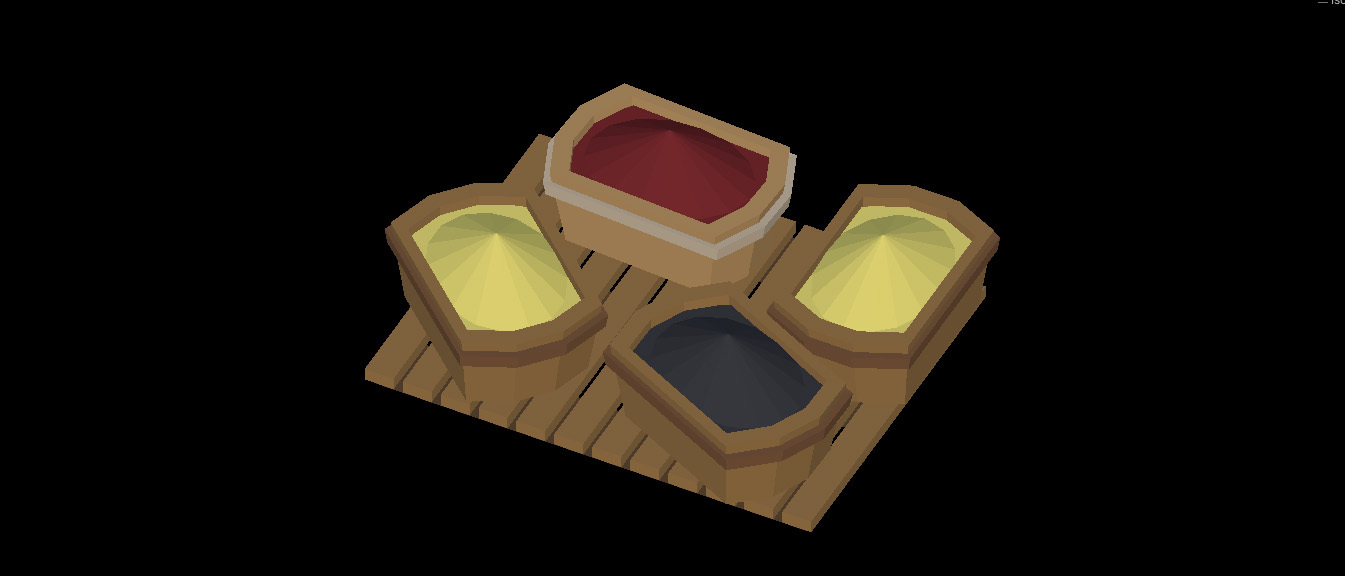
Created at a slow but stead rate from the Spicemaker. Multiple spices were made in the African region and they were both traded to Rome and used locally for the creation of Spiced Meat
New Industries & Building
To facilitate the creation of all these new resources, I've added a range of new industrial buildings.
You'll have to play the campaign to get to know each of them, but here's a few screenshots of several related buildings connected together to create these new resources.
Spiced Meat
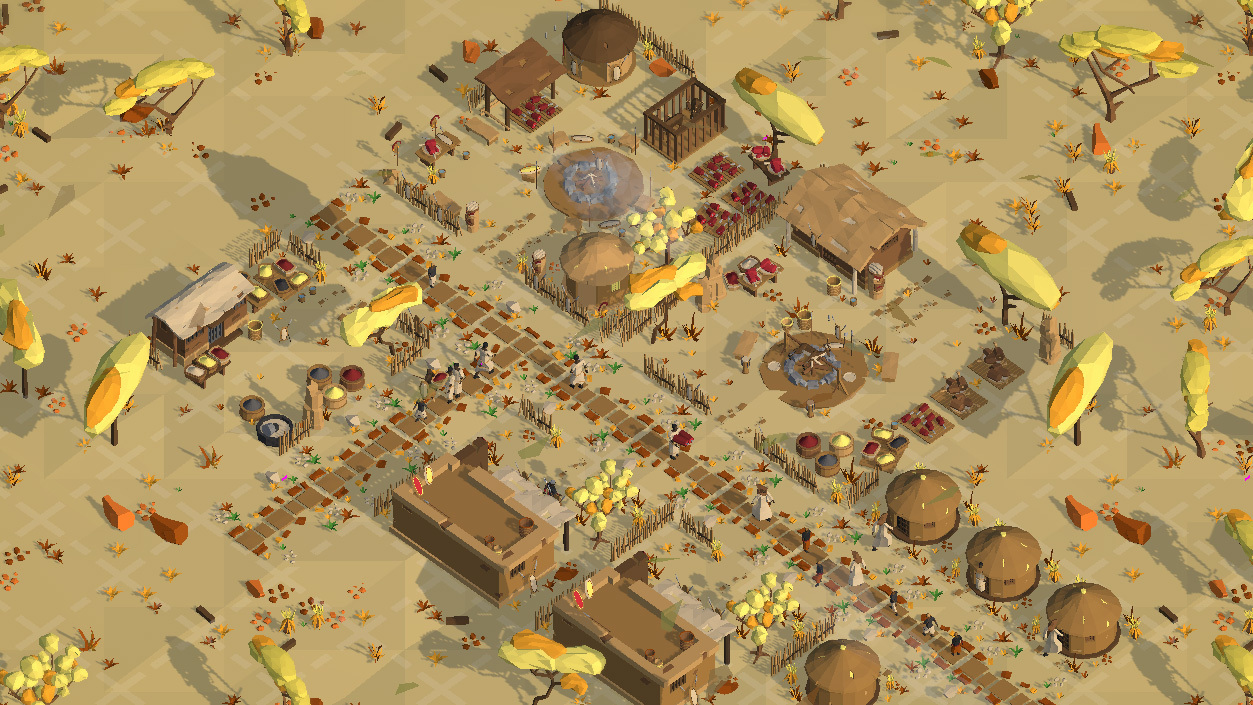
The newly added Game Hunter will produce a volume of Game Meat for the village. This meat, along with Spices produced by the new Spicemaker building will be taken to the Village Cookery to create Spiced Meat
Ivory Trinkets
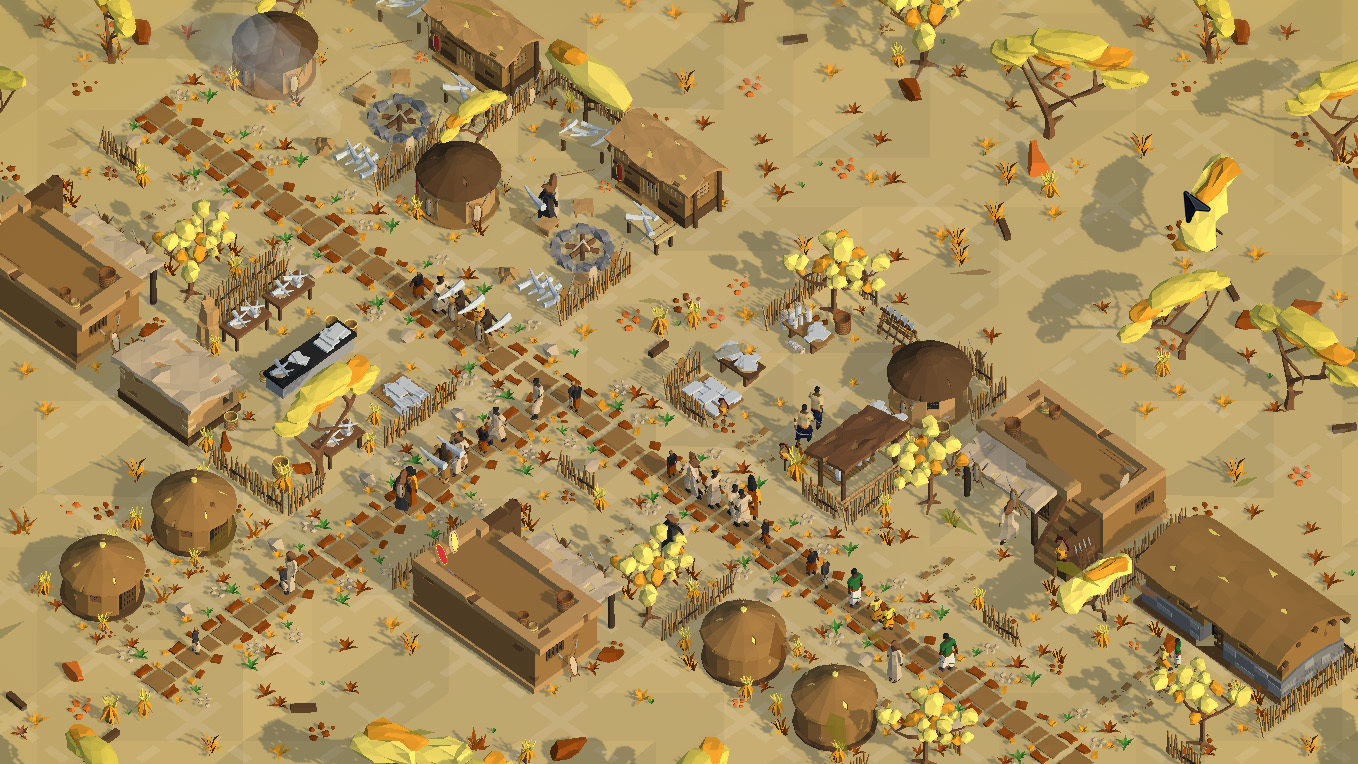
Much like before you will create Ivory from the Tribal Hunters building and will craft it into Refined Ivory at the Ivory Crafter, but now you will take that ivory and bring it to the Artisans Retreat where it will be used to create Ivory Trinkets for the Tribal Nobles
Earthenware & Jewelry
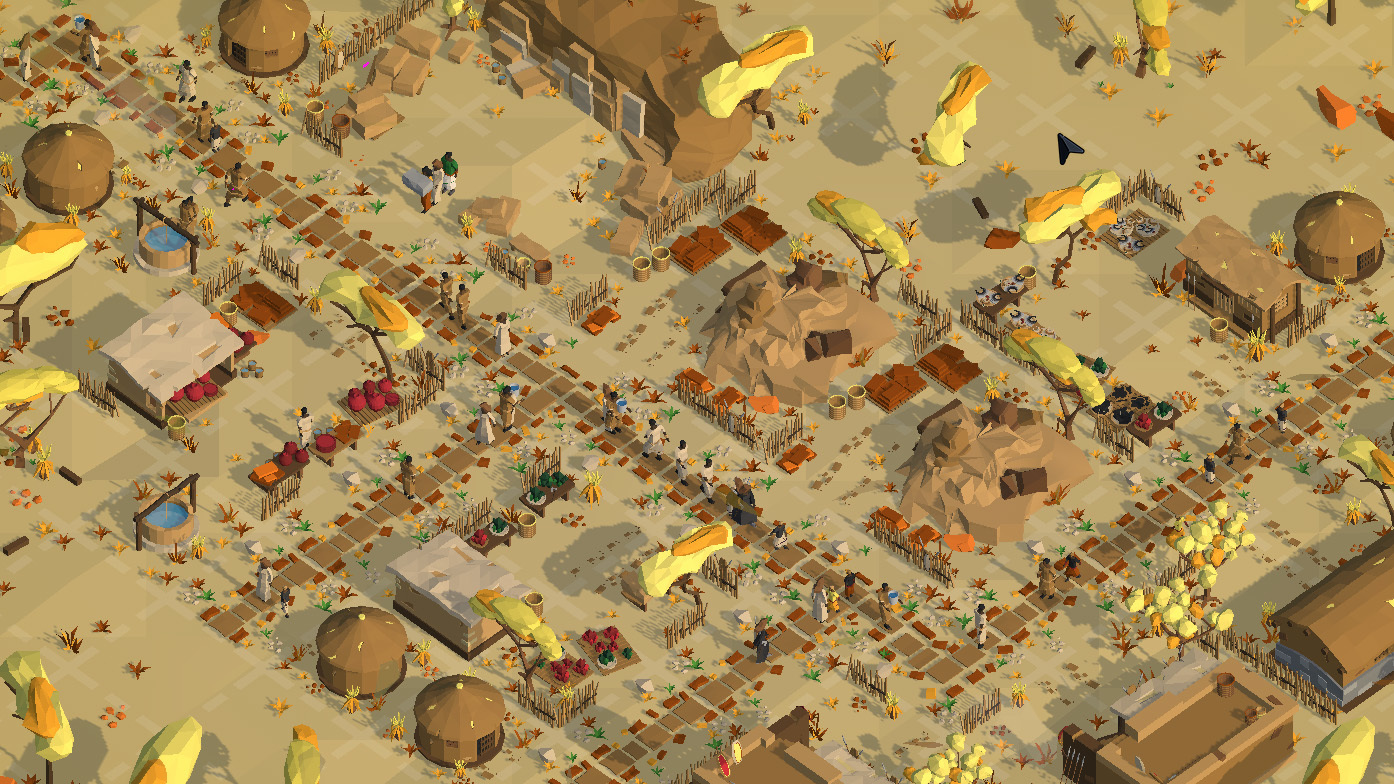
Earthenware is created by a combination of Water and Rough Clay. Rough Clay can be collected from the Clay Mine and when brought to the Ceramic Artist they will produce a steady supply of Earthenware.
Tribal Jewelry on the other hand required Ebony (created by an Ebony Crafter) and Precious Stones. You'll have your Mineral Shaper create these items by collecting stone and prospecting them into gems. The Master Craftsmen building will then be able to produce Tribal Jewelry
Senate Missions
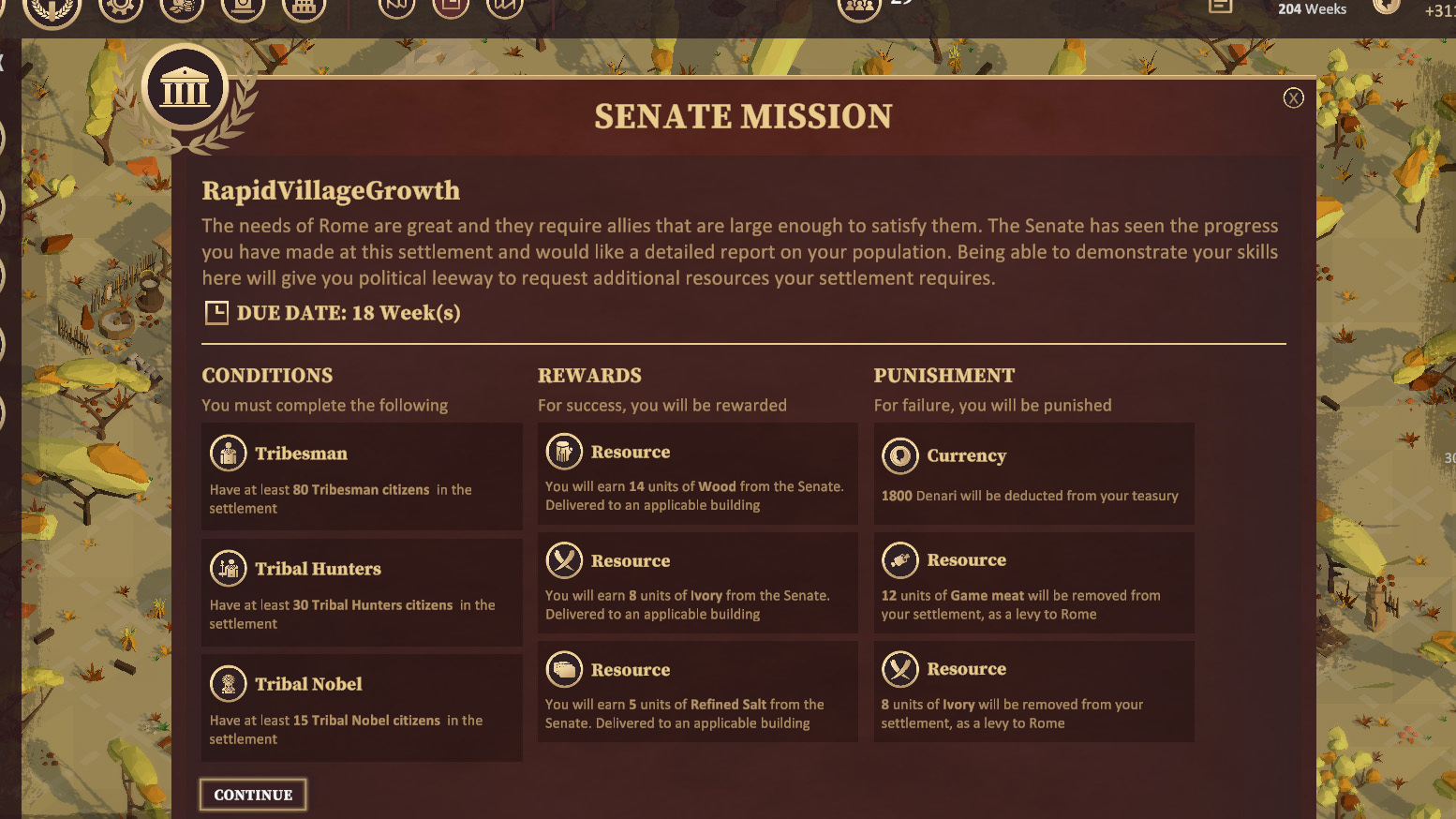
Another big feature introduction is the addition of Senate Missions to the African scenarios. If you've played the Roman or Gaul campaign you'll be familiar with these.
From scenario 5 and onwards you'll be occasionally tasked with a mission by the Senate. Each of these has been custom made for the scenario and ask you to provide goods, services or population growth. These mission provide guidance and help you keep on track with what your ultimate goals for the scenario should be.
There are around six Senate Missions for each of the scenarios. Each scenario has a cap on missions, ranging from only allowing 2 activate in scenario 5 all the way to having 4 in scenario 10. These missions have great rewards, often giving you resources or assistance, however, failing these missions often gives you dire punishments such as taking your resources or reducing your time limit.
Campaign & Gameplay Adjustments
There are now 10 Scenarios in the campaign. The first three will just focus on African and should get you familiar with all of the social groups and their requirements. From scenario 4 onwards you'll often need to create both African and Roman buildings and resources to satisfy the Senate.
The difficulty and time limit for each scenario has been updated. You'll find the difficulty scales better with each scenario. The overall idea being that each scenario should ask a little more of you, requiring new resources and more complex buildings, all of it culminating in scenario 9 and 10 where you need to build a truly massive settlement.
Where to from here?
After the release ill be watching the forums for feedback and correcting any bugs or balance issues.
I'm pretty happy with the time requirements on each scenario, but i'll be looking at tweaks and adjustments over the next few weeks to make sure the scenarios feel challenging but fair.
Would love to hear from you guys if you have any feedback.
Cheers