Dev Blog #86
Greetings, comrades! As promised earlier, today we have a substantial dev diary dedicated to our plans for the coming year across the entire IL-2 series. To provide a clearer overview, we have prepared a Roadmap for the second half of 2026 and the first half of 2027, following th
Greetings, comrades!
As promised earlier, today we have a substantial dev diary dedicated to our plans for the coming year across the entire IL-2 series. To provide a clearer overview, we have prepared a Roadmap for the second half of 2026 and the first half of 2027, following the same format as before.
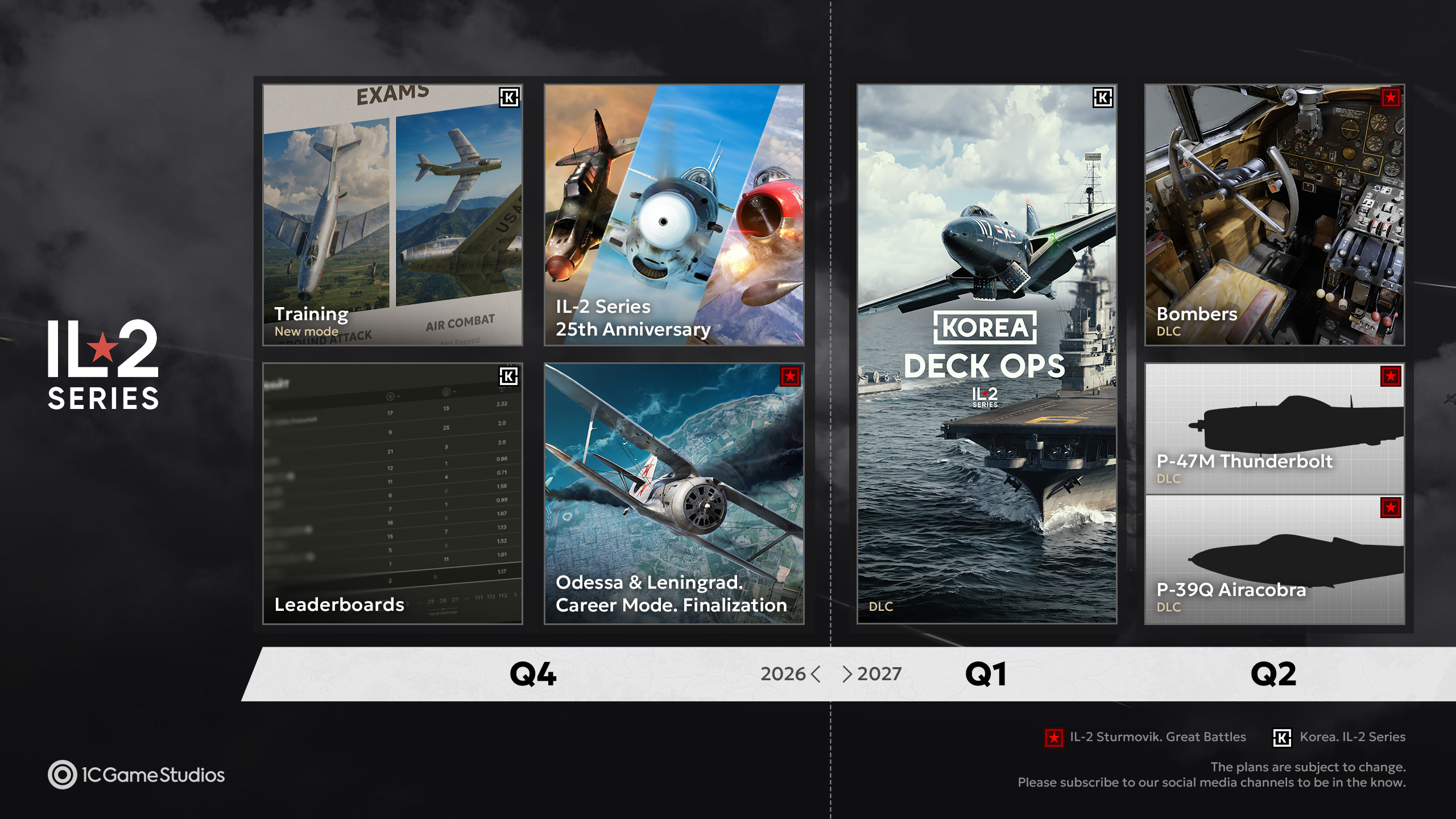
In 2026, as well as in the beginning of 2027, new modes and major expansions will be introduced to players.
By the end of 2026, the Korea combat flight simulator will receive a training mode and multiplayer leaderboards. Development of the Odessa and Leningrad: Siege and Liberation expansion will also conclude by the end of 2026.
In Q1 2027, the Deck Ops expansion will be released for Korea. It will feature five new carrier-based aircraft and an Essex-class aircraft carrier.
In the Great Battles series, three expansions will be released in 2027. The first expansion — Bombers — will mark the series debut of player-controlled multi-crew bombers and reconnaissance aircraft. In the first half of 2027, the P-47 Thunderbolt and P-39Q Airacobra collector planes will be added.
All expansions will be available on the official IL-2 website and on Steam. Exact Early Access and full release dates will be announced later.
Now, let's take a closer look at each major expansion.

IL-2 Sturmovik: Bombers is one of the riskiest expansions we have ever created for Great Battles. The reason is that creating a bomber for a combat flight simulator is a very difficult, costly, and lengthy undertaking. On average, a bomber requires 4-5 times as much work on the most complex part of the aircraft's visual model – the cockpit. The exterior model also requires, on average, twice as much effort as that of a fighter – a bomber's engine nacelle alone is usually comparable in complexity and detail density to practically the entire forward fuselage of a single-engine aircraft.
Long ago, when we were creating Operation Bodenplatte and Battle of Normandy, along with two AI-controlled twin-engine medium bombers for them – the B-25 Mitchell and B-26B Marauder – you asked us, "Could they ever become available to players?" We replied, "Yes, it may be possible in the future. At the very least, we are building the exterior 3D models so they can later be further developed for use as player-controlled aircraft." And we did not mislead you – that is exactly what happened. Time passed, and circumstances allowed us to allocate all the resources required for this work.
But that did not seem like enough to us. If we were going to do it, we were going to do it on a grand scale!
We decided that two American medium bombers for the Western Front would not be enough, so we chose to develop two more player-controlled twin-engine aircraft. The A-20G-25 Havoc is an extensive development based on the A-20B Boston model from Battle of Kuban, while the Fw-189A-2 Uhu is a completely new German twin-engine reconnaissance and artillery-spotting aircraft. Let us take a closer look at all four aircraft. Although we have previously shown our progress on them, you will now be able to see just how far we have advanced..
Fw-189A-2 Uhu


Fw-189A-2 Uhu, or "Rama" ("Frame") as it is better known on the eastern side of the front. This German tactical reconnaissance aircraft had a twin-boom configuration and was powered by two air-cooled inline Argus AS-410 engines with highly distinctive automatic propeller pitch control mechanisms featuring an additional impeller on the propeller spinner.
The aircraft was used extensively by the Luftwaffe on the Eastern Front, while it was not used in the West. Its crew consisted of three people – a pilot, an observer, and a gunner. The observer could fire from the upper gun position, equipped with an MG-81J machine gun in a mount broadly similar in operating principle to the one used on the Ju-88. The gunner fired from a conical tail mount fitted with a twin MG-81Z machine gun. By rotating the entire cone, which formed the tail of the fuselage, around the longitudinal axis, he could move the firing sector to the most convenient position.
In addition to its reconnaissance role, for which it could be equipped with a camera, the aircraft could perform strike missions and was fitted with four hardpoints for aerial bombs weighing up to 50 kilograms. Another notable feature was that the Frame was quite capable of active defensive air combat. Thanks to its large wing area and low weight, it had a tight turn radius and a short turn time. Two forward-firing 7.92 mm MG-17 machine guns could be used against aerial targets.
А-20G-25 Havoc


A-20G-25 Havoc – this will be a highly versatile aircraft, as it will be represented in a wide range of variants. The base aircraft will have the forward bombardier's compartment faired over, with a battery of six .50-caliber M2 machine guns installed in that space, as well as a powered twin-gun Martin turret. The lower "dagger" gun mount will now carry a heavy 12.7 mm machine gun instead of the rifle-caliber machine gun fitted to earlier versions of the A-20.
Such an aircraft lacked a bombsight and could either perform low-altitude strike missions or carry out unaimed bombing from high altitude. In the base configuration, the aircraft will carry American bombs, while Soviet bombs will be available in the Soviet Lend-Lease variant. We also decided to add a "glass nose" variant housing a bombardier's compartment with a Norden bombsight. This version will represent the A-20J modification.
Such aircraft usually served as leaders for formations of A-20Gs without bombsights when bombing was carried out on the command of a bombsight-equipped lead aircraft. On this aircraft, four nose guns were removed, with two retained on the sides of the cockpit, as on the A-20B.
The long-awaited Soviet torpedo-bomber modification will also be available. In the Soviet Union, the aircraft was fitted with racks for torpedoes and heavy bombs, while the rear lower "dagger" gun mount was replaced by a navigator-bombardier station equipped with an OPB-1 bombsight. In other words, this torpedo bomber could also serve as a level bomber.
B-25C/D Mitchell


B-25C/D Mitchell – a twin-engine medium bomber used extensively by the United States and Britain on the Western Front, as well as by the Soviet Union on the Eastern Front. The game will feature the base American configuration, with available modifications allowing it to be converted into the variants used by Britain and the Soviet Union. These modifications primarily concern the bomb armament, but also the sighting equipment. The American and British configurations will be fitted with a Norden bombsight and 250, 500, and 1,000-pound bombs of American or British models, respectively. The Soviet configuration will be equipped with an NKPB-7 bombsight and FAB-100, FAB-250, and FAB-500 bombs.
B-26B Marauder


B-26B Marauder – another twin-engine medium bomber used extensively by the United States Army Air Forces on the Western Front. Overall, the aircraft corresponds to the AI-controlled version created earlier, but detailed, high-quality interiors have now been recreated for every crew station.
The aircraft had a crew of six: two pilots in the cockpit and a gunner-bombardier with a Norden bombsight and a machine gun in the nose ball mount. The rear compartment housed a gunner-flight engineer in the upper powered twin-gun Martin turret, a gunner-radio operator who operated two waist guns in hatch-mounted pintle mounts, and a tail gunner who operated a twin-gun mount using a hydraulic control system.
The pilot could fire four forward-facing machine guns installed along the sides of the forward fuselage, which can be removed as a modification option. All the aircraft's machine guns were heavy .50-caliber M2 Brownings. Unlike the Mitchell, the Marauder carried its bomb load internally – its central bomb bay could hold 250, 500, 1,000, and 2,000-pound bombs with a total weight of up to 4,000 pounds. Thanks to its more advanced aerodynamics and better engine performance, the B-26 was faster than the B-25.
All four aircraft will be integrated into Pilot Career for all the countries mentioned above. Corresponding historically appropriate squadrons will be added for them, allowing players to use their new aircraft on two fronts.

Korea: Deck Ops is the first and quite substantial expansion for our new combat flight simulator Korea. IL-2 Series. It includes five new aircraft that all share one defining feature – they are carrier-based!
F9F-2 Panther


F9F-2 Panther – a carrier-based jet fighter-bomber built by Grumman, with an exceptionally interesting airframe configuration. The engine air intakes are integrated into the thickened wing roots along the leading edge, while the aircraft's fin blends smoothly into the fuselage without forming a clearly distinguishable joint line.
Another curious detail is that the elevators and ailerons were mounted not on conventional hinges, but on piano hinges, which is rather unusual in aircraft construction. Interestingly, the Panther was fitted with an engine similar to the one used on the MiG-15 – the Pratt & Whitney J42-P-8, which, like the Soviet RD-45 and the later, heavily redesigned and improved VK-1, was a version of the British Rolls-Royce Nene with a centrifugal compressor. The aircraft was equipped with reinforced landing gear, an arresting hook, and folding wings – everything required for carrier operations.
The aircraft was armed with four forward-firing automatic 20 mm M3 cannons with a rate of fire of up to 800 rounds per minute. These cannons fired a fairly powerful 20 mm shell similar to that of the British 20 mm Hispano cannon.
In addition, the aircraft could carry up to 2,800 pounds of bombs on eight pylons. Interestingly, the wingtip fuel tanks were not jettisonable, but could be removed in the field. Another interesting fact is that Neil Armstrong flew the Panther during the Korean War.
F2H-2 Banshee


F2H-2 Banshee – a twin-engine carrier-based attack aircraft built by McDonnell. Interestingly, its engines were fully integrated into the wing roots. In this case, they were Westinghouse J34-WE-34 engines with axial compressors. The wing planform also looks quite distinctive, somewhat reminiscent of the technology depicted in comic books of that era. The twin-engine configuration was considered a highly successful solution for naval aviation, since the aircraft could continue and complete its flight after one of its two engines failed.
The Banshee was armed similarly to the Panther – four 20 mm cannons and up to 2,000 pounds of bombs and rockets on eight universal pylons. Unlike the Panther, the Banshee's wingtip tanks were jettisonable.
AD-4 Skyraider


AD-4 Skyraider – a postwar, single-engine, piston-powered carrier-based attack aircraft built by Douglas. The most outstanding feature of this aircraft is undoubtedly its engine. And that is no exaggeration – this is not simply an engine, but the Wright Cyclone 3350, a variation of the monster fitted to the strategic B-29, except that on this version the famous duplex turbocharger was replaced with a more traditional single-stage, two-speed supercharger.
The engine's outstanding output of 2,700 horsepower allowed the aircraft to carry a standard bomb load of 9,000 pounds and up to 10,500 pounds in an overloaded configuration. Its forward-firing armament consisted of two or four 20 mm M3 cannons. Another interesting feature was the excellent forward and downward visibility provided by moving the pilot's cockpit forward to the area of the wing's leading edge, so the wing did not obstruct the view in that direction. With its rather brutish appearance, the Skyraider can be called the living embodiment of the old aircraft design maxim: "Anything can be made to fly if you have a powerful enough engine."
F4U-4 Corsair


F4U-4 Corsair – the best carrier-based fighter at the end of World War II. It first entered combat in the Battle of Okinawa. Just as the F-51D Mustang was called up by the ground forces, the veteran Corsair was also called up in large numbers by the Navy and Marines for the war in Korea.
Here, too, aircraft were pulled out of storage and ferried across the ocean. Lieutenant Guy Pierre Bordelon achieved five aerial victories in the fifth version of the Corsair, becoming the last piston-engine ace in history. The aircraft was armed with six forward-firing .50-caliber M2 Browning machine guns, or, in a modified variant also represented in the game, four 20 mm M3 cannons. The aircraft had two center-section racks capable of carrying 1,000-pound bombs, as well as eight additional hardpoints under the outer wing panels for rockets and smaller bombs.
FB MK.11 Sea Fury


FB MK.11 Sea Fury – a British carrier-based fighter-bomber built by Hawker. Other countries of the North Atlantic Alliance also took an active part in the Korean War, though on a smaller scale than the United States. And here, of course, we are talking about Great Britain.
At the start of the war, British air forces primarily flew combat missions in the Sea Fury. A British pilot model will, of course, be developed for the British aircraft. If the subject proves popular, a future expansion devoted to the British Commonwealth's participation in the Korean War may also be possible.
Speaking of the Sea Fury – it is a postwar aircraft equipped with a powerful 2,500-horsepower Bristol Centaurus XVIII engine. Given the British aircraft's lower weight compared with the enormous Skyraider, this combination of engine and airframe gives the FB.11 an exceptional power-to-weight ratio. The aircraft was armed with four British 20 mm Hispano cannons, comparable in performance to the American M3s. The aircraft could carry two 1,000-pound bombs and was also equipped with six rocket hardpoints. It could carry up to twelve unguided 60-pound RP-3 rockets when mounted in two tiers.
Essex SCB-27A
All these beauties are carrier-based aircraft. And, of course, they need the deck of an aircraft carrier to fully experience every aspect of their handling and combat employment. And then it takes the stage – a 274-meter-long, 40,000-ton, 154,000-horsepower American maritime leviathan.


It is an Essex-class aircraft carrier in its postwar SCB-27A modernization configuration. In this configuration, the turret-mounted 127 mm dual-purpose guns and 40 mm Bofors guns were removed, while rapid-firing automatic twin 76 mm guns were added. As a result, the ship was armed with eight single 127 mm guns, fourteen twin 76 mm mounts, and eight single 20 mm Oerlikon automatic cannons.
The ship was also equipped with advanced radar systems that allowed it to monitor the airspace at long ranges around the clock and coordinate aviation operations. The ship's enormous hangar, extending from bow to stern, could accommodate up to 80 aircraft. To raise this entire armada to the flight deck and return it below, the Essex was equipped with three aircraft elevators, also known as lifts – bow and stern elevators on the deck centerline, as well as a side elevator on the port side. The hangar had numerous large side openings for ventilation and other needs, but all of them, including the elevator opening, could be closed with roller-shutter-style doors. The power plant propelled this monster to a speed of 32 knots, which also significantly improved conditions for carrier aviation during takeoffs and landings. The aircraft carrier was also equipped with two bow-mounted hydraulic catapults, while the modernization added an escalator lift for the pilots, its shaft clearly visible on the starboard side of the ship beneath the island superstructure.
HO3S-1


HO3S-1 - an AI-controlled helicopter. A "naval" rescue variant from the Sikorsky S-51/H-5 helicopter family.
It made its first flight in February 1946, and by the time of the Korean War it was in service with the United States Army, Marine Corps, and Navy, as well as the armed forces of other countries. The helicopter could perform a wide range of missions, including liaison, reconnaissance, medical evacuation, and the rescue of pilots shot down over the battlefield.
The helicopter was built according to the "conventional" configuration with a tail rotor and was powered by a 450-horsepower piston engine. For operations from ships, the main rotor blades could be folded along the tail boom. In addition to the pilot, the cabin could accommodate three more people on a rear bench.
The helicopter was equipped with a special rescue hoist for evacuating people from the ground or water. The rescue hoist could be called the helicopter's main "weapon", since aircraft of this type performed search and rescue duties for the United States Navy at the time. They also provided rapid assistance during carrier aviation operations, constantly hovering near the aircraft carrier and remaining ready to respond to an accident and recover a pilot from the water as quickly as possible.


The interaction with the aircraft carrier, the specific set of Commander Career missions, tasks involving the air defense of the carrier group, and, of course, suicidal missions in which the Red side attempts to break through to the heart of that group – all of this represents the new gameplay mechanics we told you about earlier when discussing the upcoming expansion.
Development of the Deck Ops expansion is now in full swing, and we will publish more Dev Blogs devoted to each of the aircraft in development and, of course, the aircraft carrier.
In order to stay up to date with all the work and new features, please subscribe to our social media channels and follow the updates: Discord, Facebook, YouTube, Reddit, and X.
Good hunting! Stay tuned!

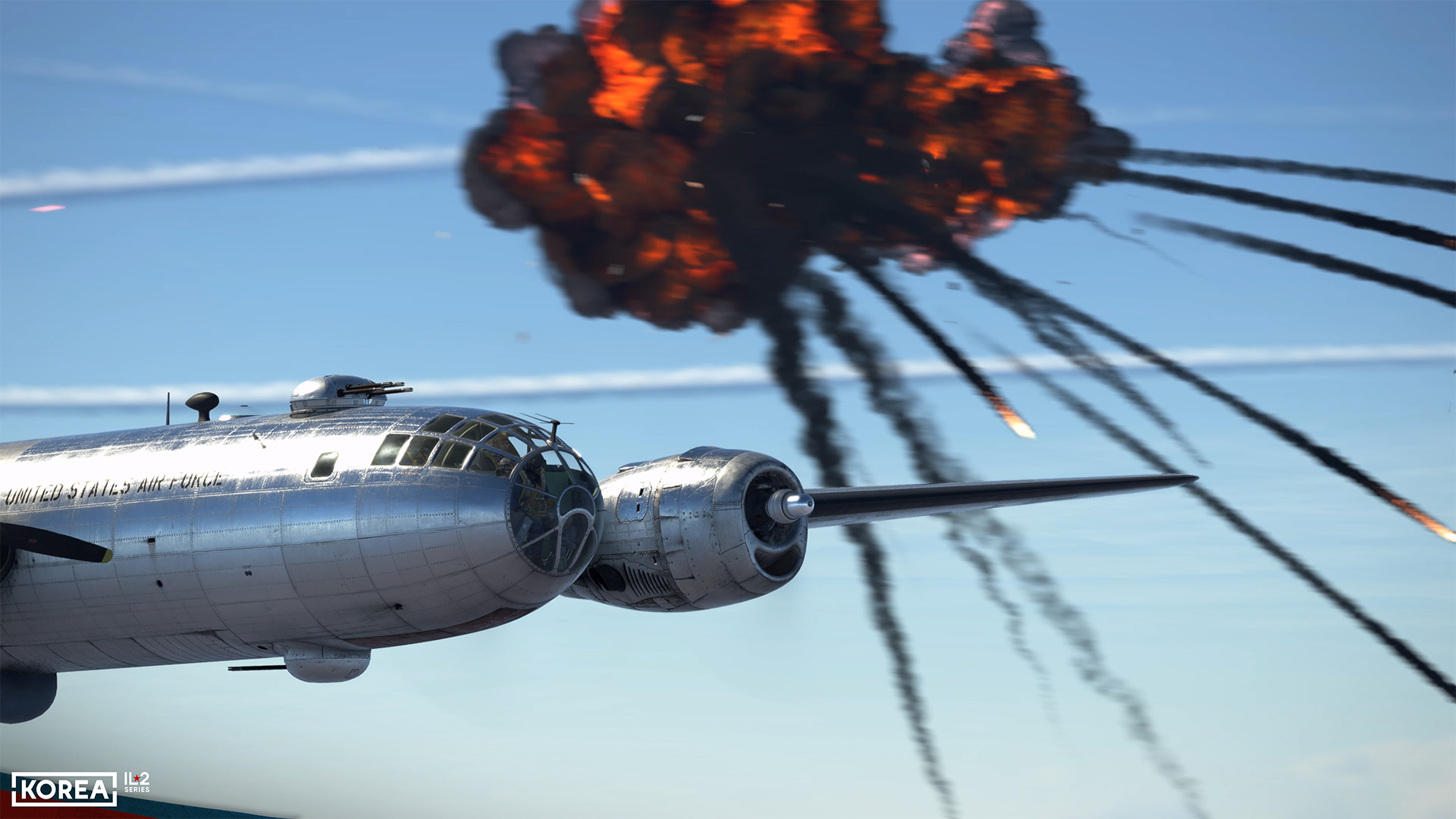
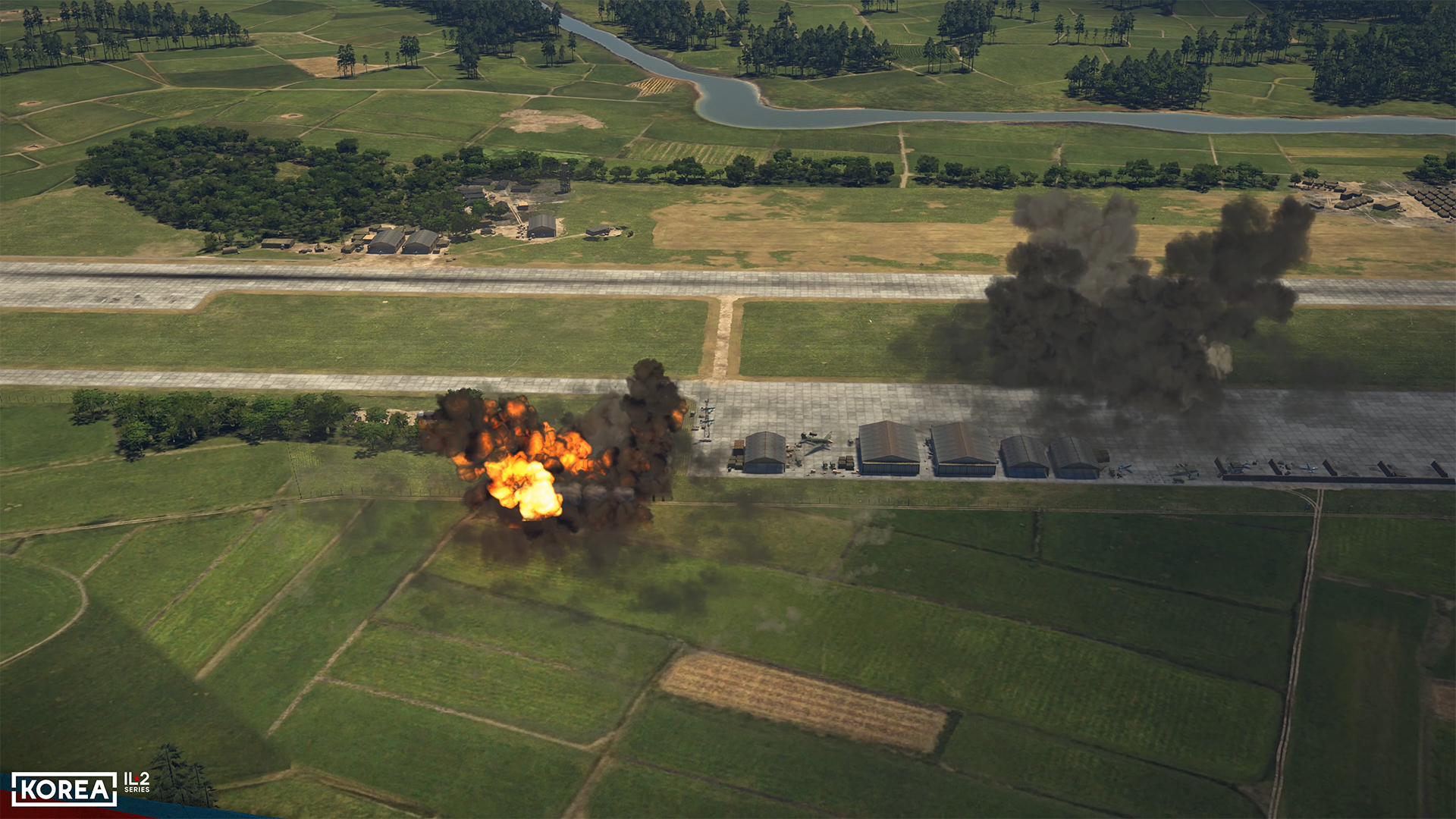
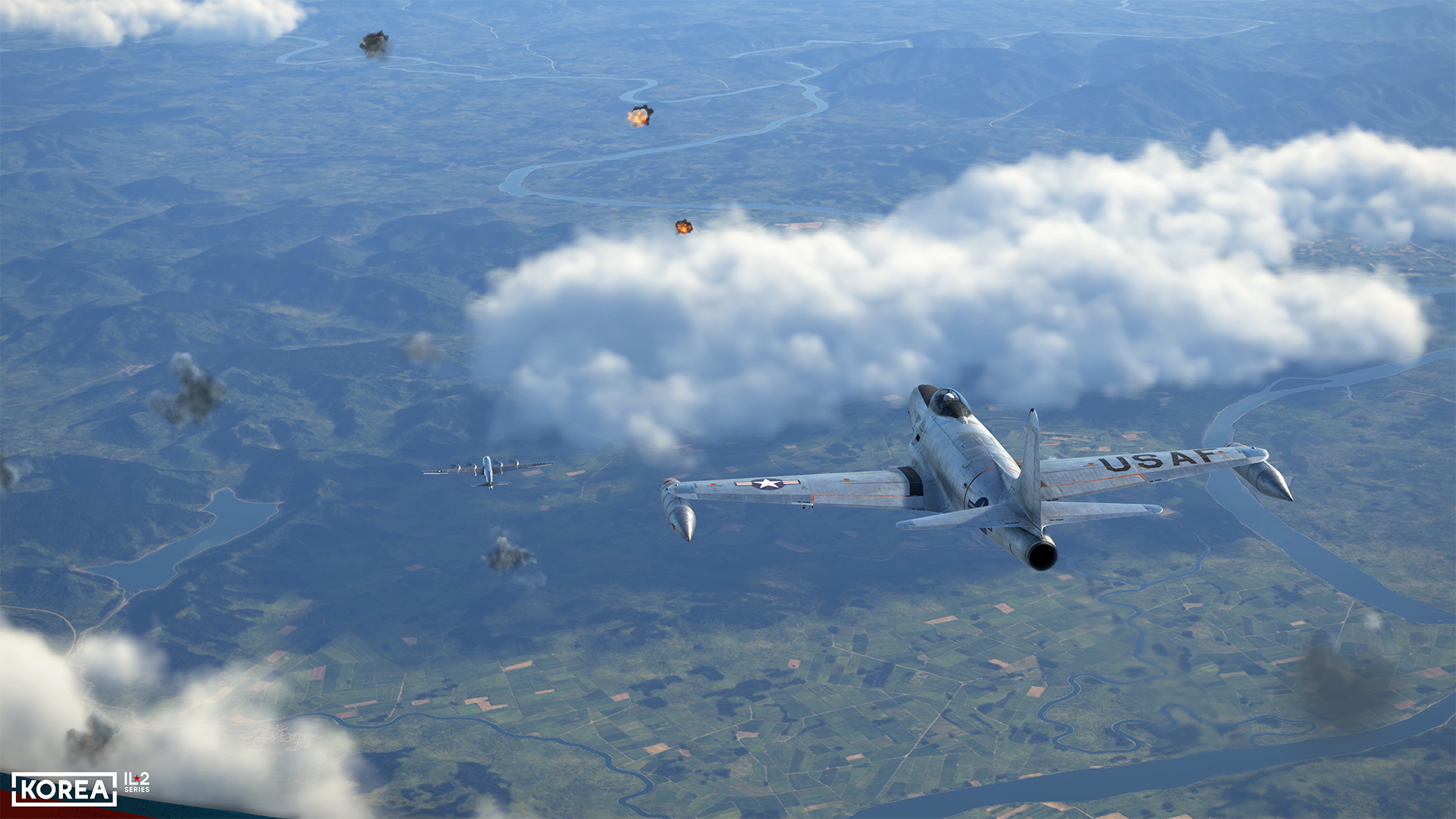
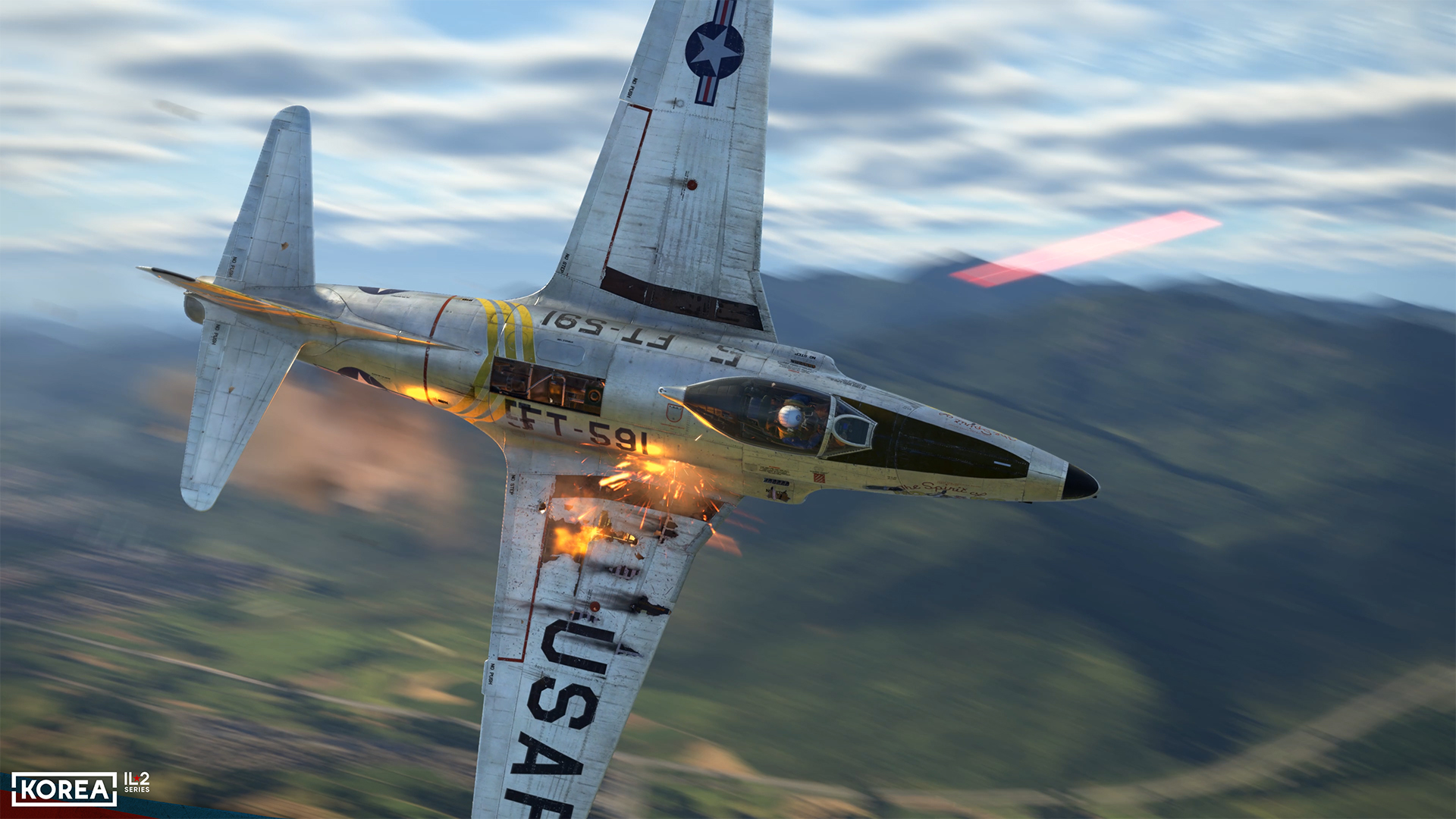
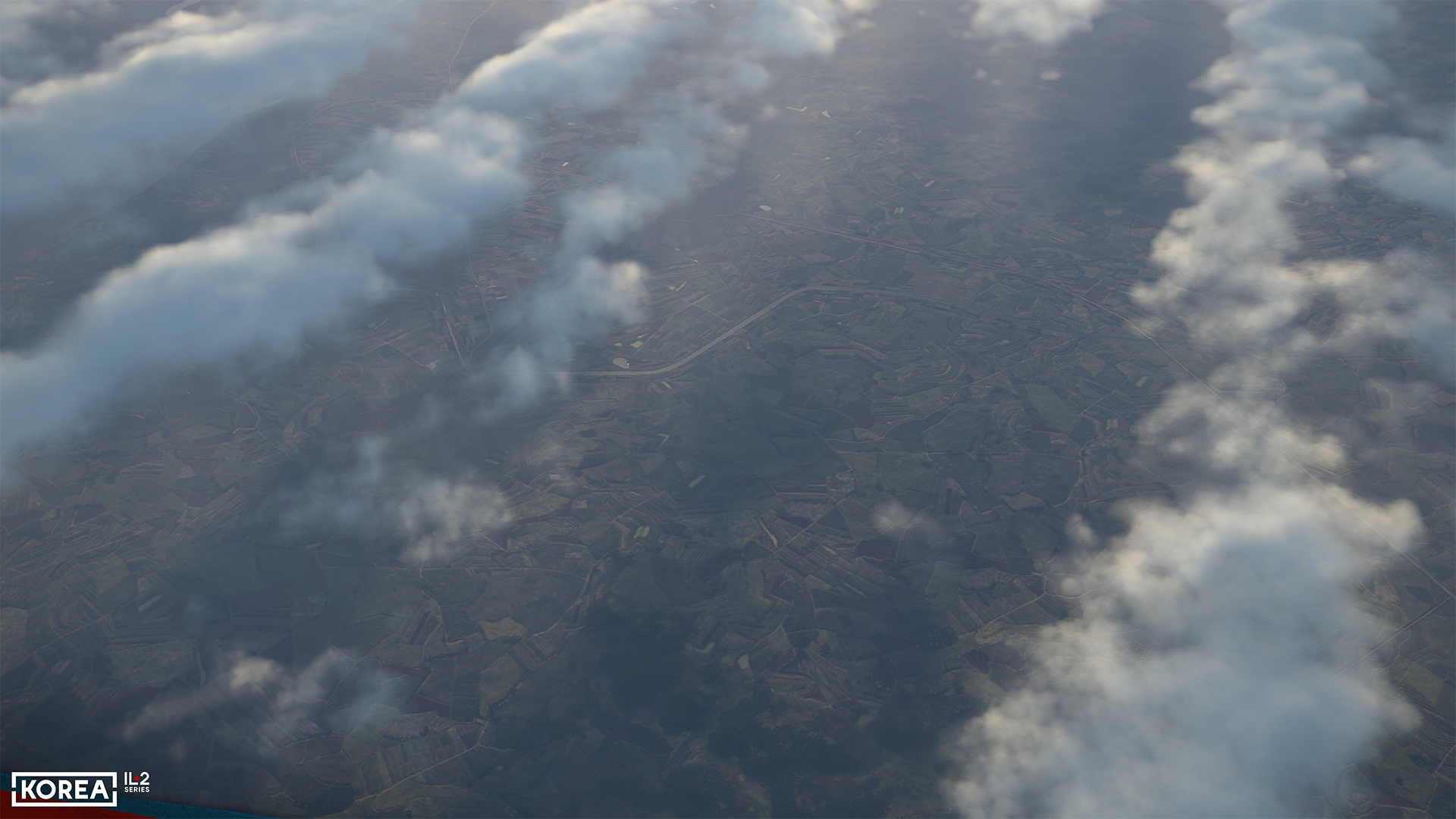
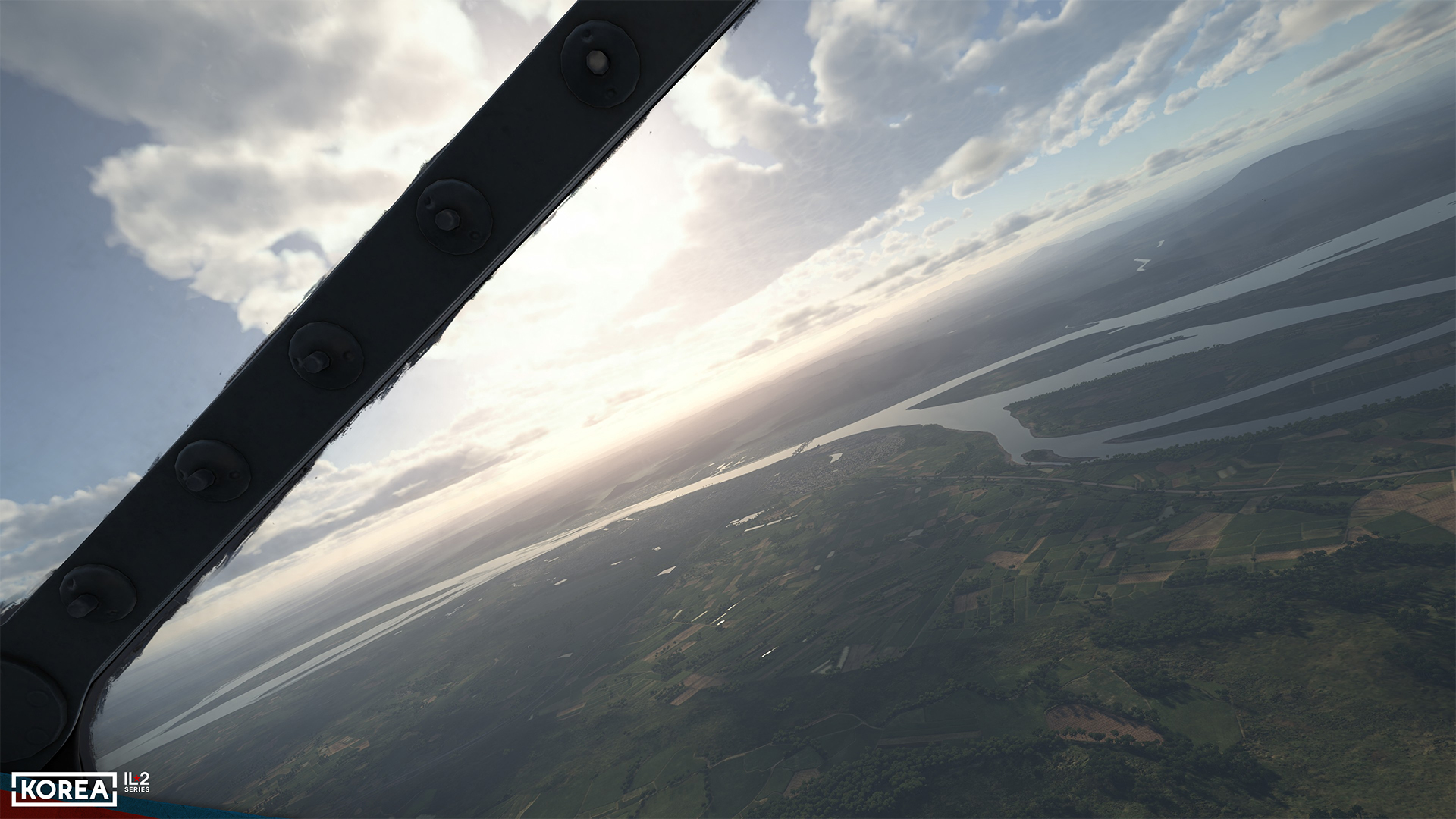
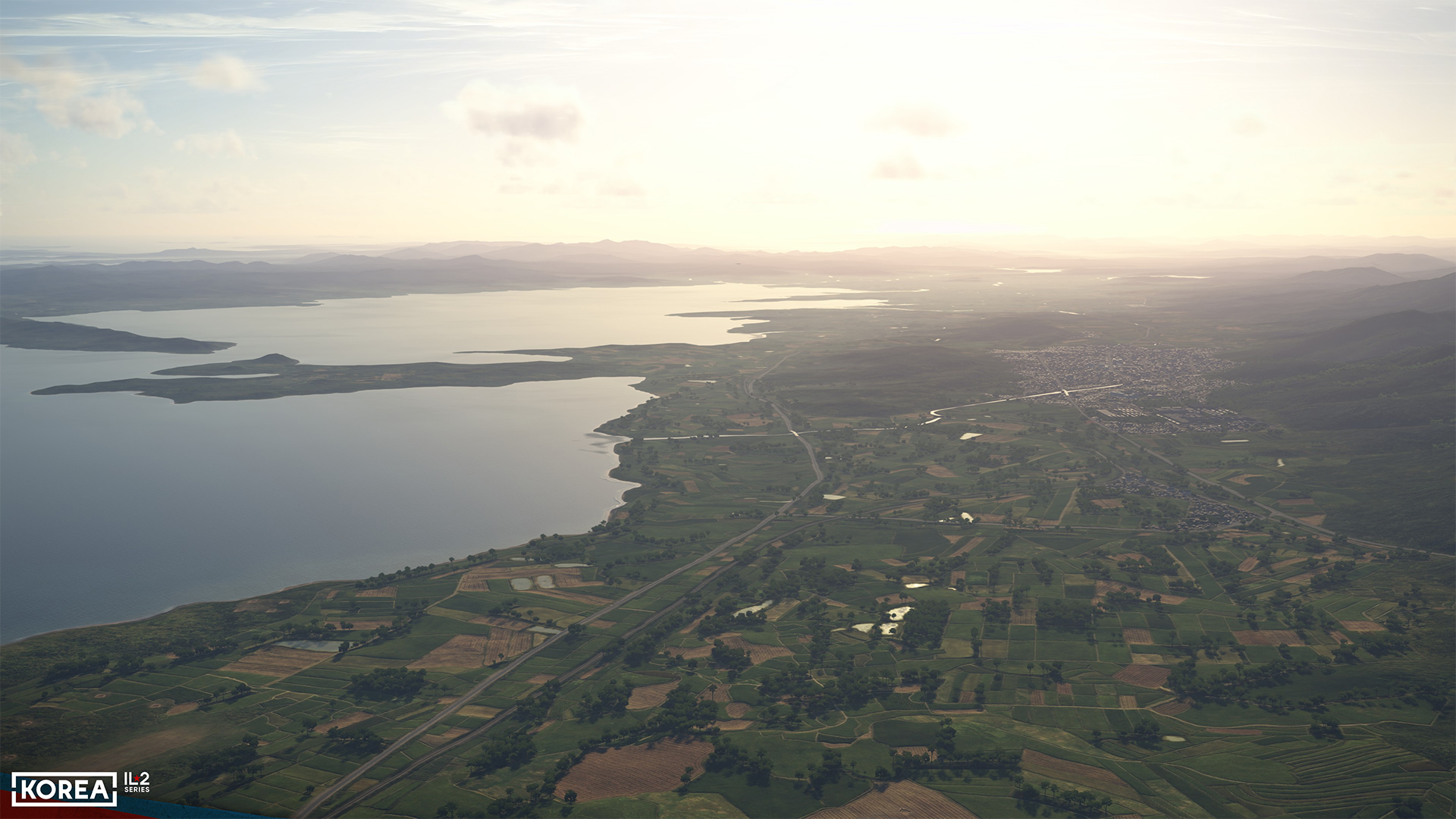
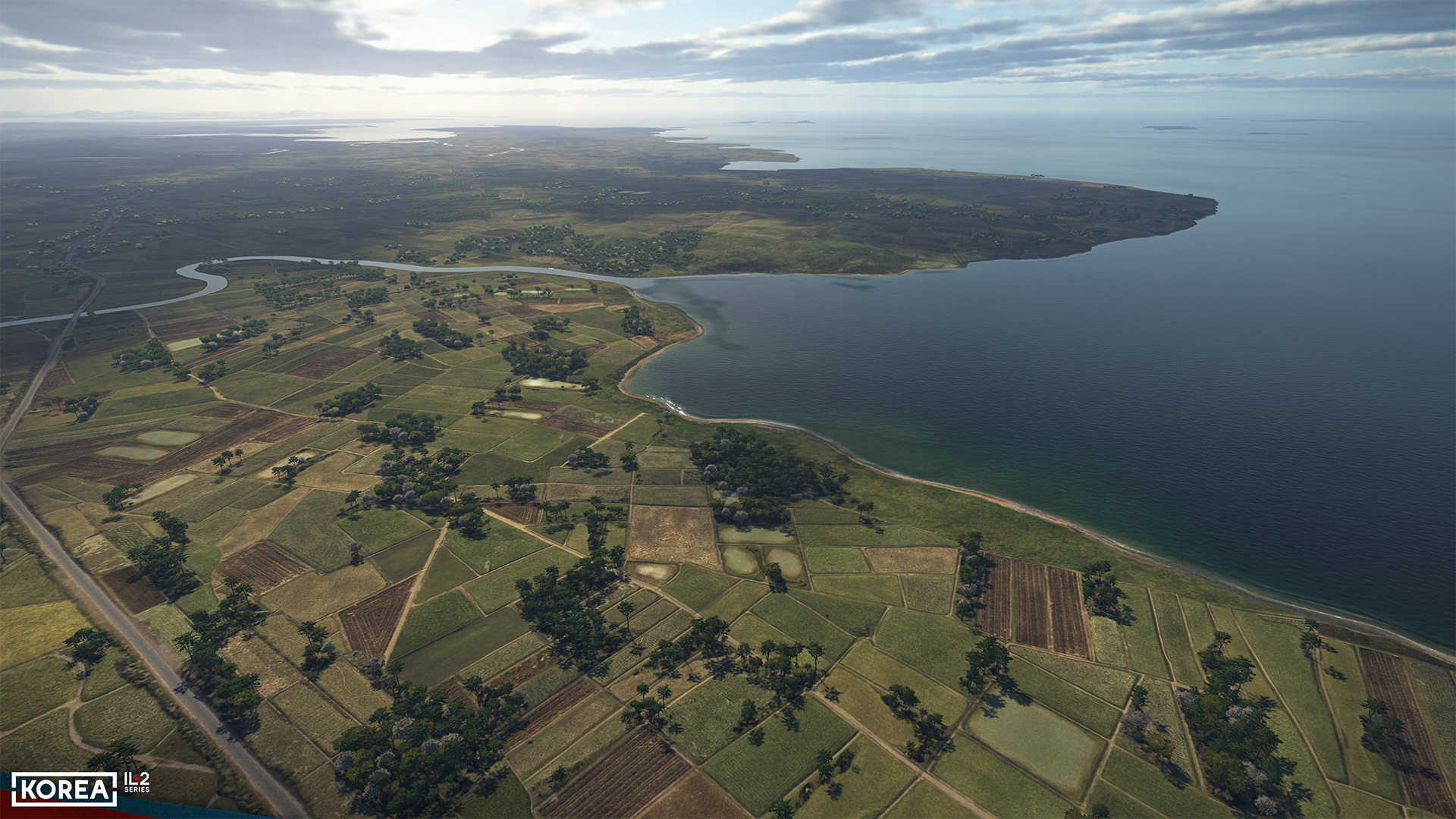
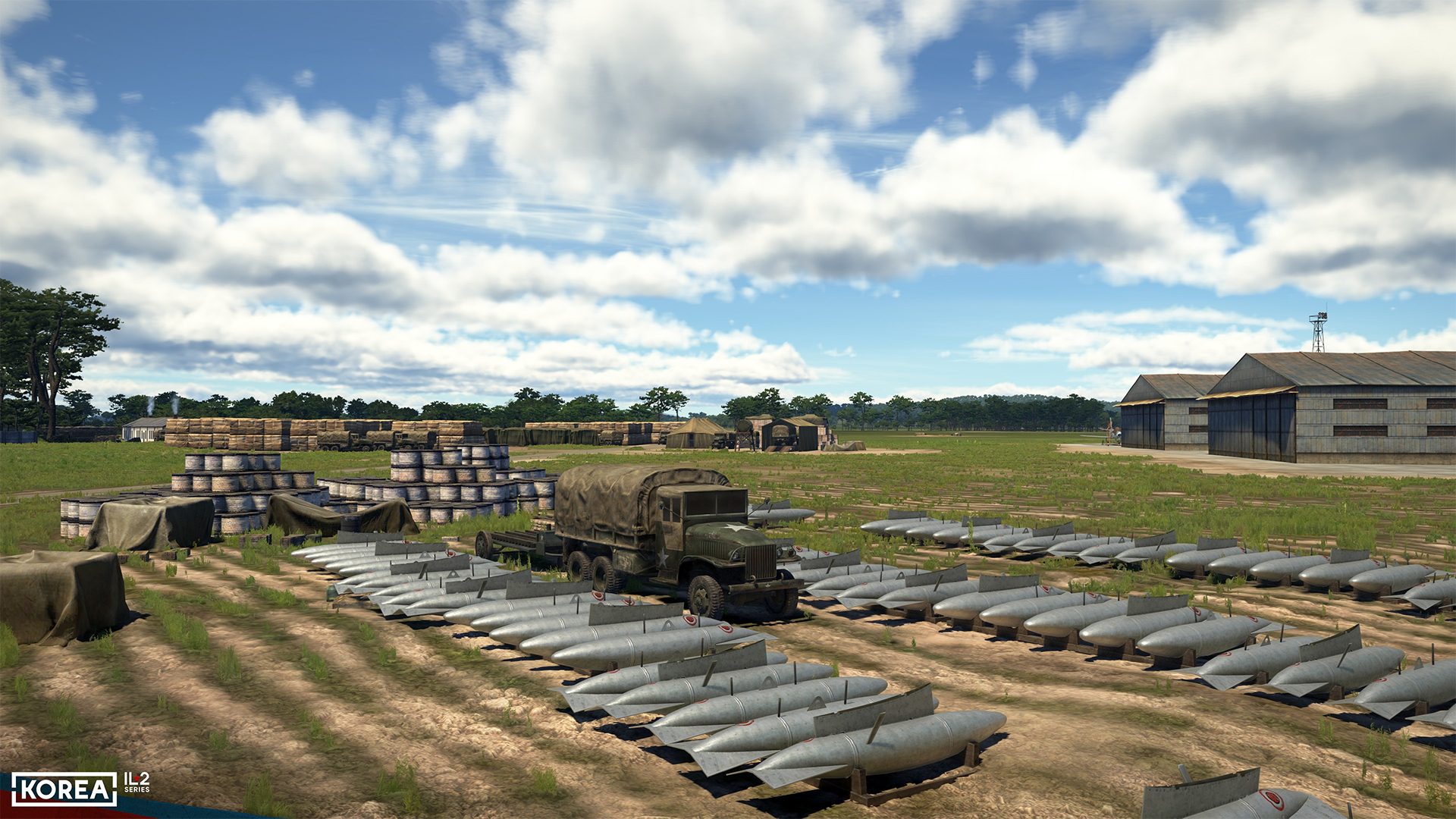
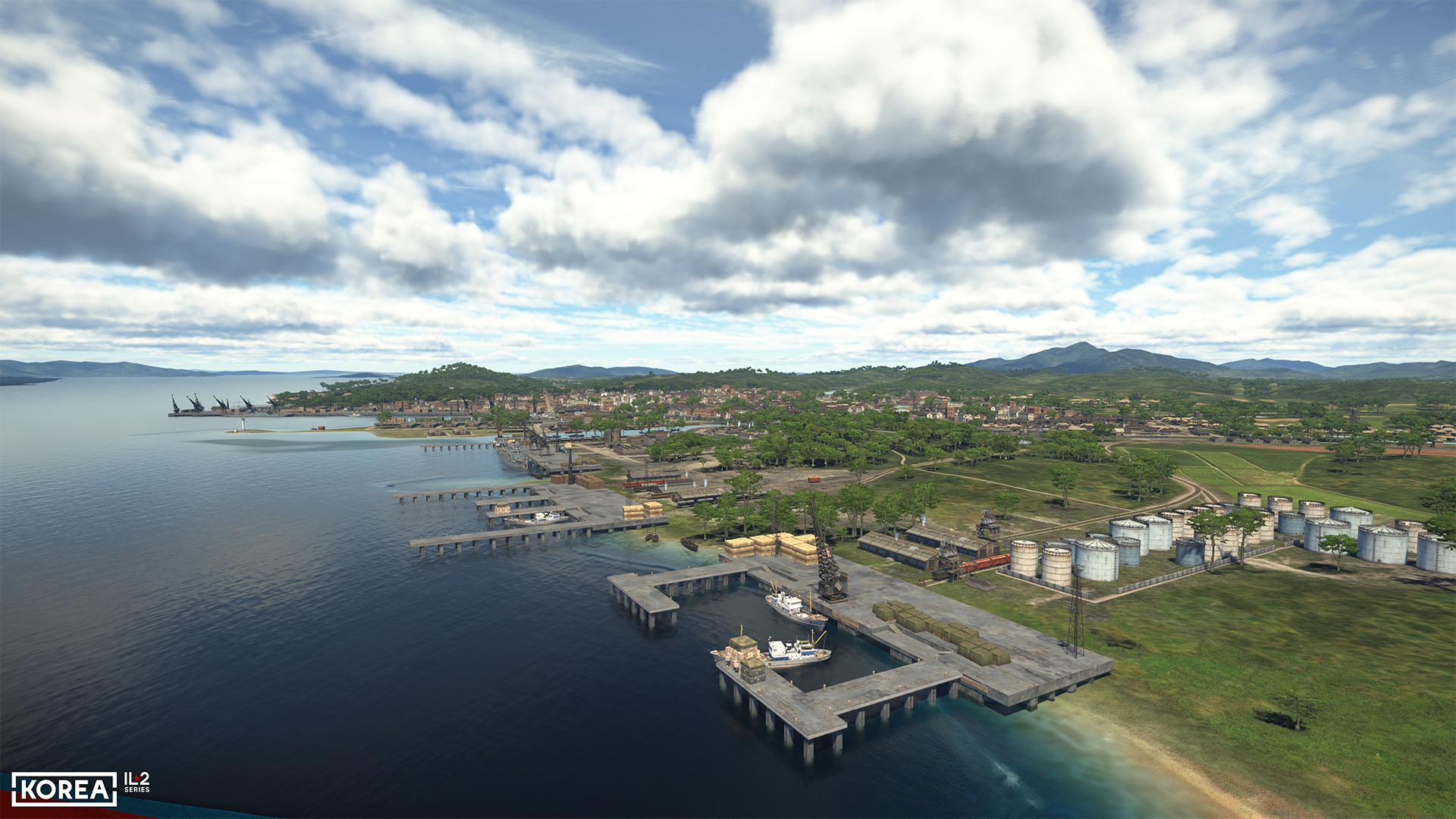
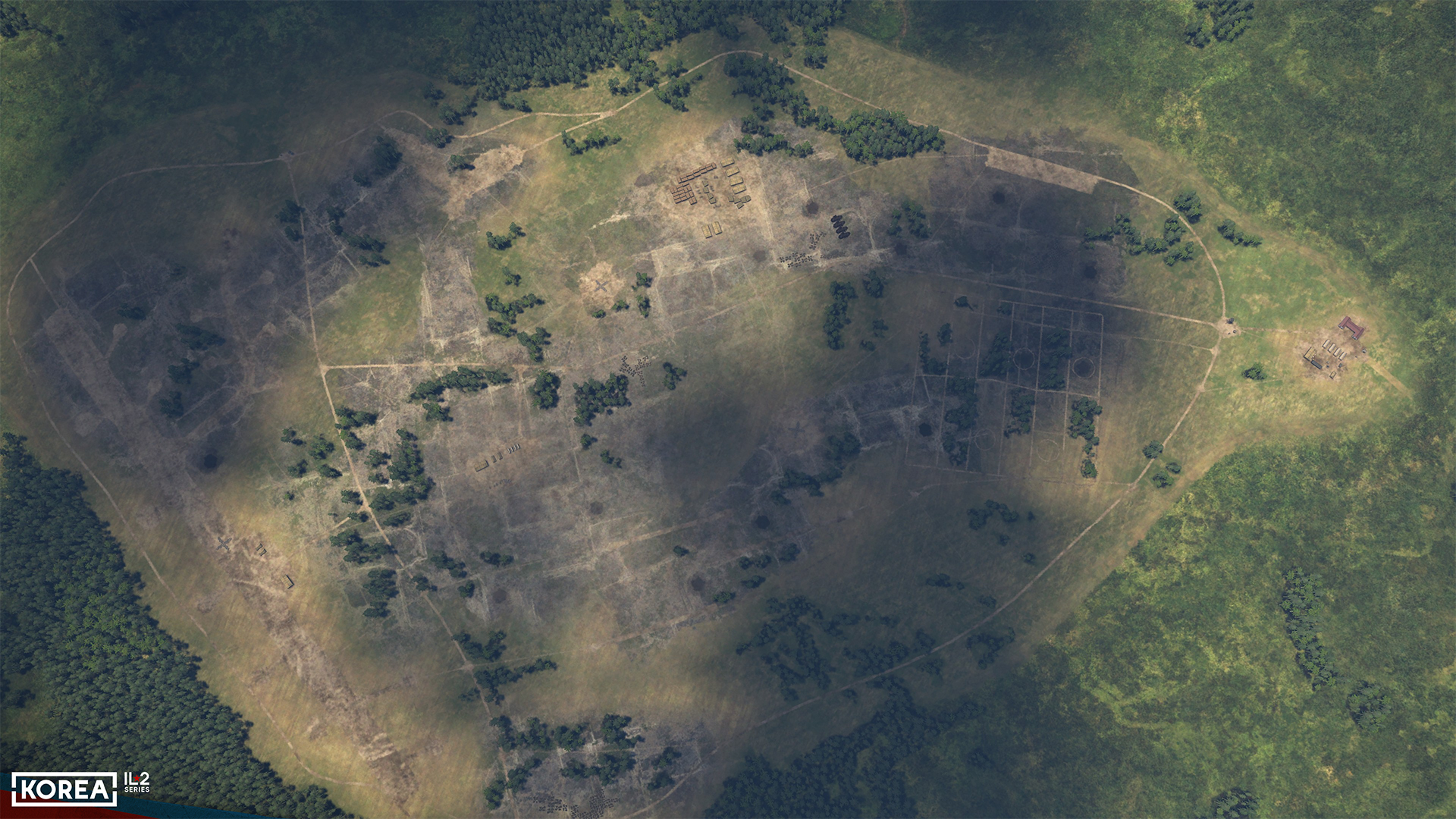
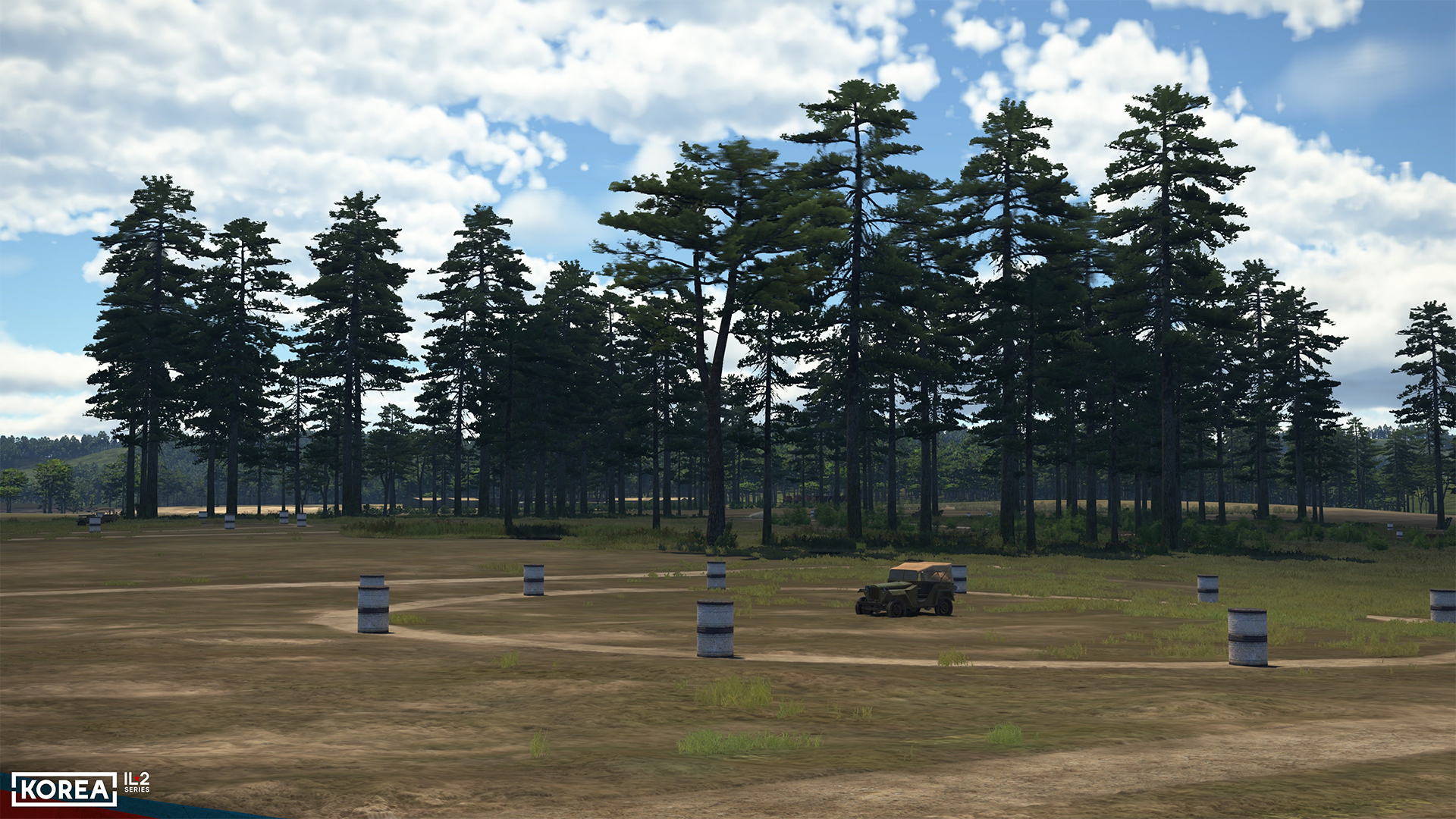


 Our priority right now is the main game mode in Korea—Career mode. Of course, this mode is already largely complete. All that remains is to complete the required number of mission types in Career and, most importantly, to refine the aircraft’s AI. After all, the behavior of computer-controlled aircraft is fundamental to this mode.
 In other words, we need first to complete the foundation required for the main game mode’s full functionality, and only then address the individual elements of each component. The fact that AI-controlled aircraft, after such extensive refinements and the addition of new mechanics, now perform no worse than in Great Battles is already a positive sign. After all, full-scale debugging hasn’t even taken place yet, but the system is already running stably. However, since our goal is not merely to ensure stability or replicate the status quo, but rather to improve and expand capabilities, we will continue to refine this behavior. Fortunately, the challenge is no longer getting a complex new system up and running, but rather fine-tuning it.
 The next phase of work, continuing the gameplay theme, is completing missions for the much-loved new Exams game mode. For Early Access, we have developed 16 missions for four of Korea’s jet aircraft. By release, we plan to develop another 16 missions for the game’s four piston-engine aircraft. Given the differences between the classes, these missions will be significantly different from those currently available. Completing exams for all of the game’s aircraft will be very exciting, as the missions will be quite varied. This work is also well underway.
 The third important thing we’re currently working on is effects. The effects system, like every other component of the project, has undergone significant technological changes and refinements. You can already see that the effects have become much more naturalistic than in our previous projects: tracers, their smoke trails, gunshot effects, certain types of flame, and much more.
 All of this is thanks to new technologies and approaches. And although every effect was created anew, we haven’t yet fully realized the potential of these new technologies. We’re currently working on updating explosion effects, impact effects, parts of the combustion effects, smoke and dust effects, the water mist behind the aircraft, and more. Many of the effects you see now will be significantly transformed by the release, and some new ones will be added. When the effects work is nearing completion, we’ll dedicate a separate, large diary to this topic, where we’ll cover them in detail.
 Work on the game’s audio is also ongoing. The overall soundscape is now complete, but many smaller sounds have yet to be integrated, which will undoubtedly have a significant impact on the overall experience: various engine start-up sounds, switch cover sounds, and the aircraft’s close-up sound, depending on the camera’s position relative to the aircraft, are being refined, along with much more. Currently, the aircraft’s sound changes only at greater distances—this is clearly noticeable when someone flies past you or when the aircraft is flying somewhere in the distance, but up close, there are no differences yet—those are being added. Work is underway to integrate music into gameplay, as we discussed in a
  Overall, this extensive team effort is currently aimed at delivering the highest quality, most polished product possible by the August 4th release. To stay up to date on the final stages of Korea’s development, subscribe to our channels
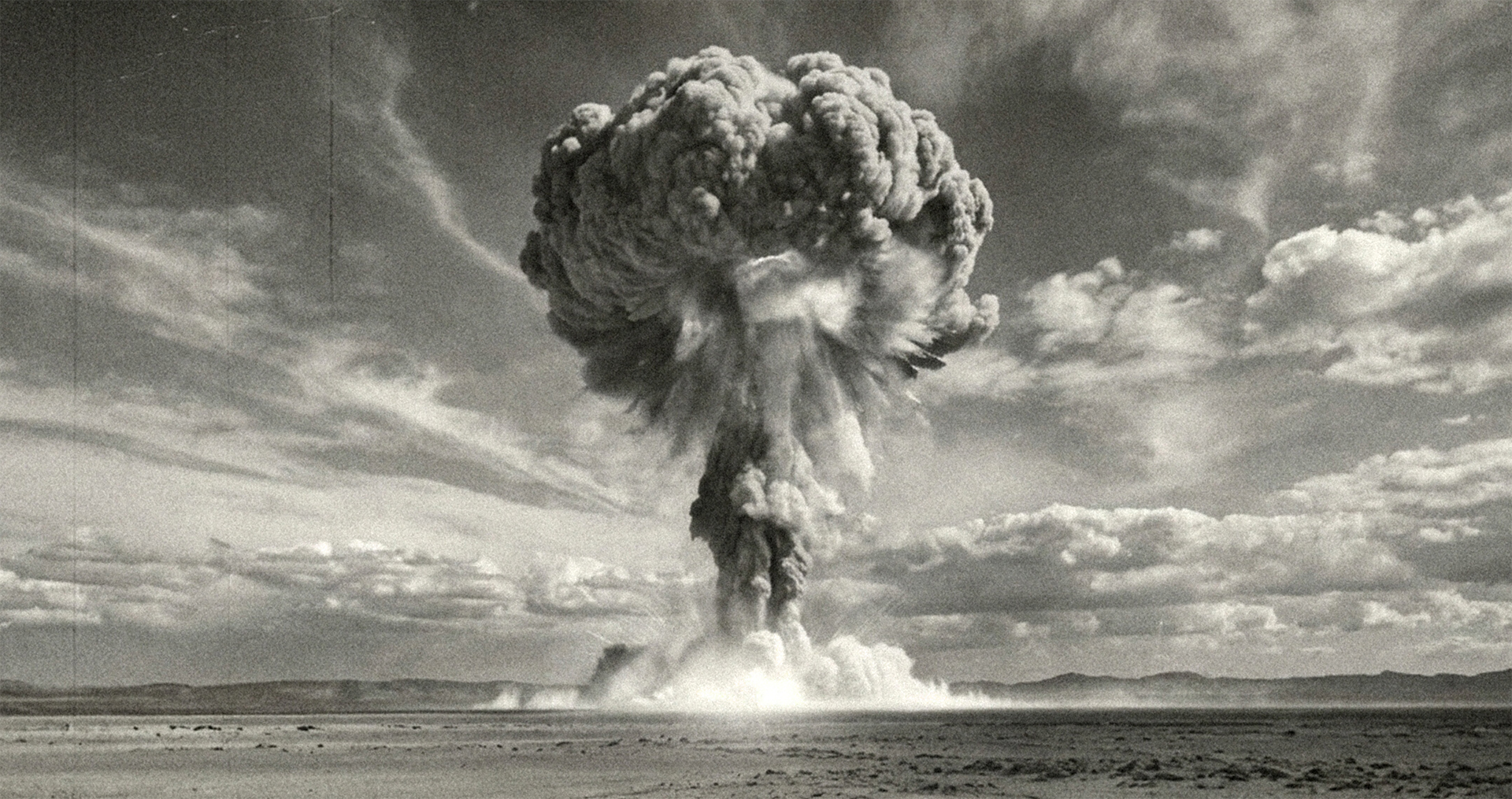
  As with the Korean War, a time when not only were aviation eras changing but humanity was also on the path to exploring nuclear energy, new technological frontiers are now emerging, and new principles of interaction with new possibilities are being developed.
 Nowadays, generative technology tools are easily accessible to anyone. As a result, we see a large amount of highly specialized content.
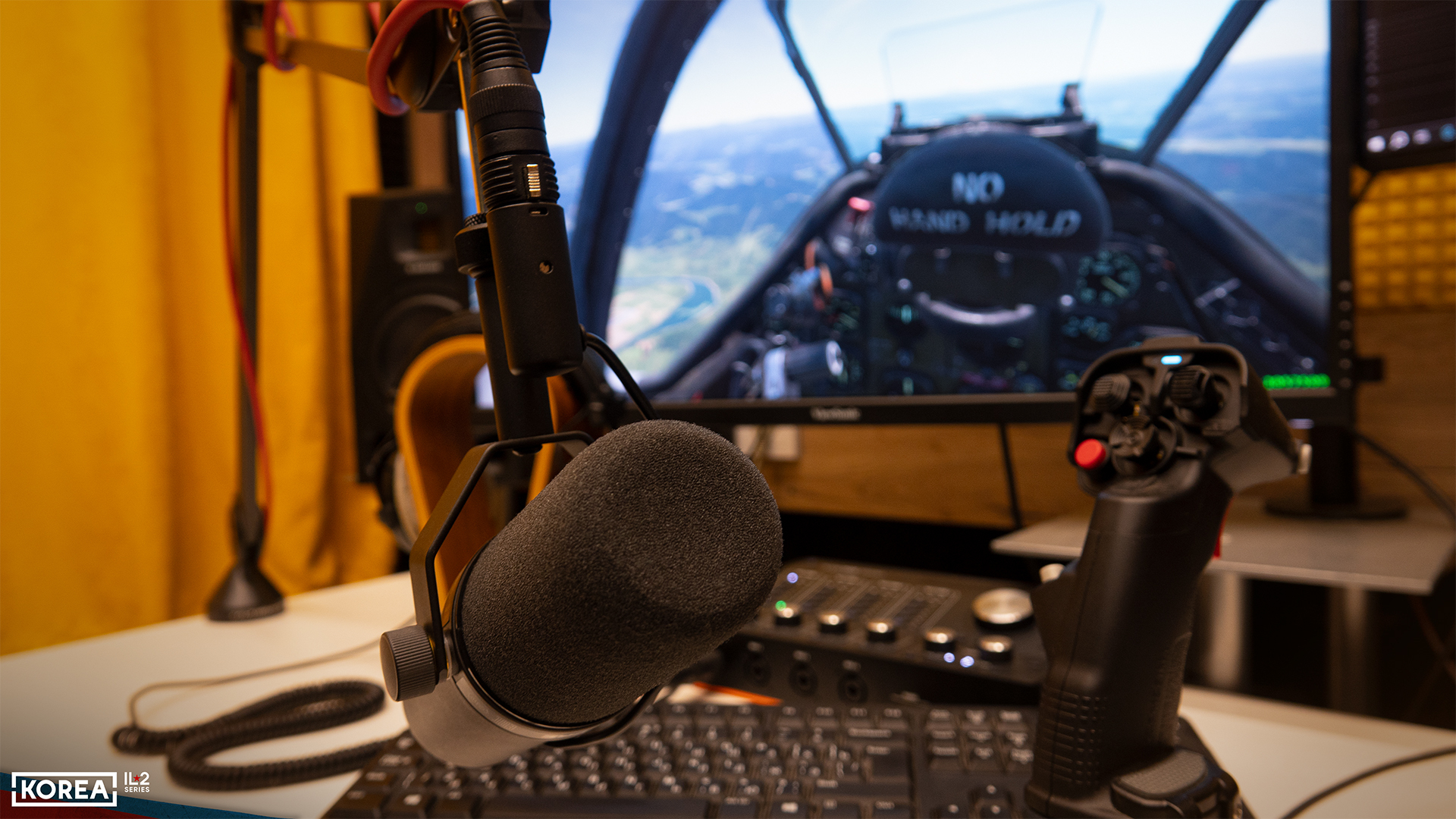 You have to find some tricks, split lines into parts, create some kind of compound phrases in which the intonation collapses, and everything sounds choppy. These moments ruin the immersion and the player experience. And when creating countless line variations for all sorts of situations, generative technologies are essential. Even a few human lifetimes wouldn’t be enough to do what we can already do with AI.
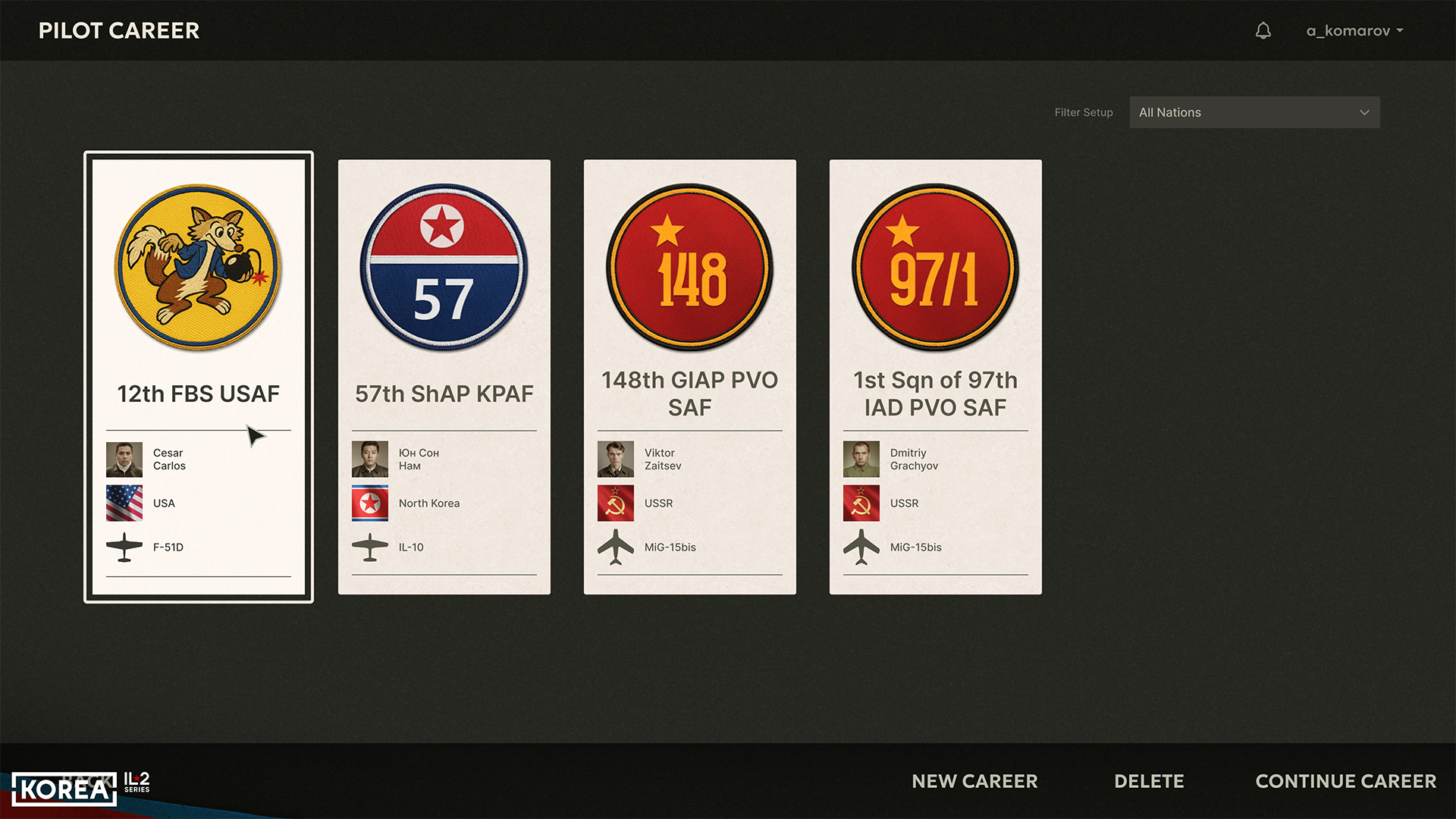 In Great Battles, the face builder, used to create the pilots in the player’s squadron, was based on principles from 90s games. The portrait was assembled from elements such as the facial contours, ears, nose, eyes, and hairstyle. Some combinations turned out to be quite good; others were quite creepy, but it was not possible to debug all combinations of elements in their full superposition.
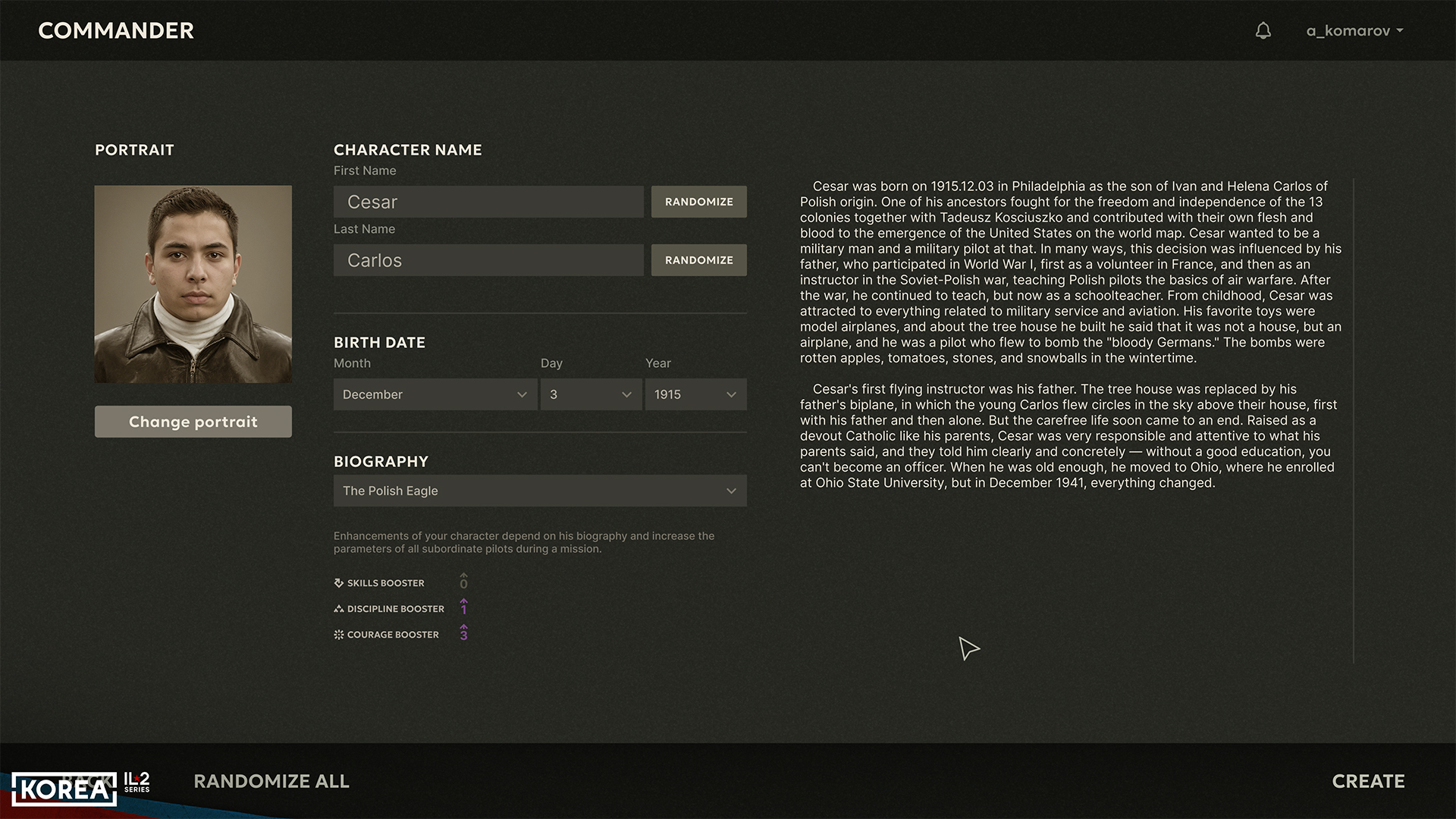 Ultimately, the entire process looked like this: we first formed a certain basis, the so-called building blocks of the images we needed, loaded them into the neural network, and manually added life, characteristic features, and emotions to the resulting image.
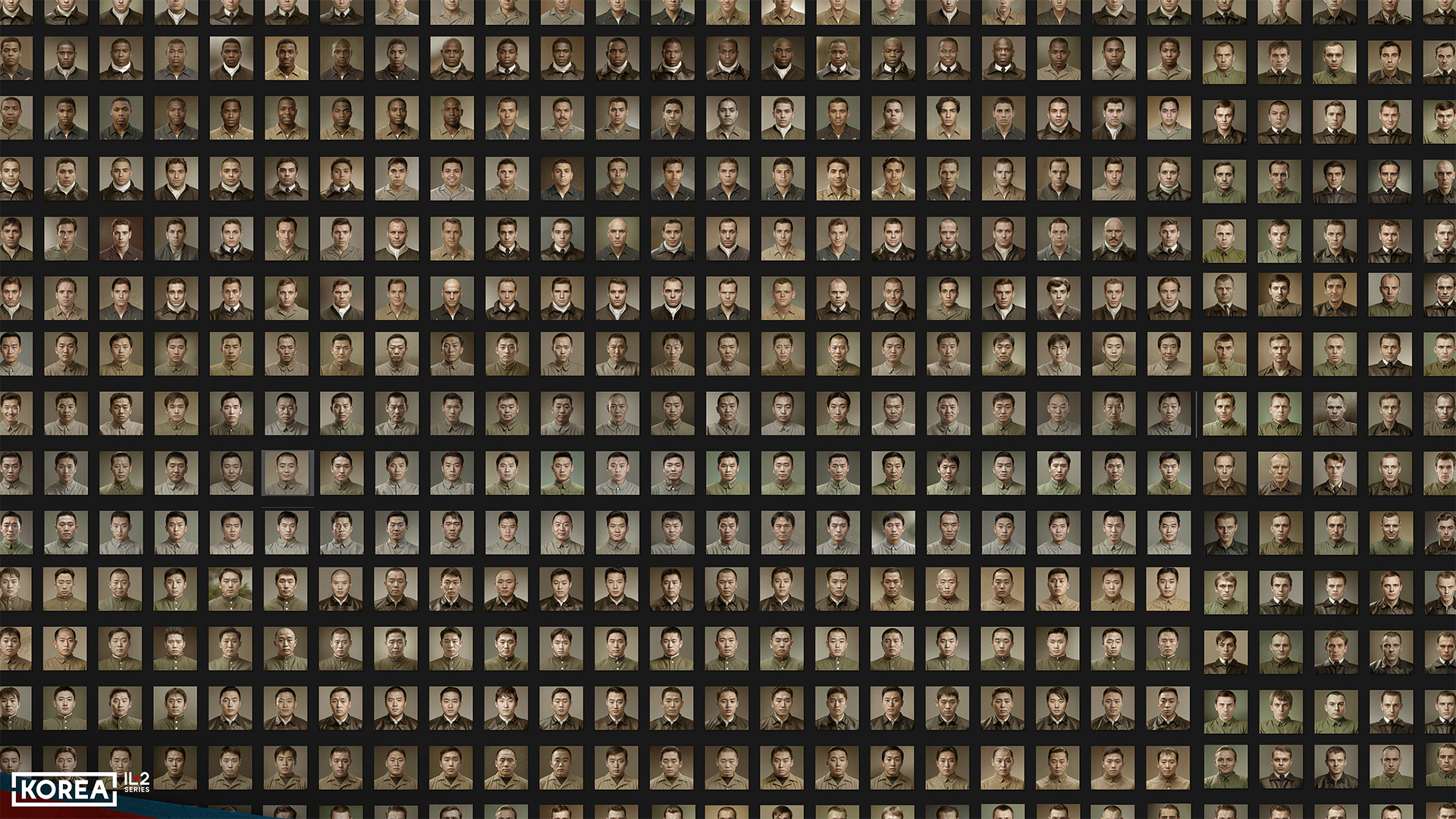 And we manually added life to every portrait.
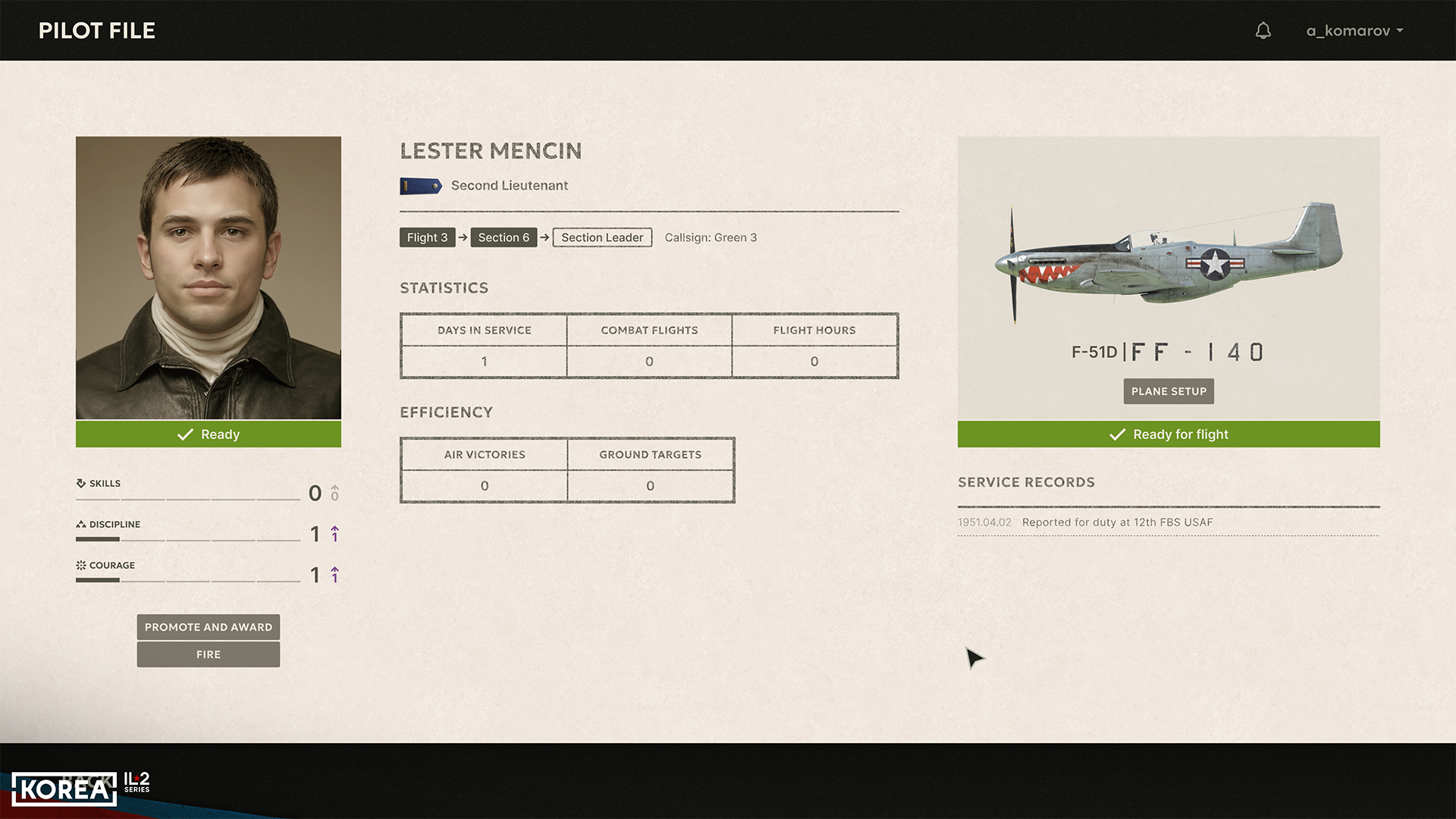
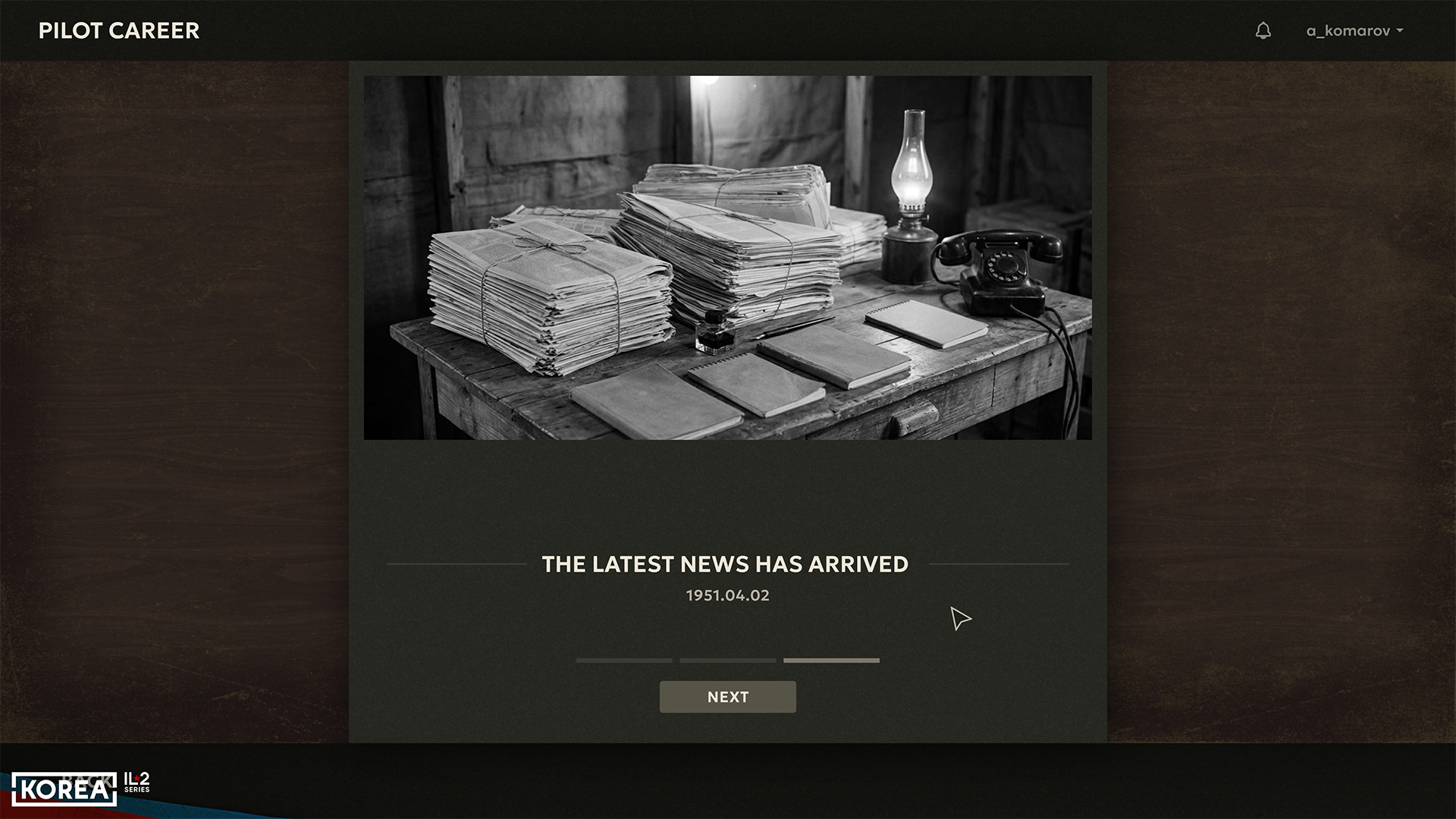 Also, using in-game screenshots, our own models, and AI, we created a set of pseudo-historical photographs to frame messages about various events in the Career mode. Generative technologies were indispensable here. It was impossible to find authentic historical photographs of the Korean War that fit the context of the events; they simply weren’t available in the quantity and quality we needed. We believe that adding such images to the design is essential for creating the appropriate mood and immersing the player. Of course, the resulting images also required considerable artistic refinement. As a result, the visual design of the Career graphical interface has acquired a depth and richness that would have been impossible without this approach.


 Greetings, comrades!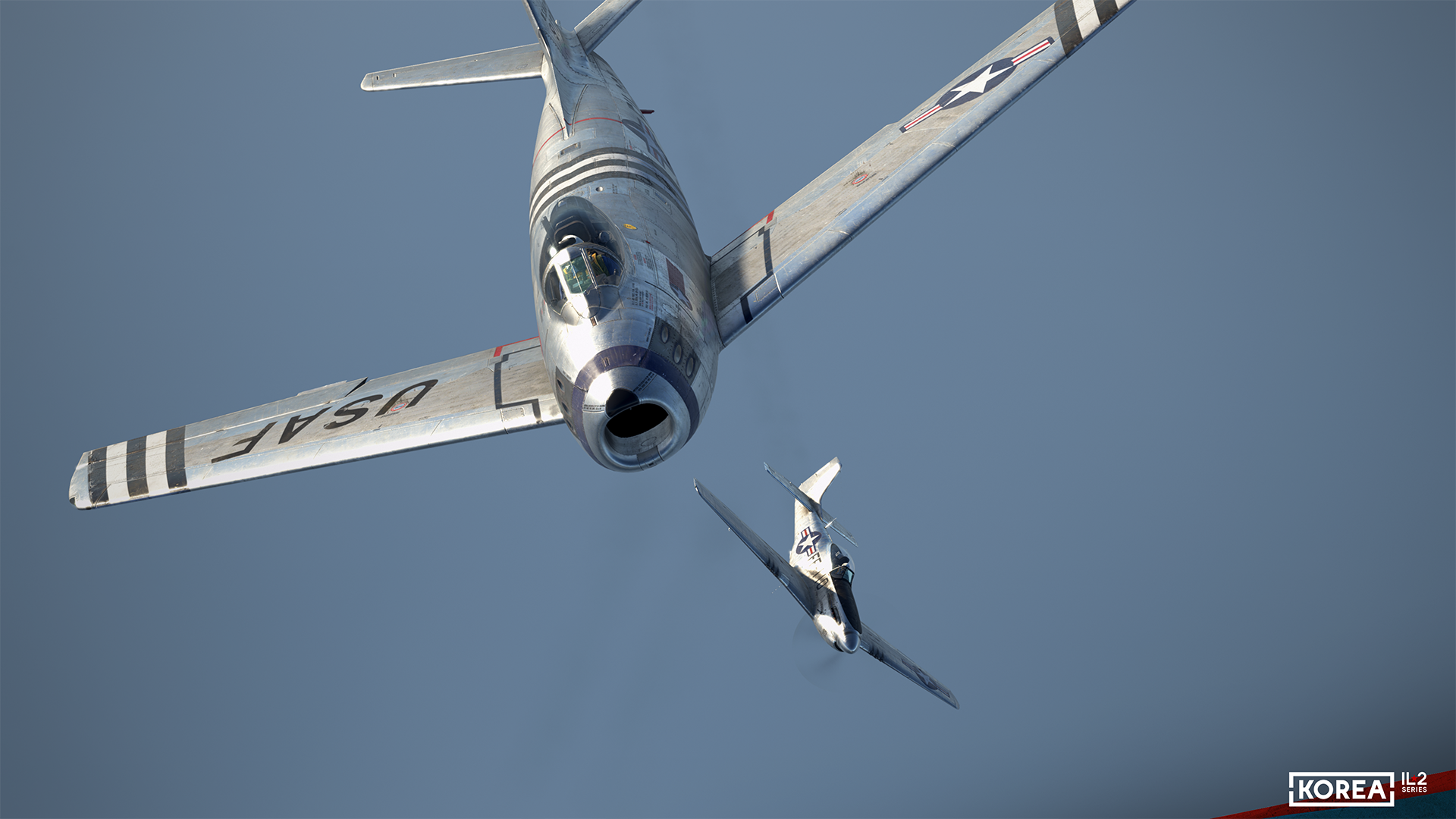
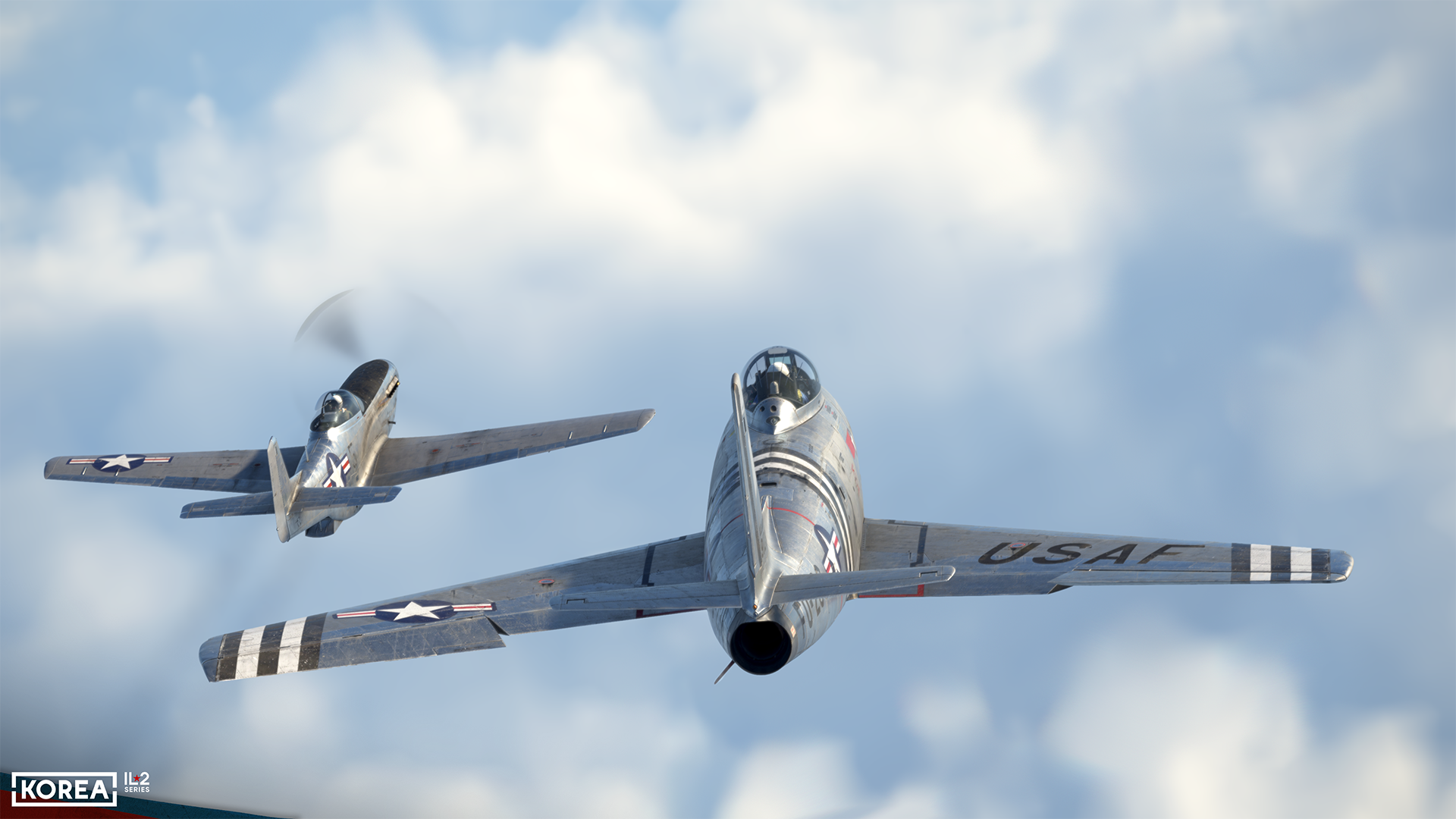
 The second crucial difference between a jet aircraft and a piston aircraft lies in the absence of propeller wash flowing over the tail surfaces. This is a vital factor in the controllability of piston aircraft, especially at low speeds. Notably, it was precisely for this reason that, with the advent of jet aviation, starting from the second generation, steerable nose gear began to see widespread use. This is due to the fact that, without propeller wash flowing over the aircraft’s vertical stabilizer, the only way to control the direction of taxiing at low speed is through the use of differential braking on the landing gear wheels. In this respect, the difference in taxiing control between the Sabre, which uses this technology, and the other aircraft, on which this technology had not yet been implemented, is clearly noticeable in our game.
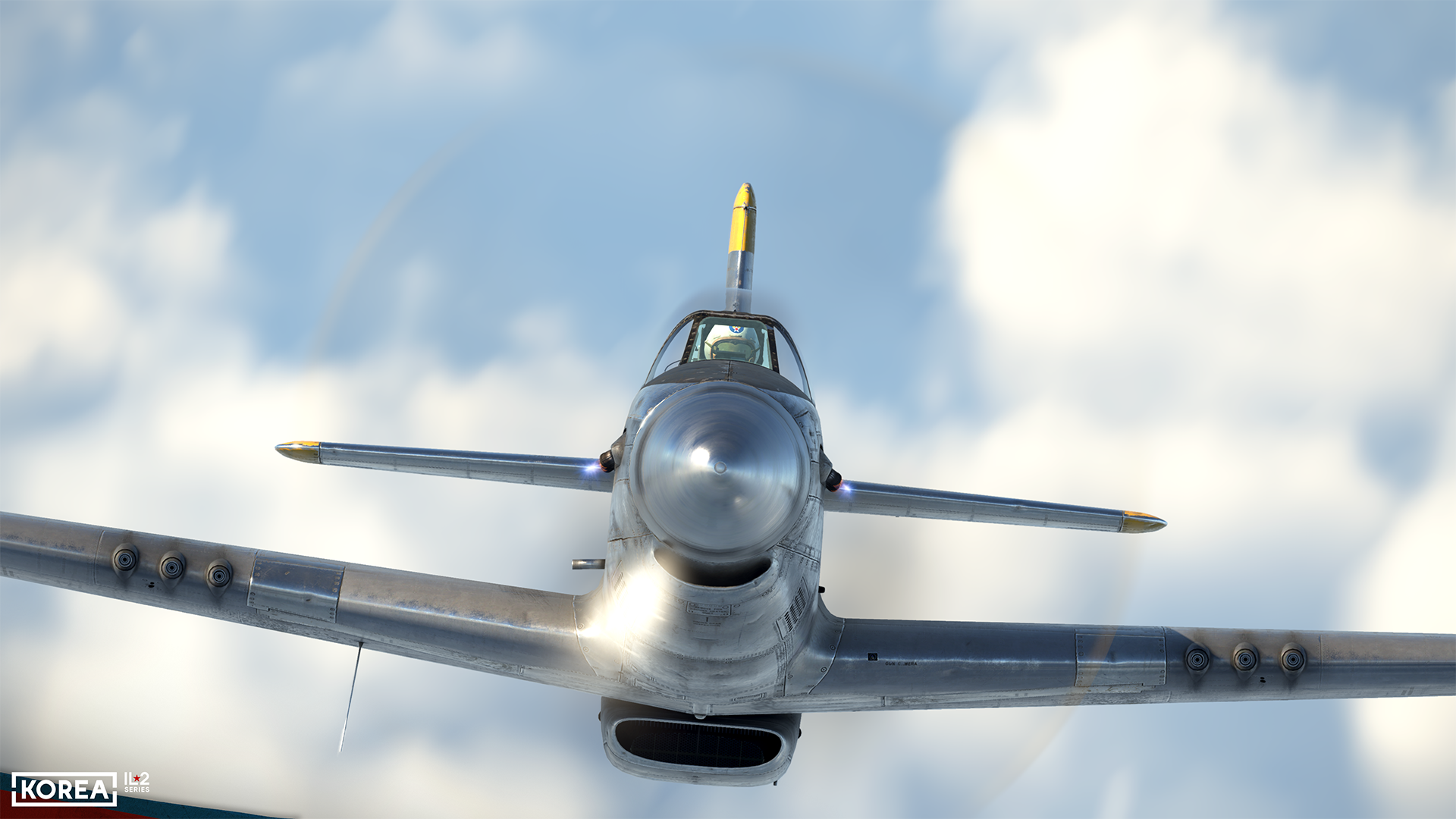 Jet aircraft do not have this capability, and the "aerial circus" with "pivoting on a dime" and the like — which was highly characteristic of the First World War and, to some extent, could still be present during the Second World War — disappeared completely in the conditions of jet aviation combat. Its revival has only become possible now, with the advent of super-maneuverability technologies in 4th-plus and 5th-generation jet combat aircraft.
 The third characteristic of first-, second-, and, to some extent, third-generation jet aircraft is the propulsion system’s particular sensitivity to the airflow conditions around the aircraft caused by the oncoming stream. Reaching extremely high angles of attack, entering negative angles of attack, and, for some aircraft, reaching high sideslip angles, all very often led to disruption of the airflow conditions inside the engine intake duct. At the same time, the entire "magic" of an air-breathing jet engine lies precisely in the coordination of gas-flow parameters in the intake, combustion chamber, and engine nozzle. When this balance is disrupted, oscillations and pulsations of the gas flow occur, better known as "engine surge" or "compressor stall." Once these oscillations begin, they lead to a complete disruption of the engine’s gas cycle. And even if fortune is on your side and they do not cause damage to engine components — which happens often — an in-flight engine restart will, at minimum, be required. At the same time, restarts on a number of aircraft also have their own limitations: often, they can only be performed below a certain altitude and flight speed.
 Thus, when fighting in a jet fighter, you possess high speed, a high rate of climb, and high flight altitude. At the same time, you cannot rapidly change your speed; you must ensure that you do not lose that speed, and you must avoid putting the aircraft into flight regimes where the propulsion system will operate unstably. The concept of the "Stall Fight" receded into the background for a time, until more advanced engines appeared.
 In group aerial combat, a jet aircraft has far greater capability to deliver a swift dagger-like attack against the main target in an enemy formation, since in order to pursue it after the attack, the enemy fighters covering the target would have to break away significantly from their formation. At the same time, however, group combat is also more difficult for it, because high speeds mean great distances: maintaining visual contact with targets and with your comrades becomes significantly harder. Here it is extremely important to keep the picture of the battle in your head, to understand exactly which direction you are currently moving in, and to have a clear idea of what your allies are doing. At the same time, you must remain constantly alert, because the enemy jet fighter has the same capabilities, and if it had a sufficiently advantageous starting position and you failed to spot it in time, it can rapidly close the distance and strike.
 And what about combat in piston fighters under the conditions of the Korean War? When facing an opponent of the same type, the combat picture, maneuvers, techniques, and key factors are, in general, analogous to those of the final period of the Second World War. Yes, the Yak-9P and La-11 are post-war aircraft, with a number of characteristics noticeably better than those of their Soviet wartime predecessors. But this does not make them significantly superior to American propeller-driven combat machines; rather, it reduces the gap that existed as of 1945 and levels the odds. Aerial combat between these Soviet aircraft and the American piston fighters represented in the game — and with the DLC taken into account, there will be several of them — the best aircraft of the US Air Force and US Navy from the previous era, is an extremely captivating spectacle. The fight is still compact, as befits piston aviation, but it is already much faster and more energetic.
 But what should the pilot of a piston fighter do when encountering a jet opponent? The most important thing is that your task is to spot them in time. Your aircraft is capable of changing flight direction much faster than an opponent diving at you at enormous speed, and you can and must take up a position where it will be difficult for them to aim effectively at you. The second point, and an equally important one, is to constantly keep in mind the characteristics of jet fighters described above. If you can force the opponent into making a mistake and drag them into a low-speed fight — they are yours.
 Your opponent cannot shake you off their tail with a sharp maneuver. "Scissors," "barrel rolls," "spins" — all of this is contraindicated for them. If the opponent is experienced and does not allow their speed to drop, attacking you with Boom and Zoom tactics, the situation becomes more difficult. A good solution is to descend to low altitudes, where it will be extremely difficult for them to pull the aircraft out of a high-speed dive, and the likelihood of error increases. If you are not alone, work as a pair: while the opponent attacks you, you, by taking the correct position on each of their attacks, prevent a situation in which they can aim at you, while your wingman at the same time takes up a firing position. There are always chances, but the initiative in such a fight will belong to the jet aircraft. The initiative in when and how to begin the aerial battle, and at what moment to end it — and this is, of course, incredibly important.
 It was precisely the ability to hold the initiative in aerial combat that became the defining factor that determined the transition from piston to jet aviation. Despite all the difficulties and new demands placed on the pilot by controlling these machines, a new era in aviation had arrived.
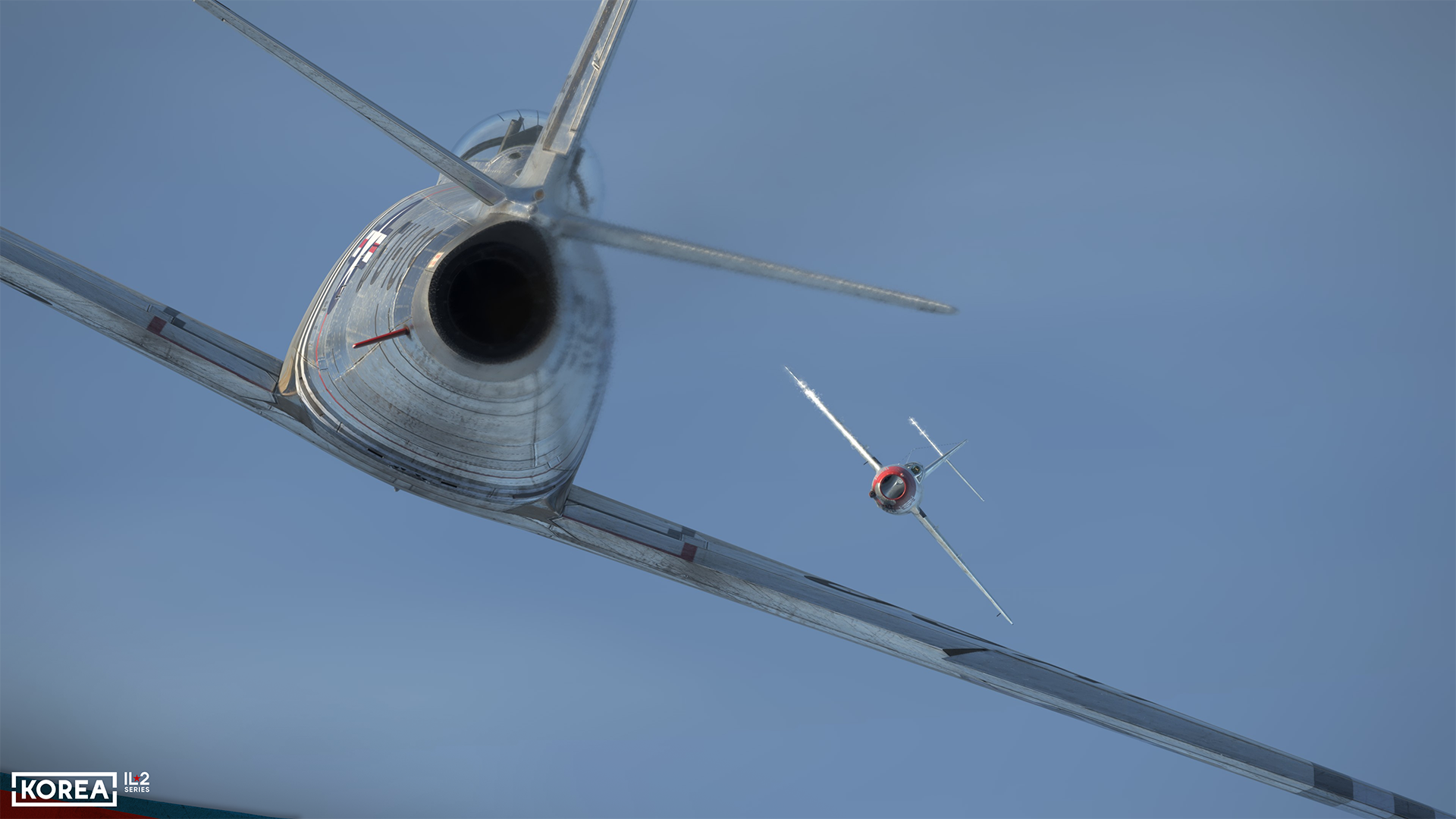
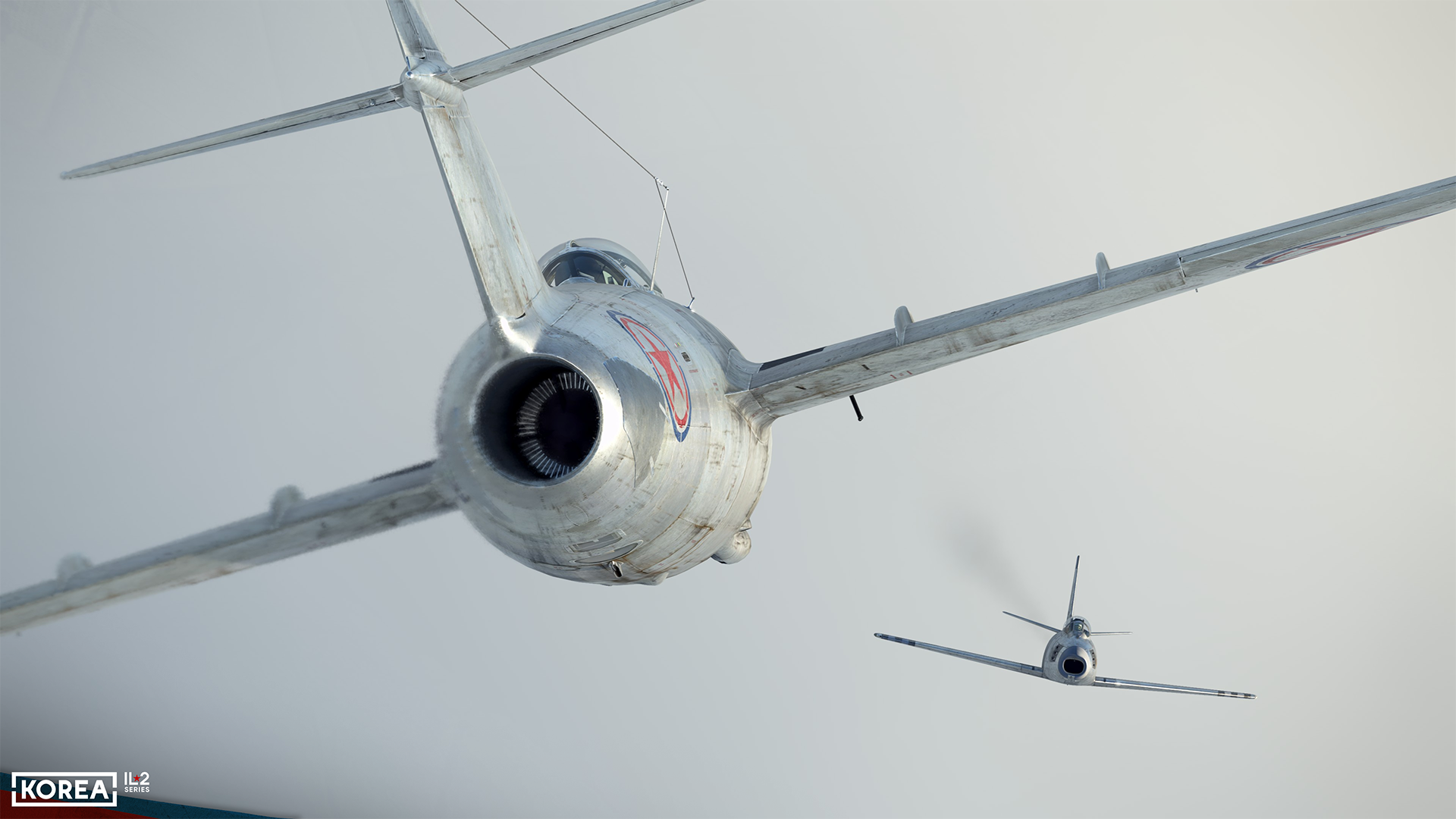
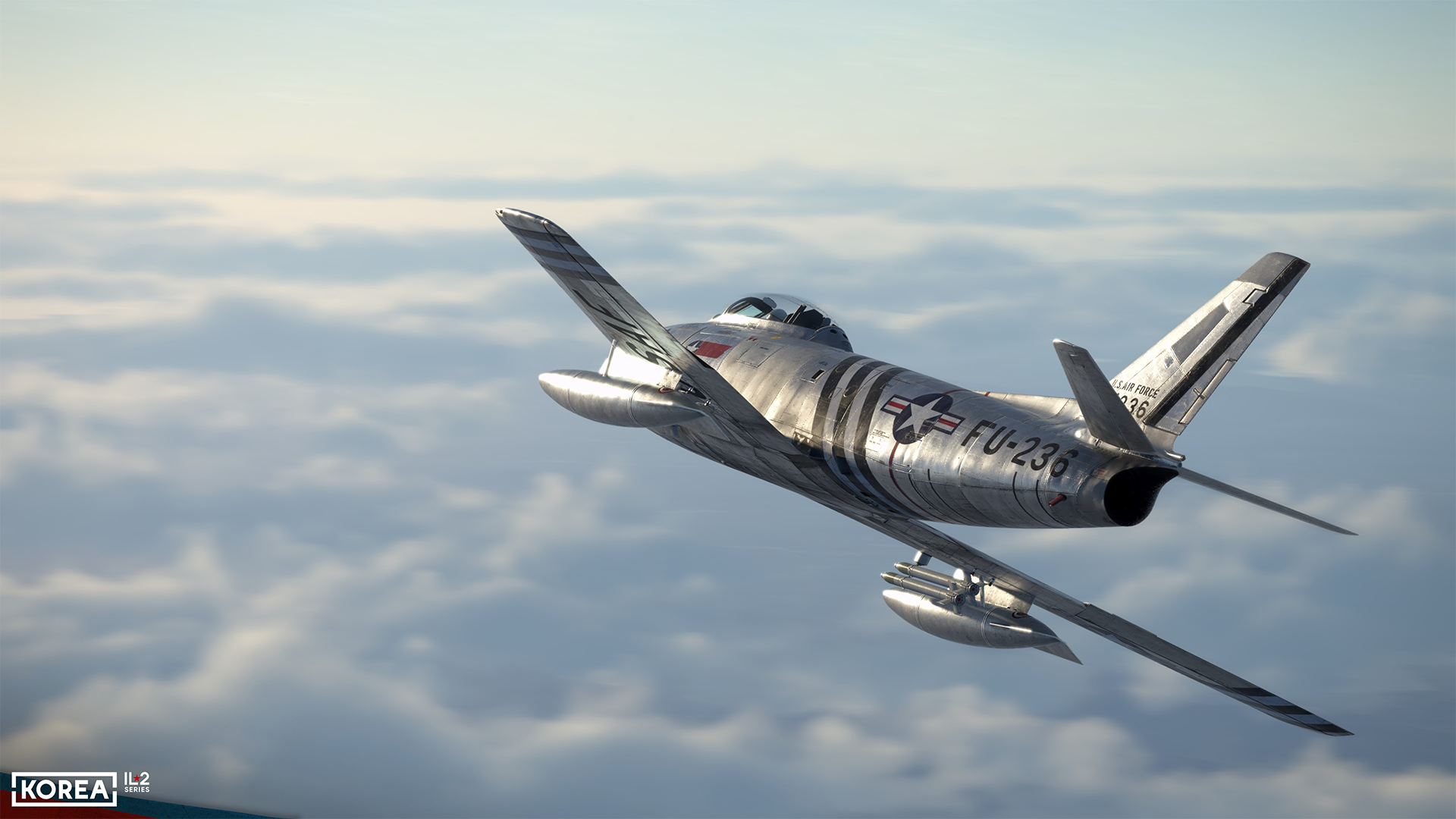
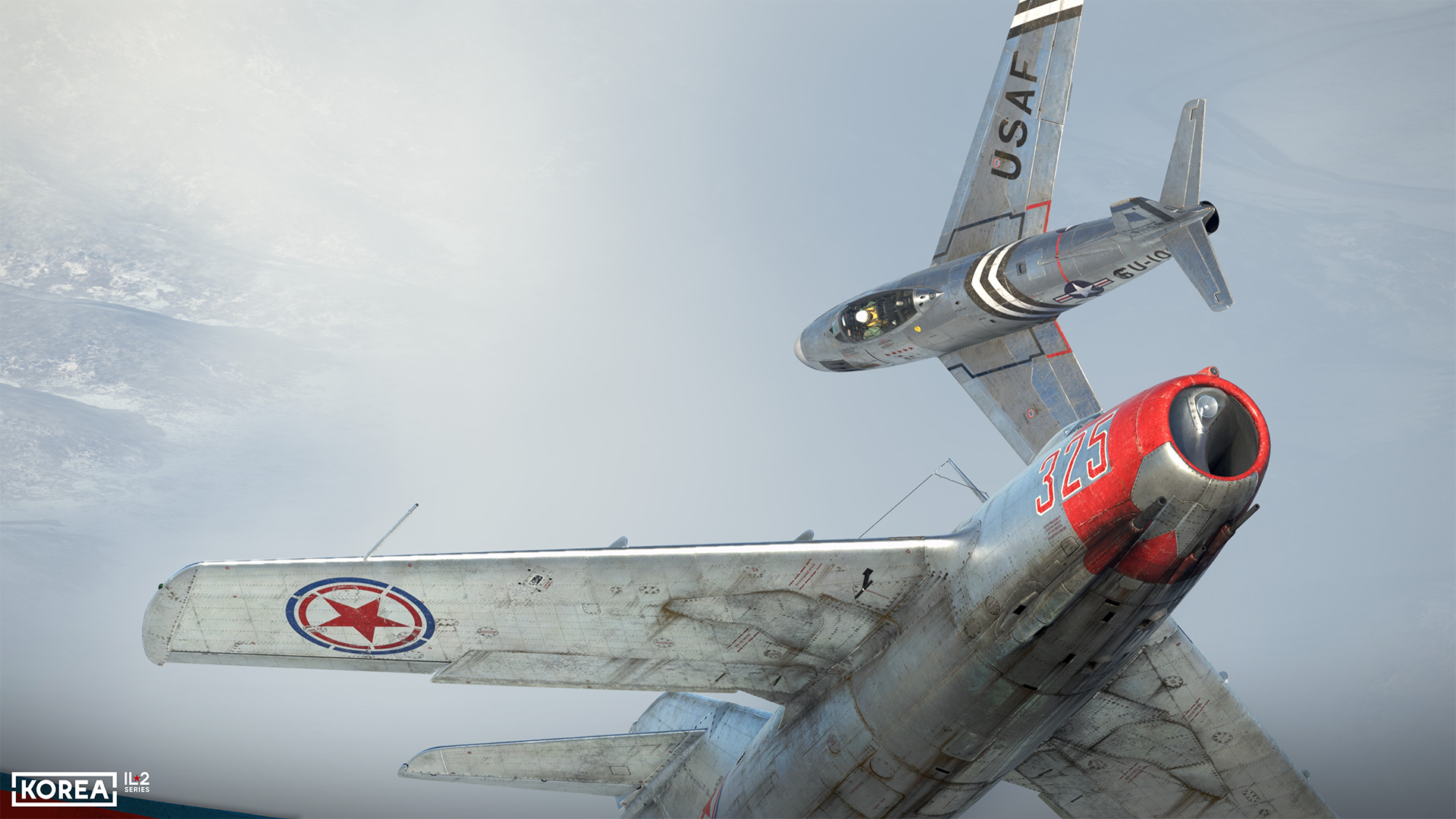 Today, we have a hot topic, one that truly stirs the minds and hearts of all combat aviation enthusiasts! Which aircraft is stronger in aerial combat: the MiG-15bis or the F-86A Sabre? We will try, and most likely somewhat fail, to answer this question. After all, we should make a disclaimer: in real air combat, everything is decided by pilot experience, the initial conditions of the engagement, the combat mission facing each side, and, of course, numerical advantage. As the French Marshal Jacques d'Étampes said: "God is always on the side of the heaviest battalions." Nevertheless, we will examine the combat situation that players often face in flight simulators, and here, of course, we will be able to provide some answers.
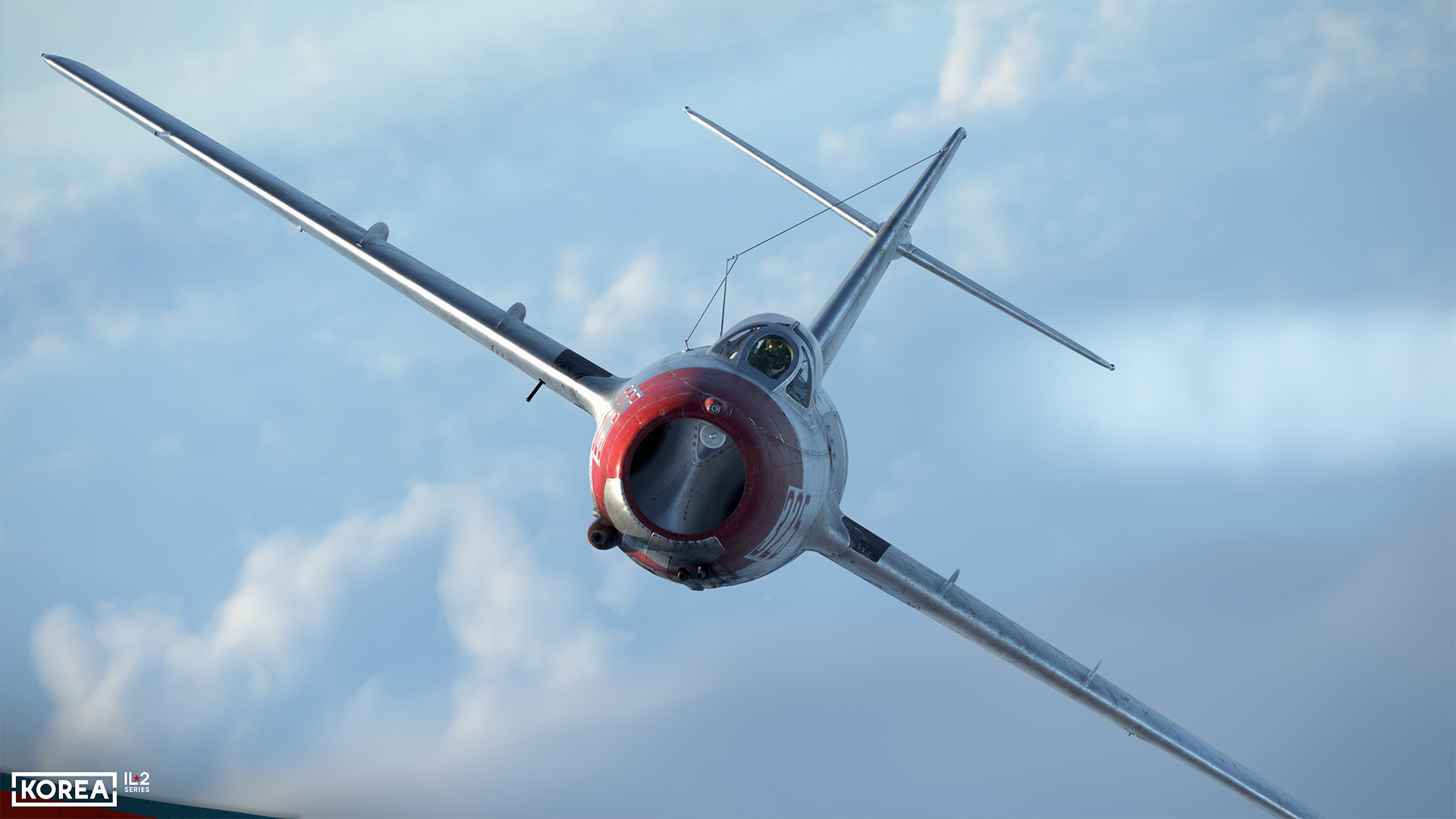
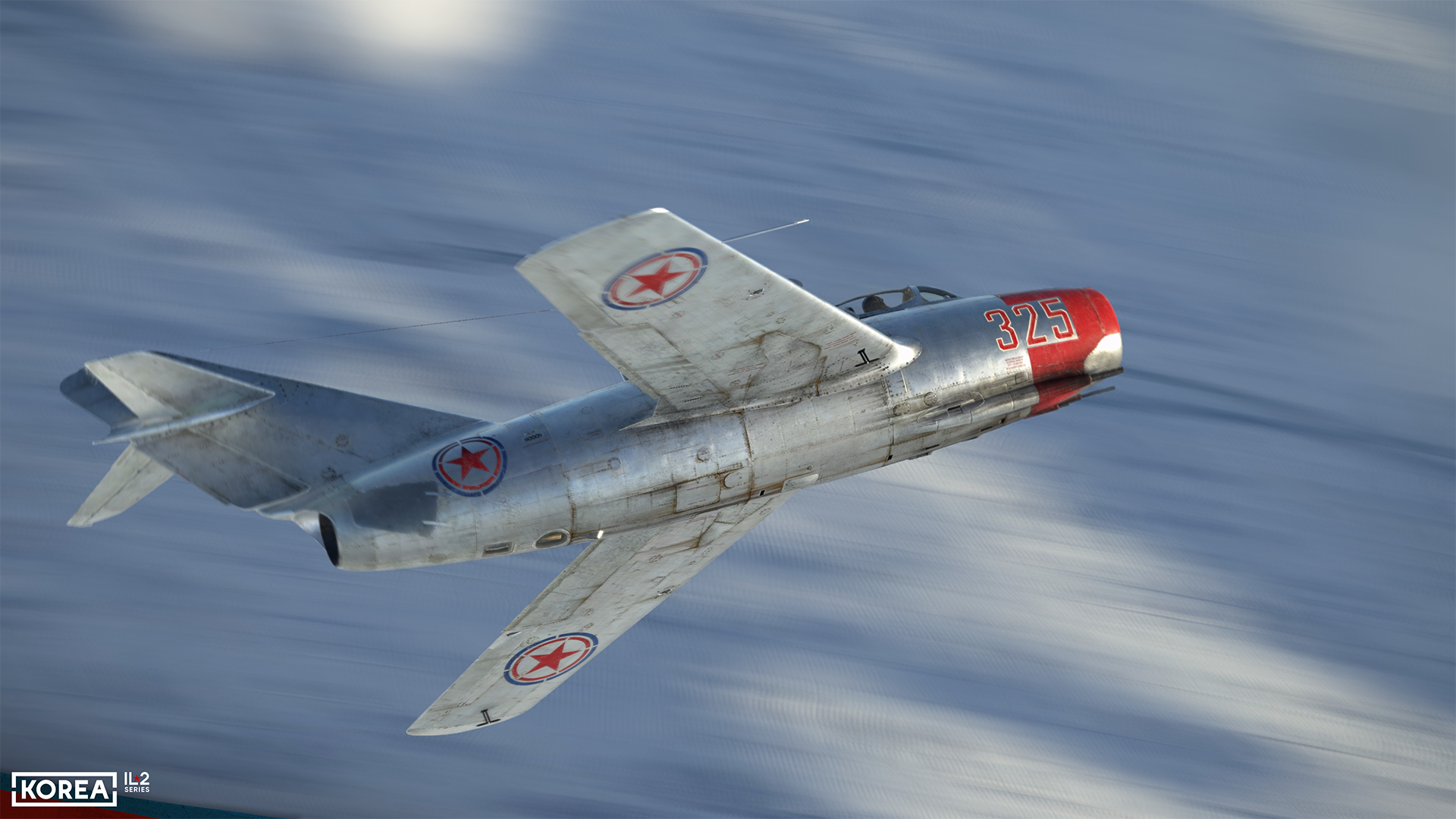
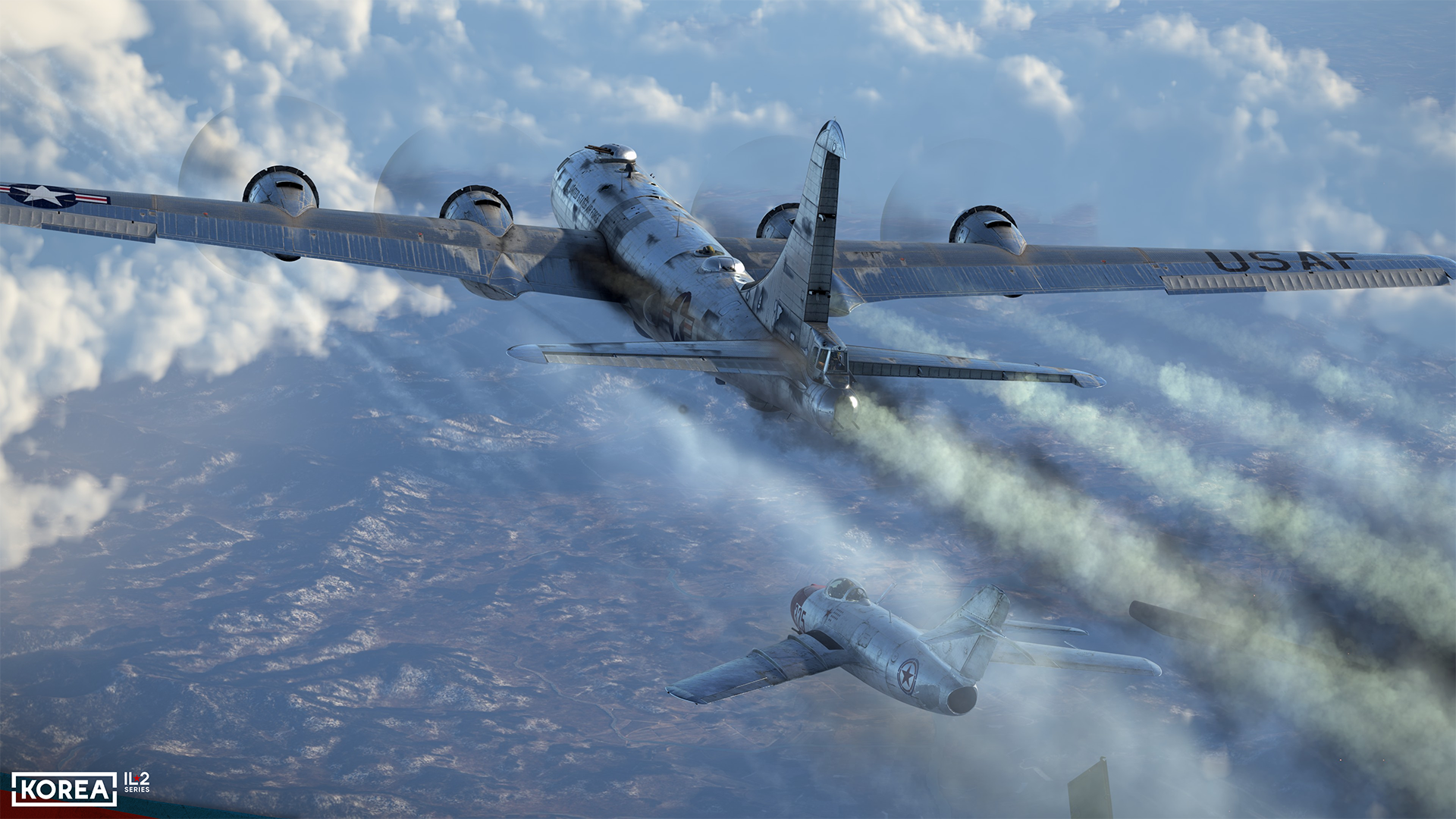
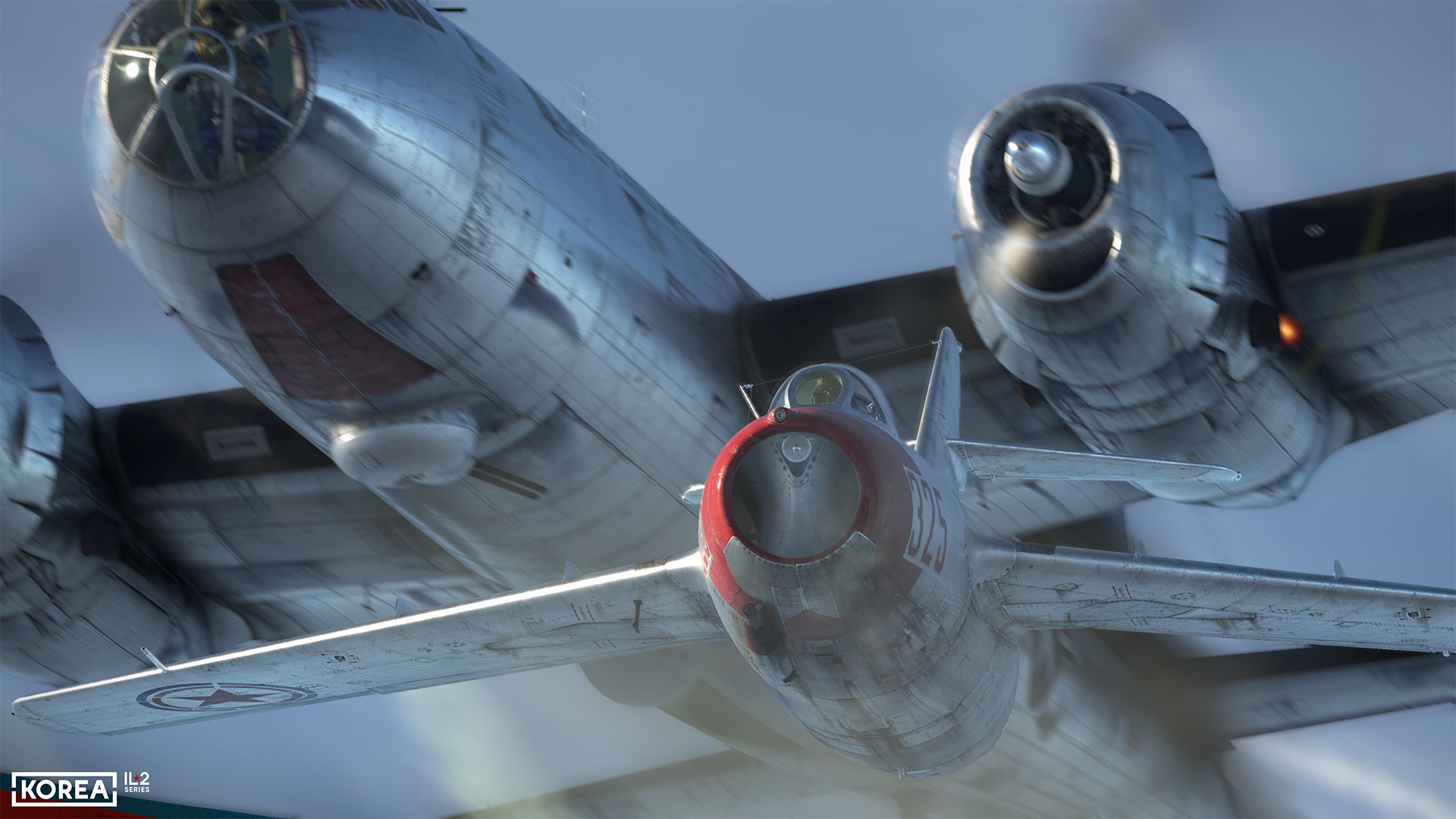
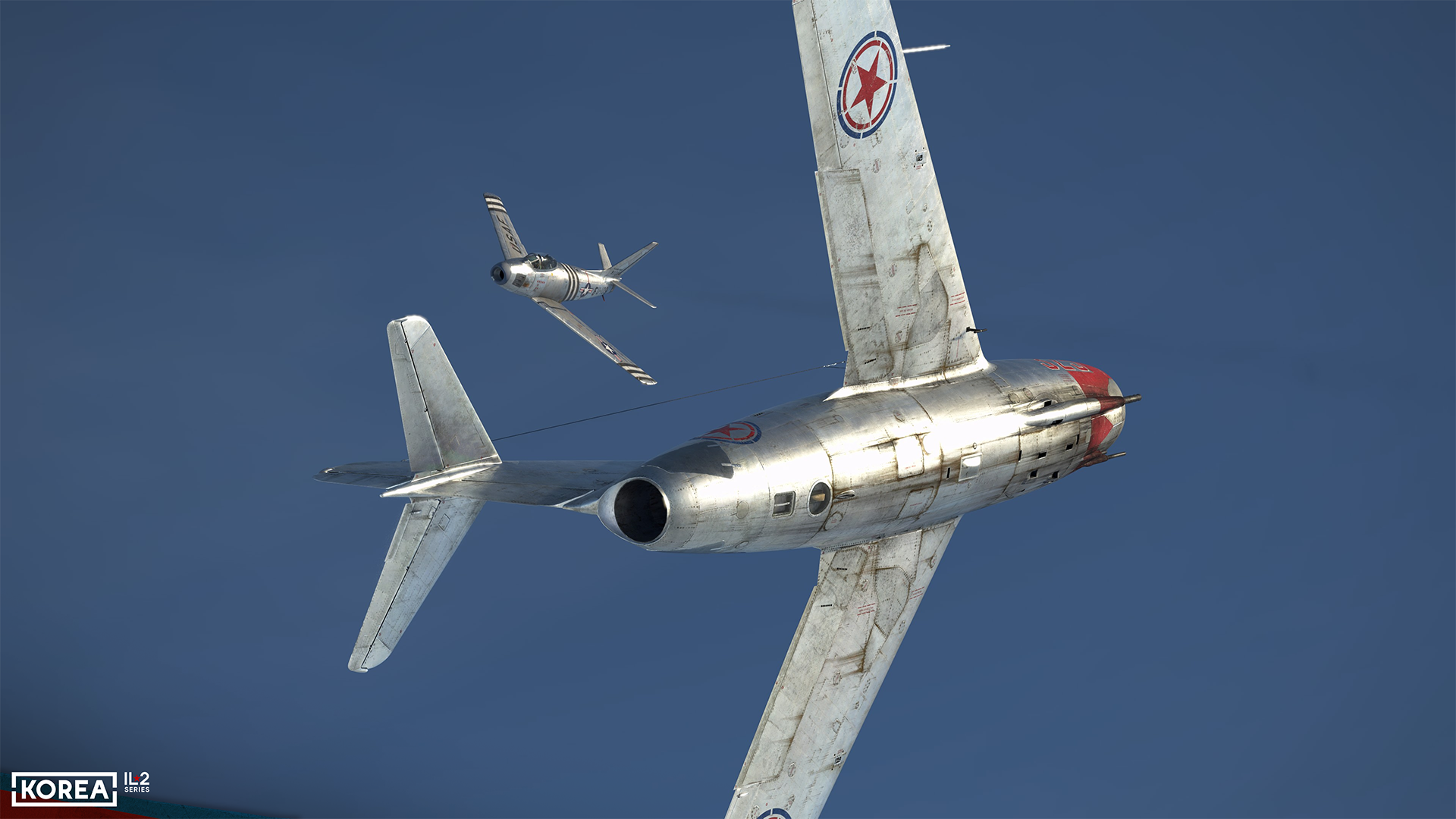 First, it should be mentioned that the MiG-15 was initially created as an interceptor. The Soviet Union knew its future Cold War adversary perfectly well. That adversary’s main power, armadas of heavy four-engine bombers which are covered by multiple long-range fighters, was well known to everyone. To counter that strategy, there was a need for an aircraft that was fast and armed with weapons capable of destroying a heavy target on the first pass. The aircraft had to be high-altitude: it had to initiate an attack run from a great height, outside the reach of the enemy escort, picking up maximum speed by the moment of opening fire. The MiG-15, featuring a ceiling of 15 kilometers, a speed of up to Mach 1, and heavy armament of two 23 mm and one 37 mm rapid-fire cannons, was fully up to this task.
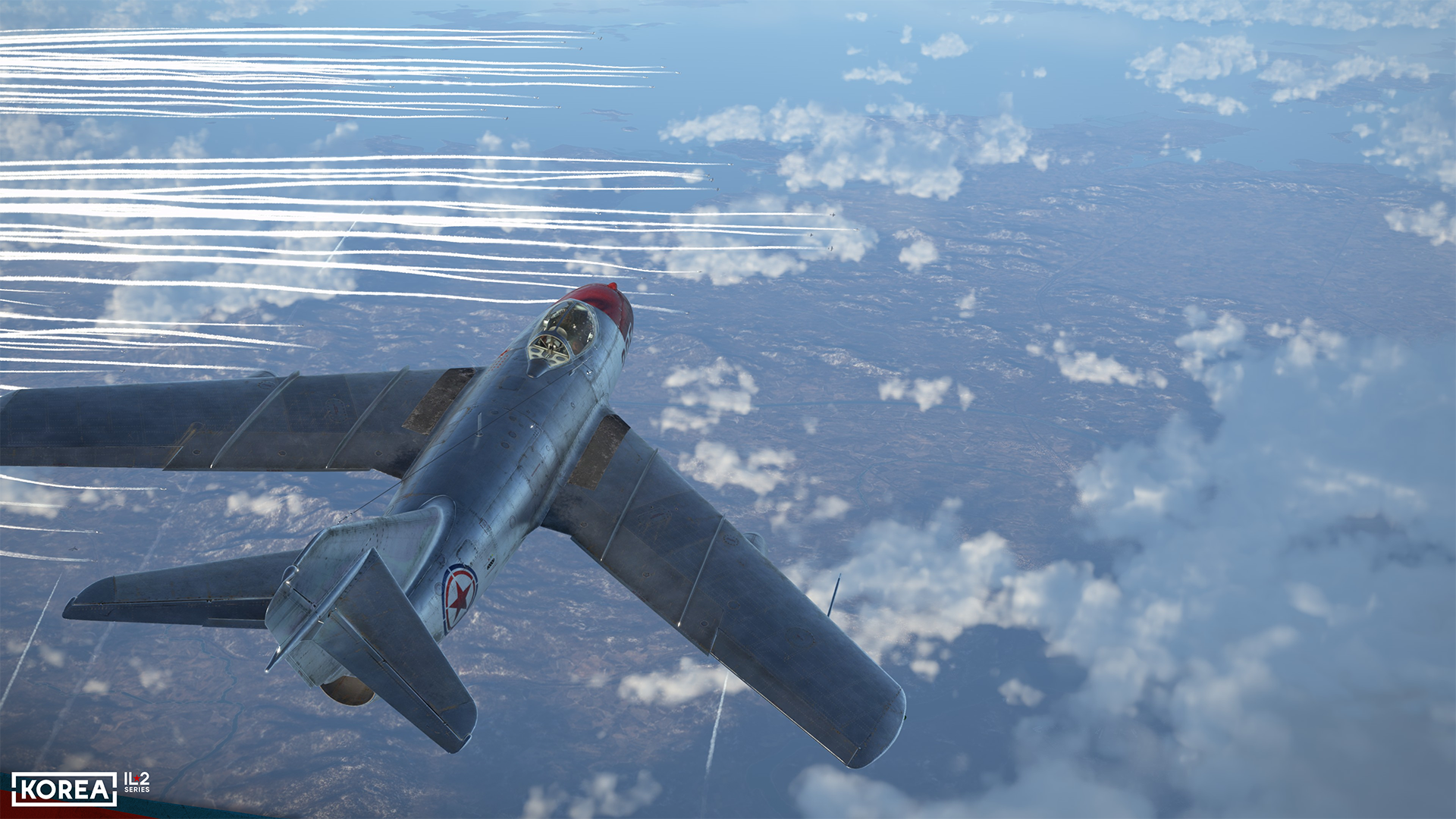 The Sabre, in turn, was created as a fighter. Its main goal was to combat enemy interceptors and fighters, to gain air superiority, and to cover those very armadas of bombers. The Soviet Union had few heavy bombers, so the Sabre’s design differed from that of the MiG. The Sabre’s most important aspects were maneuverability, extended flight range, a large ammunition capacity for prolonged air combat, a high rate of fire for the destruction of small, agile targets (as well as the equipment that allowed accurate aiming against such targets), and the best possible cockpit visibility to detect them. All these tasks were solved brilliantly for the Sabre.
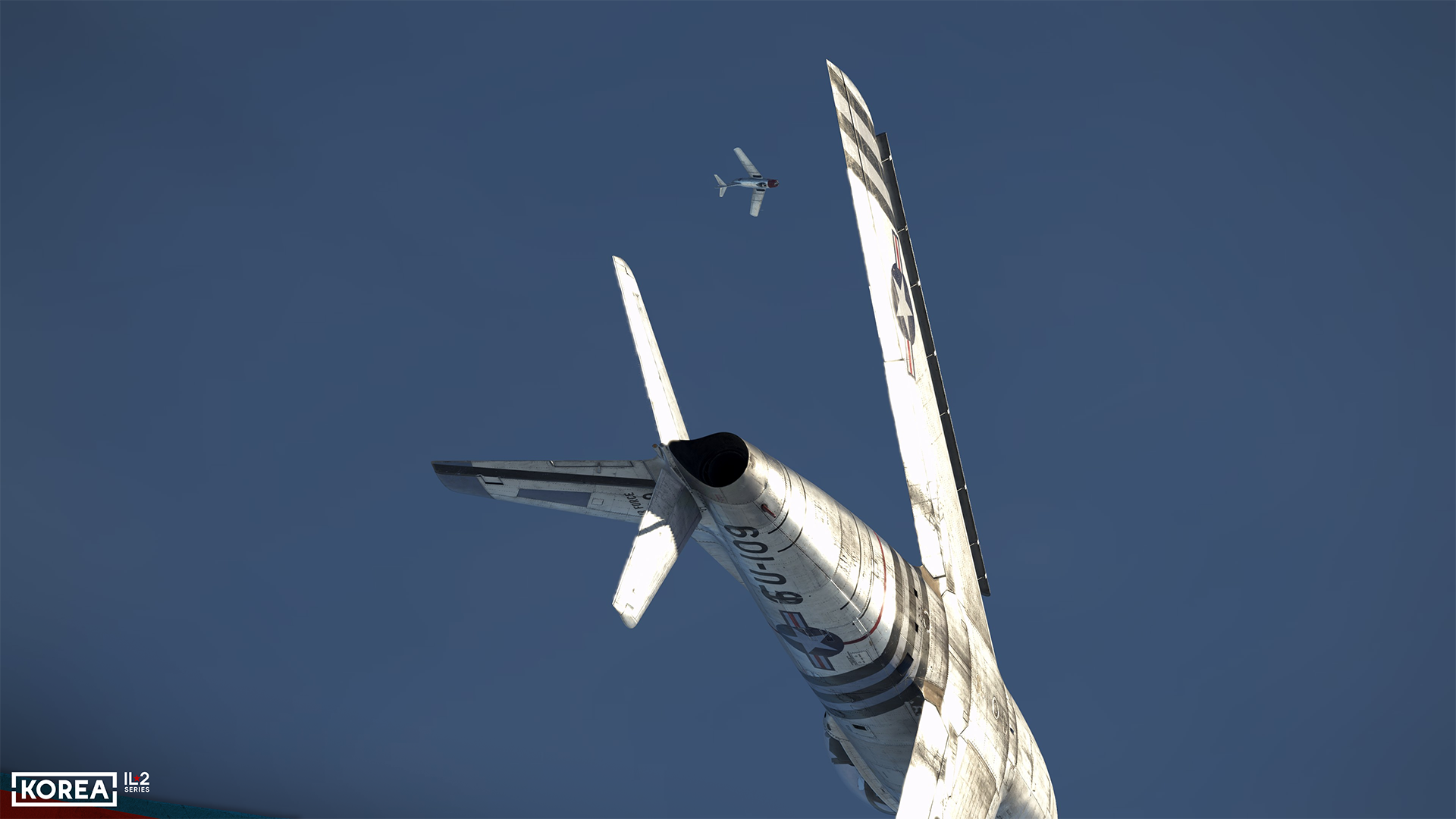
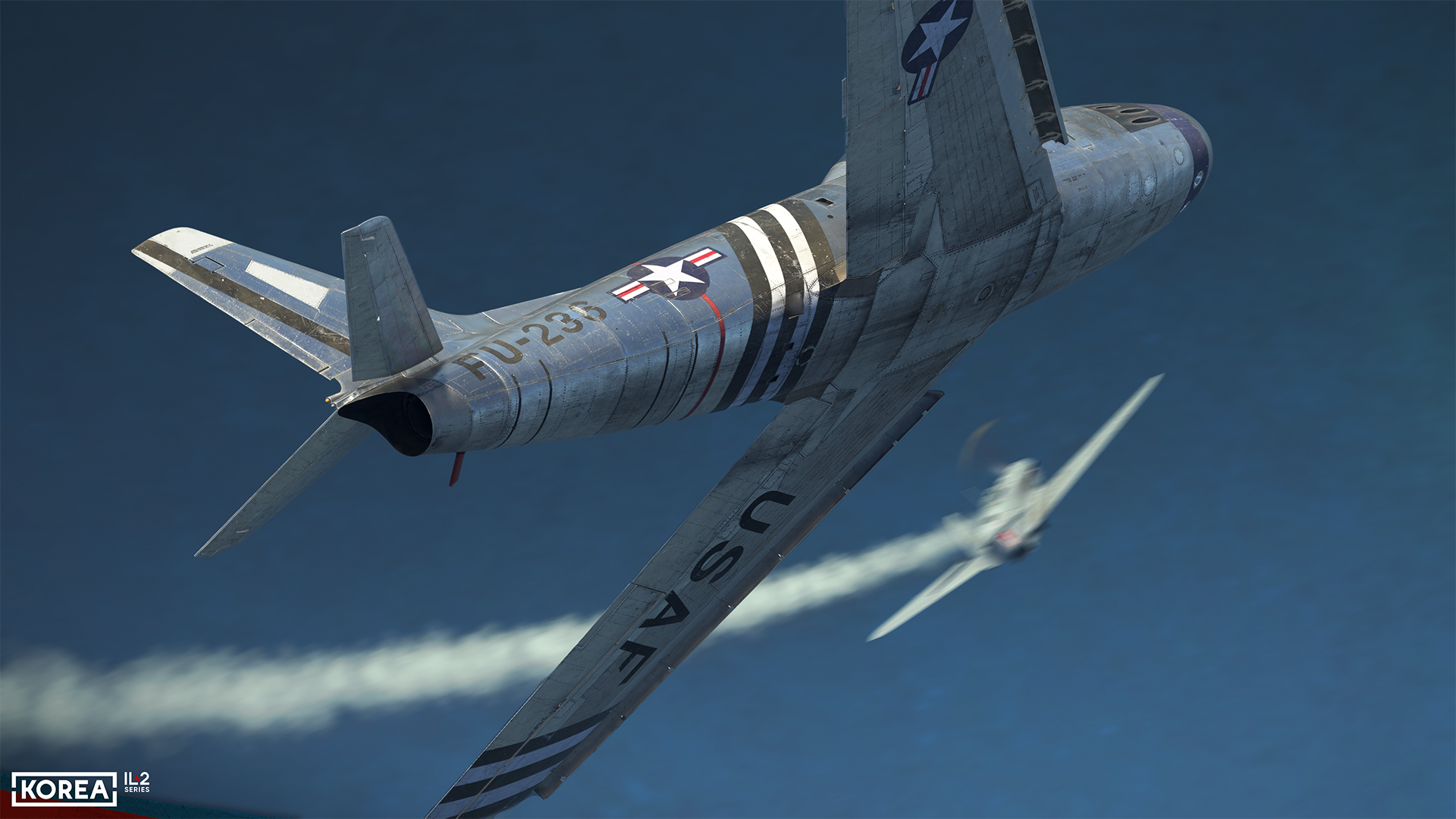 If we compare a duel between the two fighters, we start with a comparison of horizontal maneuverability and "agility." The Sabre’s turn time is somewhat lower than the MiG’s, and its roll rate is somewhat higher. This is achieved through a larger wing area (lower wing loading) and the high-lift devices on its leading edge (slats). Furthermore, the slats enable the Sabre to perform significantly more energetic turns, right at the limit of G-load. The slats allow it to reach angles of attack of up to 20°, whereas the MiG can only reach 14°, after which a stall occurs. Thus, the Sabre can pull more energetically onto a target or break away from an attack with a sharper maneuver.
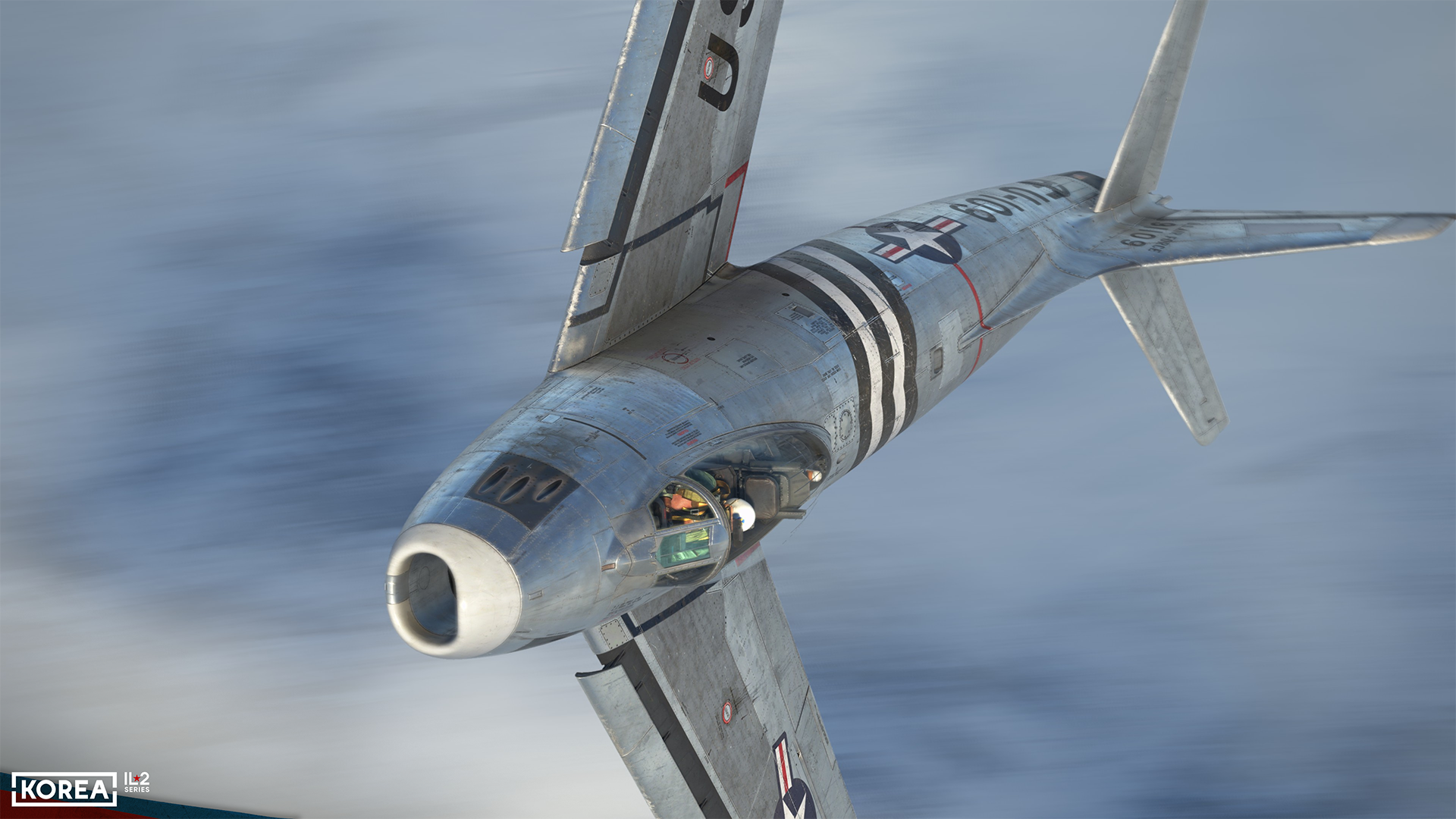 When it comes to climbing, the MiG has a significant advantage. When the aircraft is close to the ground, it is not yet noticeable, but at higher altitudes, the advantage becomes decisive. This is a consequence of the VK-1 engine’s thrust being a quarter greater than that of the J47-GE-13 engine, as well as the MiG’s lower combat weight (takeoff weight is 1,300 kg less): at high altitudes, this yields an advantage of up to a third in the rate of climb. For the same reason, the MiG has noticeably better acceleration dynamics, although the maximum flight speed of both aircraft is more or less identical. The maximum flight altitudes (ceilings) are also identical: both aircraft are around 15 kilometers.