2026.9.4 Experimental Patch Notes & September Development Update
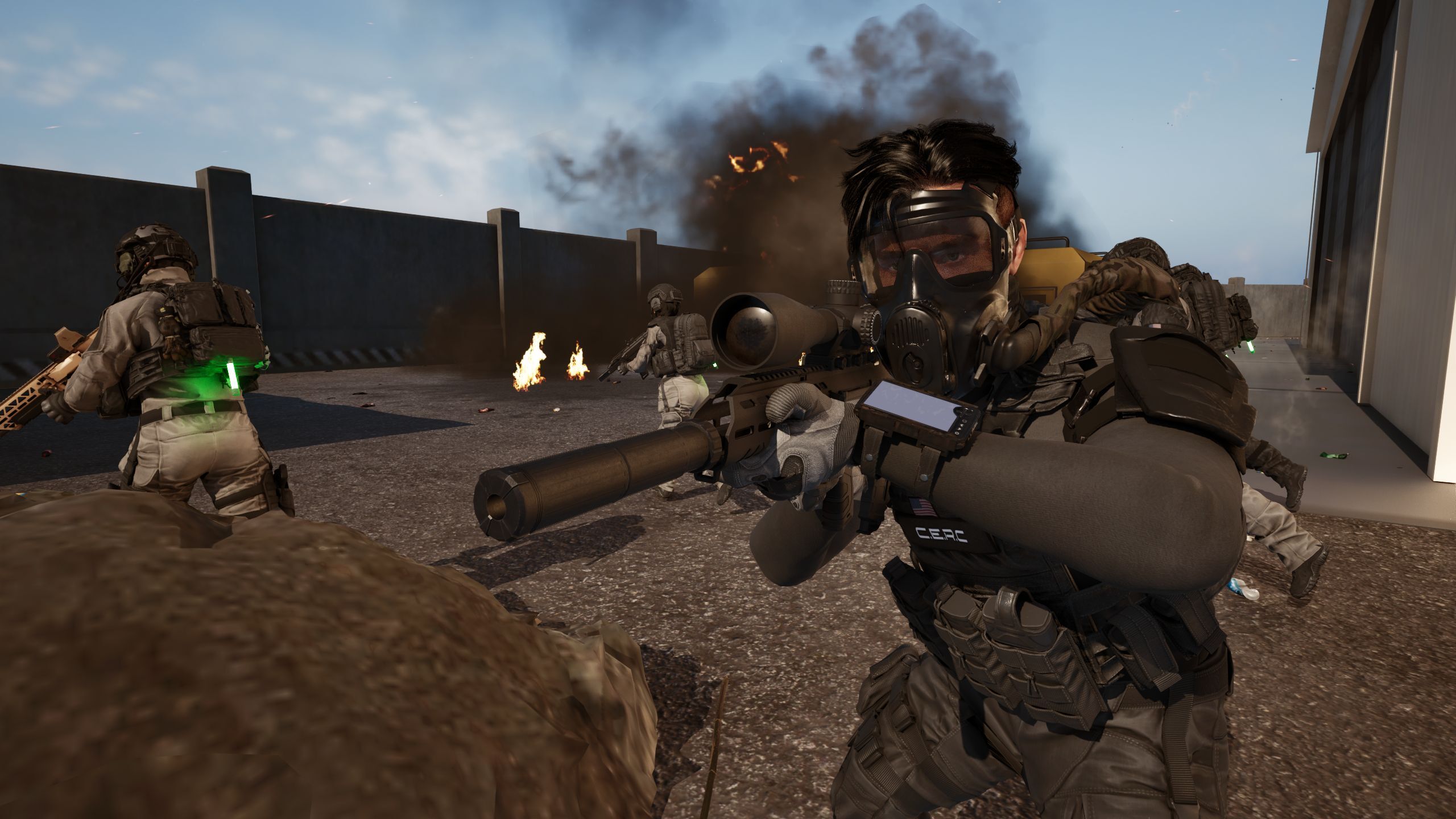
THE BAY AREA IS COLLAPSING. The virus is loose across the peninsula. Flashpoints are erupting across the region as entire districts fall into chaos and infected swarms push deeper into civilian zones. CERC forces are already in the field. Embedded military reporters and frontline
 [/carousel]
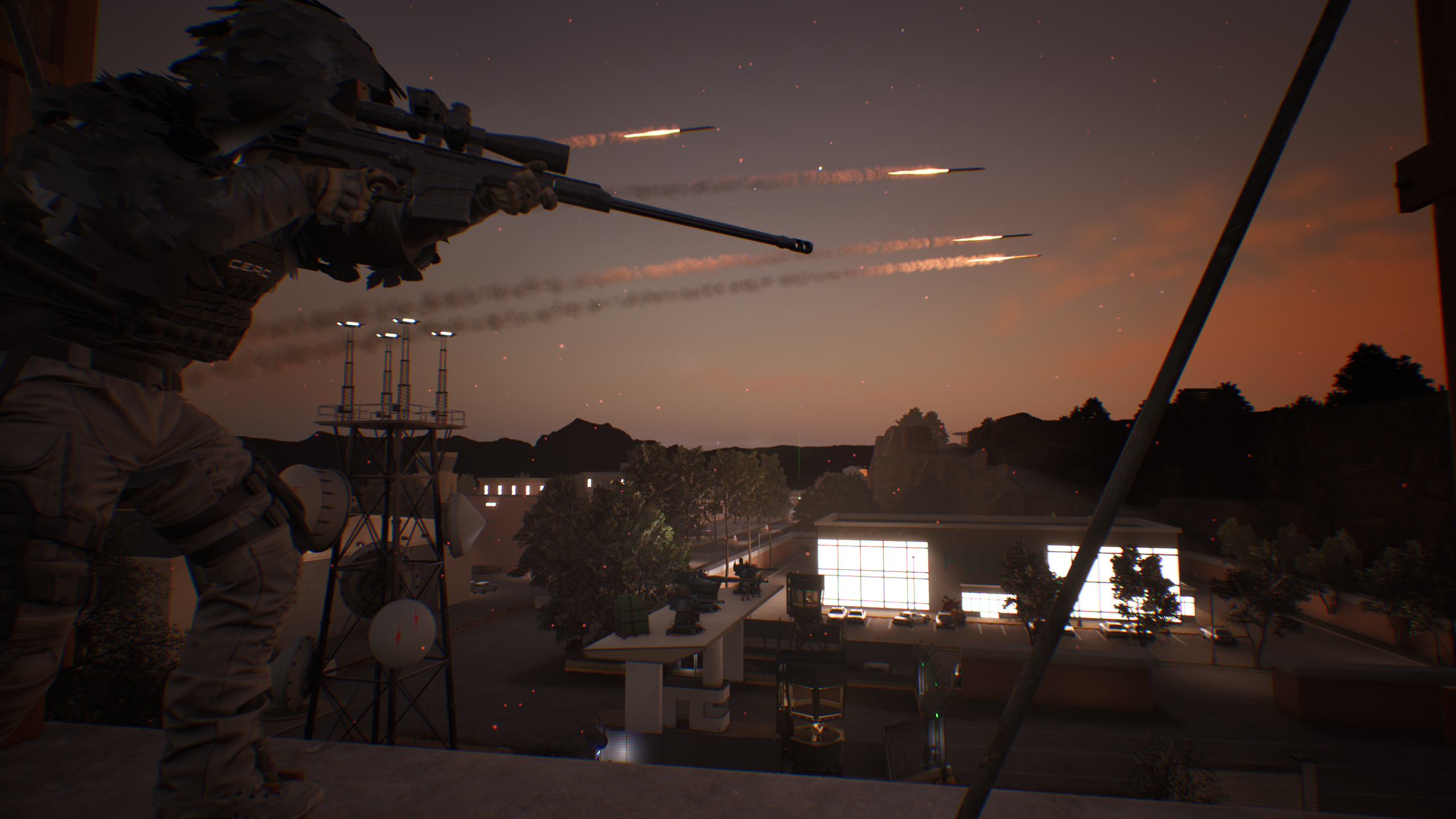
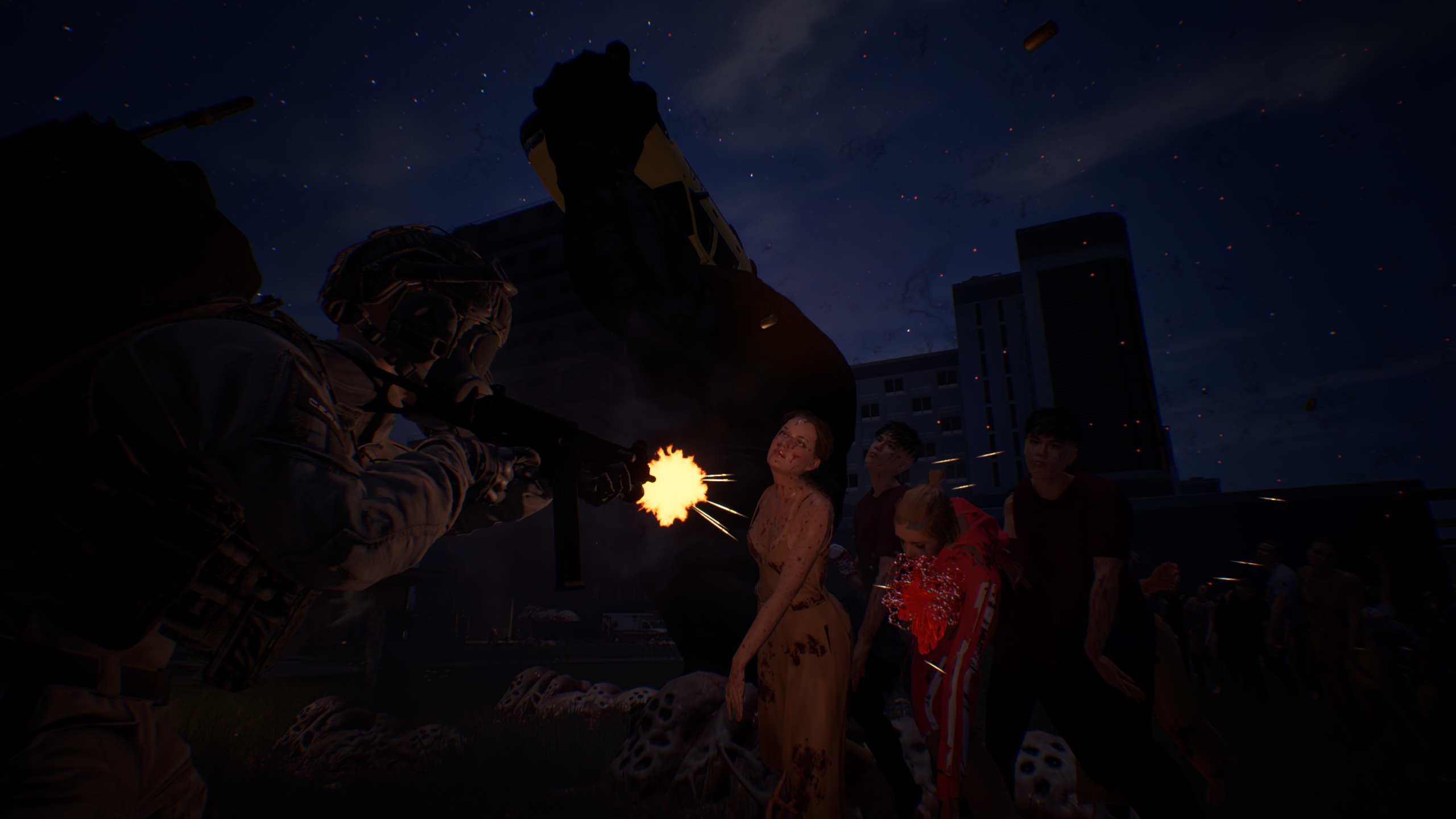
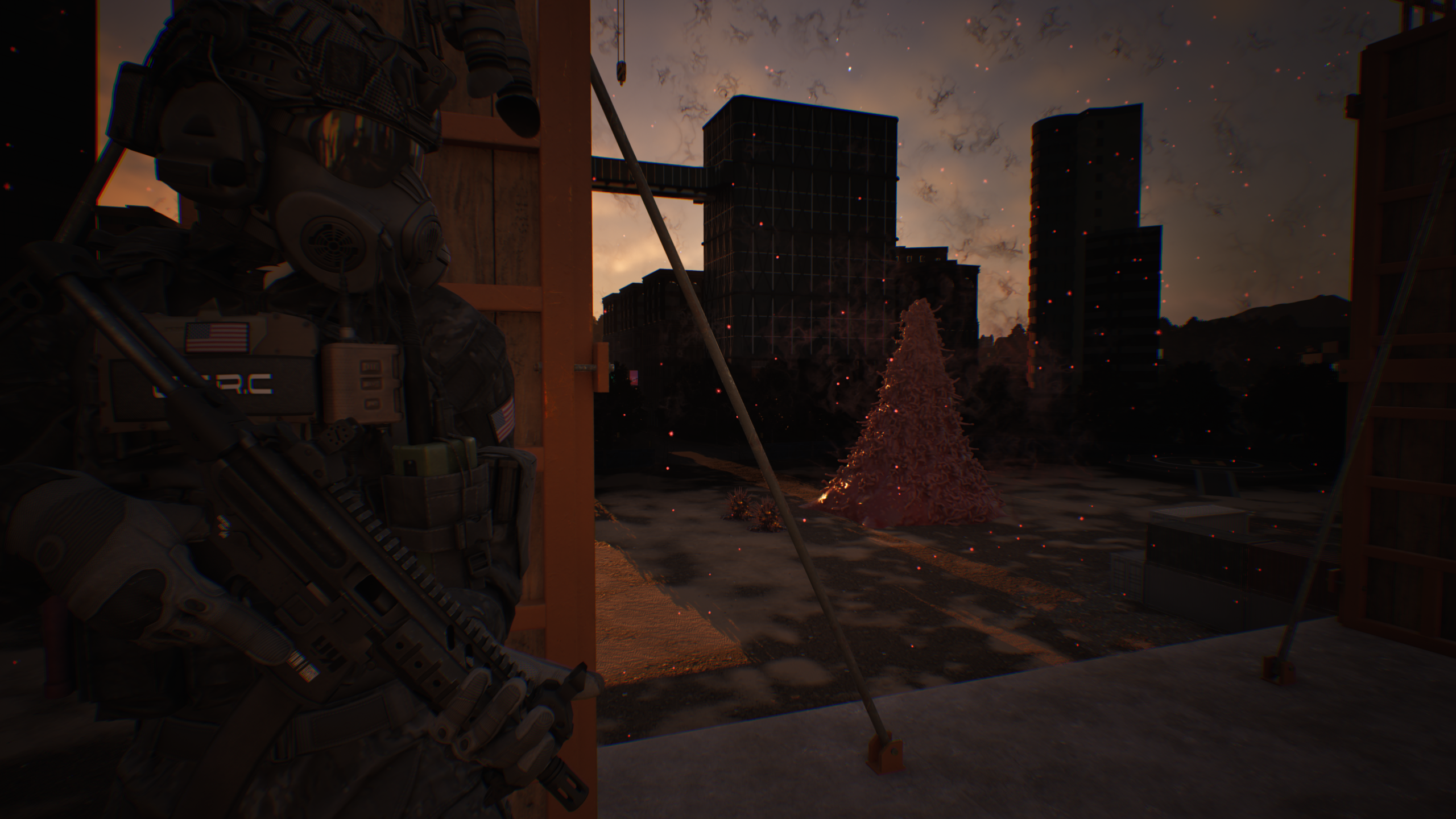
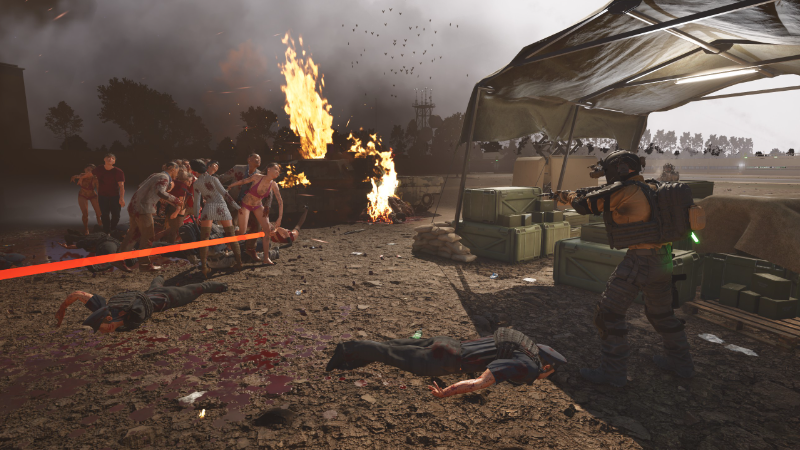
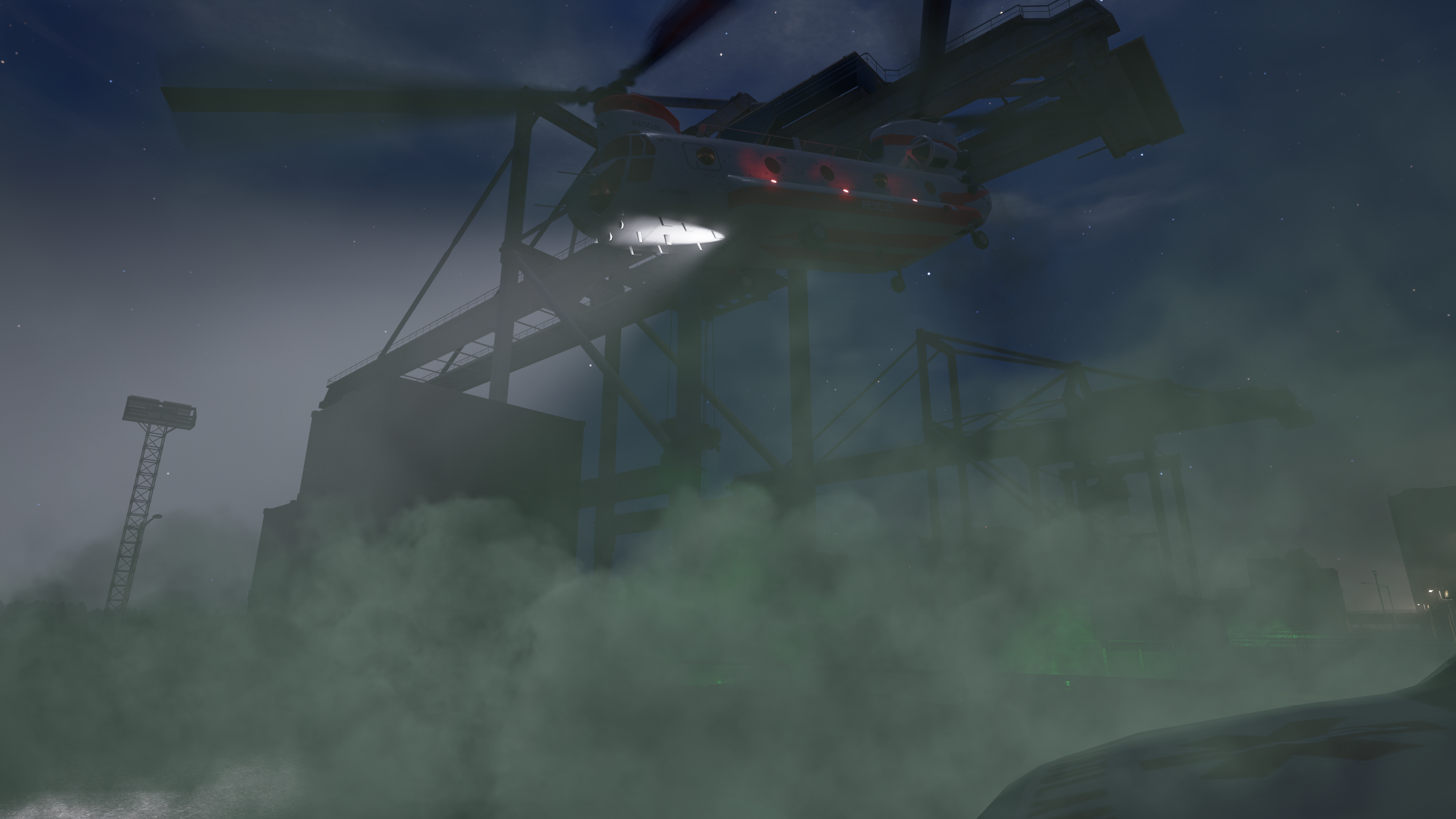
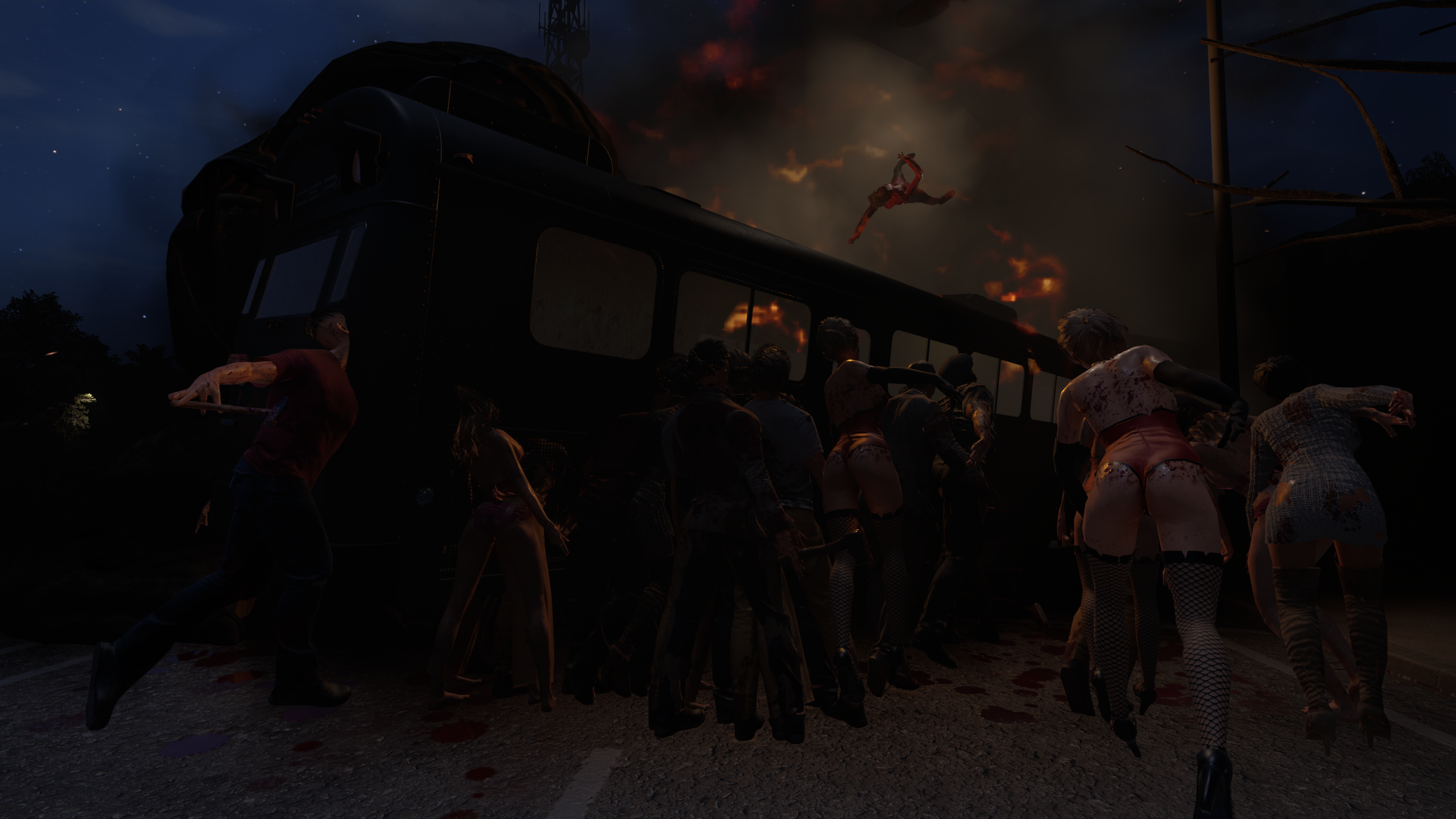
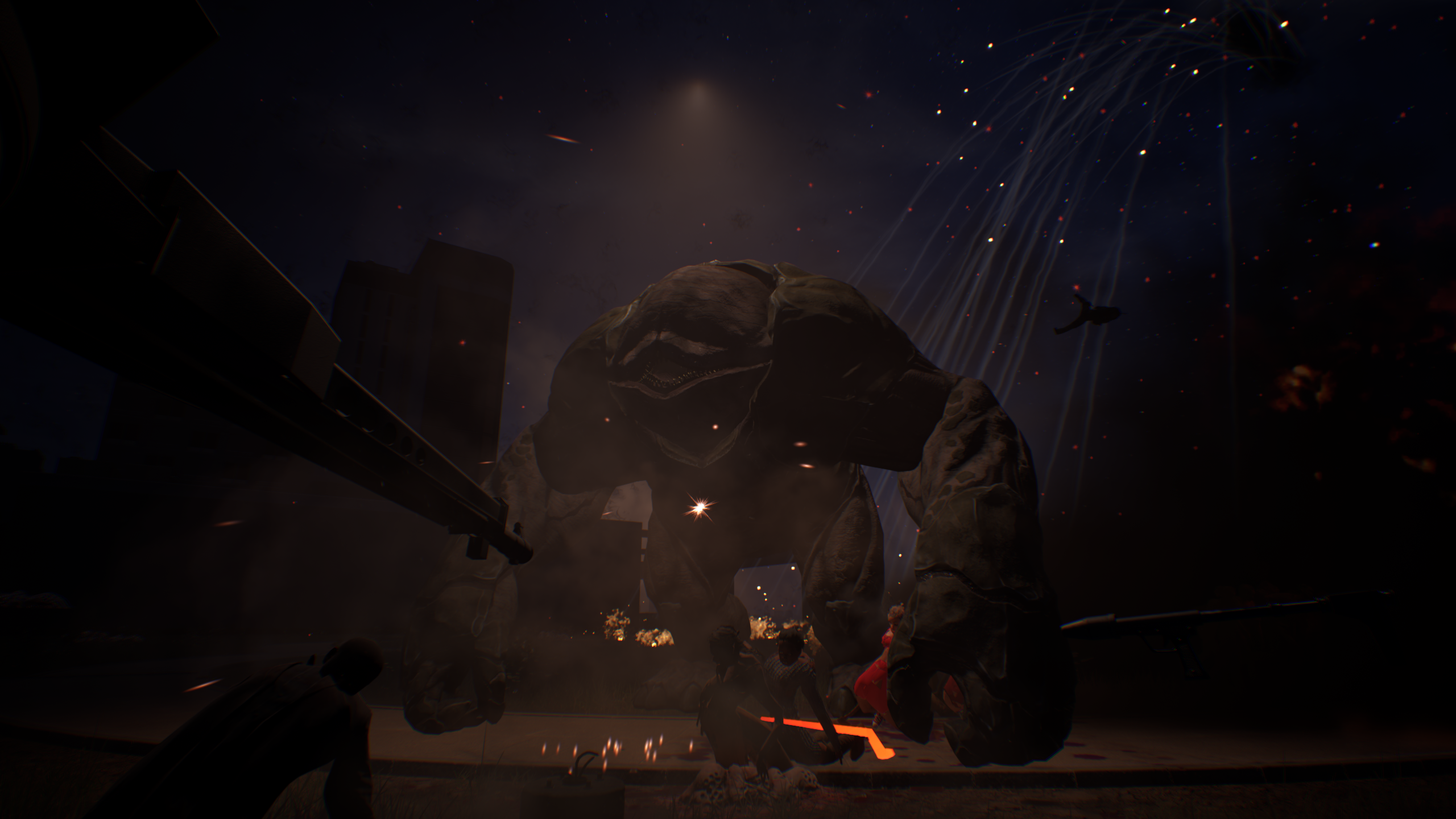
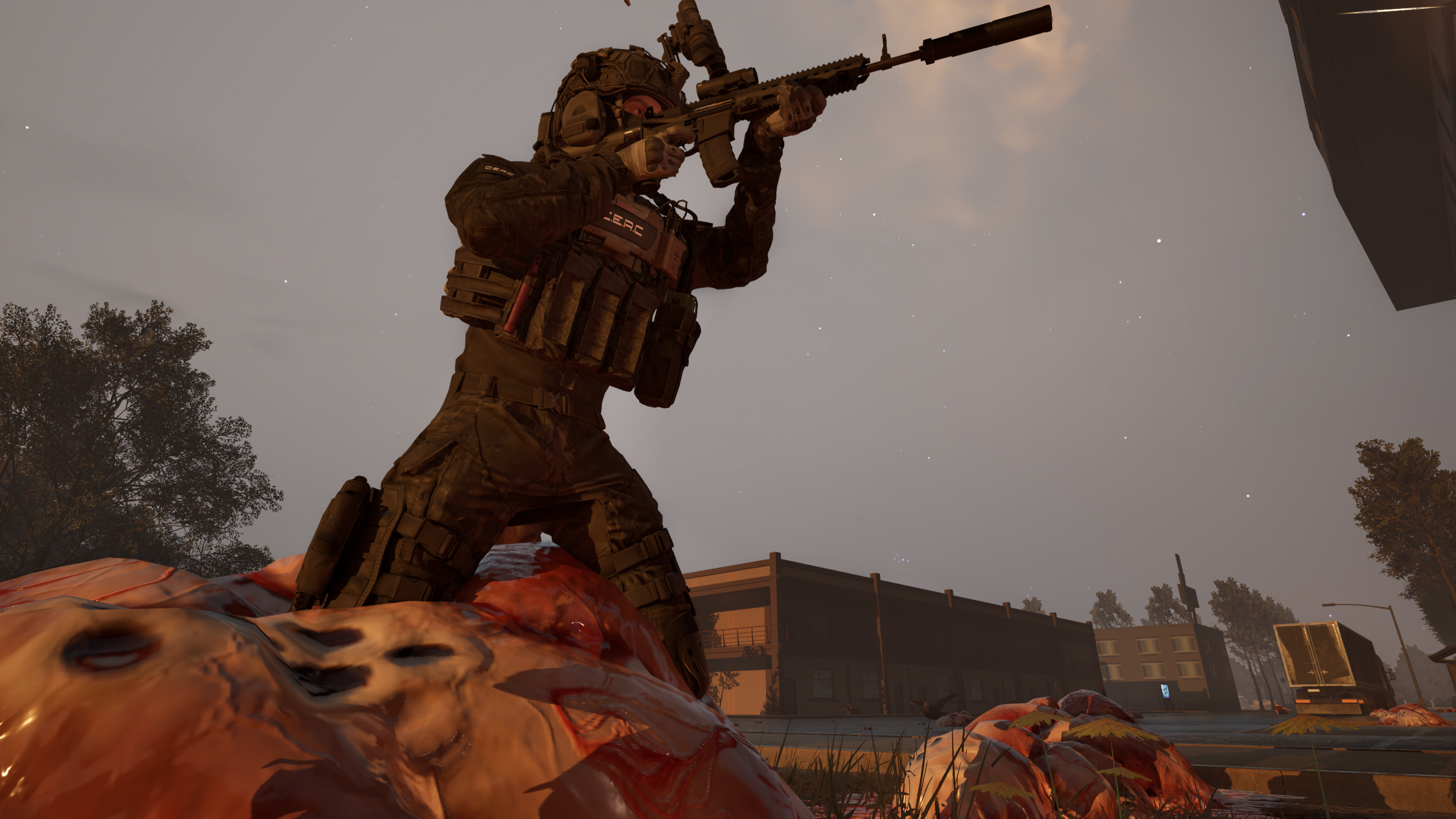
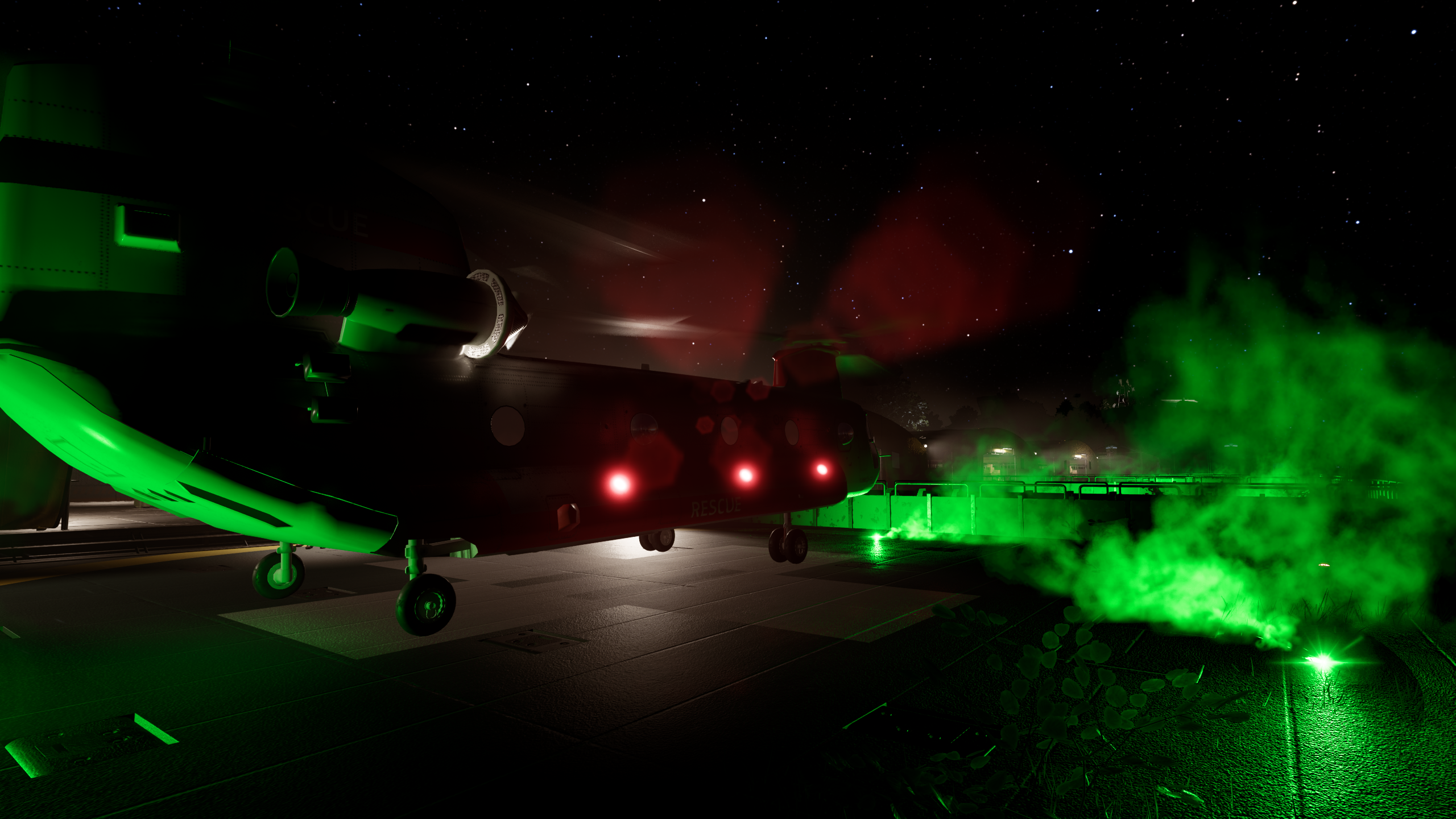
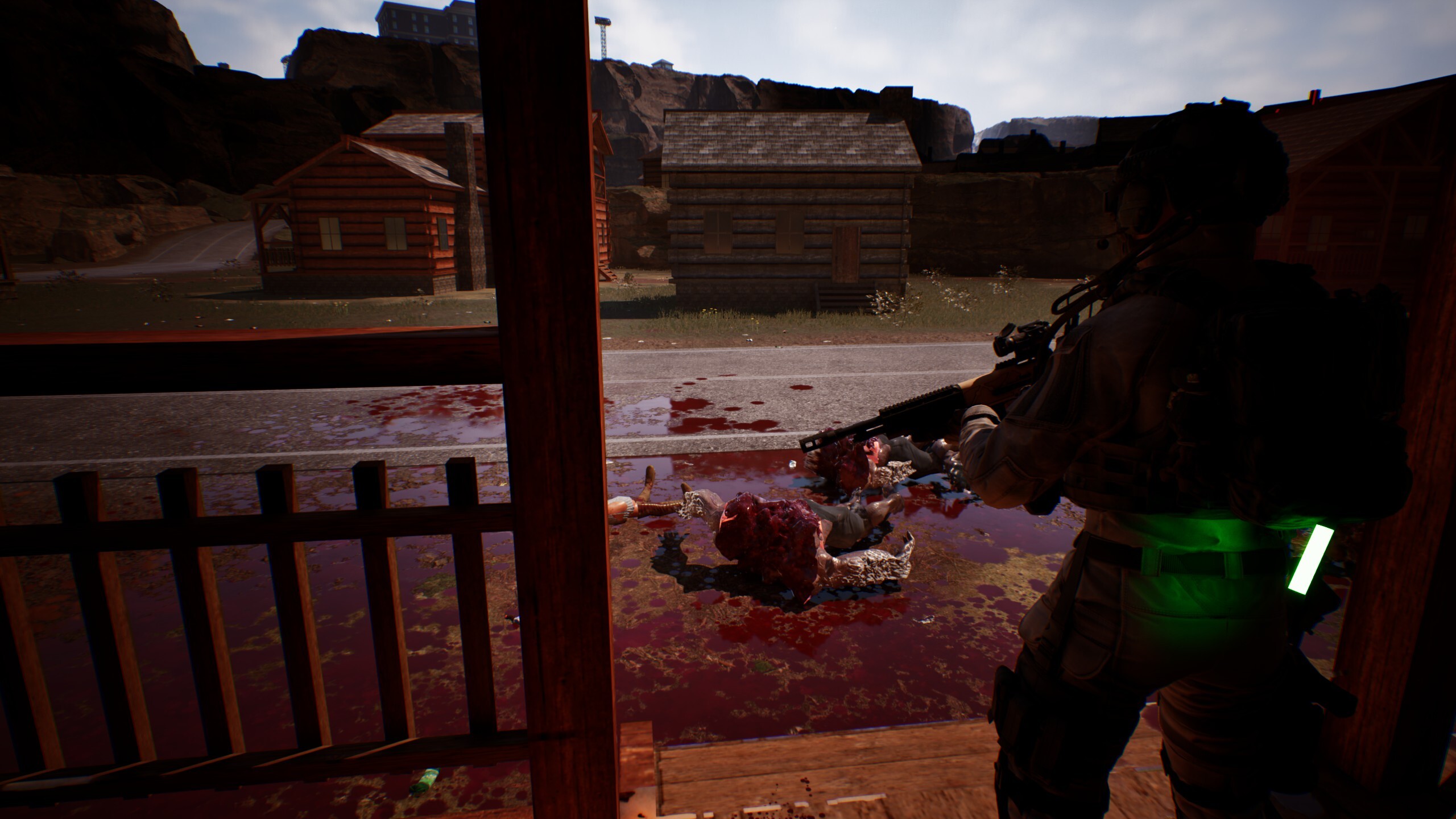
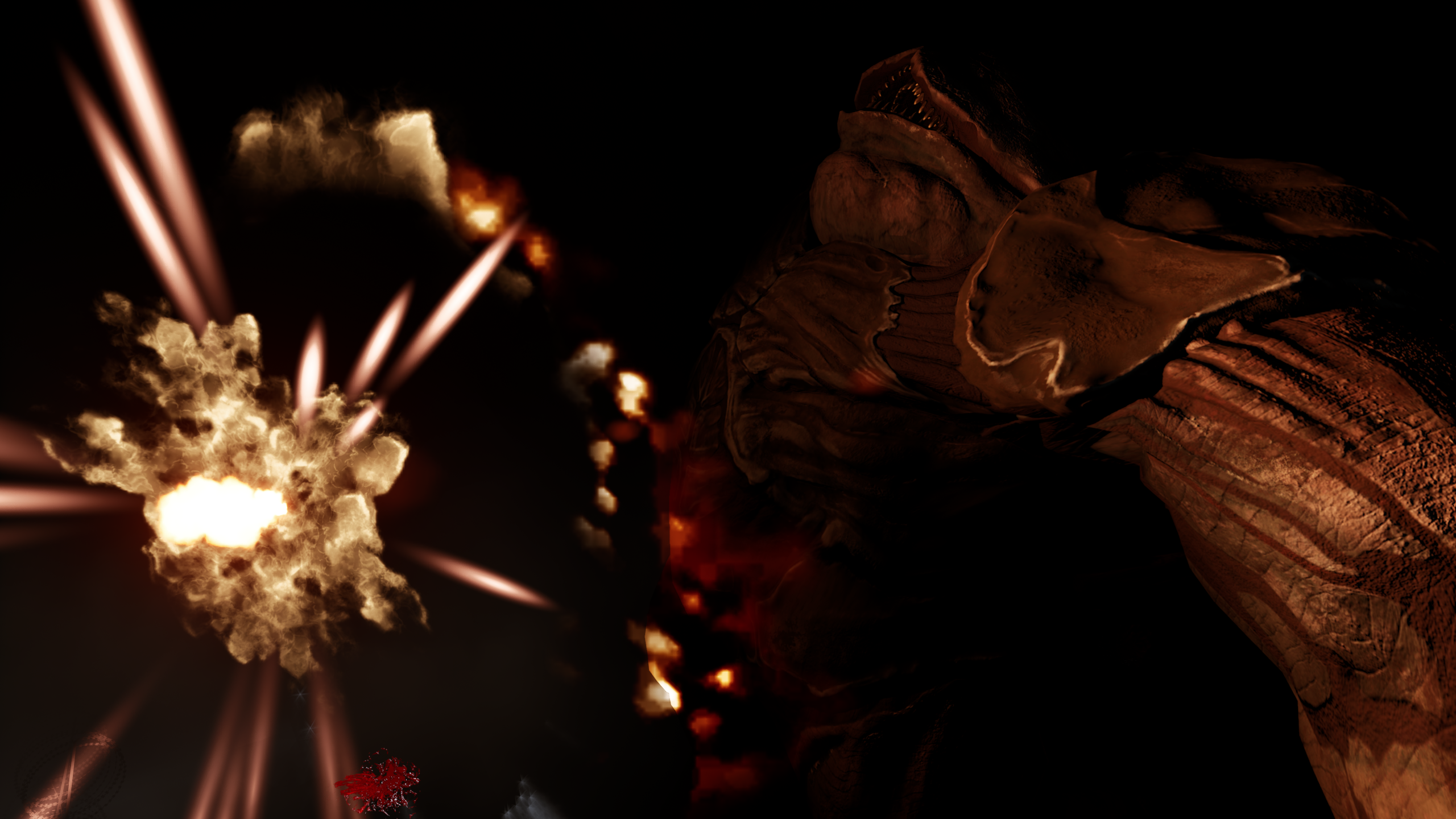
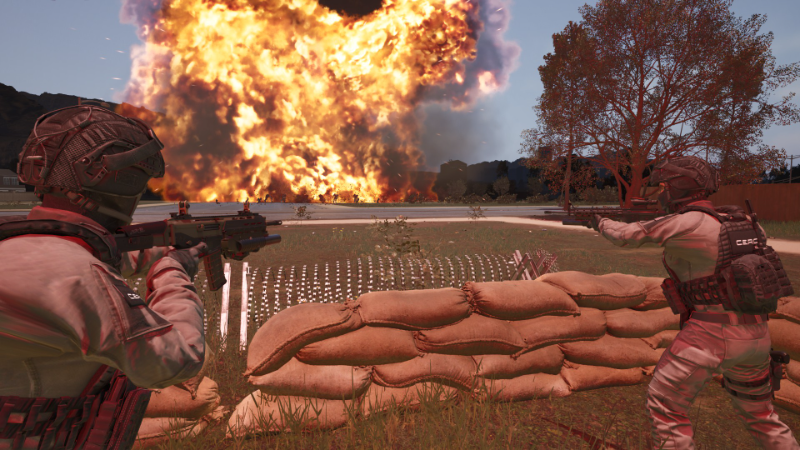
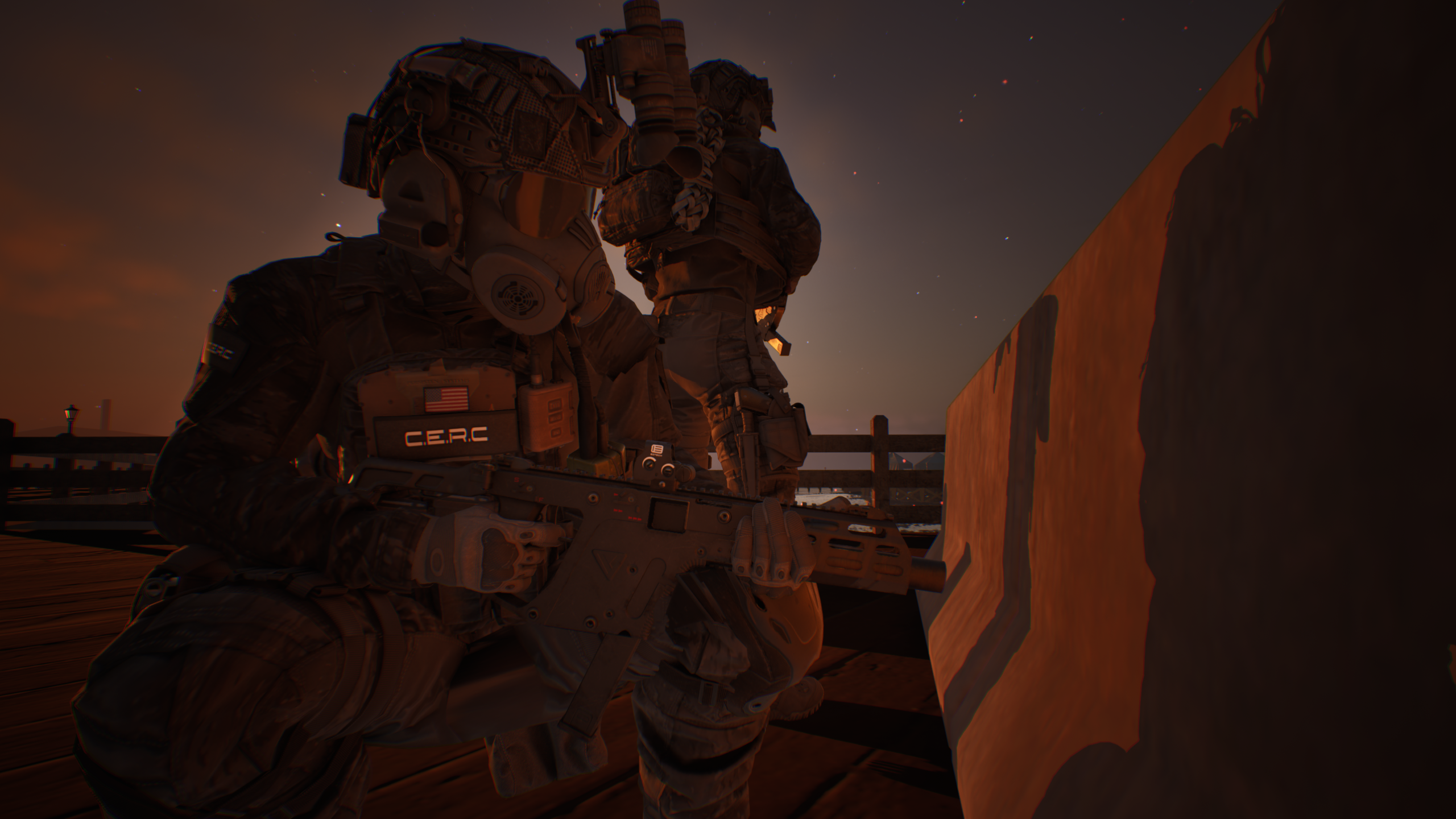
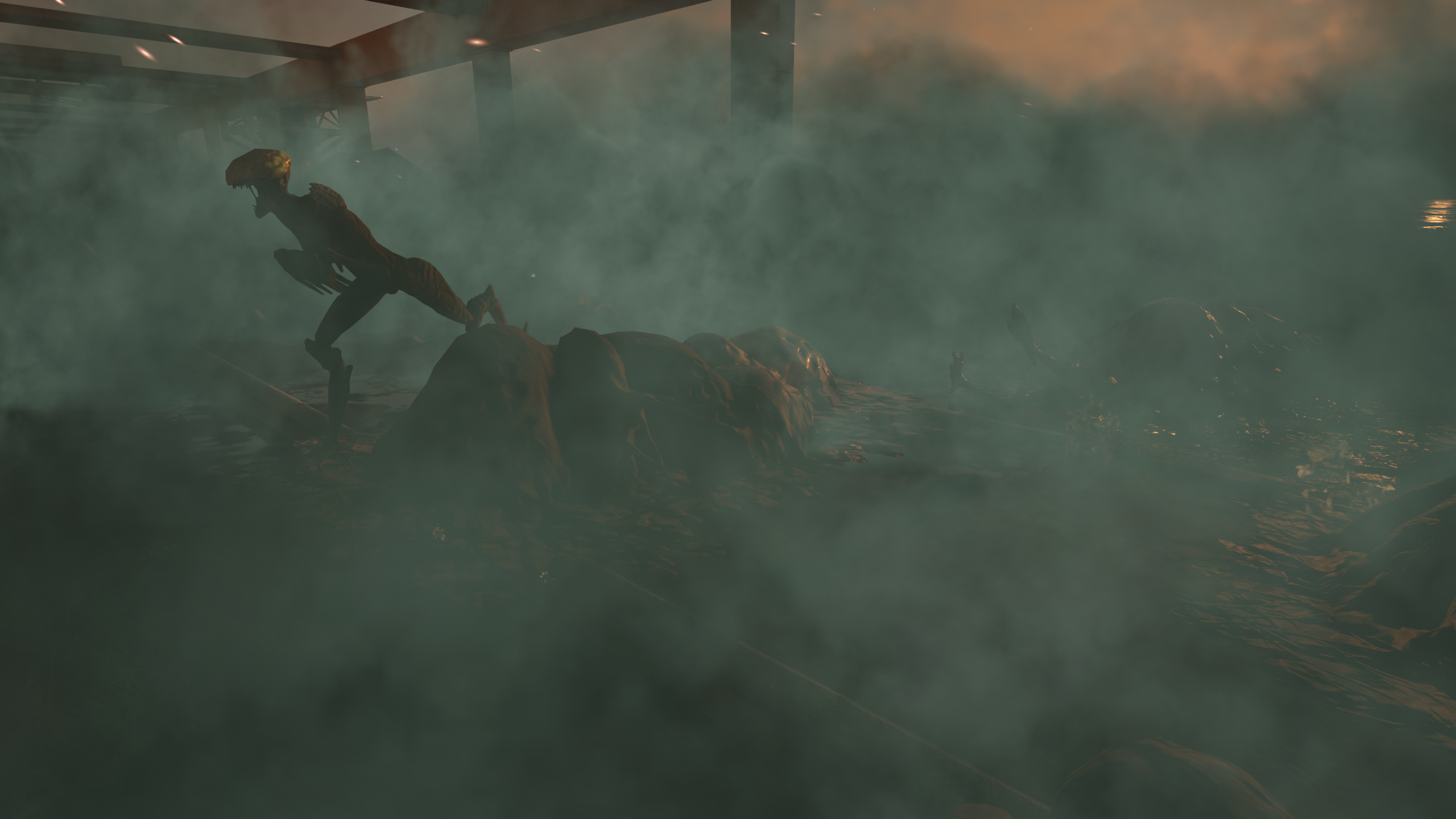
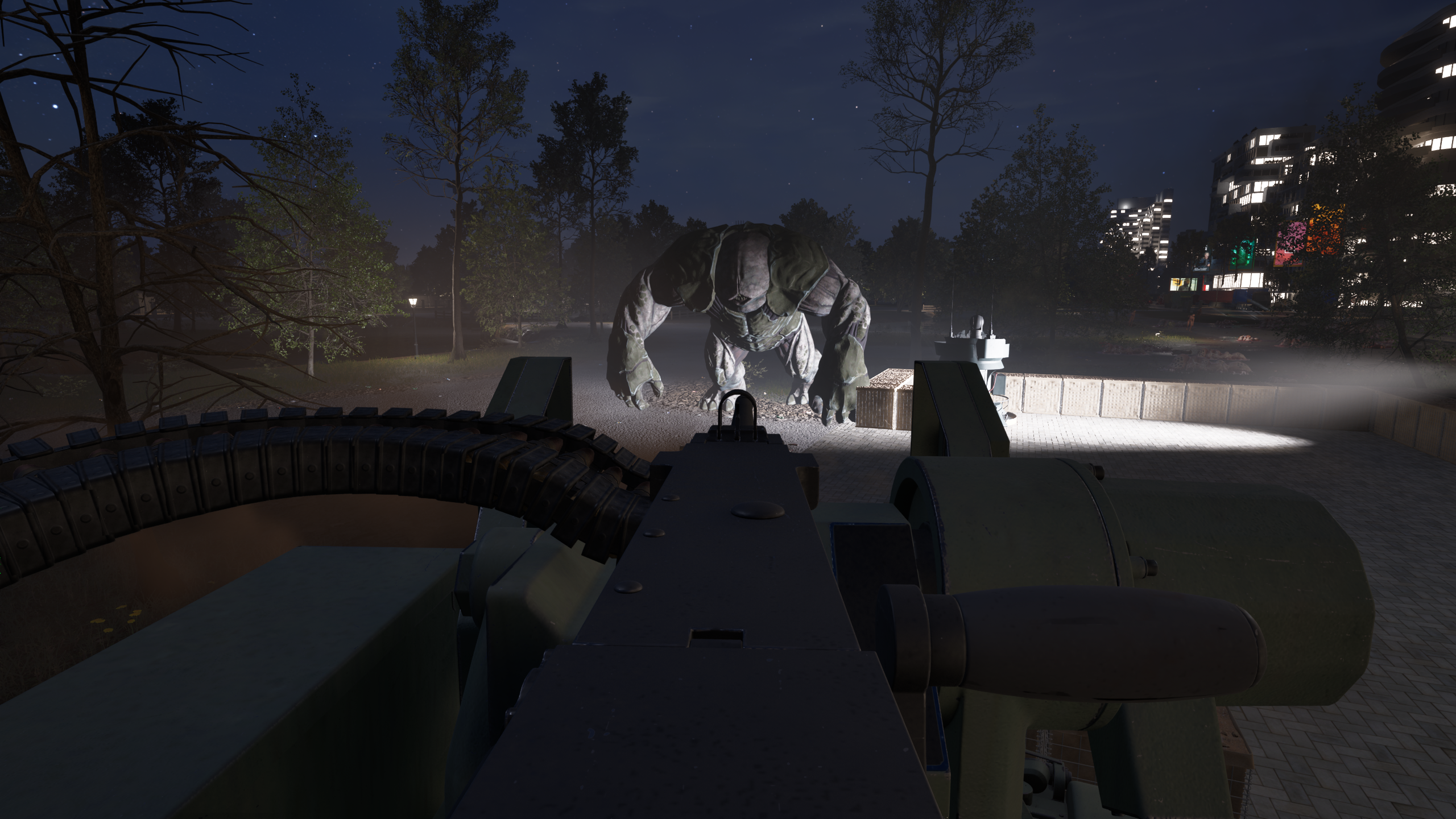
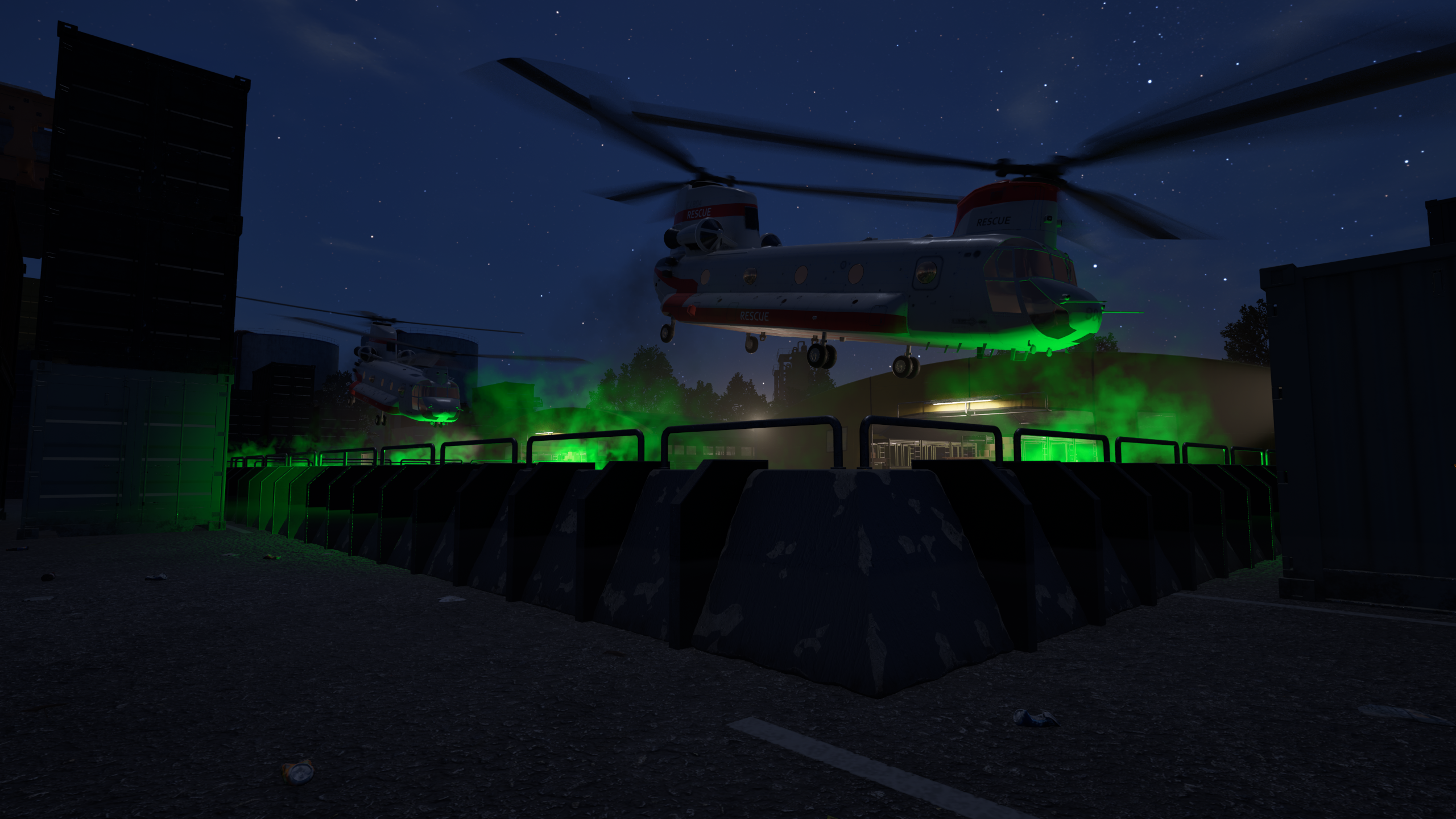
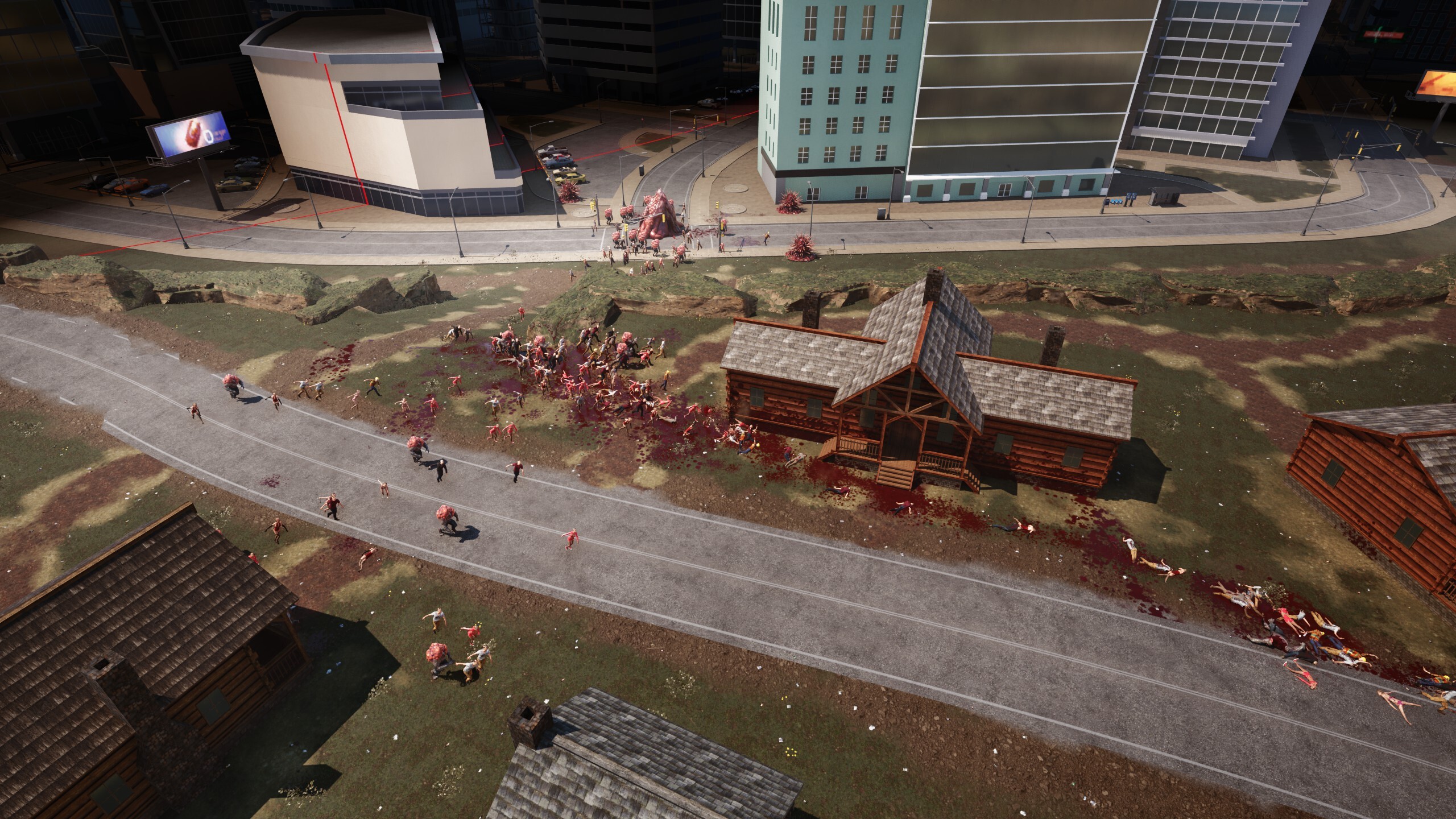
THE BAY AREA IS COLLAPSING. The virus is loose across the peninsula. Flashpoints are erupting across the region as entire districts fall into chaos and infected swarms push deeper into civilian zones. CERC forces are already in the field.
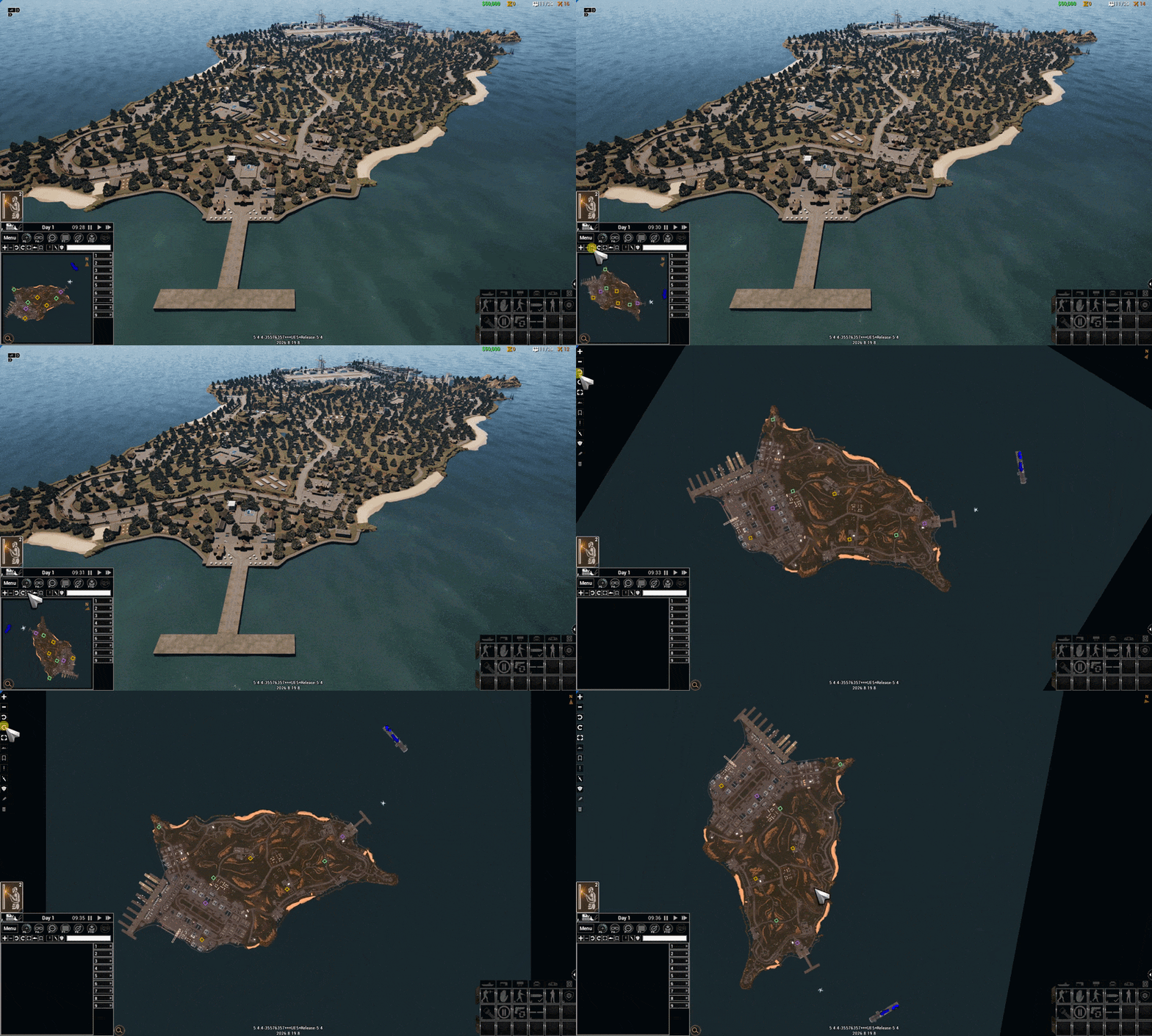
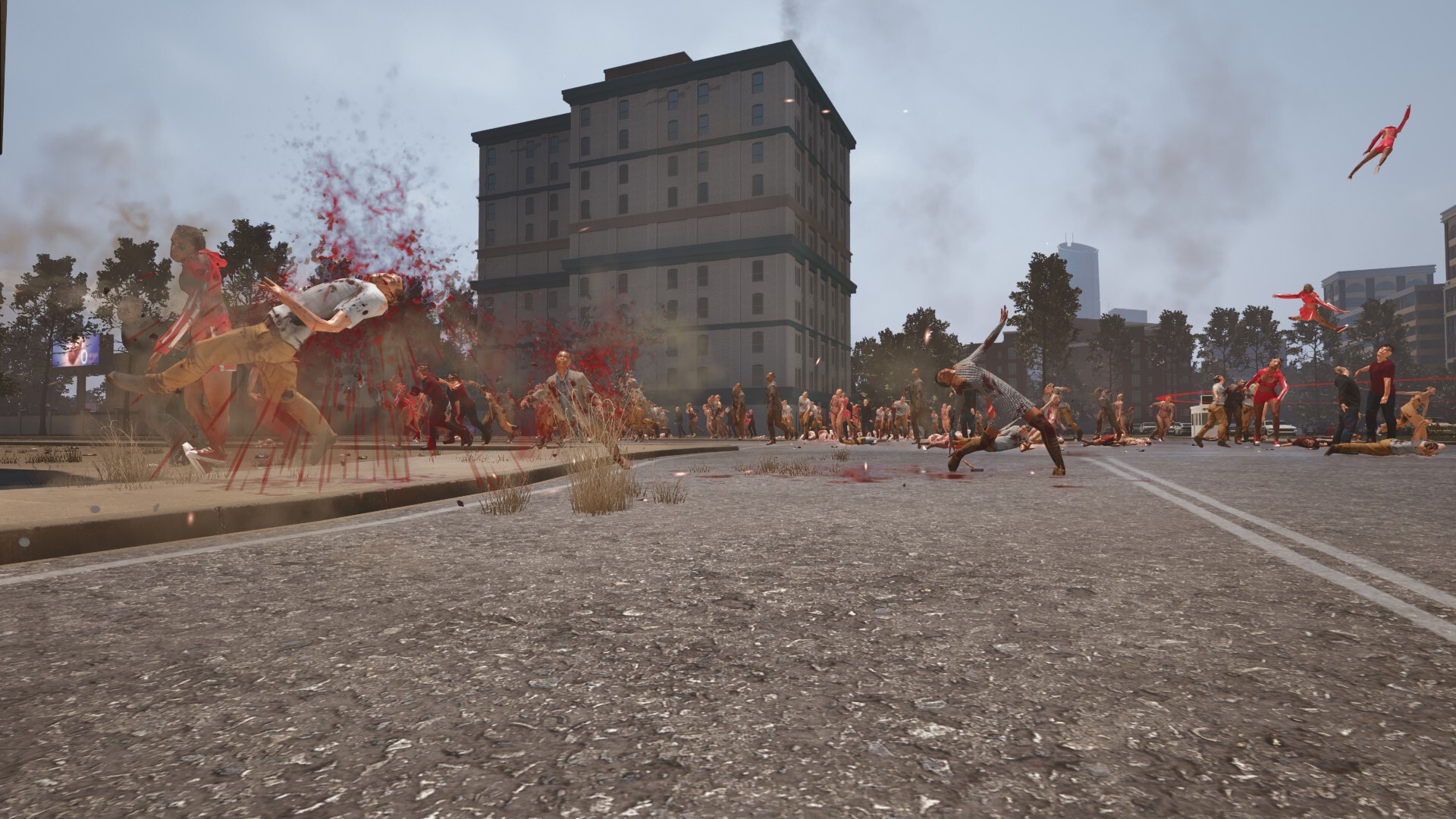
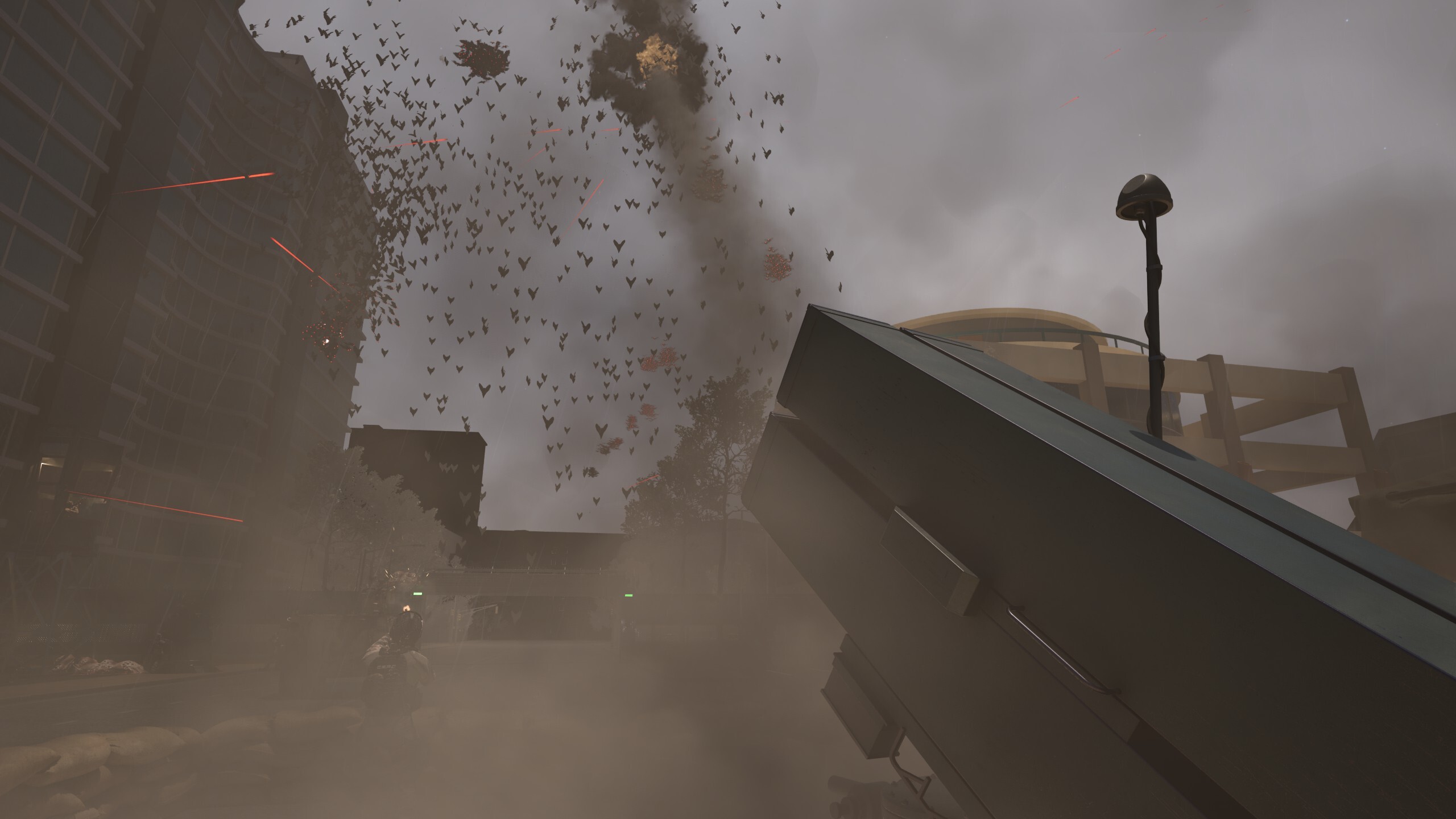
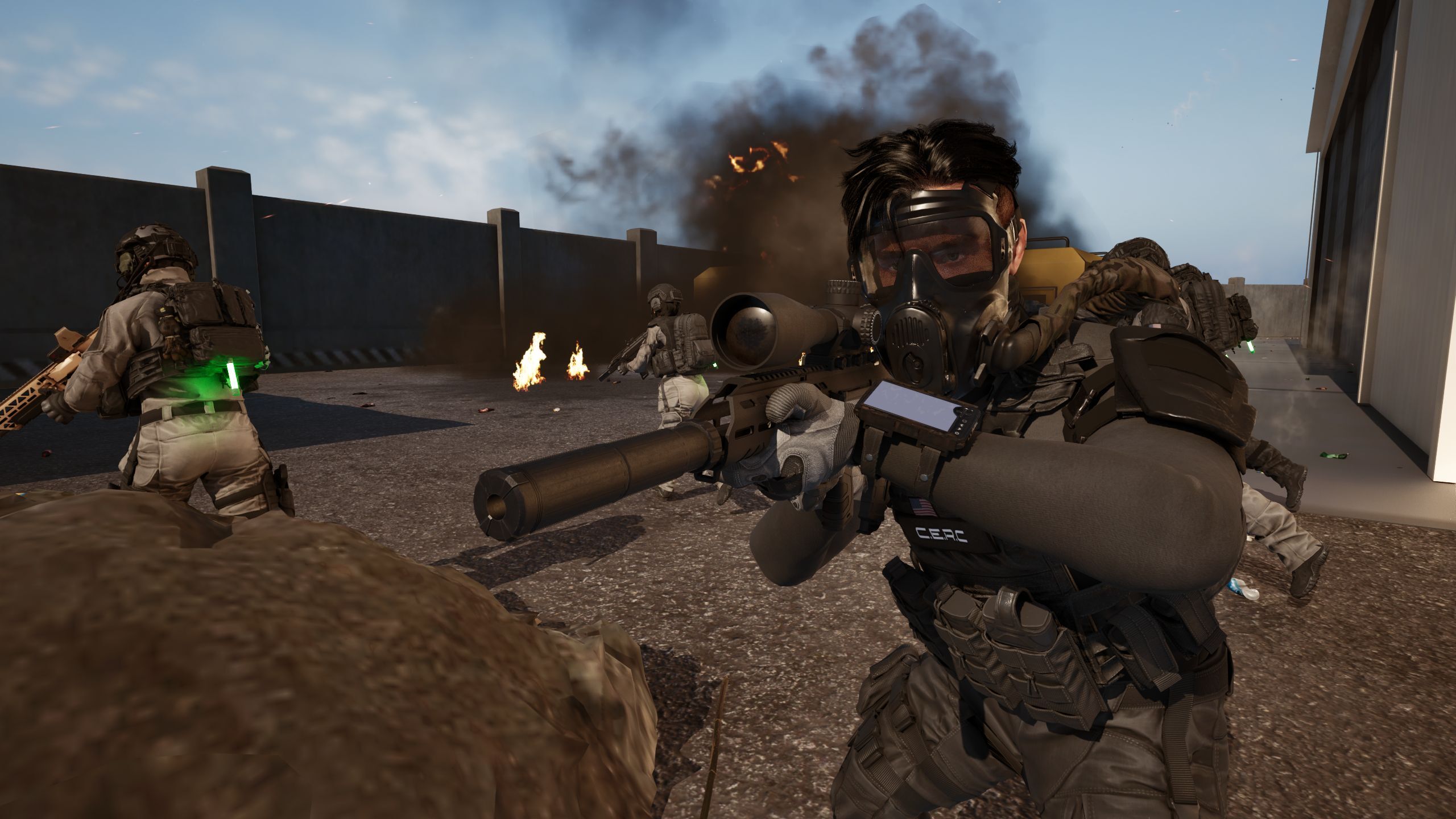
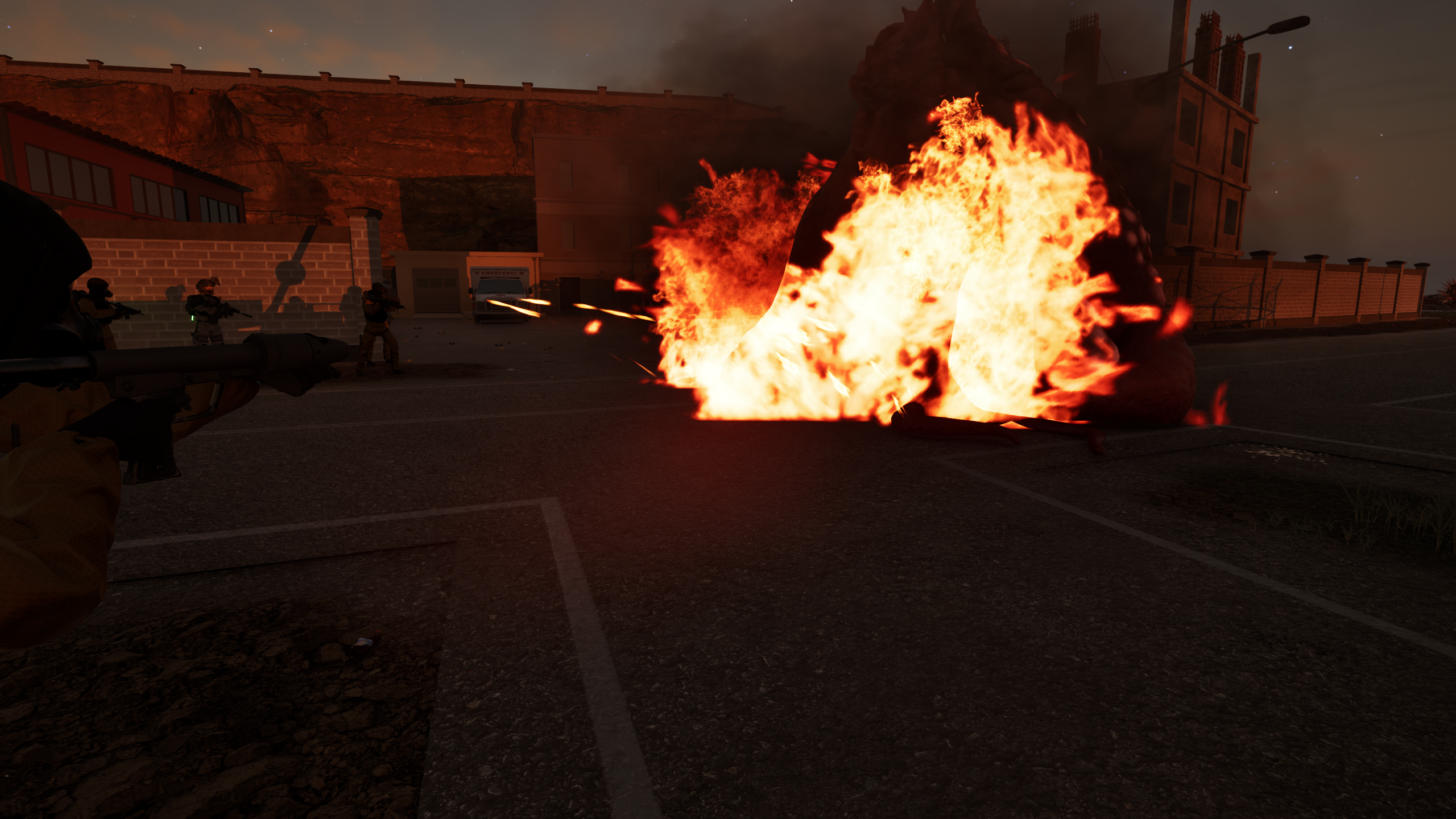
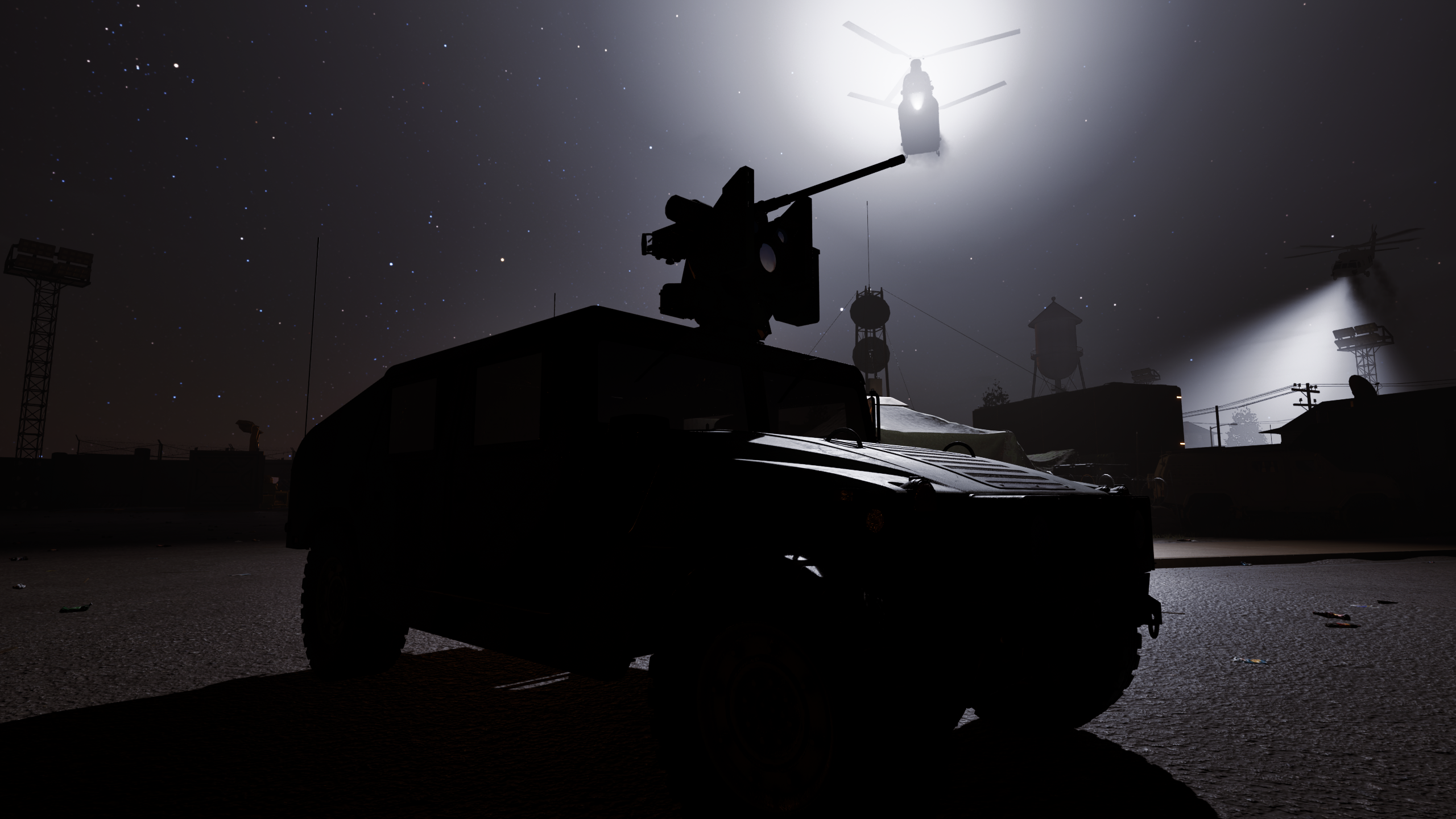
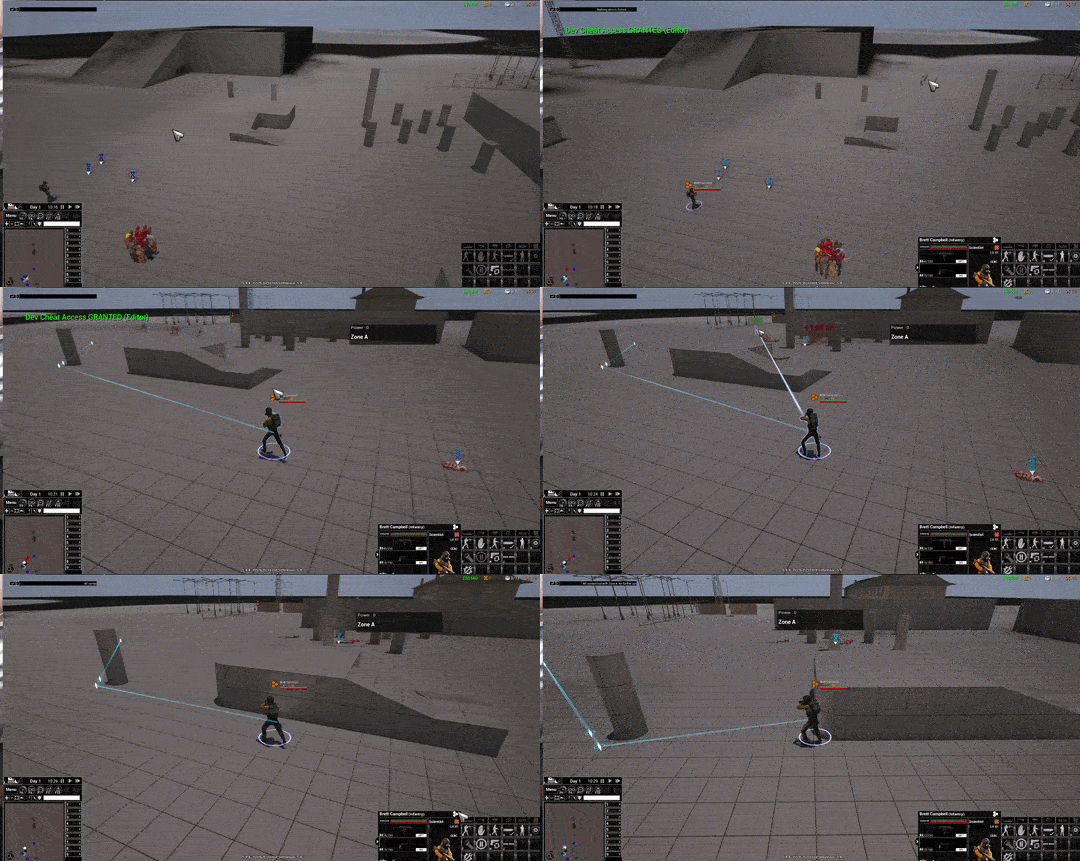
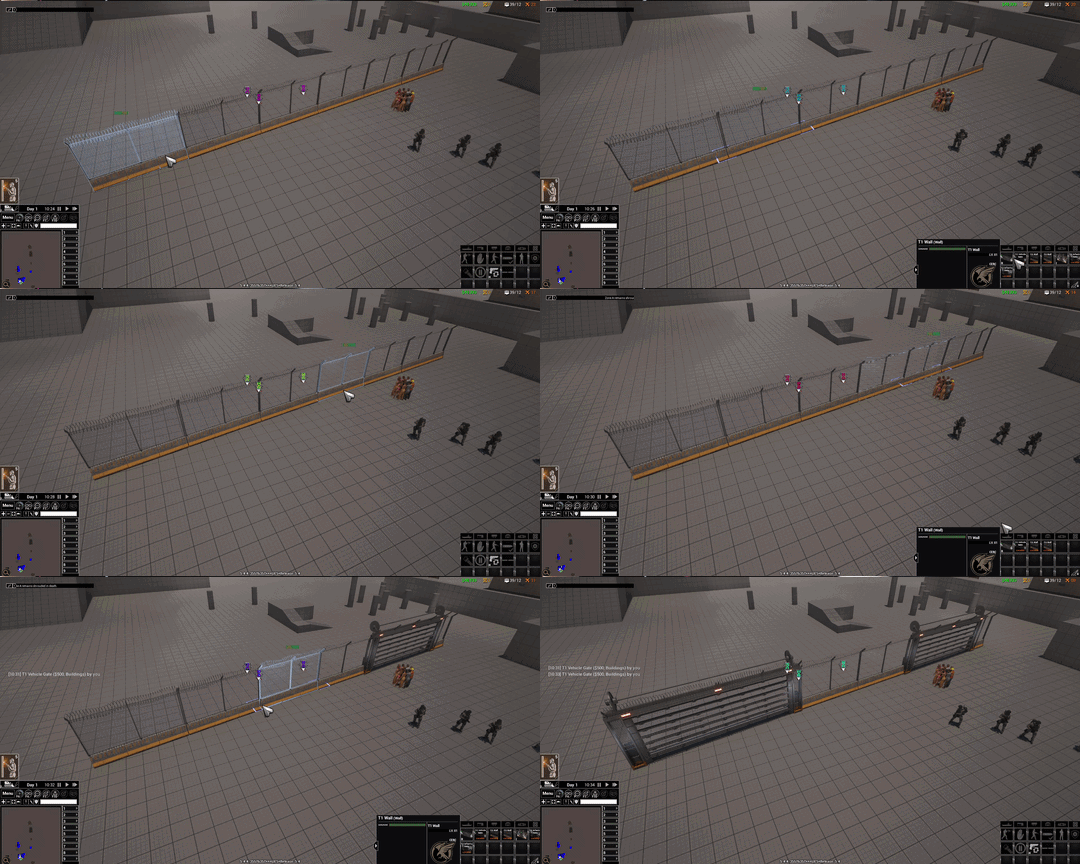
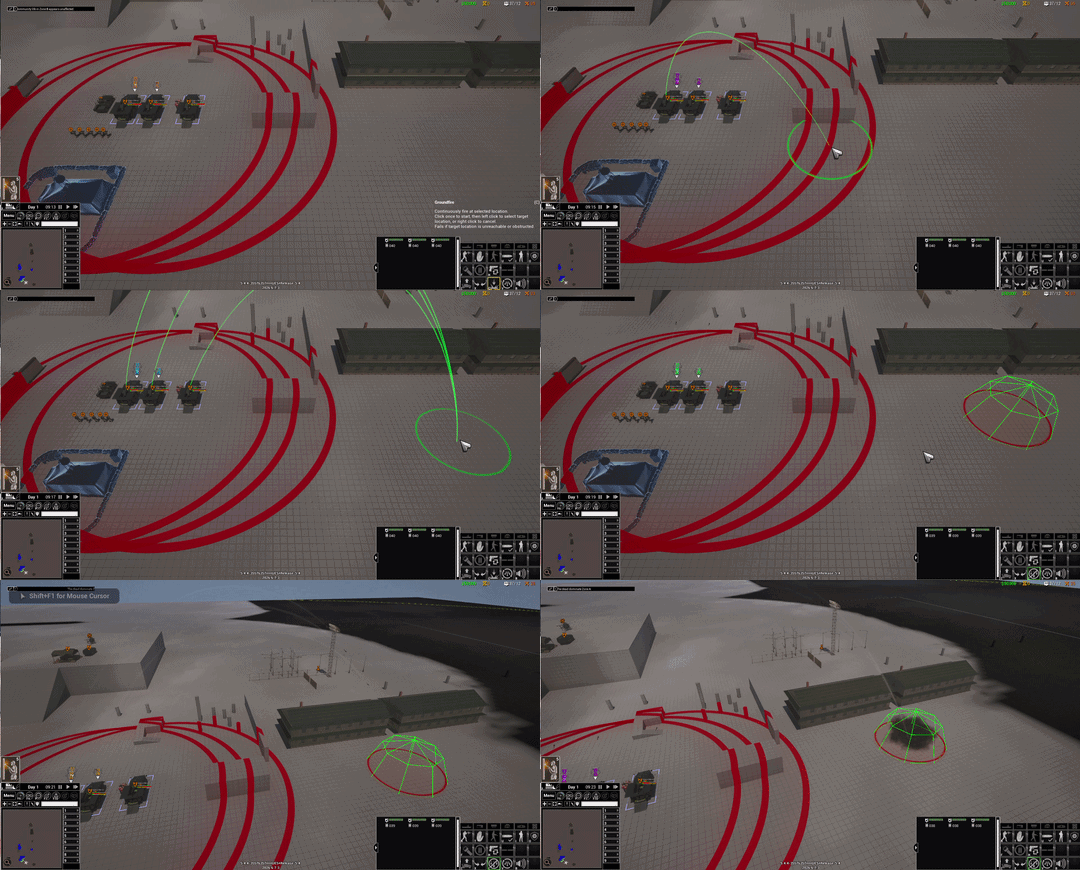
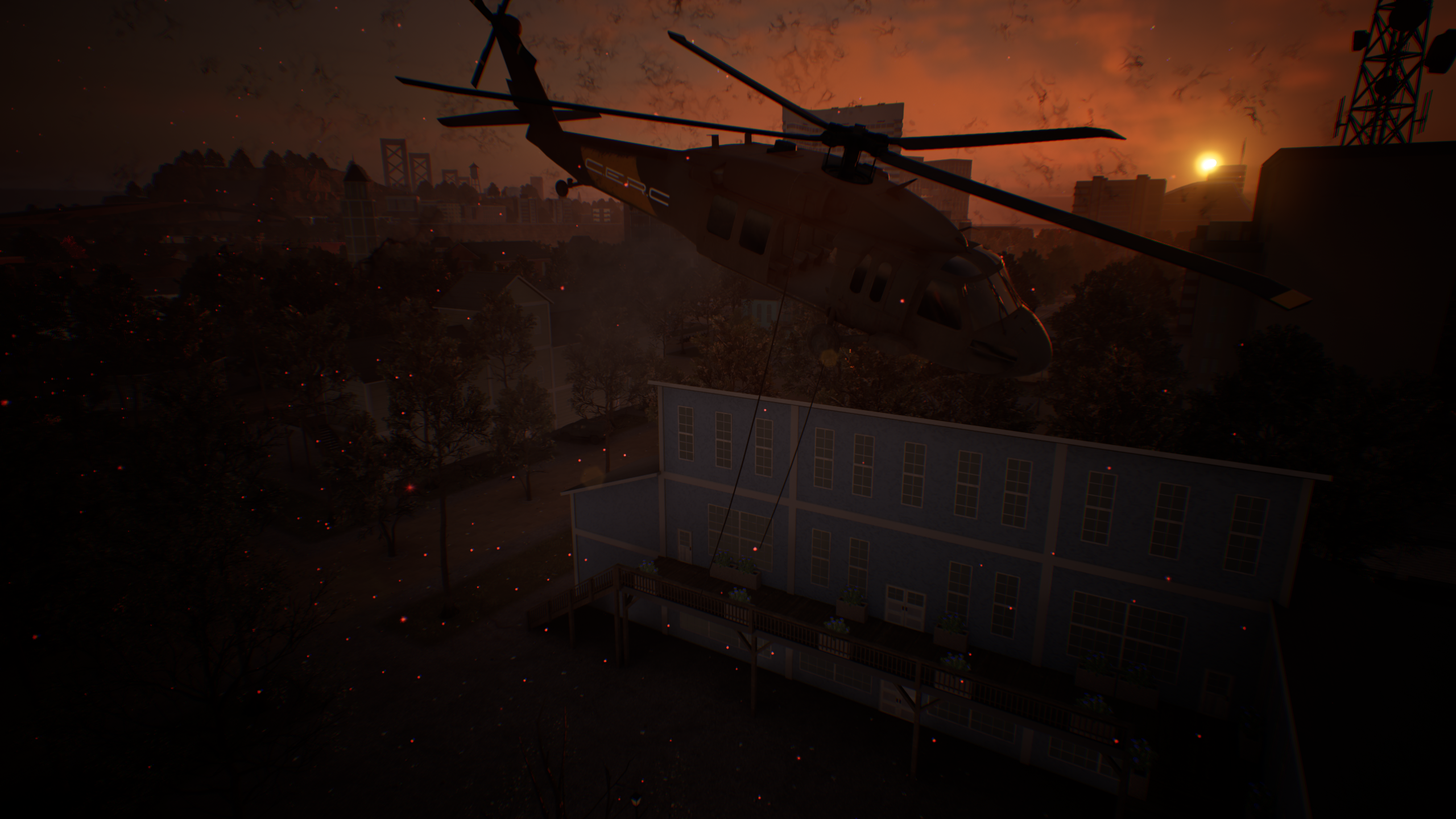
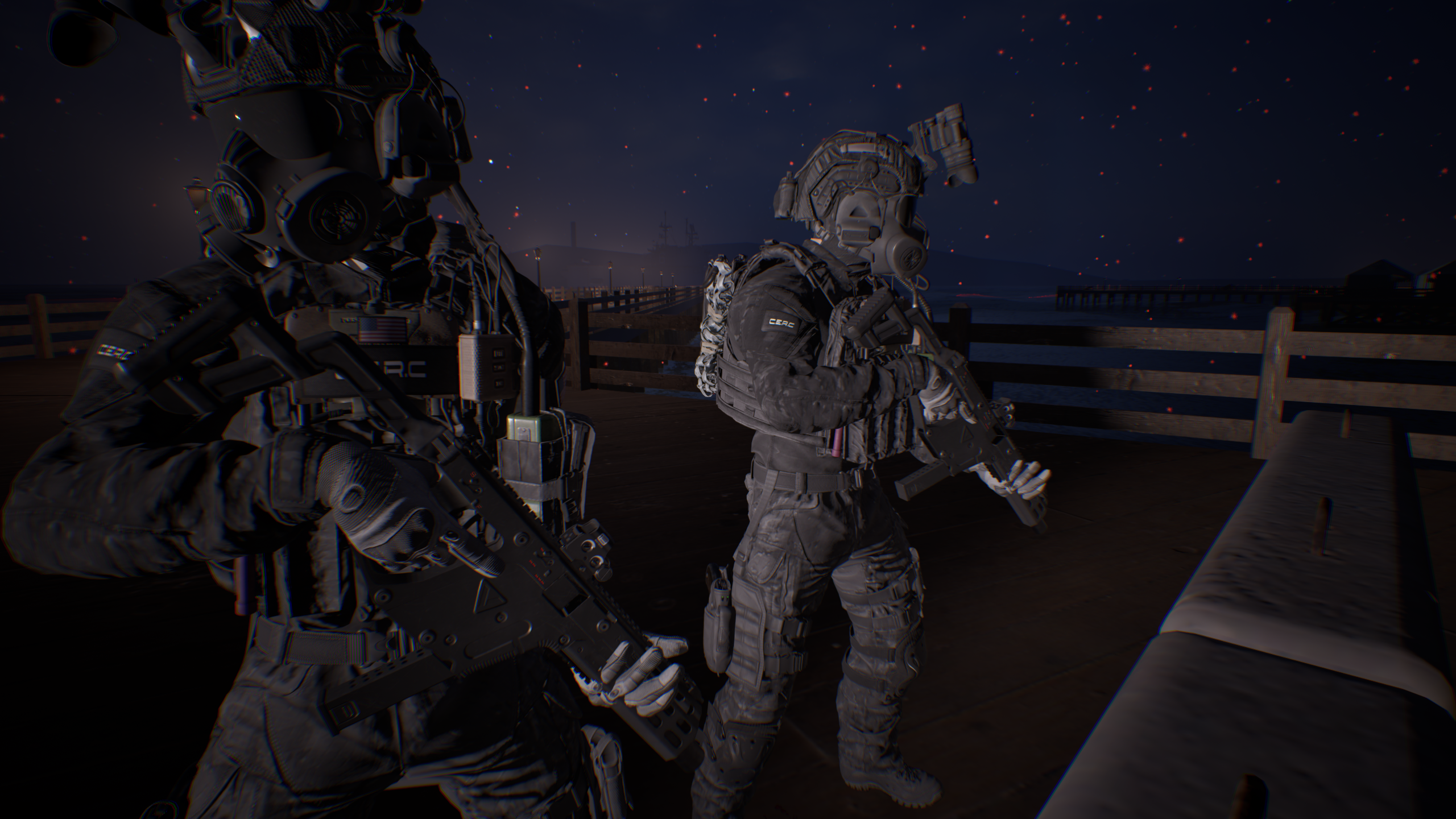
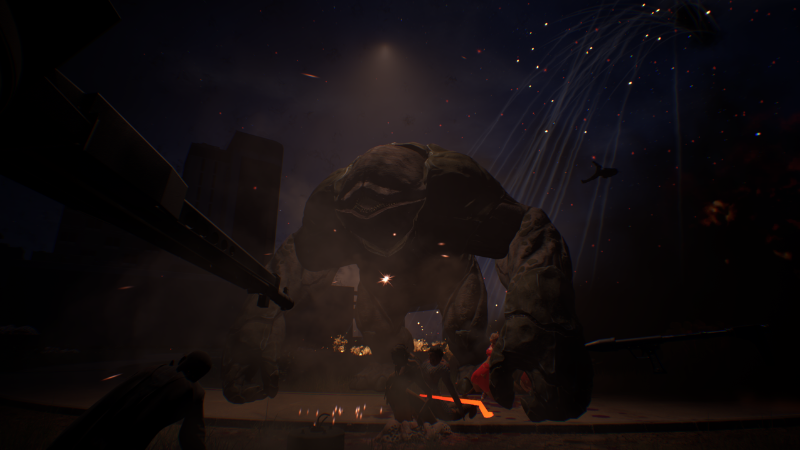
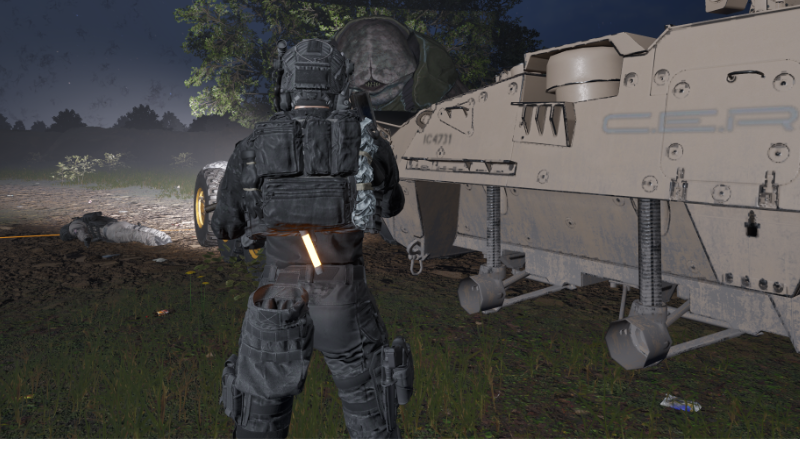
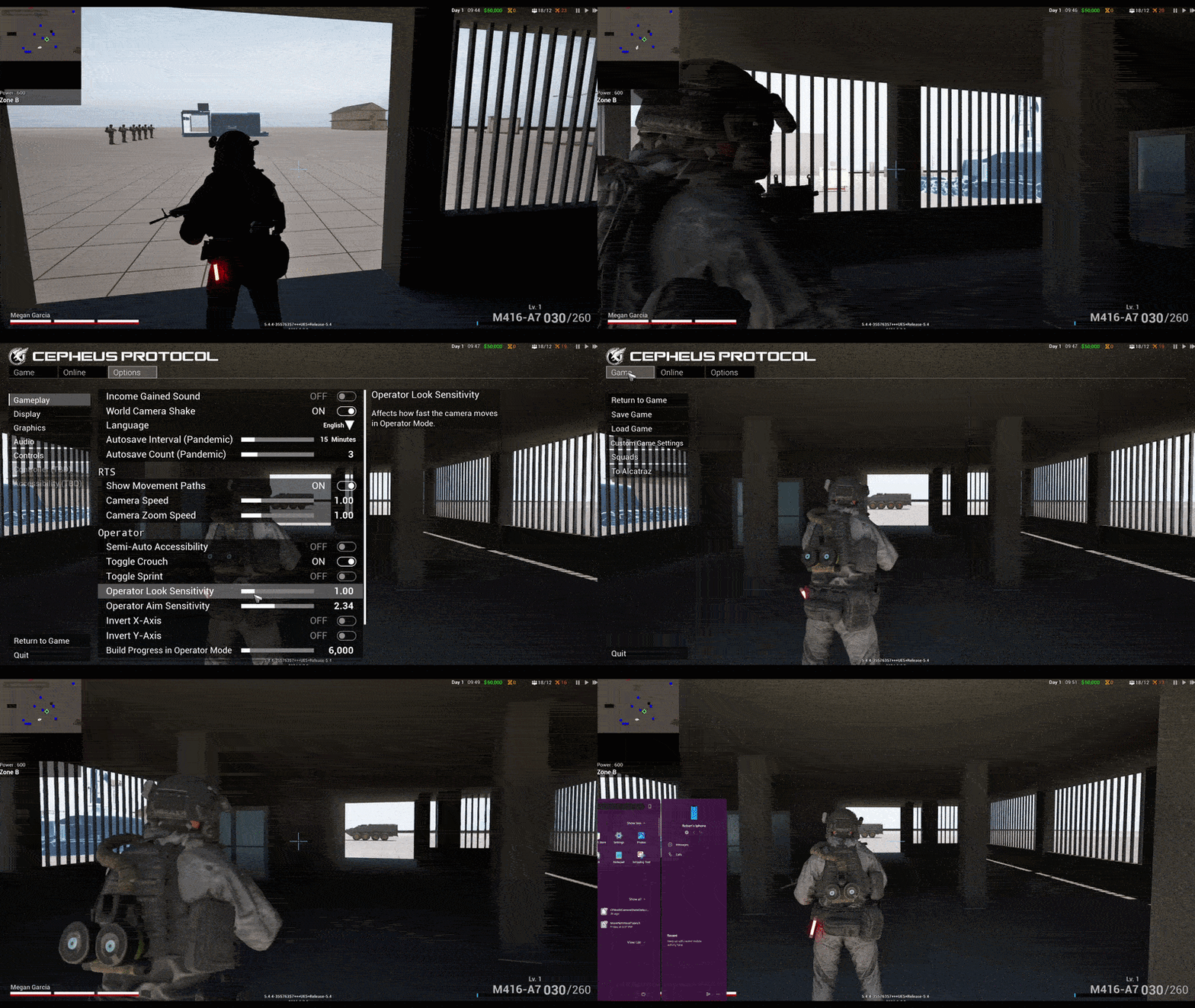
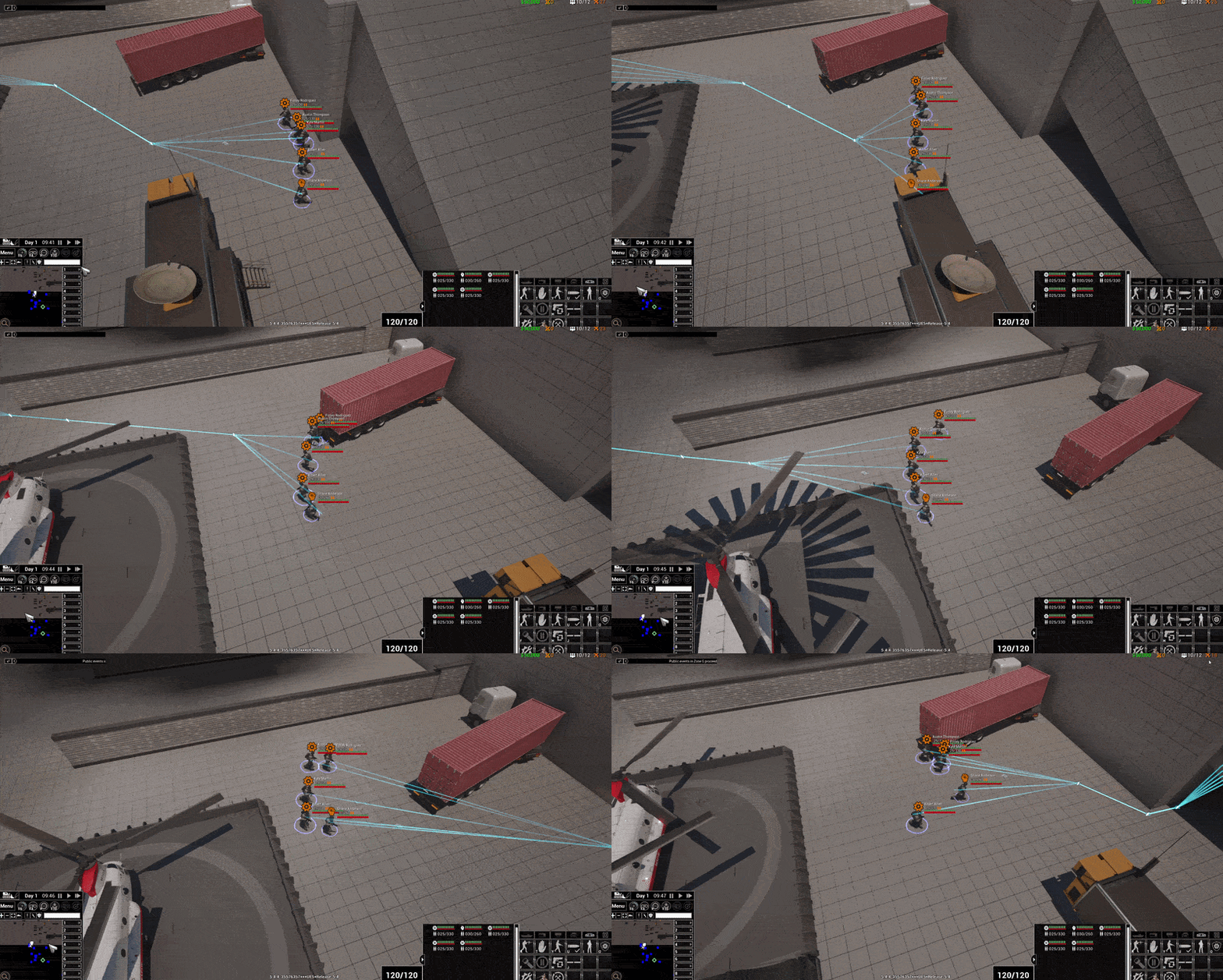
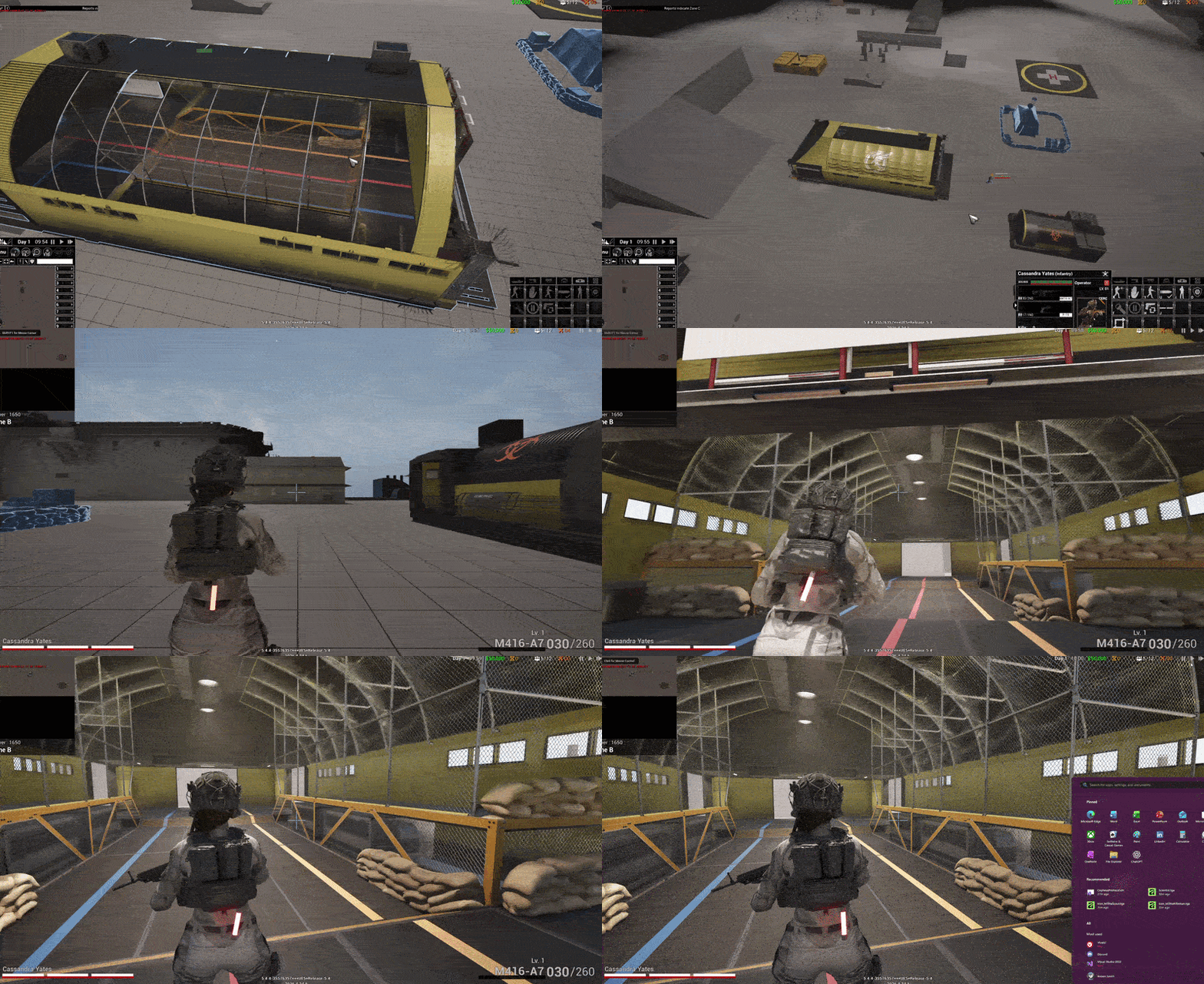
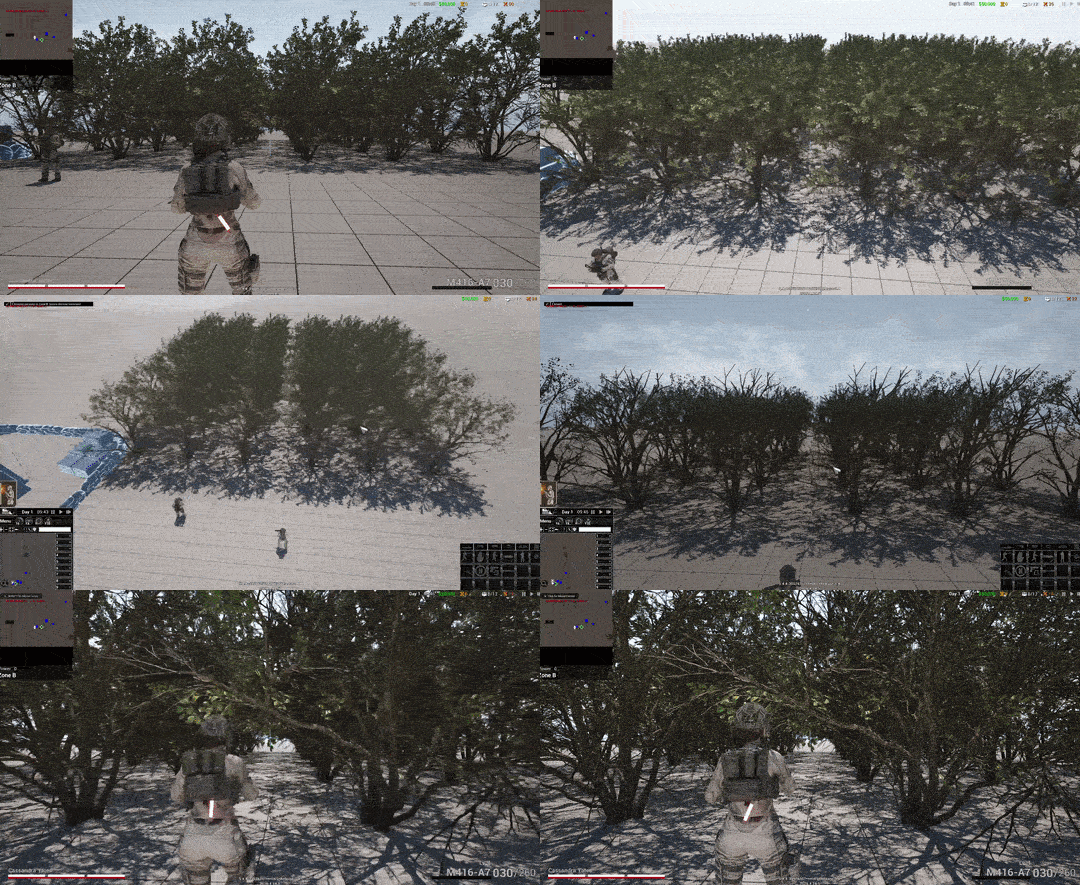
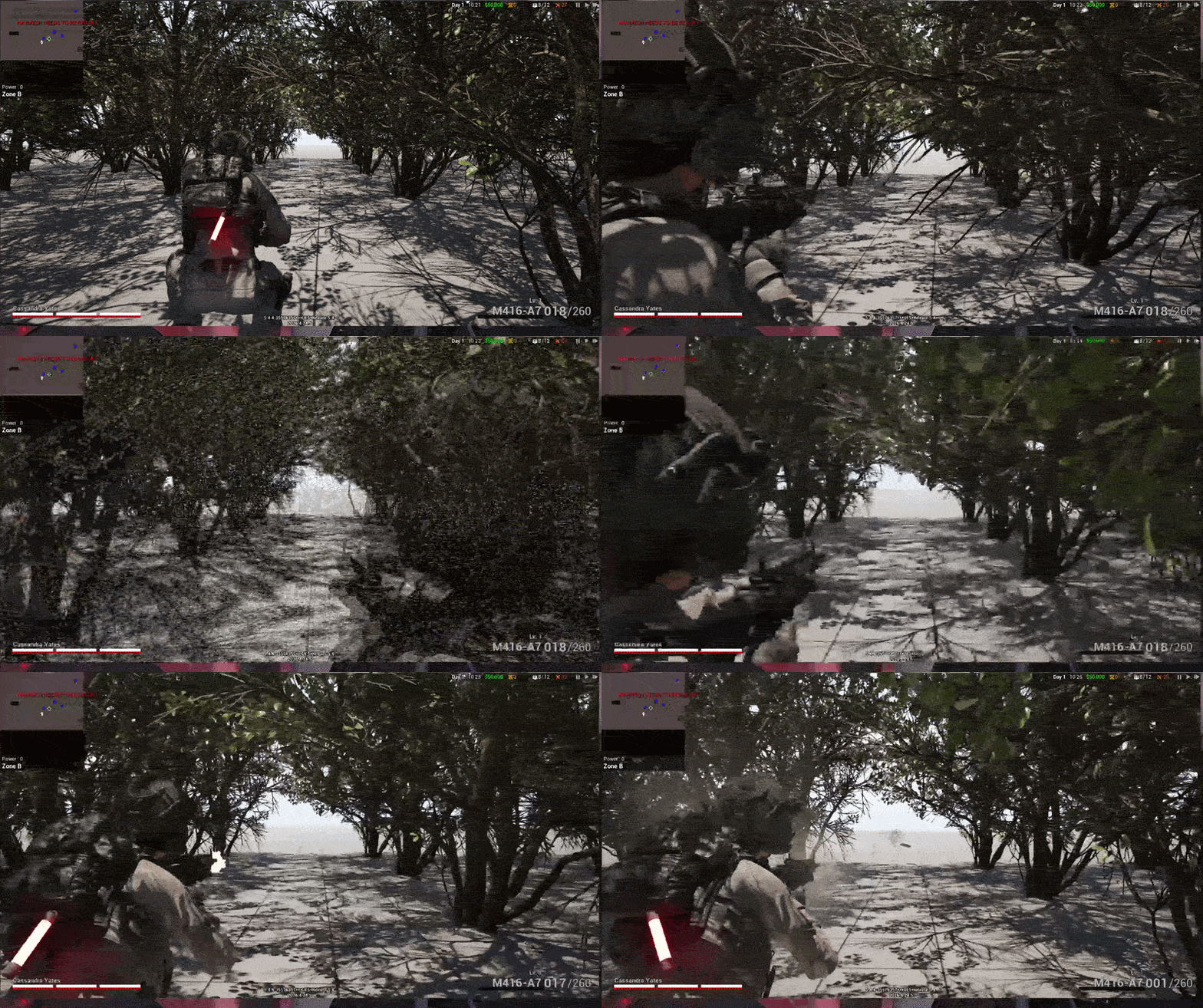
Embedded military reporters and frontline operators are transmitting battlefield coverage directly from active operations. The images you are about to see were captured during recent combat deployments across the region.
These transmissions come directly from the front. The battle for the Bay Area continues.
Experimental Update Highlights
Tactical Map Expansion
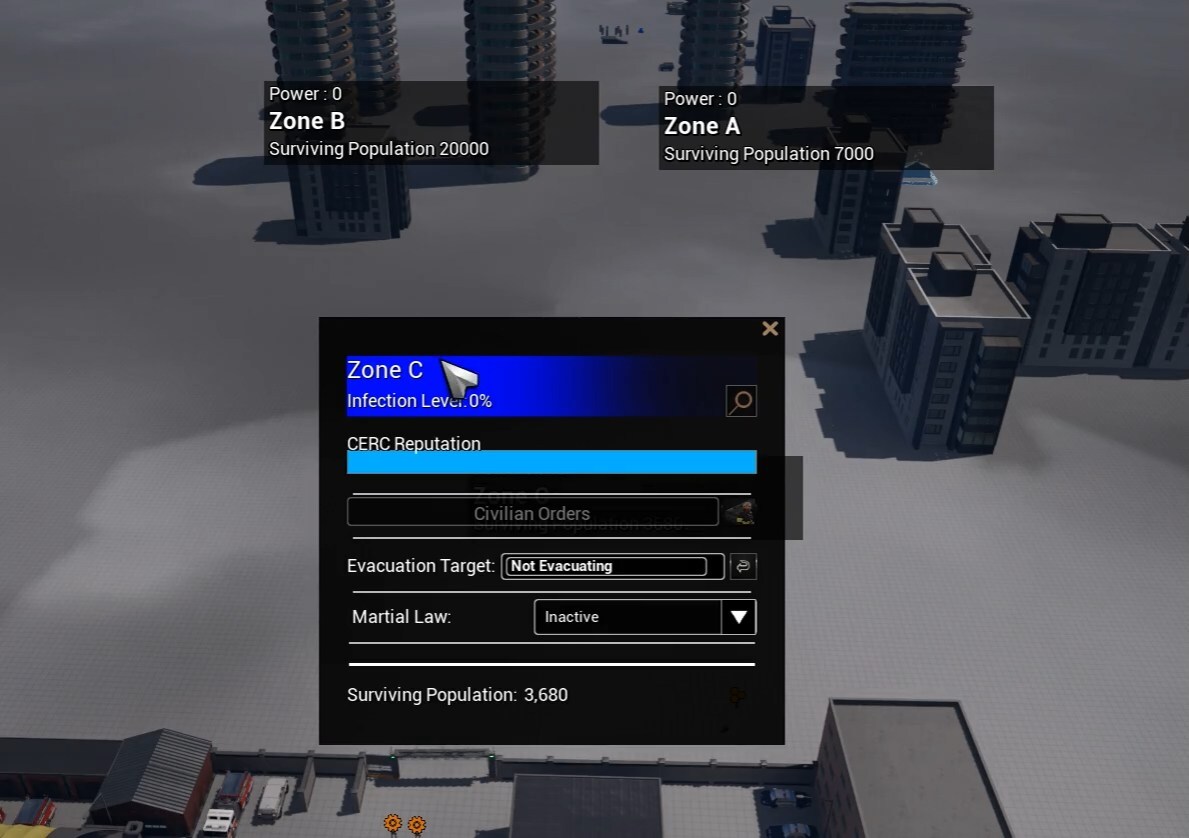
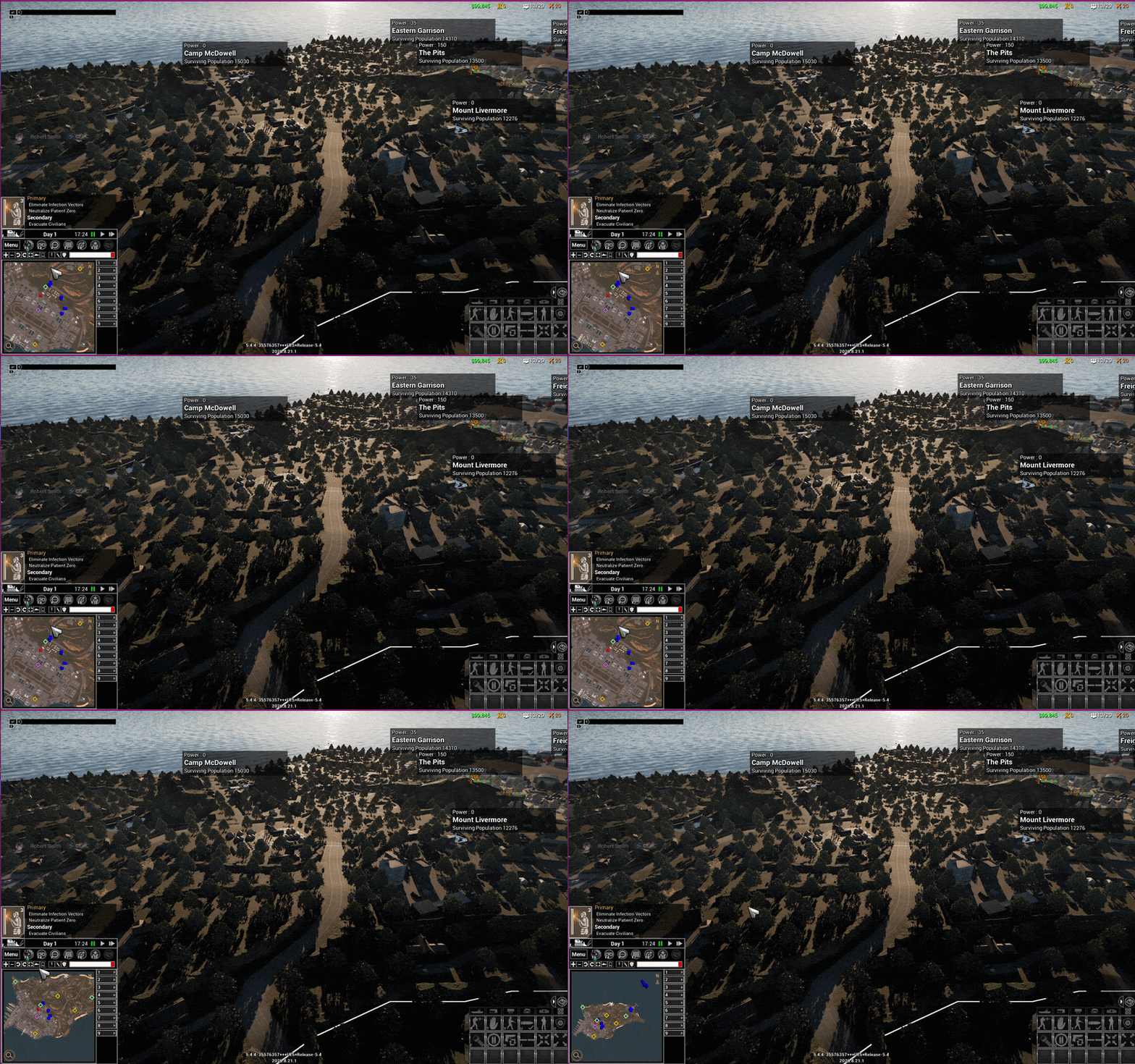
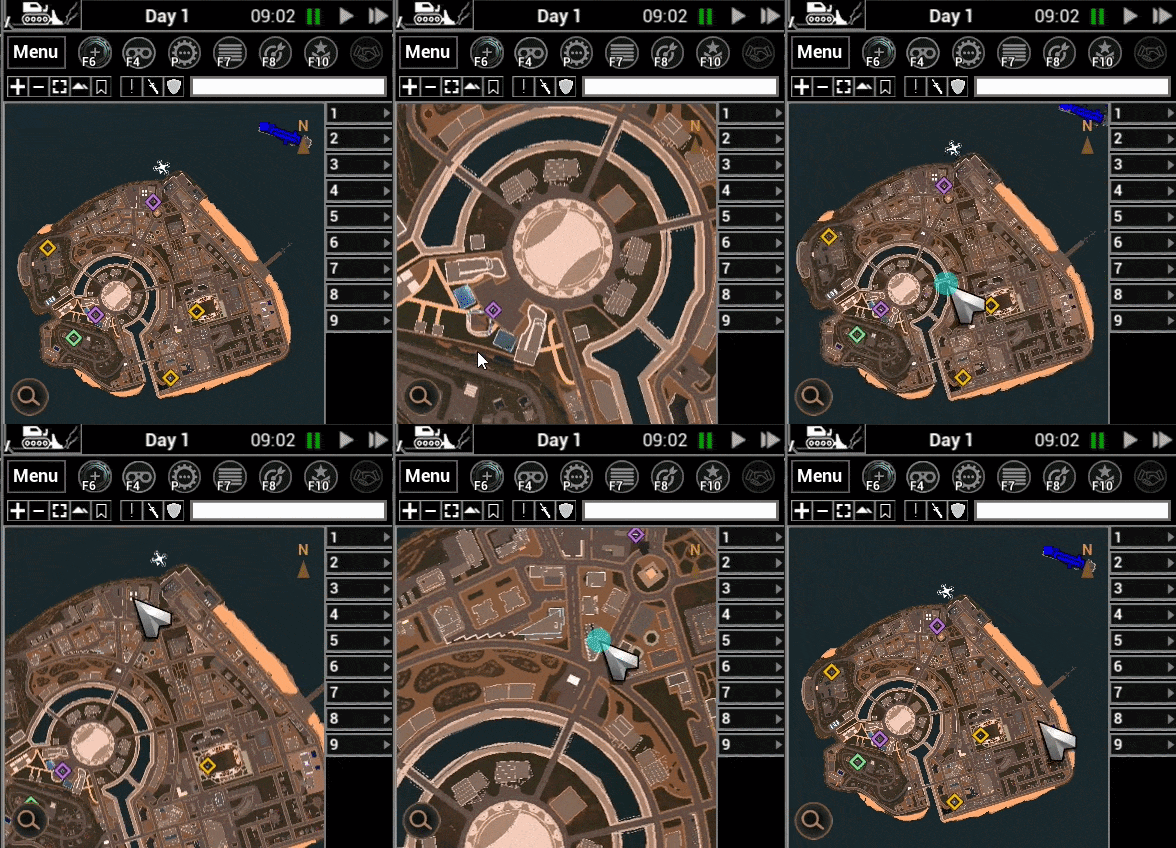
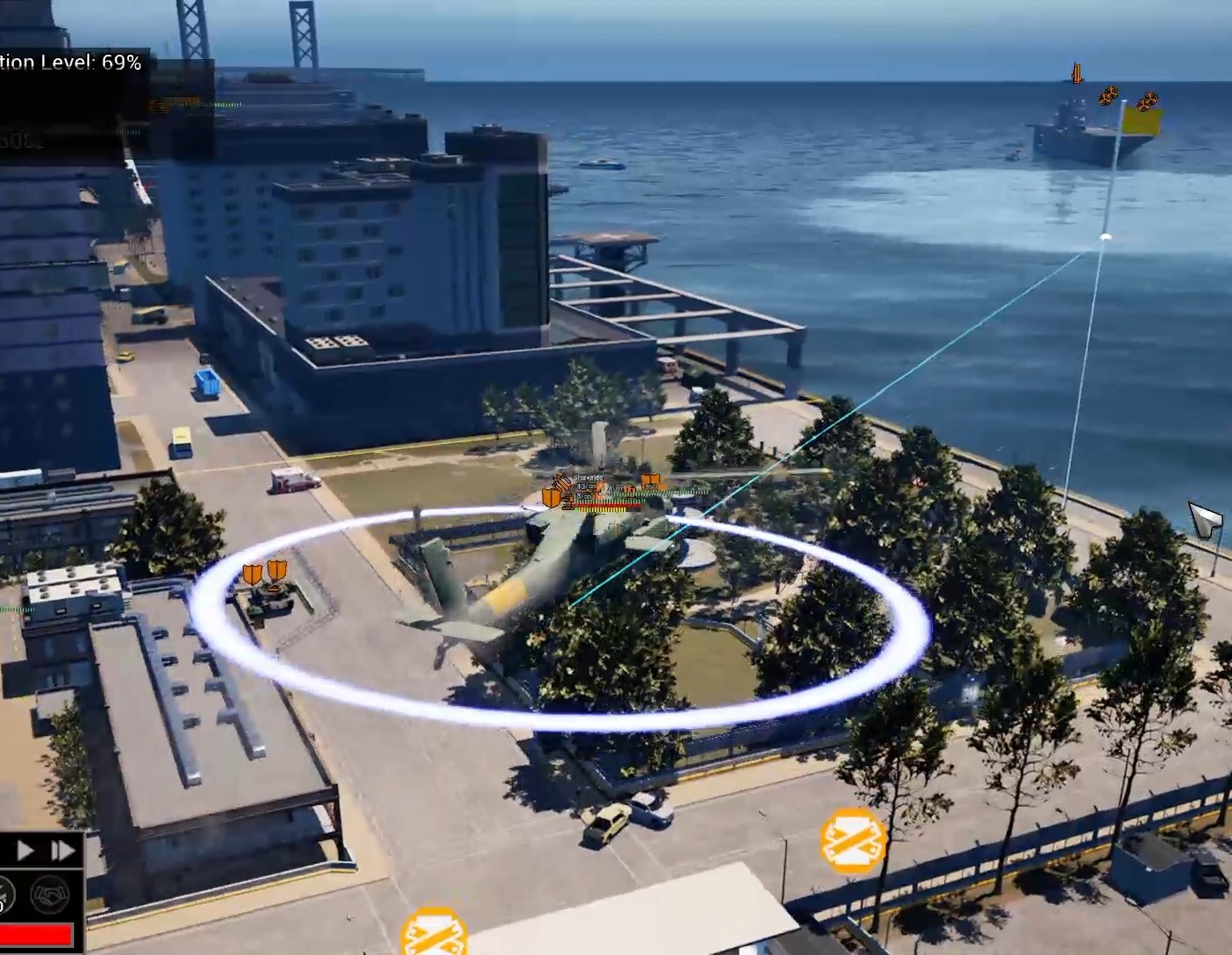
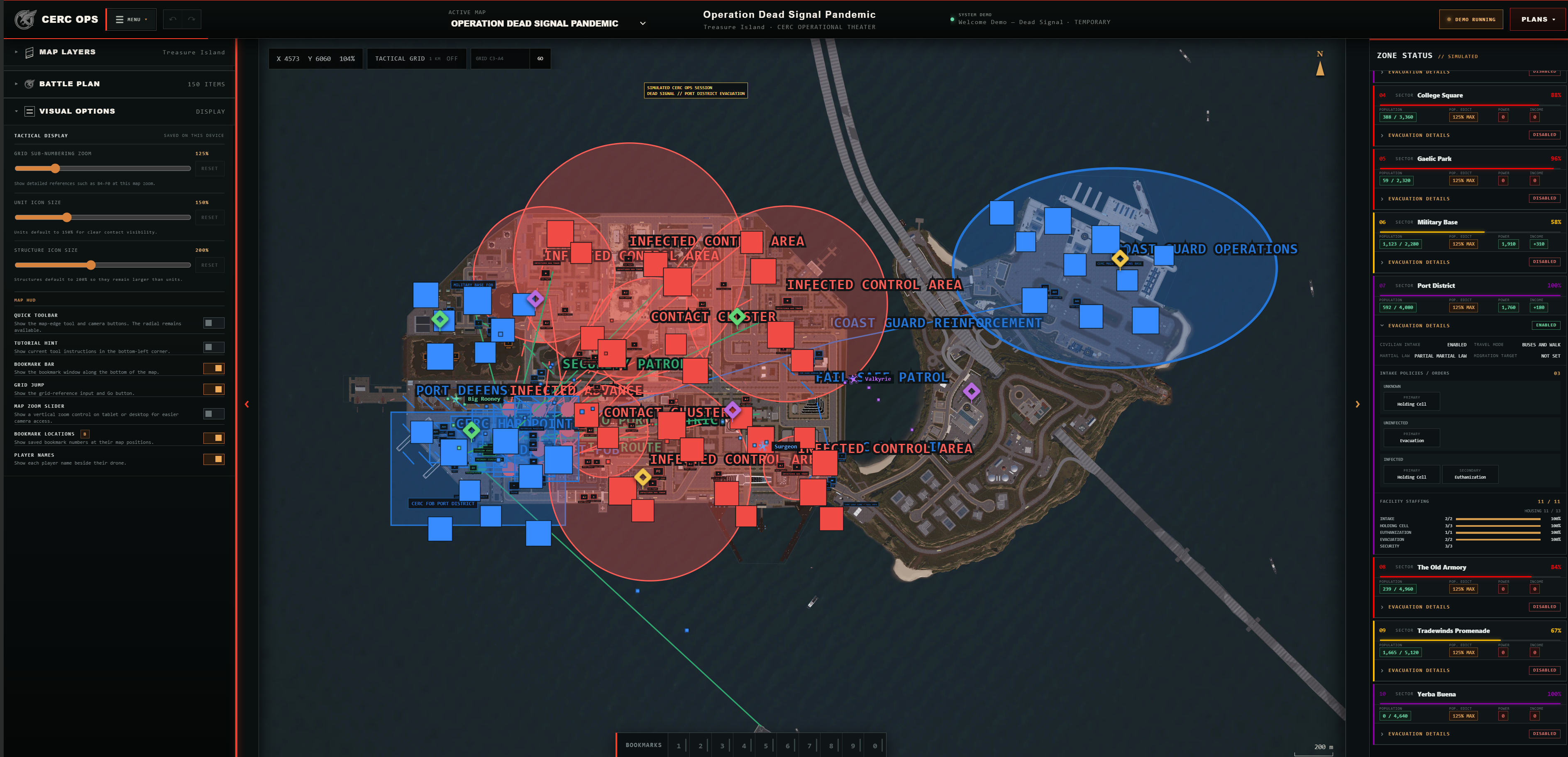
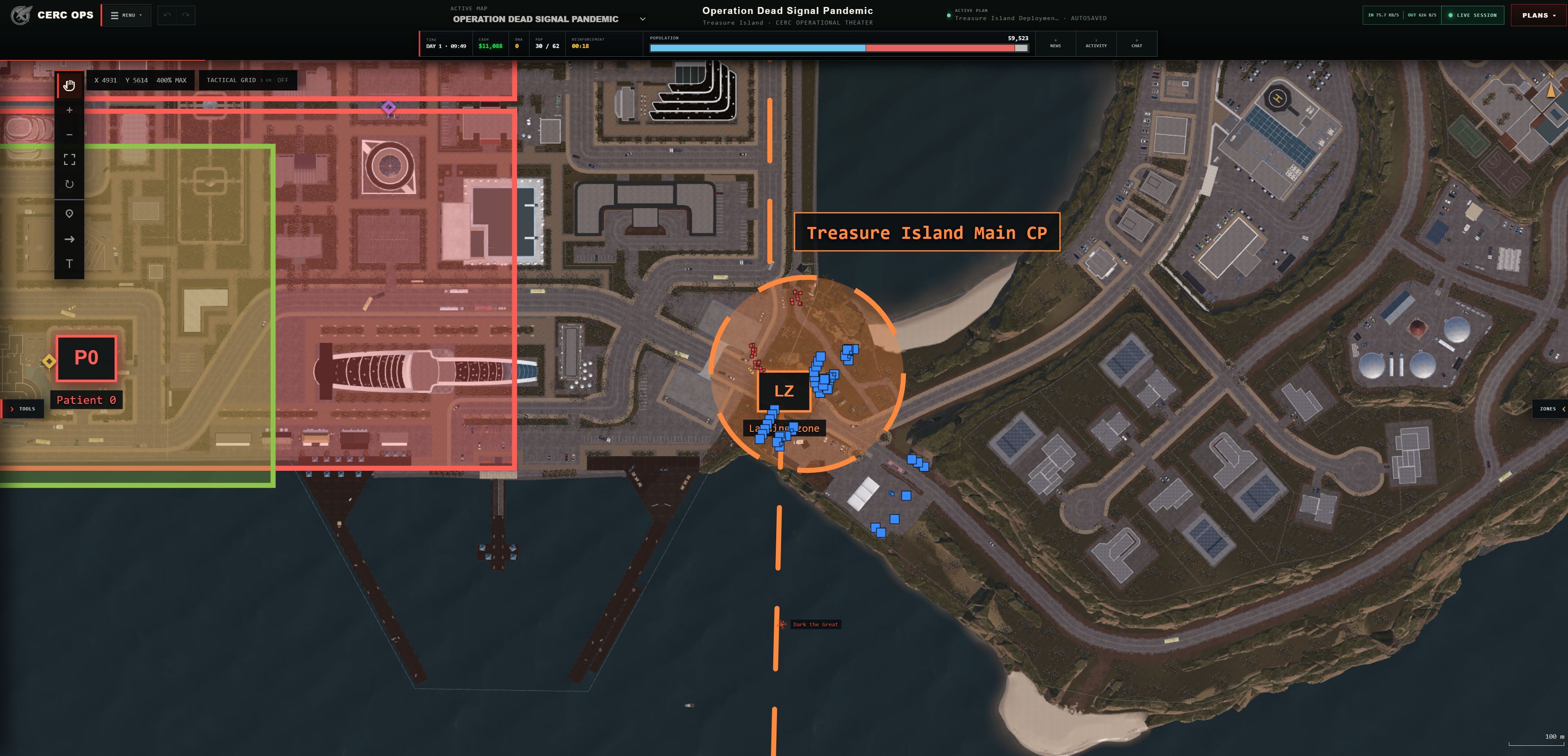
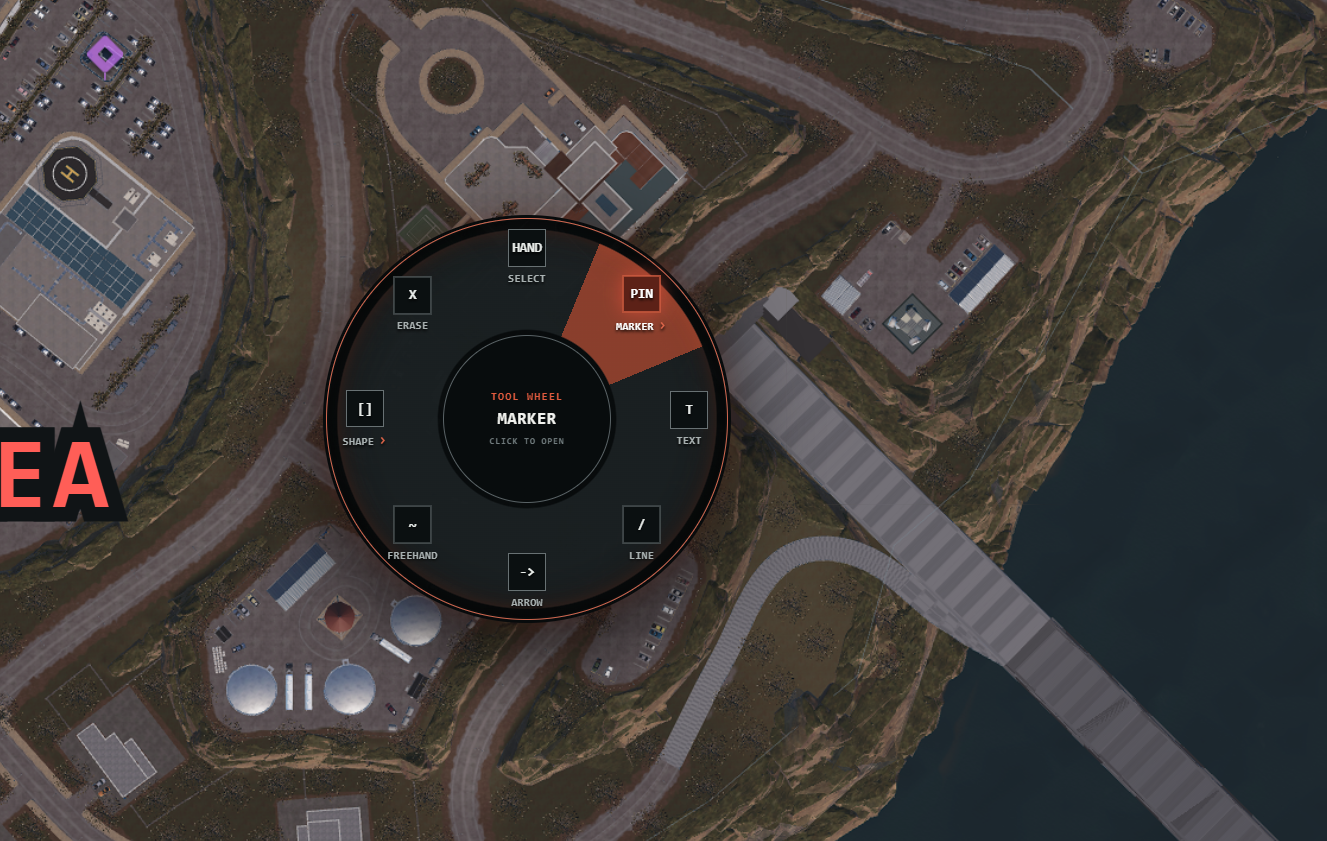
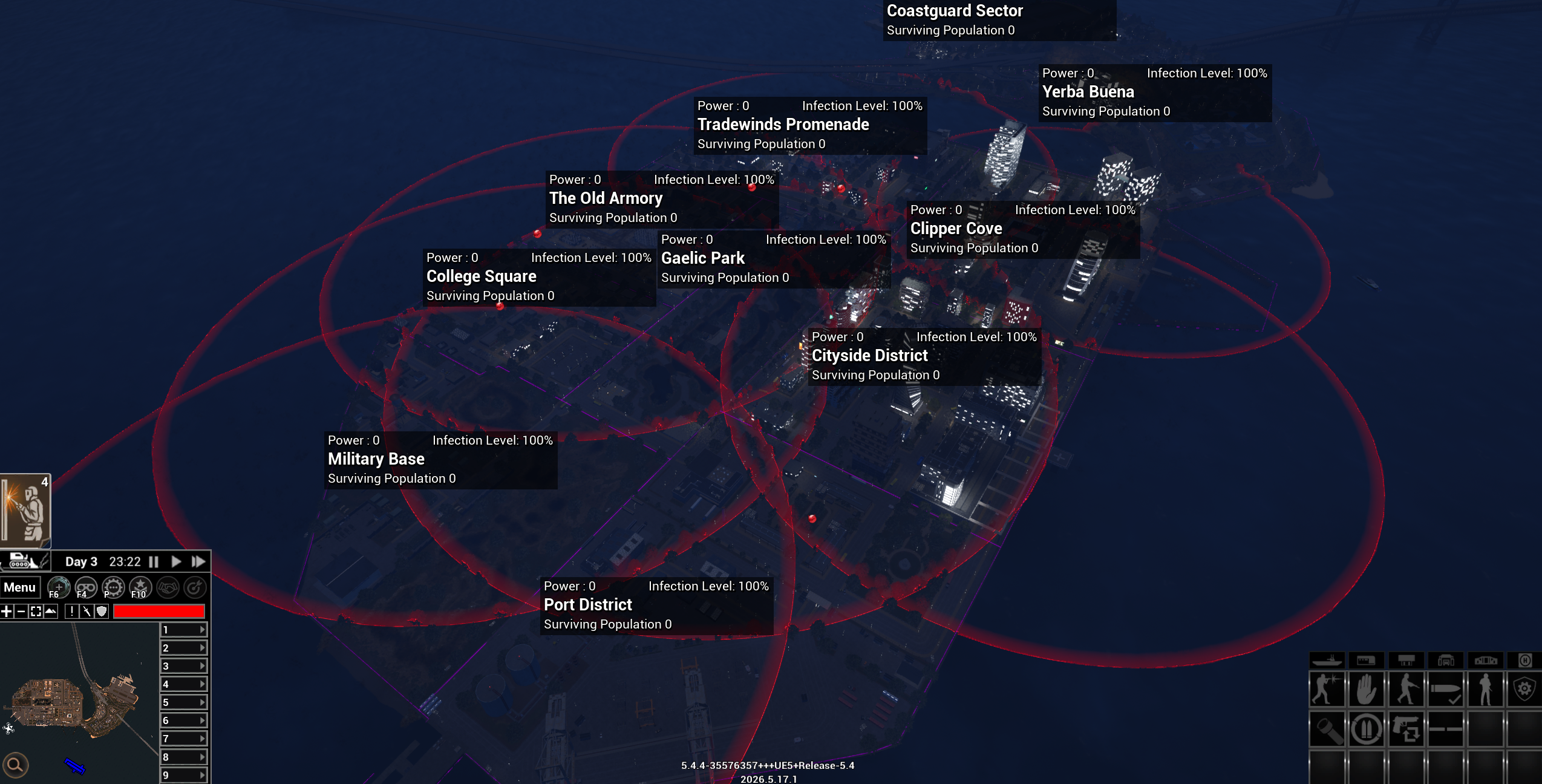
The Tactical Map has received a major expansion, bringing more battlefield planning, zone management, and command feedback into one interface. Zone Status cards can now surface and control Civilian Intake, evacuation routing, travel modes, Martial Law, CERC Reputation, and related zone information directly from the map. Highlighting zones now exposes migration routes, zone borders, and related status information, while SOC/SRP locations can provide their information directly from the Tactical Map.
[dynamiclink href="https://youtu.be/8jr9PcHa87o"][/dynamiclink]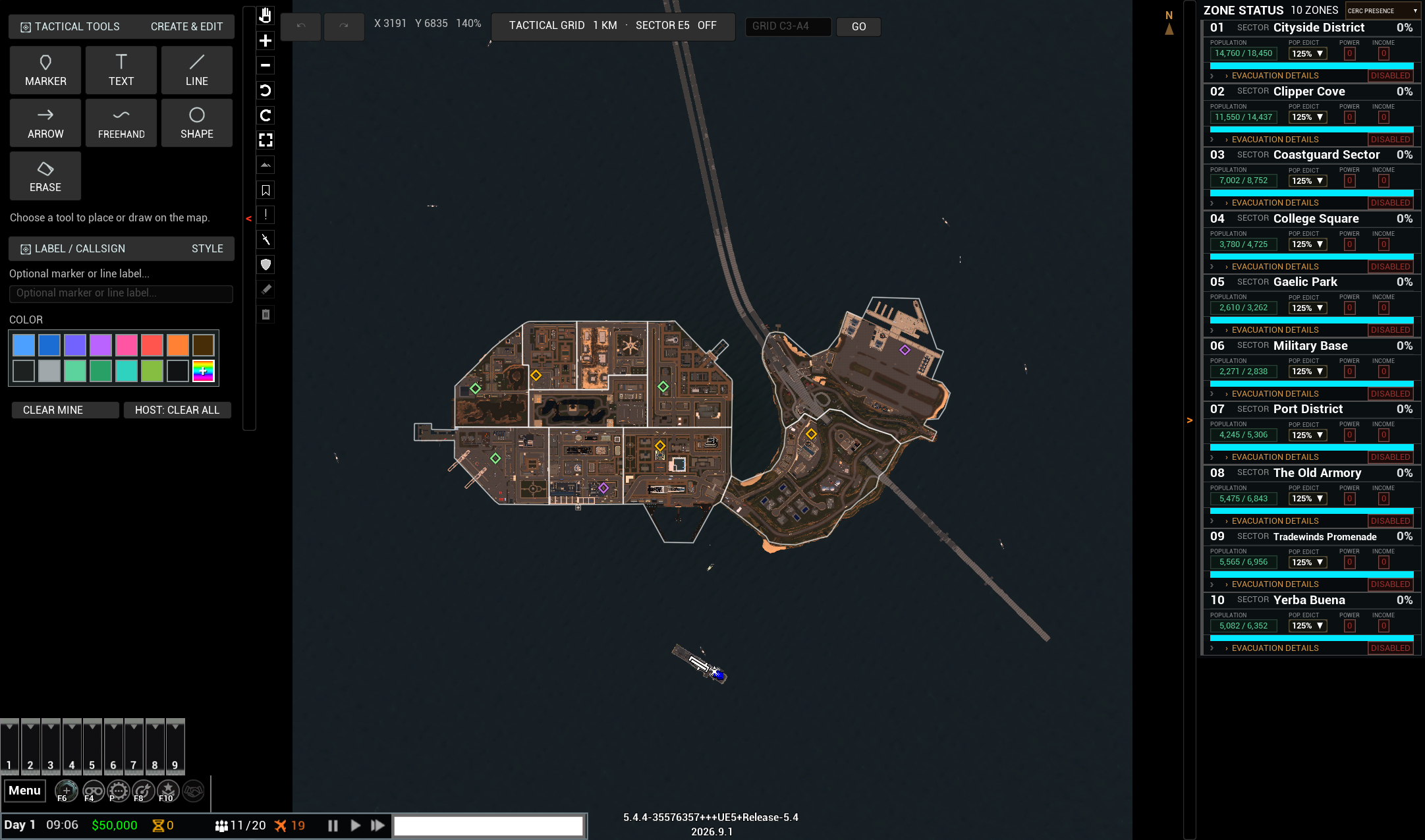
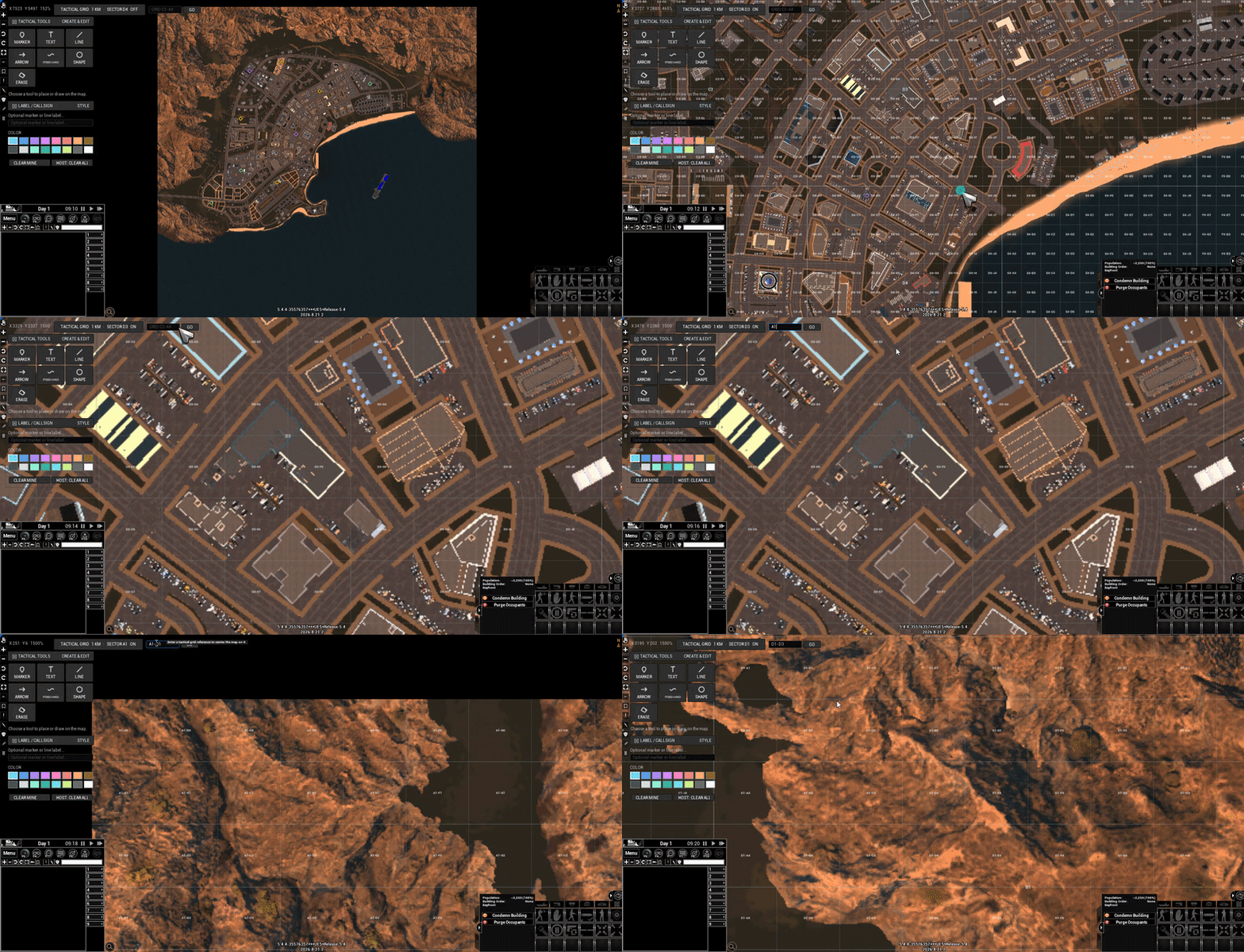
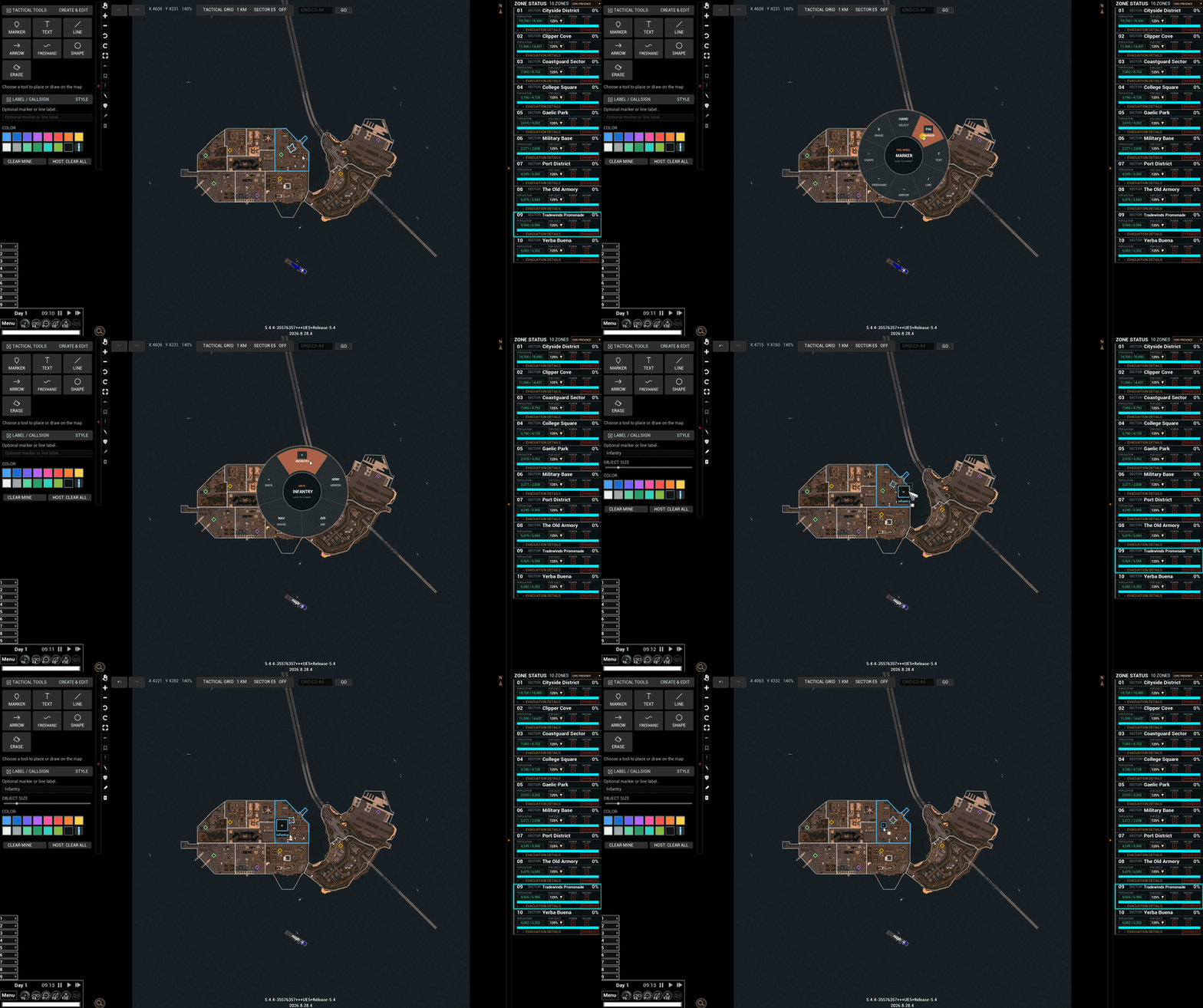
Planning tools have also continued to improve with Undo/Redo, a right-click tool menu, resizable markers, better panning and selection behavior, move-order feedback, drawing and label rotation/scaling improvements, improved Tactical Grid behavior, and continued work on Tactical Map unit displays and information panels.
Replay System
The Replay System has moved from early implementation into a much more complete recording and playback workflow. Hosts can optionally record matches automatically, recordings can be accessed through the Replay Browser, and playback now includes expanded cinematic controls, seeking and scrubbing, target tracking, mounted camera presets, saved camera offsets, spectator speed controls, and fullscreen UI support.
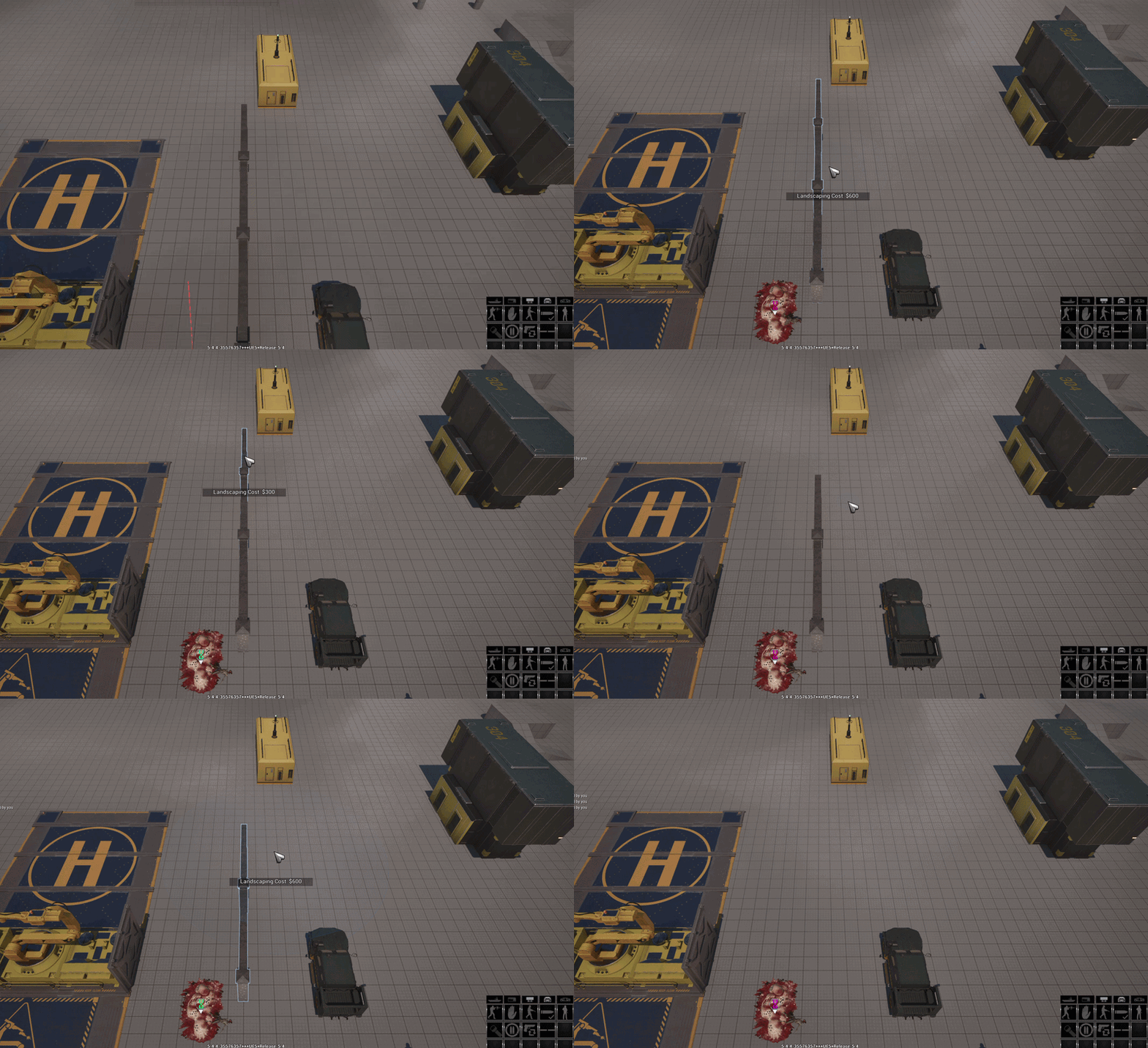
[dynamiclink href="https://youtu.be/CAcV8v8I5mM"][/dynamiclink]Additional work has gone into making replays behave correctly across the wider simulation. Blood decals can rebuild after scrubbing, stale muzzle flashes are cleared, landscape actors now behave correctly during playback, replay naming has been improved, recording frequency has been reduced from 60 Hz to 30 Hz, and several visual, crash, and playback issues have been addressed.
Helicopters, Vehicles & Combat Reliability
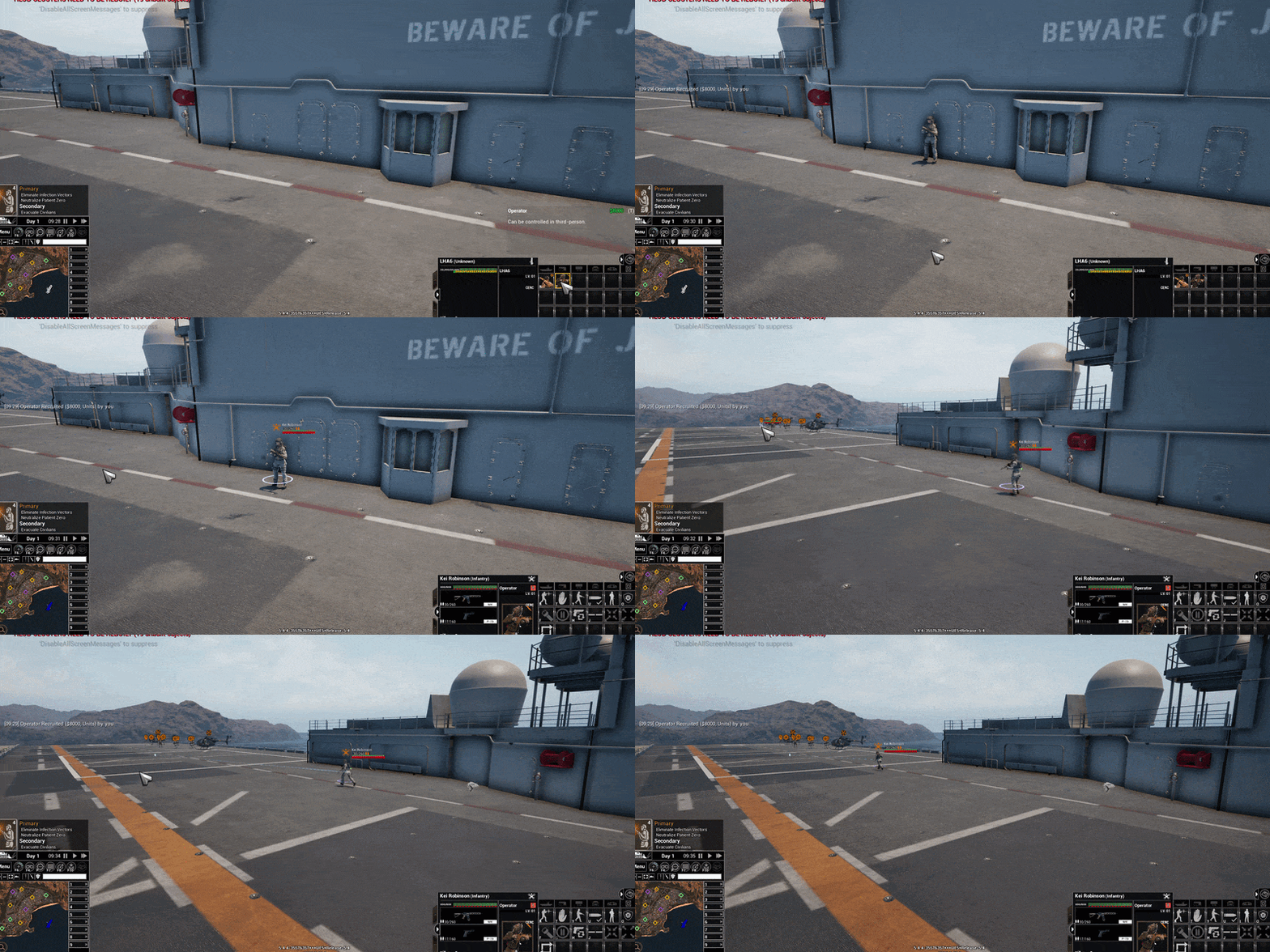
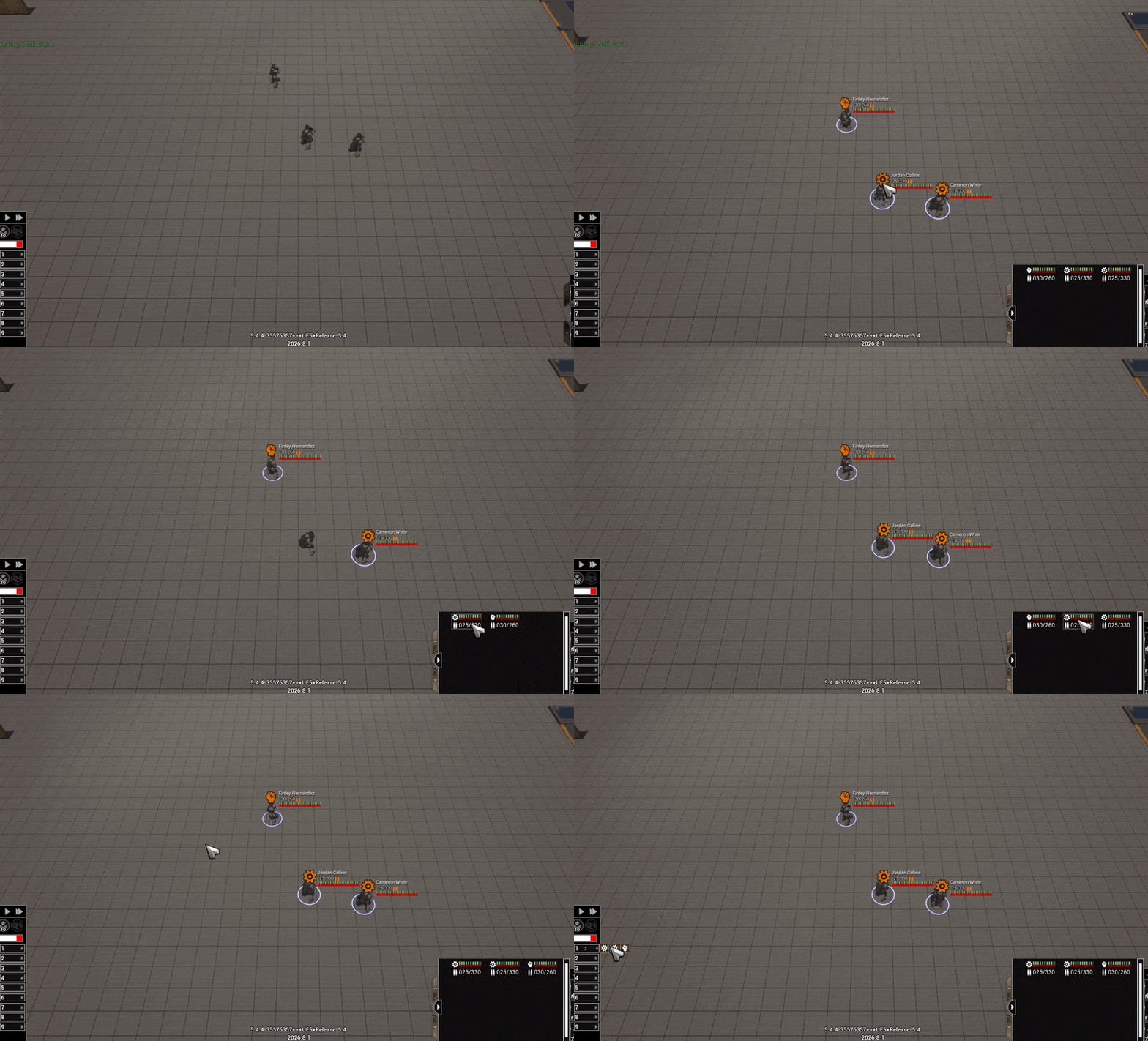
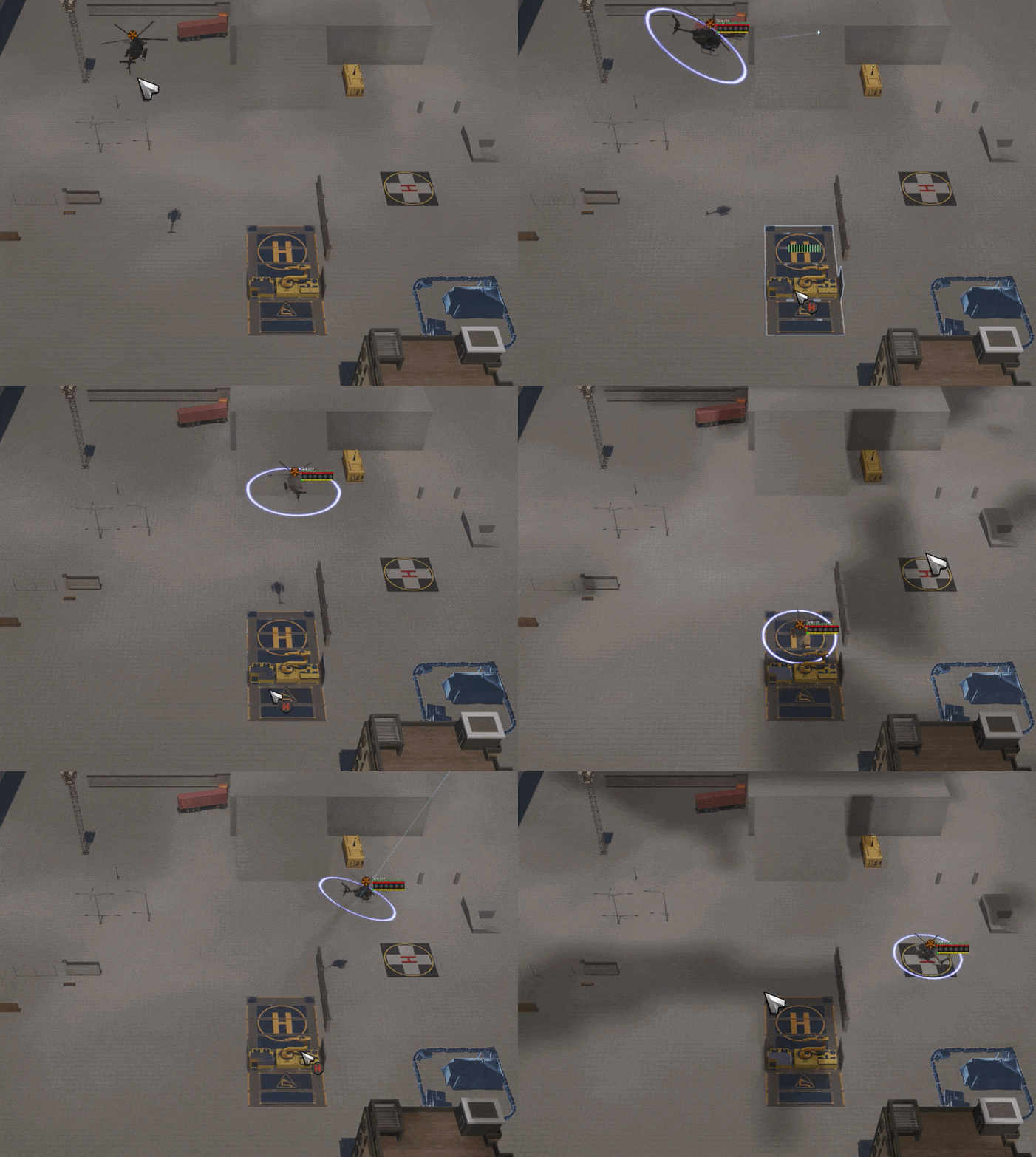
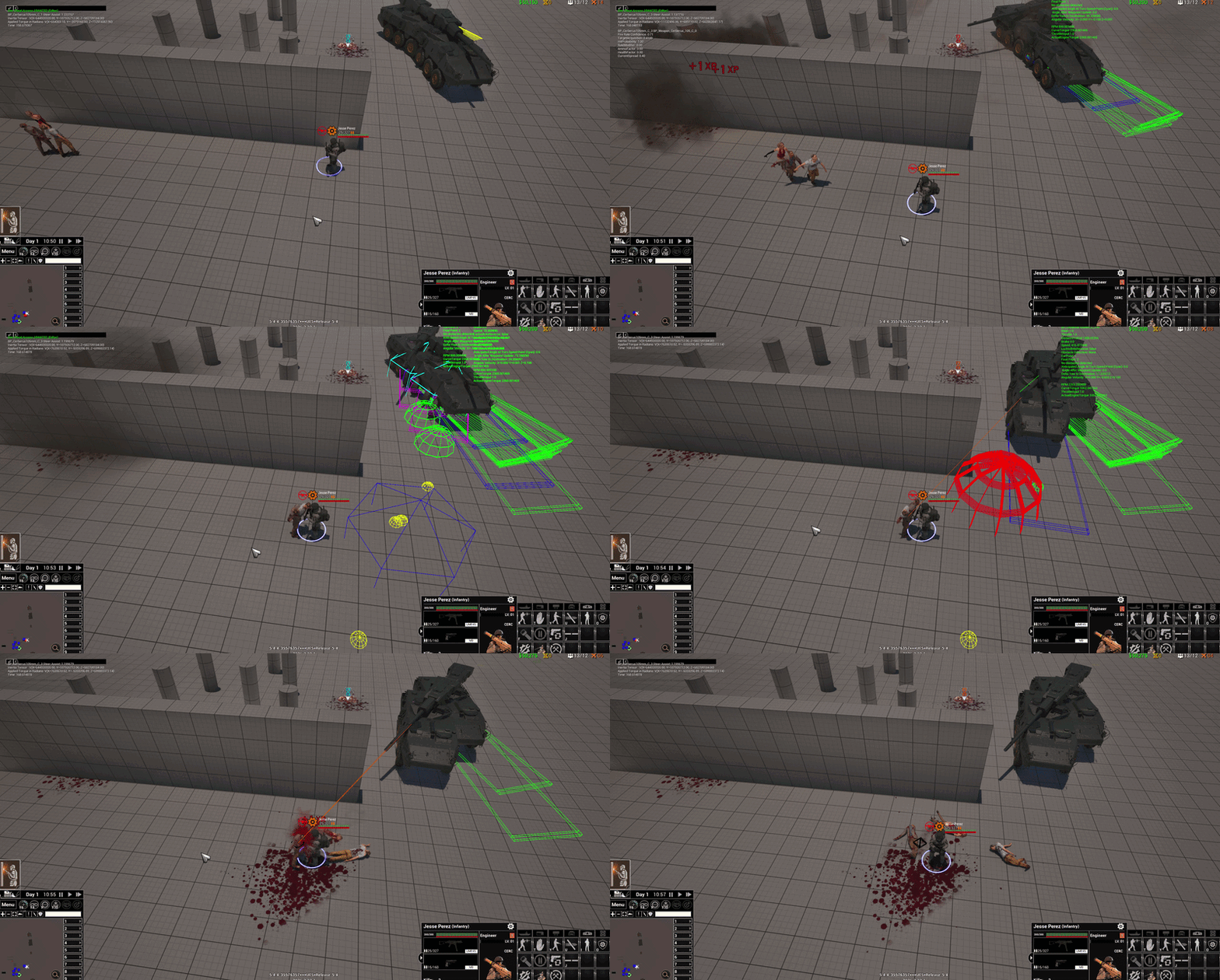
A number of movement, targeting, and vehicle edge cases have been tightened up. Helicopters moving in formation over heavily uneven terrain should stutter less, fastroping has received additional reliability work, helicopters can now knock through certain physics props instead of getting caught on them, and rare vehicle or helicopter facing snaps have been addressed. Damaged helicopter exhaust states and health-based engine fire VFX have also been added to support clearer vehicle damage feedback.
[dynamiclink href="https://youtu.be/6oyhVKbQJ8E"][/dynamiclink]Combat behavior has also received fixes for target focus while refiring, shotgun pellet processing, AI attack/follow navigation, Operator rotate-and-fire behavior, and several focus-state interactions that could interfere with vehicles or helicopters.
Multiplayer, Civilian AI & Interface Cleanup
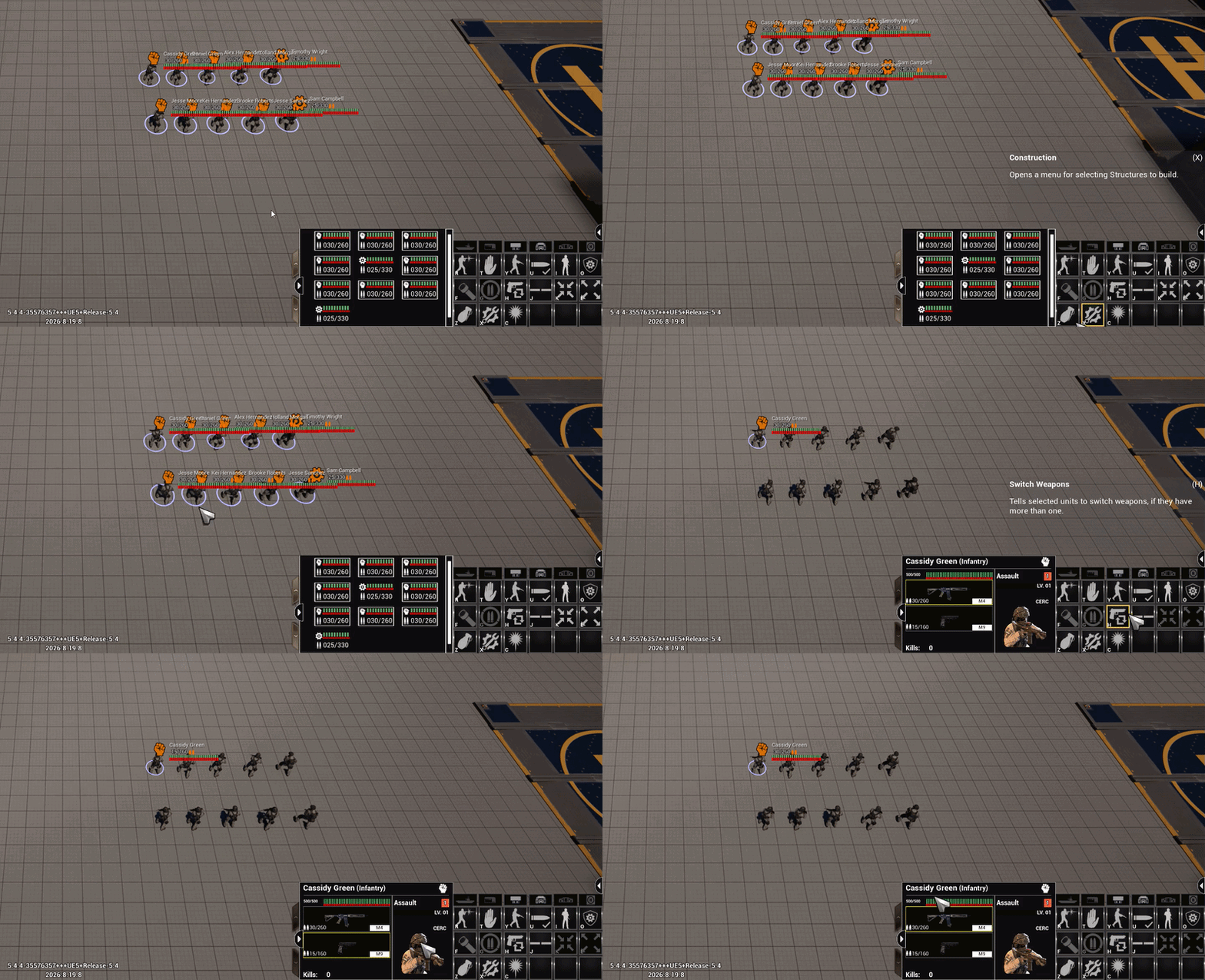
Multiplayer communication and several high-friction UI behaviors have received another cleanup pass. The multiplayer chatbox now has improved player-color identification, message presentation, text wrapping, menu layering, keyboard focus behavior, and cursor handling. Multi-unit displays can now show unit name, class, and current weaponry through a tooltip, while several Tactical Pause, repair-preview, and animated-cursor issues have also been corrected.
[dynamiclink href="https://youtu.be/x1ET4gRNjpA"][/dynamiclink]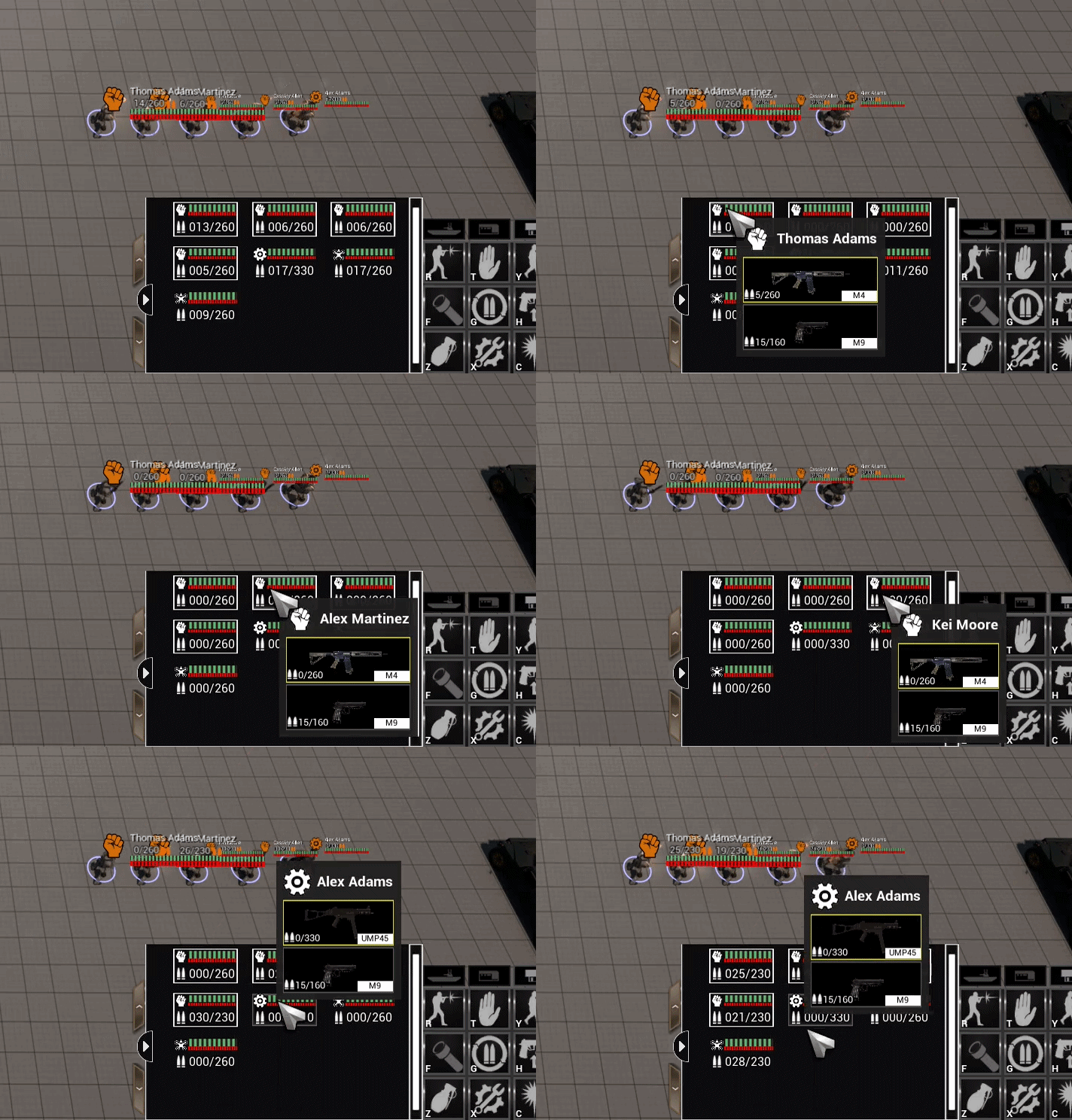
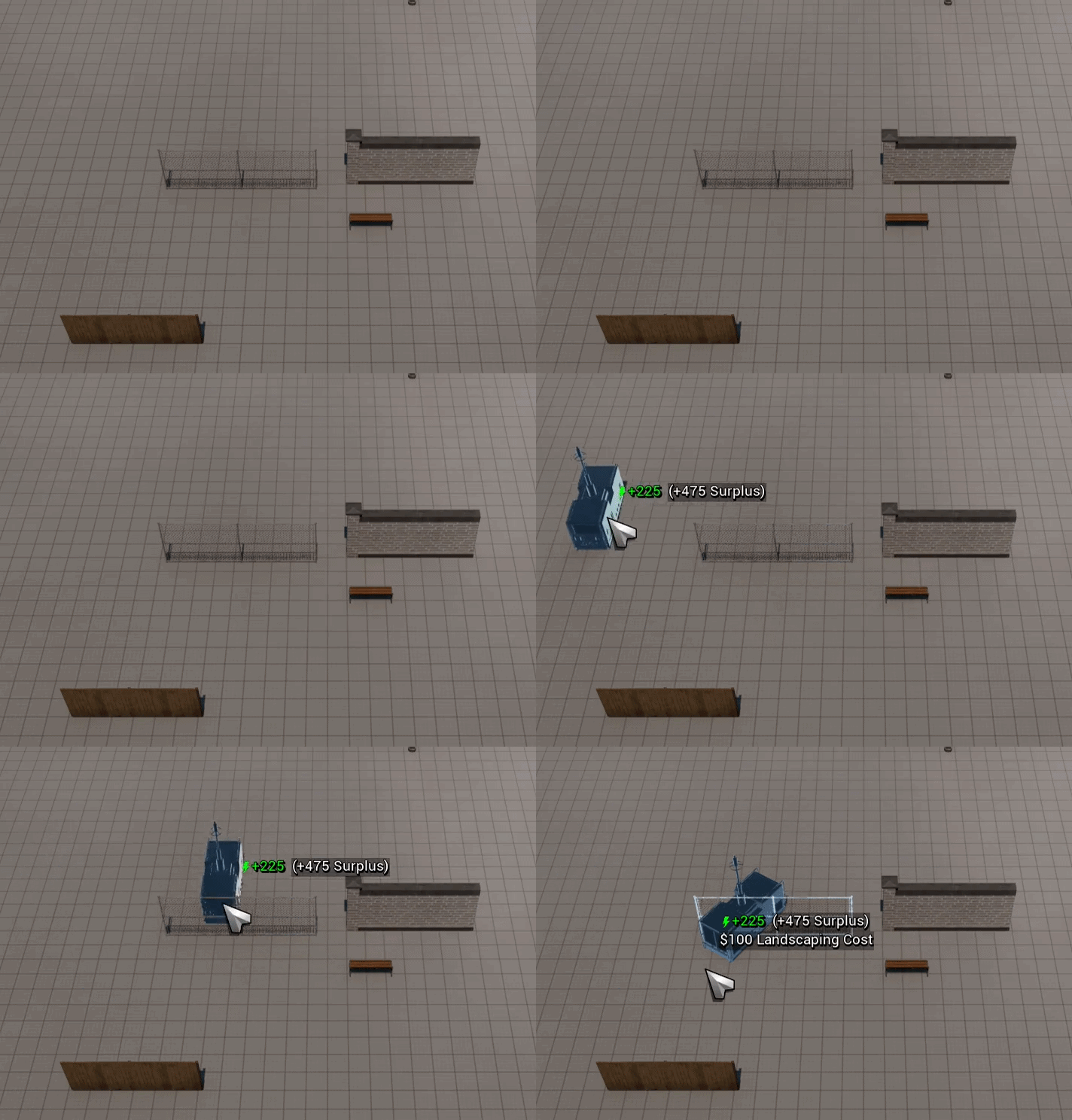
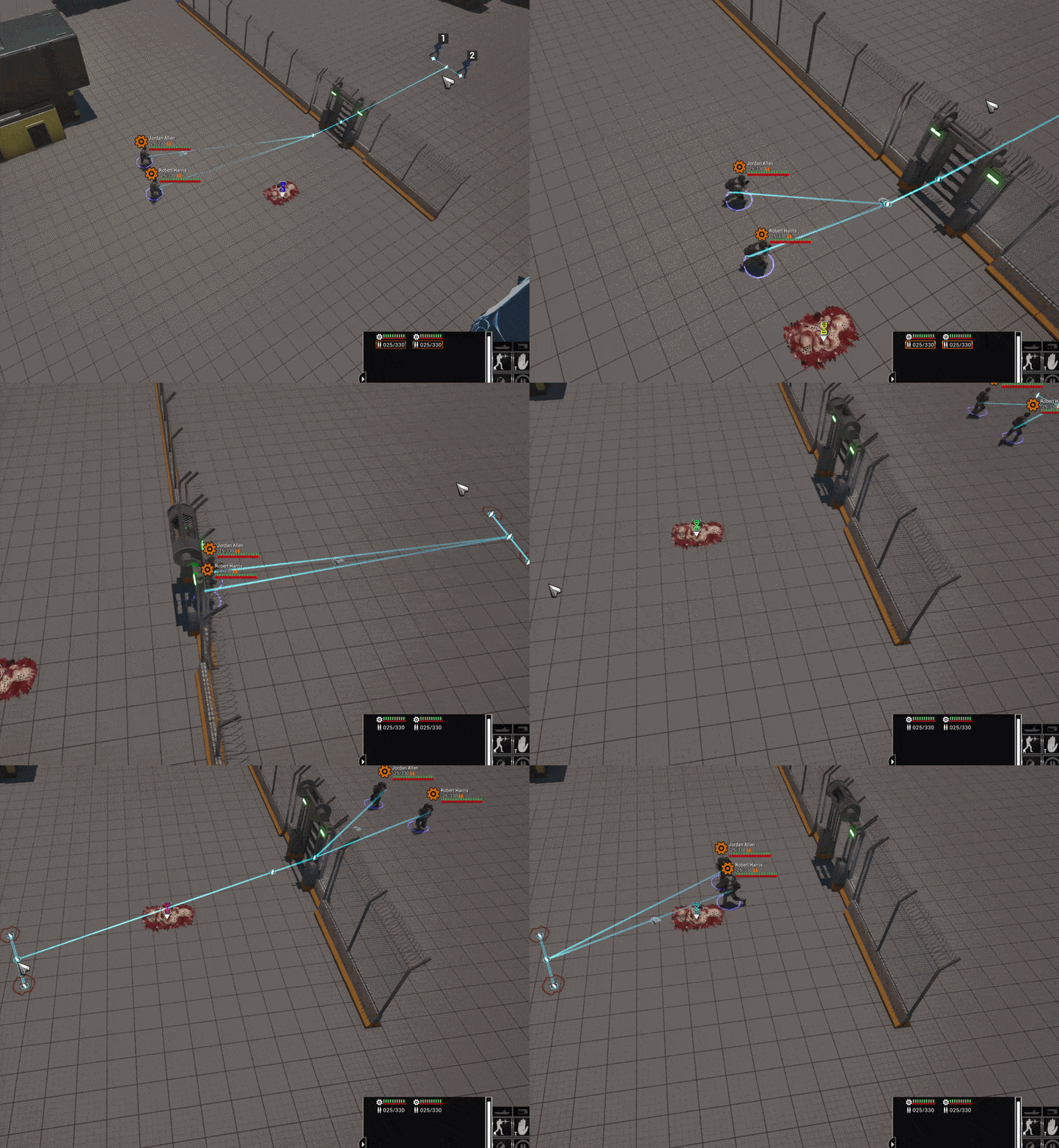
Civilian AI has received additional recovery logic for unusually stuck navigation states, worker spawning has been adjusted to prevent units appearing inside floors, and several civilian administration controls have been moved directly into the Tactical Map as part of the broader interface consolidation.
Patch Notes for 2026.9.3 (Experimental)
Tactical Map
Expanded Tactical Map Zone Status controls so more civilian administration can be handled directly from the map.
Added functional Civilian Intake enable/disable controls to Tactical Map Zone Status widgets.
Added Martial Law controls to Tactical Map Zone Status widgets.
Added evacuation destination selection and evacuation eyedropper support.
Added evacuation and travel mode dropdowns to Tactical Map Zone Status widgets.
Added Zone sorting.
Hovering a Zone card now highlights the related Zone on the Tactical Map.
Highlighting a Zone on the Tactical Map now highlights the related Zone card.
Added Zone Border POIs and related Minimap filtering support across playable maps.
Added evacuation route arrows. Highlighting a Zone Status entry now displays migration routes to and from that Zone.
Added a CERC Reputation Meter to Tactical Map Zone Status widgets.
Updated the Construction Status display to show landscaping costs, power changes, total Zone power, and pending power from structures under construction.
Added SOC/SRP information popups when selecting them from the Tactical Map.
Added basic Undo/Redo controls.
Added a right-click Tactical Map context menu for quickly changing tools and placing resizable markers.
Restored right-click move orders while preserving hold-right-click access to the context menu.
Right-click move orders issued through the Minimap or Tactical Map now display a temporary move icon for command feedback.
Improved Tactical Map panning and click-drag behavior.
Units can still be selected while the Panning Tool is active.
Improved Tactical Map click detection.
Some drawing and label types can now be zoomed and rotated using the Minimap controls.
Fixed drawing rotation behavior while slow motion is active.
Fixed drawing scaling limits so they match the regular ribbon slider limits.
Fixed Tactical Grid subcell text rendering when the map is rotated.
Improved marker alignment with marker text.
Limited maximum Zone Name display size so very large names scale down correctly.
Made the left Tactical Map ribbon collapsible and adjusted its placement relative to the primary map controls.
Adjusted lower-left HUD elements and the Message Queue while Tactical Map mode is active.
Continued work on a vertical Unit Group display for Tactical Map mode.
Continued work on the Tactical Map bottom-left information display.
Removed the legacy Zone Management List as its functionality moves into the Tactical Map workflow.
Replay System
Added optional automatic host recording support.
Expanded Replay playback with seeking and scrubbing controls.
Expanded cinematic camera controls with target tracking, mounted presets, saved offsets, and fullscreen UI support.
Added adjustable spectator movement speed.
Added the Replay Browser and supporting replay menu flow.
Added and standardized the Replay button text in the Main Menu.
Reduced Demo recording frequency from 60 Hz to 30 Hz.
Blood decals are rebuilt after scrubbing through a replay.
Fixed missing Replay Blood Subsystem support.
Stale muzzle flashes are now cleared when replay time changes.
Replays are excluded from analytics and companion processing where appropriate.
Improved replay handling across health, weapons, structures, construction, vehicles, infected, inventory, and other gameplay systems.
Improved Chaos vehicle and helicopter visual stability when following them during replays.
Fixed replay naming for maps and game modes.
Fixed the general replay naming system.
Fixed Landscape Actors not behaving correctly in replays.
Scrubbing through a replay no longer resets Cinematic Mode.
Demo recording is now blocked in the Hub and Horde modes.
Applied additional replay and crash fixes.
Multiplayer Chat, Unit Information, and UI
Multiplayer chat now colorizes player names using each player's assigned color while enforcing readable brightness.
Updated chat presentation so individual messages are bordered instead of the entire chatbox.
Fixed multiplayer chat text wrapping.
Entering chat from the Main Menu no longer removes the mouse cursor.
Adjusted UI Z-order so the chatbox can appear correctly over submenus such as Operator Customization.
The multiplayer chatbox no longer loses keyboard focus after pressing ENTER to send a message.
Pressing ESC while the chatbox has keyboard focus now exits chat focus without requiring a mouse click outside the box.
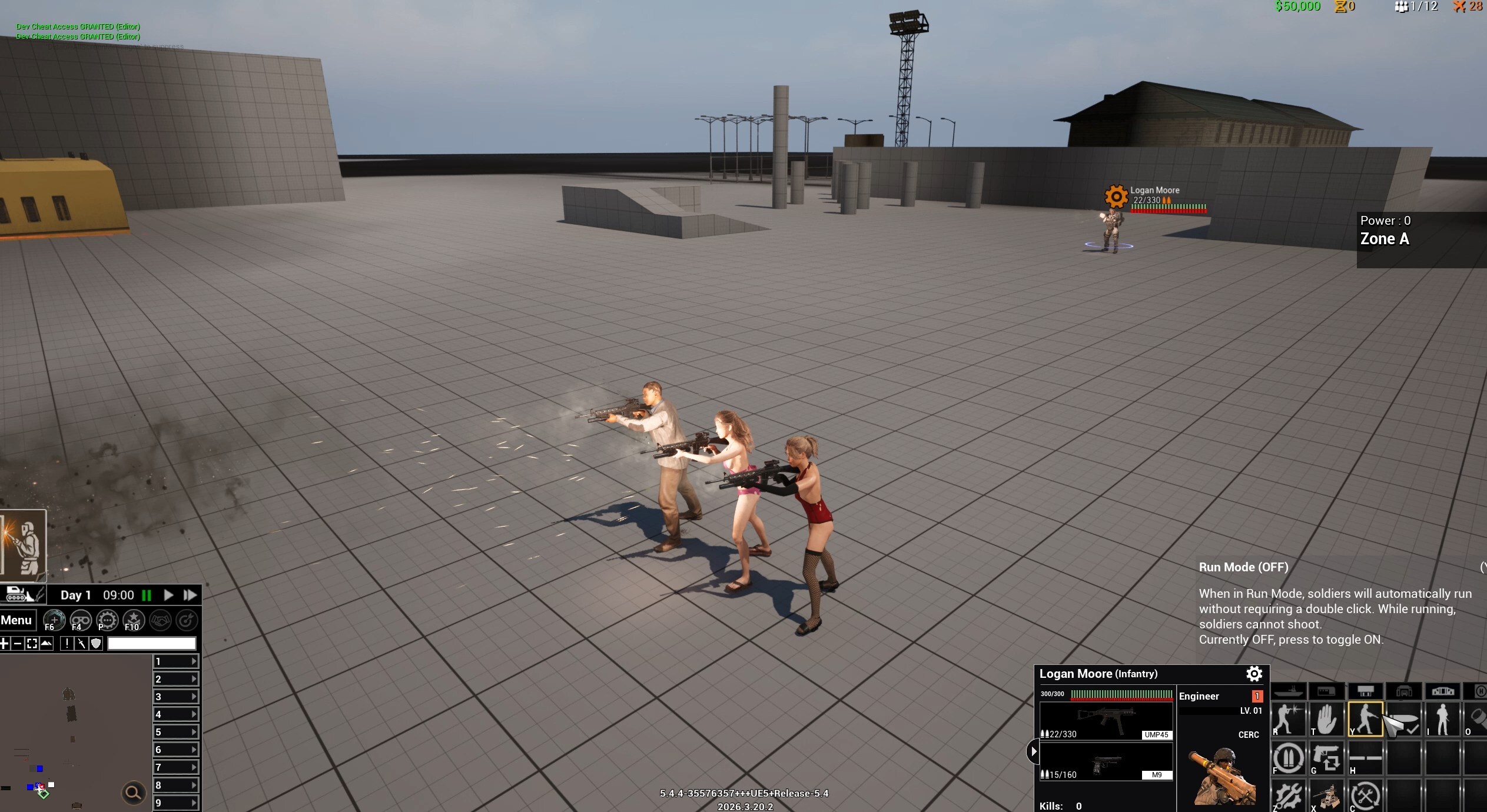
Added a multi-unit information tooltip showing unit name, class, and current weaponry.
Fixed a wrapping issue affecting regular Unit Group cards outside Tactical Map mode.
Units now hide their Minimap icons while garrisoned.
Mouse-following warning text now stays within the visible screen area more reliably.
Improved Civilian Intake control styling and Tactical Map Zone Status tooltips.
Fixed Operator hand positions for multiplayer clients where hands could attach to the wrong weapon location.
Fixed Operator underbarrel hand positioning.
Fixed CBRN glowstick positioning.
Combat, AI, and Unit Control
Improved AI focus handling when switching enemy targets while actively refiring a weapon.
Fixed Analytical Facing logic affecting non-character units and causing rare vehicle or helicopter facing snaps.
Fixed a vehicle RunMode/SetSpeedState interaction that could clear focus and interfere with helicopter behavior.
Updated shotgun pellet processing so pellet aim directions are calculated before damage is resolved instead of rerunning the full firing pipeline for every pellet.
This prevents edge cases where an enemy dying to an early pellet could interfere with the remaining pellets in the same shot.
Fixed replicated formation spacing behavior.
Improved AI attack and follow navigation behavior.
Improved Operator rotate-and-fire behavior.
Evacuation Helicopters can no longer be given player-issued land-on-helipad orders.
Helicopters and Vehicles
Improved Fastrope deployment reliability to reduce cases where ropes could deploy late or fail to deploy.
Fastroping units now try to avoid becoming caught on lampposts and similar obstacles while descending.
Helicopters now use physics-shatter behavior similar to ground vehicles so certain props can be knocked over instead of trapping the aircraft during landing.
Improved helicopter formation movement over significantly hilly terrain to reduce movement stuttering.
Improved Skycrane delivery smoothing.
Added damaged-state helicopter exhaust FX.
Added support for Engine Components to trigger fire VFX based on remaining health percentage.
Updated Springbok model and destruction setup.
Added additional Springbok destroyed/interior asset support.
Structures, Construction, and Civilians
Fixed Rubble Mode structures not highlighting correctly when moused over.
Fixed repair cursor feedback for Engineers targeting Rubble Mode structures.
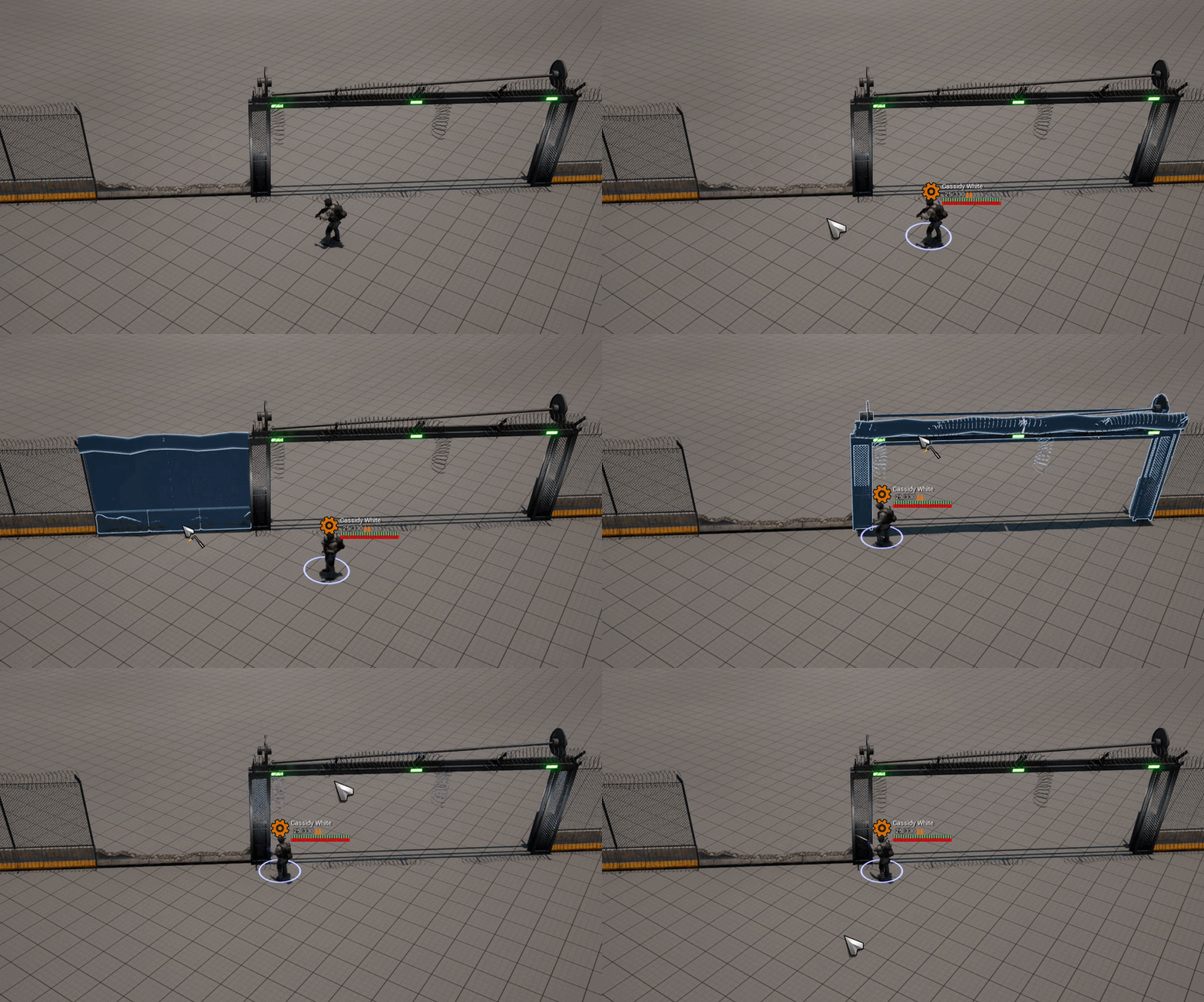
Restored repair preview behavior when hovering rubble walls with a unit capable of repairing them selected.
Animated cursors such as repair and landscaping cursors now respect Time Dilation and update correctly while Tactical Pause is active.
Added additional civilian navigation recovery for unusual stuck states that were not covered by existing stuck checks.
Adjusted Zone Division worker spawn height to prevent spawned units from appearing inside the floor.
Infected Balance
Reduced Infected Bird effectiveness.
Reduced Chelsey effectiveness.
Animation, Visuals, and Environment
Added additional idle animation polish and a new IK setup for RTS units.
Continued M4, SMG, underbarrel, and general infantry animation polish.
Updated post-processing and related day/night weather presentation.
Disabled unintended shadows on landscape grass.
Fixed duplicate MasterLightingSystem level references on affected maps.
Fixed misconfigured number decals across multiple maps.
Fixed flashlights pointing in incorrect directions.
Continued North San Francisco and Pier 39 environment work.
Added additional military clutter assets, landscaping props, parking assets, planters, railings, vines, and related environment detail work.
Continued map and level adjustments across North San Francisco, Half Moon Bay, Treasure Island, Angel Island, and related world spaces.
Stability and Technical
Fixed a crash related to Saved Groups garbage collection.
Fixed a cooking error and cleaned up related C++ compile warnings.
Applied additional crash fixes alongside Replay System work.
Development Update — Finishing the Foundation
Today's Experimental patch is part of the same foundation work we outlined during last week's CERC HQ. One of the biggest lessons we took from Legacy is that moving onto the next major system before the current one has fully settled creates problems that compound over time. We would get something working, move onto the next system, discover an edge case in the previous one, jump back to fix it, and eventually end up with several interconnected systems all needing another pass at once. We do not want to repeat that going into Escalation. Right now the priority is the game we already have in front of us: quality of life, performance, pathfinding, UI cleanup, and the smaller growing pains that become much more noticeable as matches get larger and more complicated. We have already gone significantly further than originally planned on cleaning up infantry, vehicle, and helicopter pathfinding, but we fully expect players to continue finding edge cases that we did not reproduce internally. When those appear, we want to eradicate them now rather than stack Escalation systems on top of them. As we outlined during last week's CERC HQ, we expect this final foundation pass to take roughly another week or so. That is not a deadline we are going to rush to hit. If one of the remaining systems needs another couple of days, it gets another couple of days. The goal is to enter Escalation with the current game in a state we trust rather than carrying known problems forward simply to say that the next phase has started.
Where Things Stand
The remaining list is getting short, but there are still several things we want satisfied before we officially move into Escalation.
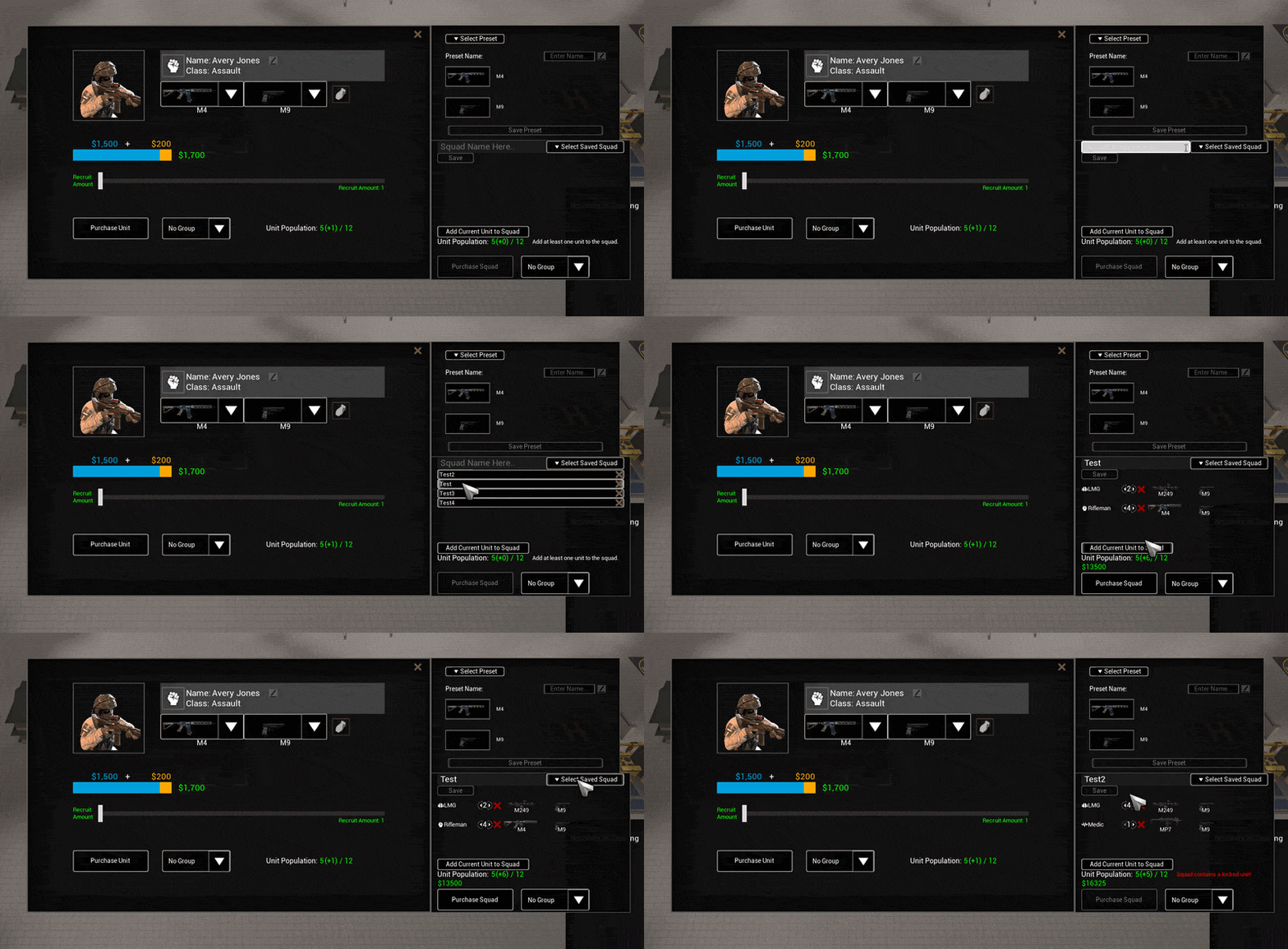
Saved Squad Compositions — DONE
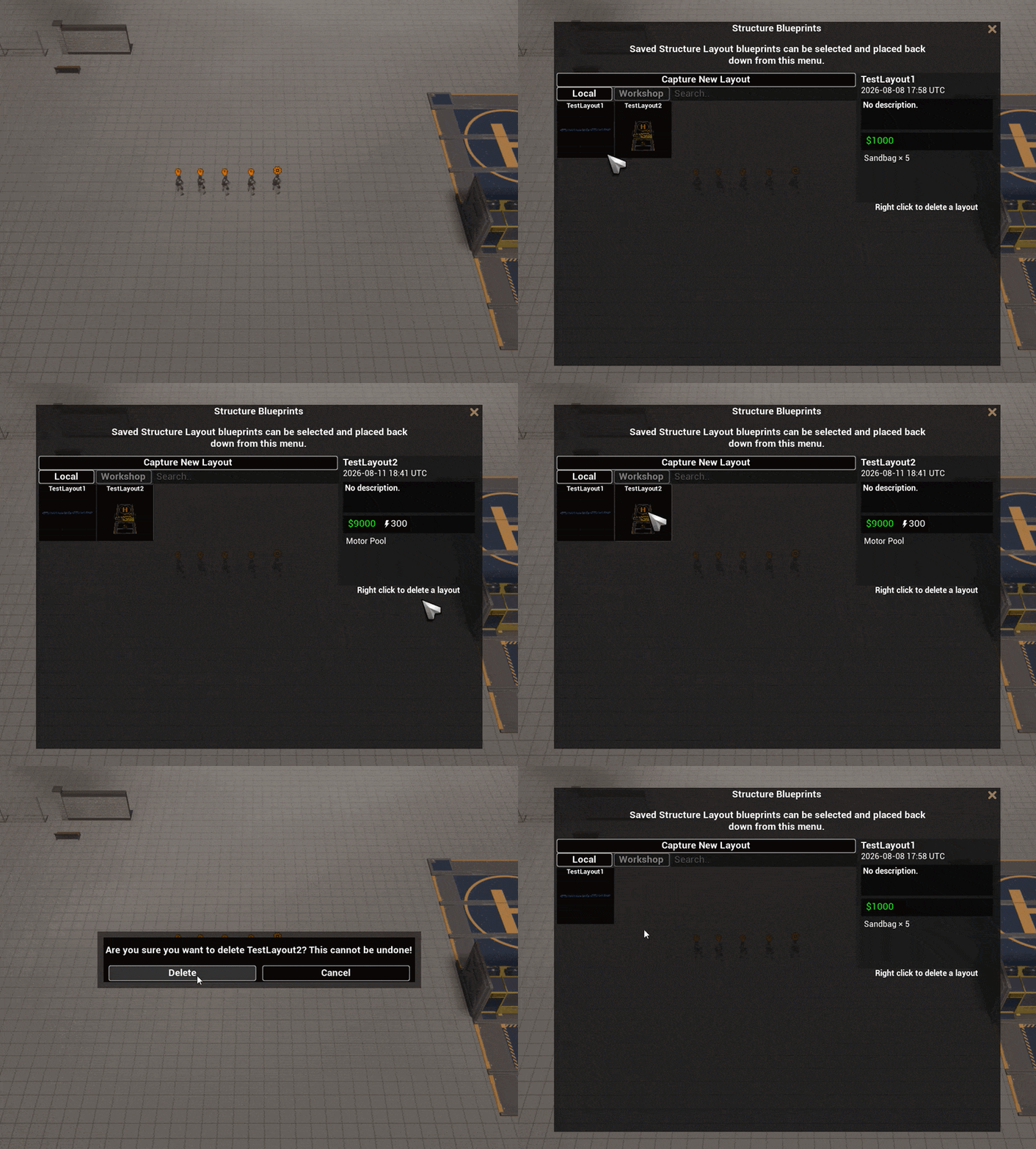
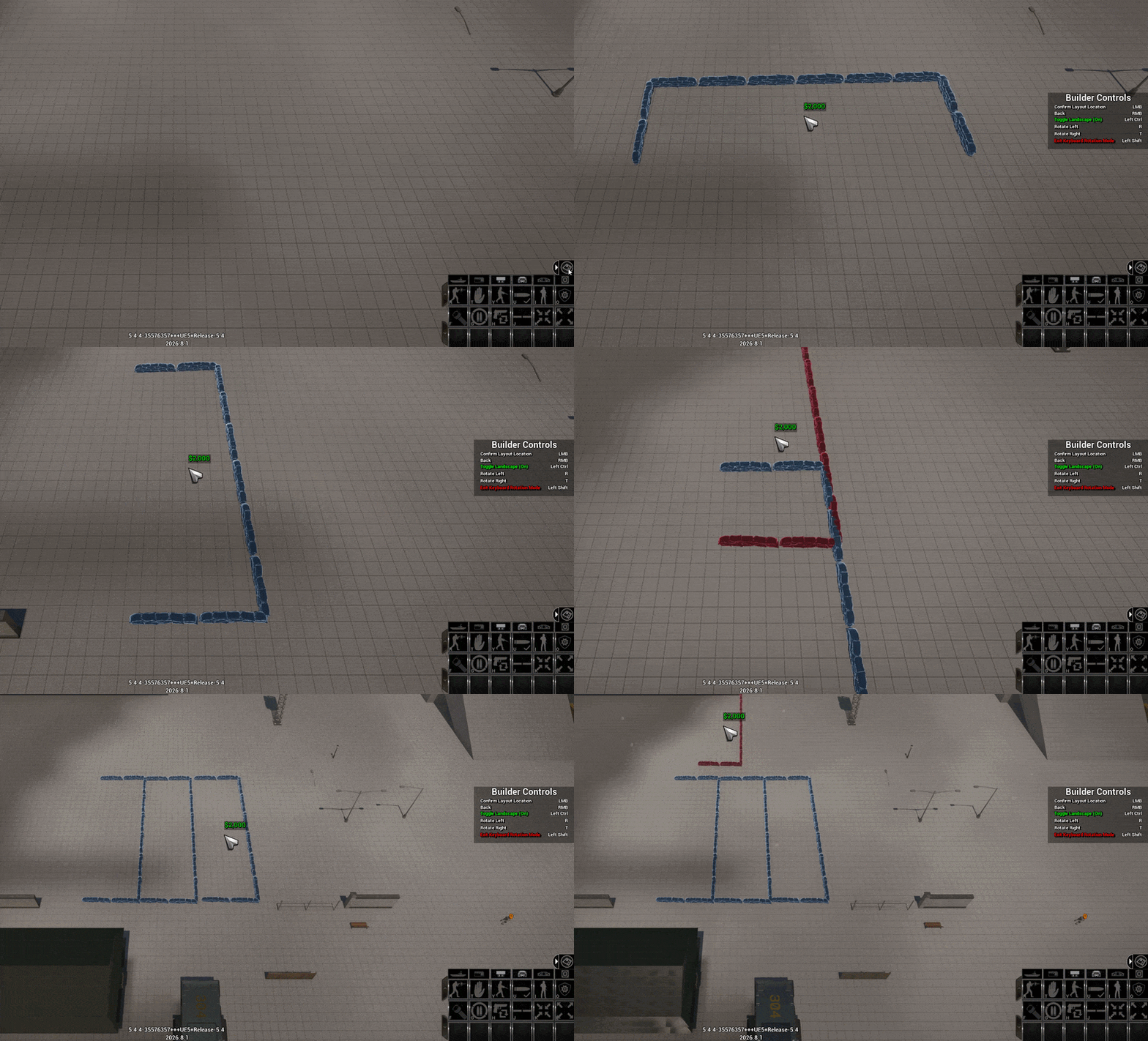
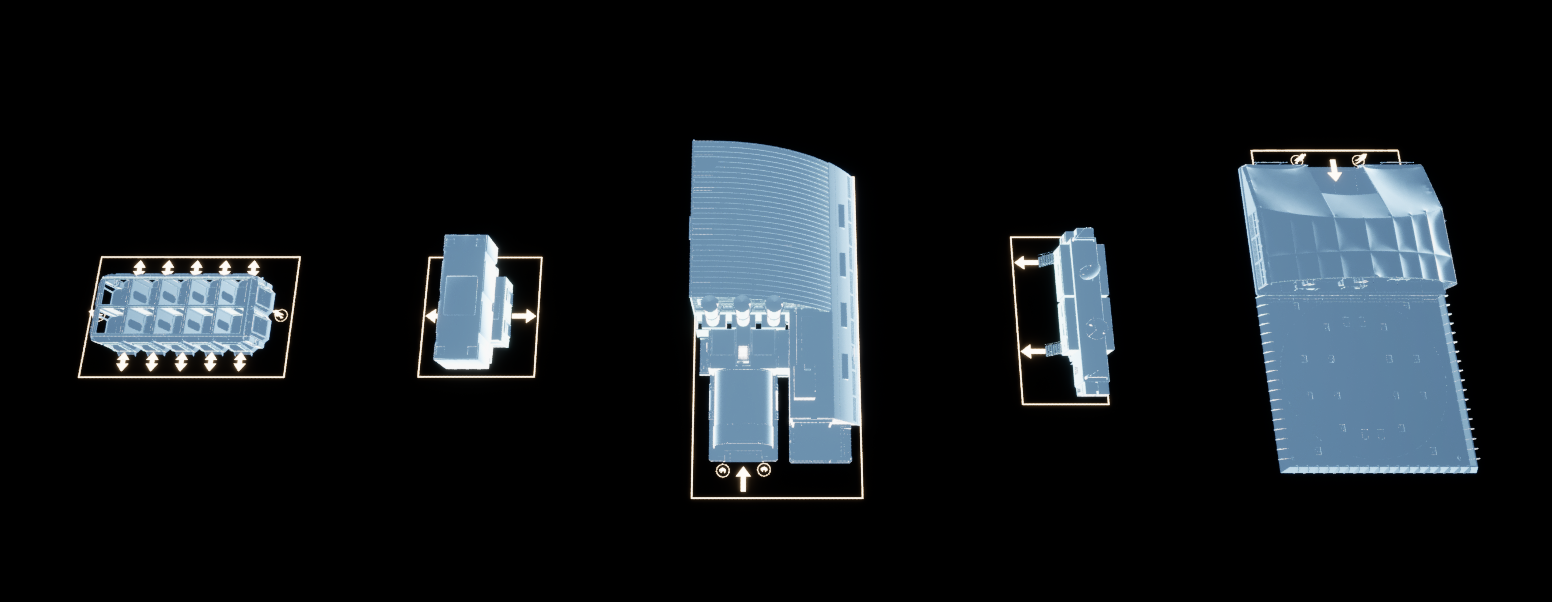
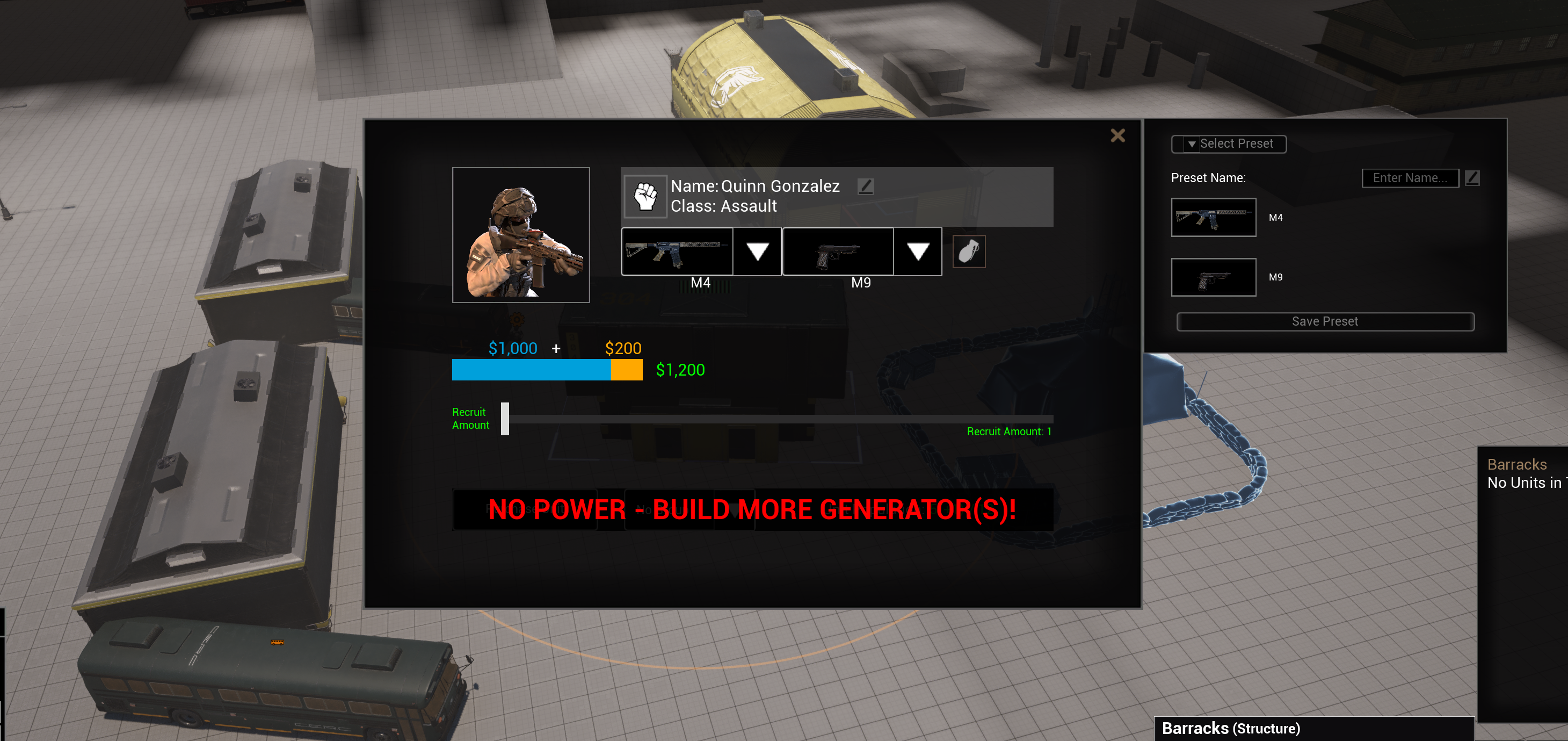
Structure Blueprint Presets — DONE
Minimap & Tactical Map — ~95% COMPLETE
The Minimap and Tactical Map are fully replicated and working in co-op.
Most of the remaining work is minor polish, cleanup, and edge cases.
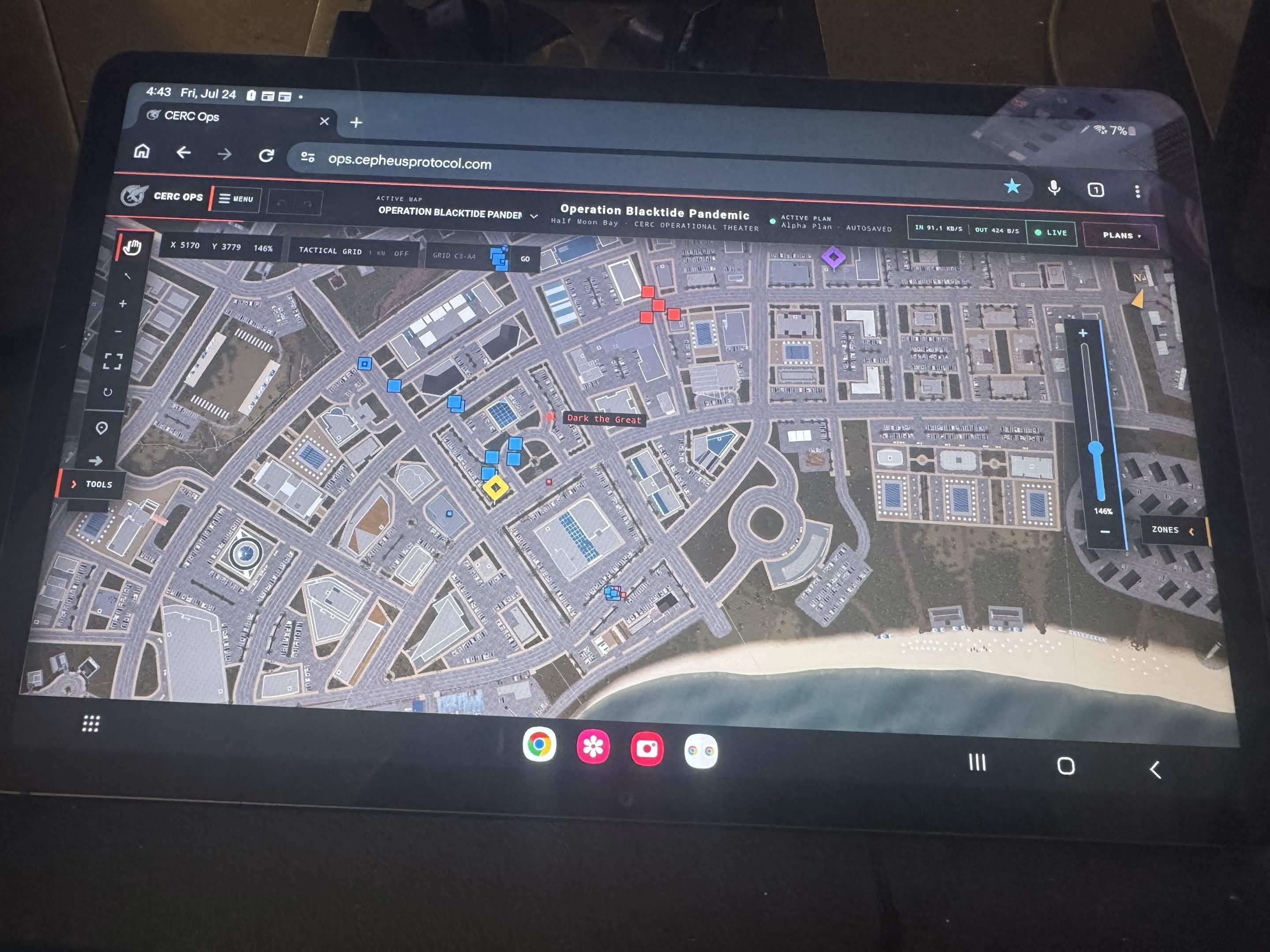
One of the last larger hurdles is completing two-way streaming with CERC OPS so planning information can move cleanly between the game and CERC OPS in both directions.
GPU Fog of War — REMAINING
This is one of the last major performance line items and still needs roughly one to two focused development days to finish.
It was pushed back while we dealt with quality of life work, other performance issues, and the remaining UI work rather than rushing it out half finished.
Dr. Kira Tutorial — REMAINING
The first mission-based tutorial still needs to be implemented so new players have a proper in-game introduction to the core systems.
Main Menu & UI Reskin — REMAINING
The Main Menu and supporting UI still need their final modernization pass so navigation is cleaner, easier to understand, and more consistent with the newer interfaces.
Civilian Intake / Evac Efficiency Upgrade — REMAINING
We still need to add the additional intake upgrade players have been asking about. After the first intake upgrade is unlocked, the next upgrade will allow players to double intake efficiency.
Performance, Pathfinding & Remaining High Impact Bugs — ONGOING
We are continuing to profile performance and clean up any remaining infantry, vehicle, and helicopter pathfinding edge cases.
Any remaining high impact bugs that we can reproduce are part of this same final foundation pass.
GPU Fog of War — Final Performance Pass
GPU Fog of War remains one of the last major performance tasks before Escalation. The visual side of Fog of War is being moved onto the GPU so we can reduce the amount of CPU time spent presenting it. Underneath that, the trace and line-of-sight work still has to remain reliable when the simulation is under pressure. A lot of the underlying VisionGrid work has already been improved through the recent performance passes. Memory operations have been reduced, deferred sight results have been handled more intelligently, nearby results have been prioritized, and the system has been made more resilient when more vision work is being generated than can immediately be processed. The remaining GPU portion still needs roughly one to two focused development days. That work was delayed while attention shifted toward quality of life improvements, other performance problems, Tactical Map and UI work, and issues that were directly affecting current matches. We would rather give it those days and finish it properly than check the box early and discover later that we only moved the bottleneck somewhere else.
Learning From Legacy
Legacy is the reason we are being deliberate about this. One of the easiest traps in development is seeing the next major feature on the roadmap and feeling like progress means starting it immediately. That is how smaller problems get carried forward until they become structural problems. Escalation is going to introduce new infected behavior, new navigation requirements, new progression, new content, and a large amount of R&D. If we begin that work while the current baseline still has known performance spikes, pathfinding edge cases, UI friction, or unfinished systems, it becomes much harder to tell whether a new problem came from Escalation or was already sitting underneath it. So the rule for this phase is simple: finish what is already here first. That does not mean pretending Cepheus Protocol will suddenly become completely bug free. It means getting the known foundation into a state where we trust it, then moving forward from there.
CERC OPS — Planning & Synchronization
The Minimap and Tactical Map are now approximately 95% complete. The core system is fully replicated and working in co-op, including the newer Tactical Map controls and shared battlefield information. At this point, most of what remains inside the game itself is smaller cleanup, polish, and edge case work. The larger remaining hurdle is CERC OPS. The next step is completing the two-way streaming layer so plans and map information can move between the game and CERC OPS instead of synchronization only living on one side of that connection. Once that is working cleanly, the planning system will have the foundation we originally wanted across the game, connected clients, server, and CERC OPS.
Dr. Kira & An Official In-Game Tutorial
Dr. Kira will be guiding players through the first official mission-based tutorial.

Recent reviews, feedback, and simply watching new players continue to reinforce the same point: Cepheus Protocol needs a better way to teach its fundamentals without requiring somebody to leave the game and find a guide or video. The community has done a lot to fill that gap through Steam guides, videos, and other player-made resources, and those have been genuinely helpful. At the same time, we want the game itself to do a better job of giving new players the information they need to get started. The goal is not to explain every advanced system or replace the deeper guides and strategies the community has already built. The first tutorial is intended to give new players a proper starting point inside the game, introduce the core mechanics in context, and make the first few hours much easier to understand.
Main Menu & UI Cleanup
The Main Menu and remaining UI still need their final reskin and cleanup pass. A lot of the newer interfaces have moved forward significantly, especially the Minimap and Tactical Map, and the older menu presentation now stands out more because of it. This pass is about making the interface feel more modern, making navigation easier to understand, and reducing unnecessary friction when moving between the Main Menu, server options, customization, replays, and the rest of the game's major interfaces.
Helping Report Issues & Bugs
While we are working through this final cleanup phase, detailed reports from players are especially useful. We have already gone significantly further than originally planned on eradicating infantry, vehicle, and helicopter pathfinding problems. That does not mean we assume every possible case is gone. Cepheus Protocol creates situations at a scale where players will inevitably find combinations we did not reproduce internally. If you still see units, vehicles, or helicopters behaving incorrectly, or if you encounter performance drops, UI problems, multiplayer issues, crashes, or other high impact bugs, please send them through Discord or the Steam Community. Videos, screenshots, GIFs, save files, and reproduction steps are extremely useful because they let us see the exact conditions around an issue instead of trying to recreate it from a description alone. The more of those remaining issues we can identify and resolve now, the cleaner the baseline will be when Escalation begins.
The Road to Escalation
The standard we are aiming for before we move into Escalation is not that Cepheus Protocol somehow becomes completely bug free. What we want is for the existing game to feel stable and predictable enough that we can trust what we are building on top of. That matters because Escalation itself is going to involve a lot of R&D. We will be updating parts of the engine, evaluating newer engine features, testing navigation improvements, and prototyping systems that may behave very differently once they are dealing with the number of actors Cepheus Protocol can put on screen. Building climbing is one example. Before that can become a production feature, we need to find out how well the available navigation systems handle it, how predictable the behavior is, and whether it remains practical when scaled up. Some of what we need may already be available through newer engine systems, some of it may require extension, and some of it may ultimately need to be engineered specifically for the game. Getting the current game into a dependable state beforehand means we will have a much clearer picture of how those experiments are affecting the simulation and where the next round of engineering needs to focus.
The Final Push Before Escalation
That is where development stands right now. We are roughly another week or so away from where we expect this final foundation phase to land, but the exact day is less important than satisfying the remaining list. GPU Fog of War needs to be finished. CERC OPS needs its two-way connection. The Dr. Kira tutorial needs its first implementation. The Main Menu and remaining UI need their cleanup pass. The additional Civilian Intake efficiency upgrade needs to go in. Performance, pathfinding, and any remaining high impact bugs need another round of testing and cleanup. Once those pieces are where we want them, we rip the Band-Aid off and move into Escalation. Until then, we are going to keep finishing the foundation instead of rushing past it.
Community Workshop Spotlight
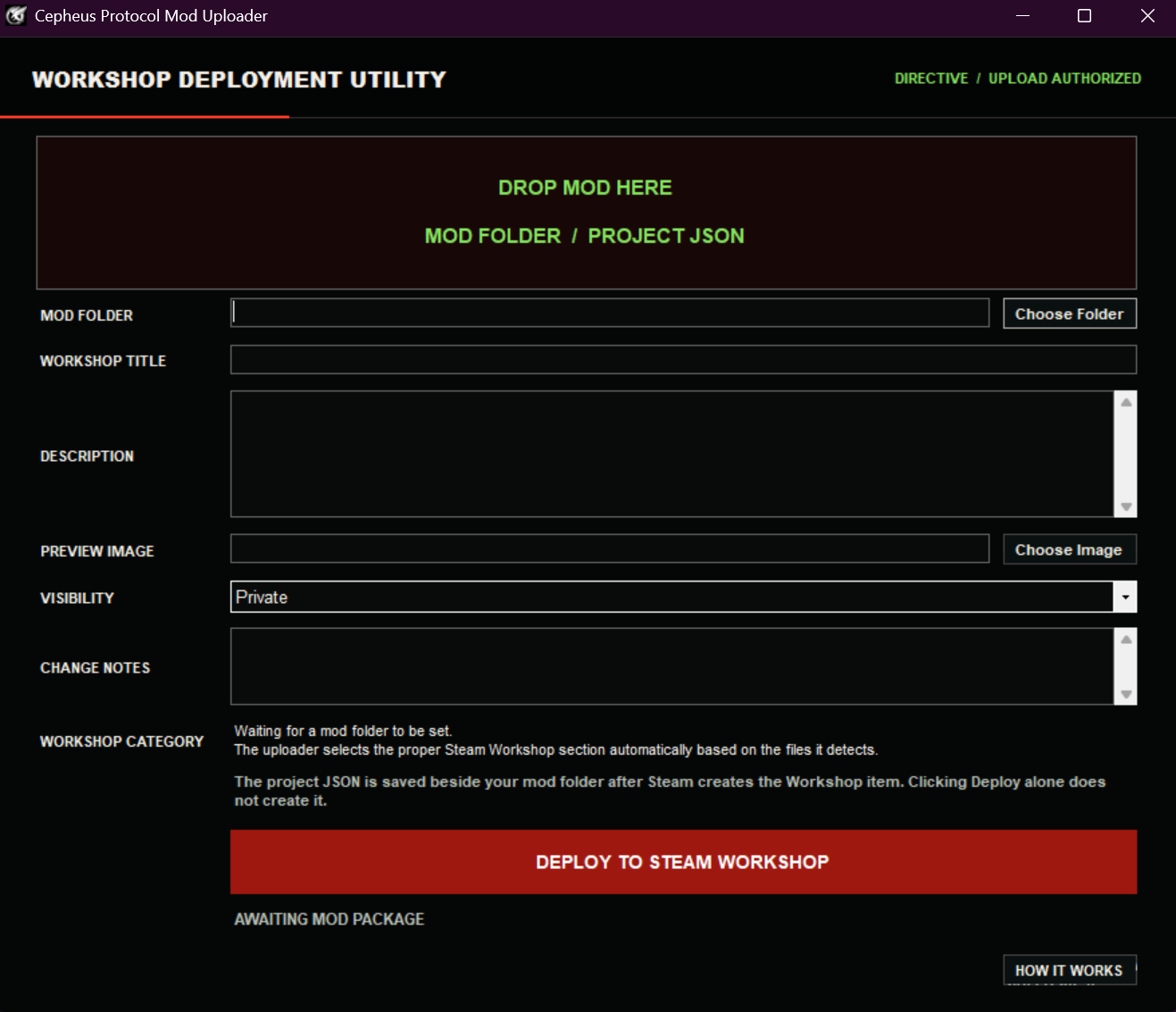
The Steam Workshop continues to grow alongside the Blueprint, Squad Preset, and modding tools. This week's update also makes it easier for creators to bring an existing Workshop project back into the Cepheus Protocol Mod Uploader, update it, and publish subsequent versions. Here are a few creations from the community worth checking out:
[dynamiclink href="https://steamcommunity.com/sharedfiles/filedetails/?id=3783404703"][/dynamiclink][dynamiclink href="https://steamcommunity.com/sharedfiles/filedetails/?id=3786782849"][/dynamiclink][dynamiclink href="https://steamcommunity.com/sharedfiles/filedetails/?id=3784826542"][/dynamiclink]Keep sharing what you're building. We'll continue looking through the Workshop for creations to feature in future updates and CERC HQ discussions.
Last CERC HQ Episode Summary
[dynamiclink href="https://youtu.be/0CA5xudjtdw"][/dynamiclink]EP. 104 focused heavily on the Tactical Map overhaul, the new Replay and Cinematic System, and another round of combat, stability, performance, and visual improvements.
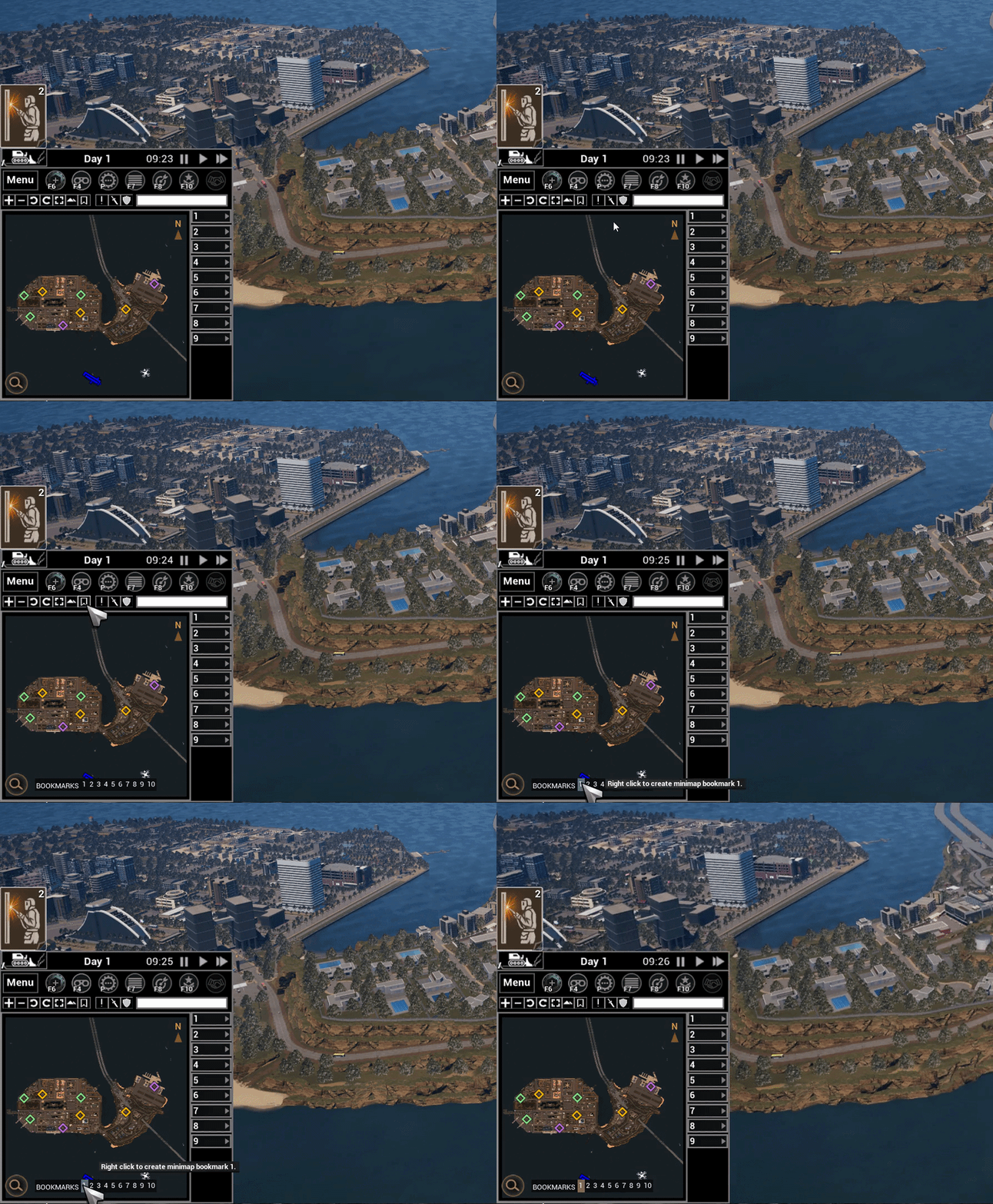
The Tactical Map is continuing to evolve into a much more complete command center. We covered the new Zone Management tools, evacuation controls, drawing and planning tools, coordinate grids, filters, pings, clearer sector information, and the wider Minimap improvements. The Minimap itself is now roughly 25% larger, and the larger planning system is being adapted for coordinated multiplayer use and eventual two-way integration with CERC OPS and external devices.
We also took a deeper look at the new Replay System. Hosts can now revisit entire sessions, rewind and fast-forward battles, follow units and projectiles, create custom cameras, and build cinematic shots from previous matches. The system is still early, so we're continuing to work through helicopter jitter, camera quirks, replay accuracy issues, crashes, and other edge cases as more of the simulation is brought fully into replay support.
Elsewhere, Operator saving has been rebuilt to reduce the chance of corruption, AI movement and combat behavior continue to receive fixes, and Chelsea and the infected birds have received balance adjustments. Vehicle destruction, weapon reload animations, effects, and other presentation work are also continuing to move forward.
Looking ahead, the immediate focus remains Tactical Map polish, Replay improvements, performance optimization, tutorials, UI work, weapon animations, vehicle effects, AI pathfinding, and continued expansion of North San Francisco as we finish the remaining foundation work before moving into Escalation.
Weekly CERC HQ's
When: LIVE SATURDAYS at 7:00 PM Eastern
Another week. Another deployment. Another look behind the curtain at the continuing development of Cepheus Protocol.
CERC HQ is our weekly development podcast covering the latest development progress, current technical challenges, upcoming roadmap work, community feedback, and the systems currently moving through production.
Where to Watch
Watch CERC HQ on YouTube Join the Discord Server Visit the Steam Page
Missed a Stream? No Worries!
Watch CERC HQ Archive Thank you to everyone continuing to test Experimental, report issues, send save files, record videos, capture screenshots and GIFs, participate in performance testing, create Workshop content, and provide detailed feedback. It gives us a much better picture of where the rough edges still are and where our attention is most useful next.
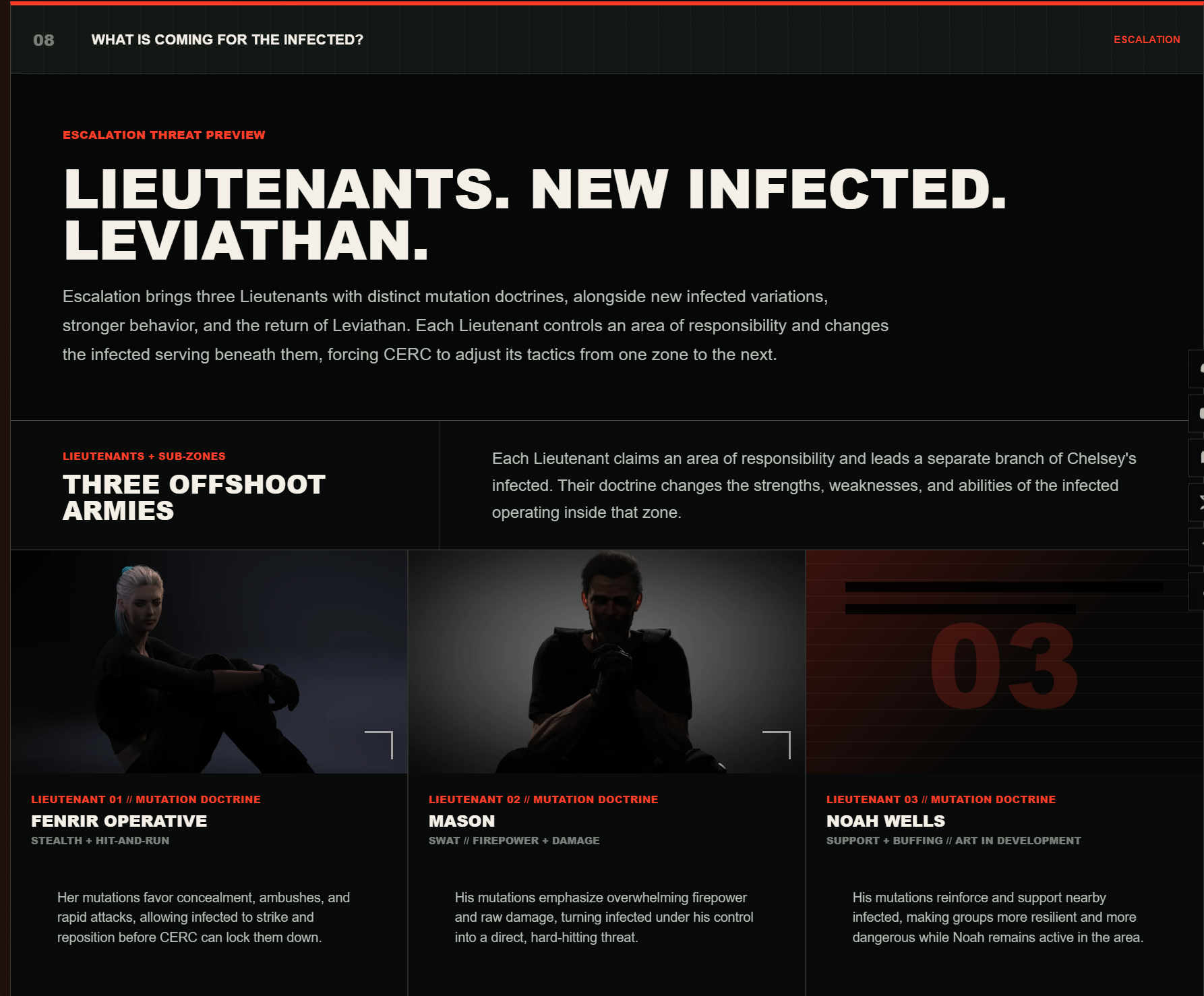 It also covers the upcoming Lieutenants, the infected overhaul, new infected variants, mutations, Escalation, the Leviathan, and answers to the most common questions we see across Steam and Discord. The roadmap and FAQ will continue to be updated as development moves forward and new questions come in from the community.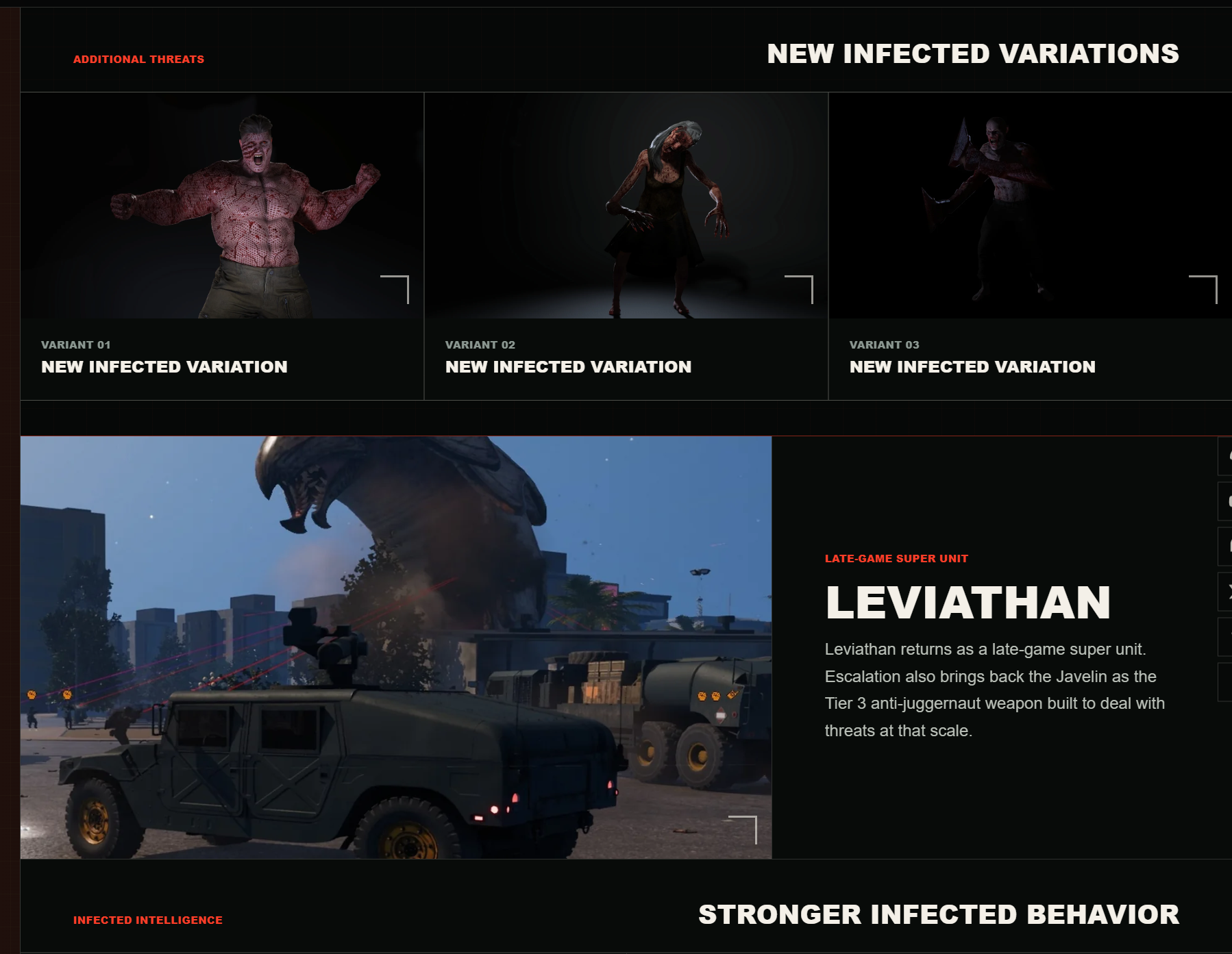
 [/carousel]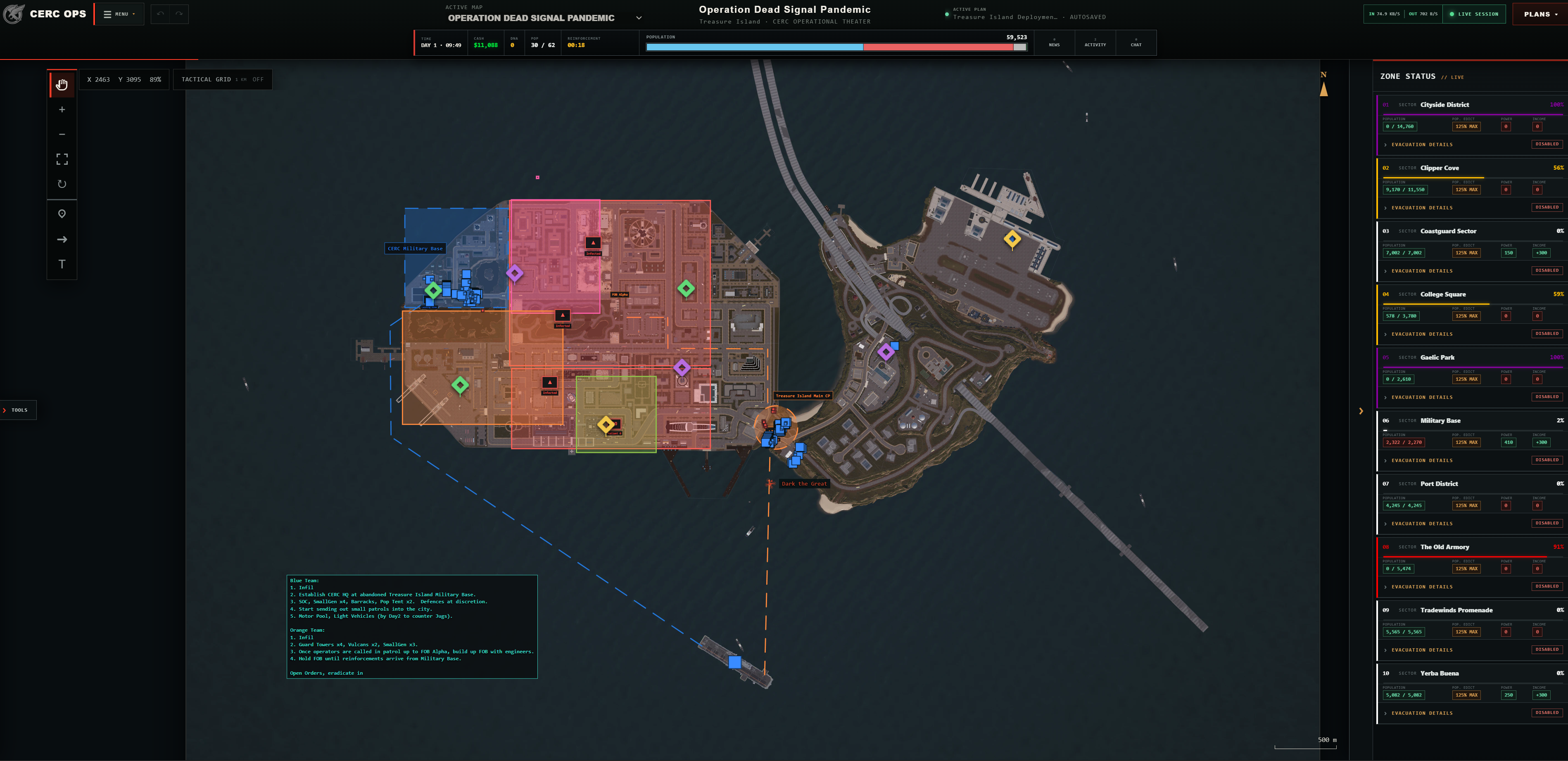
 [dynamiclink href="https://youtu.be/ctsu918lAJk"][/dynamiclink]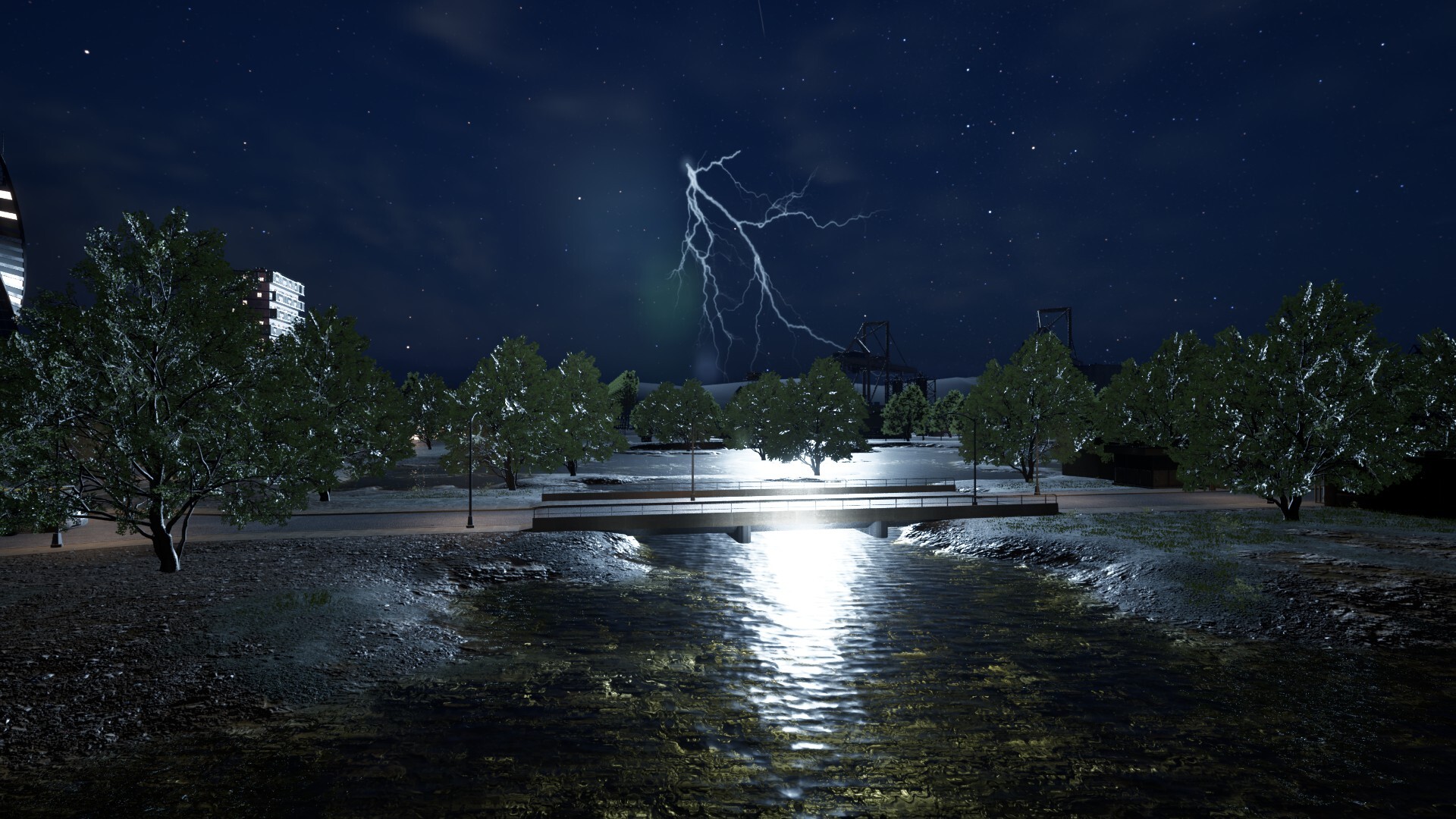
 [/carousel]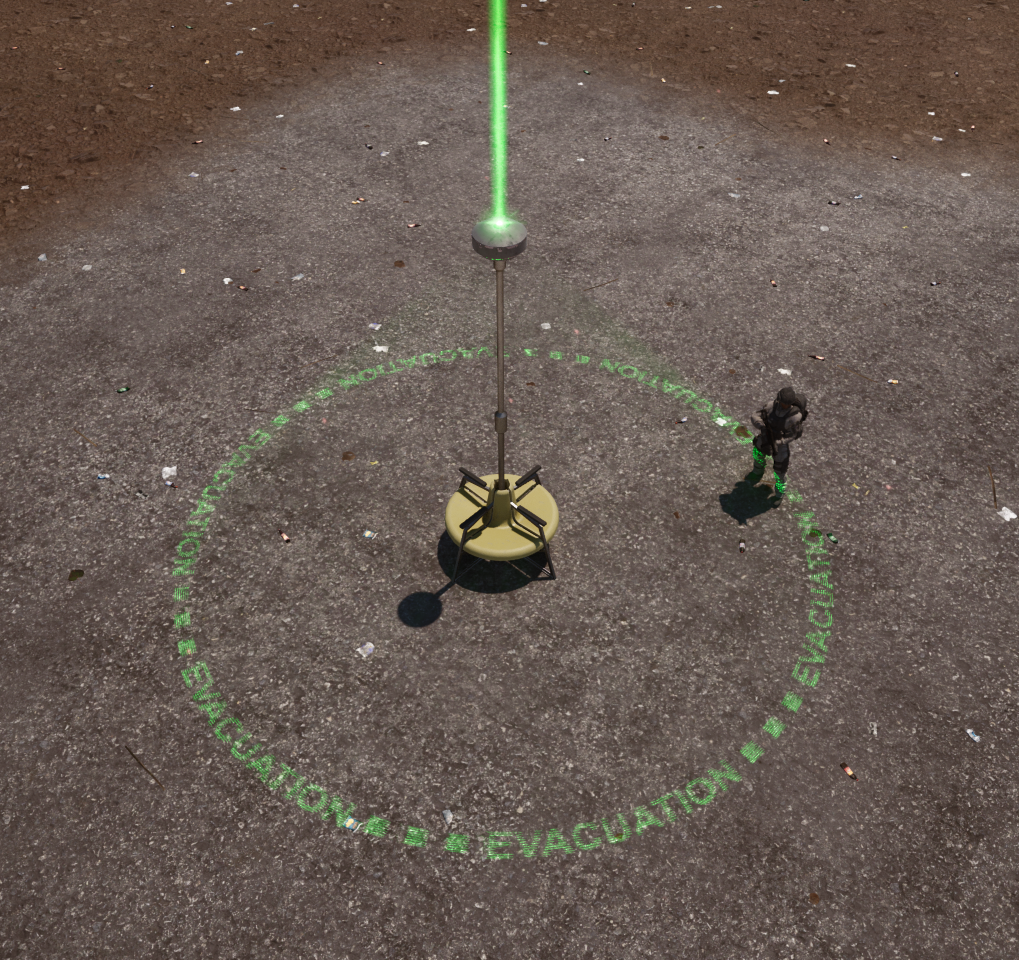
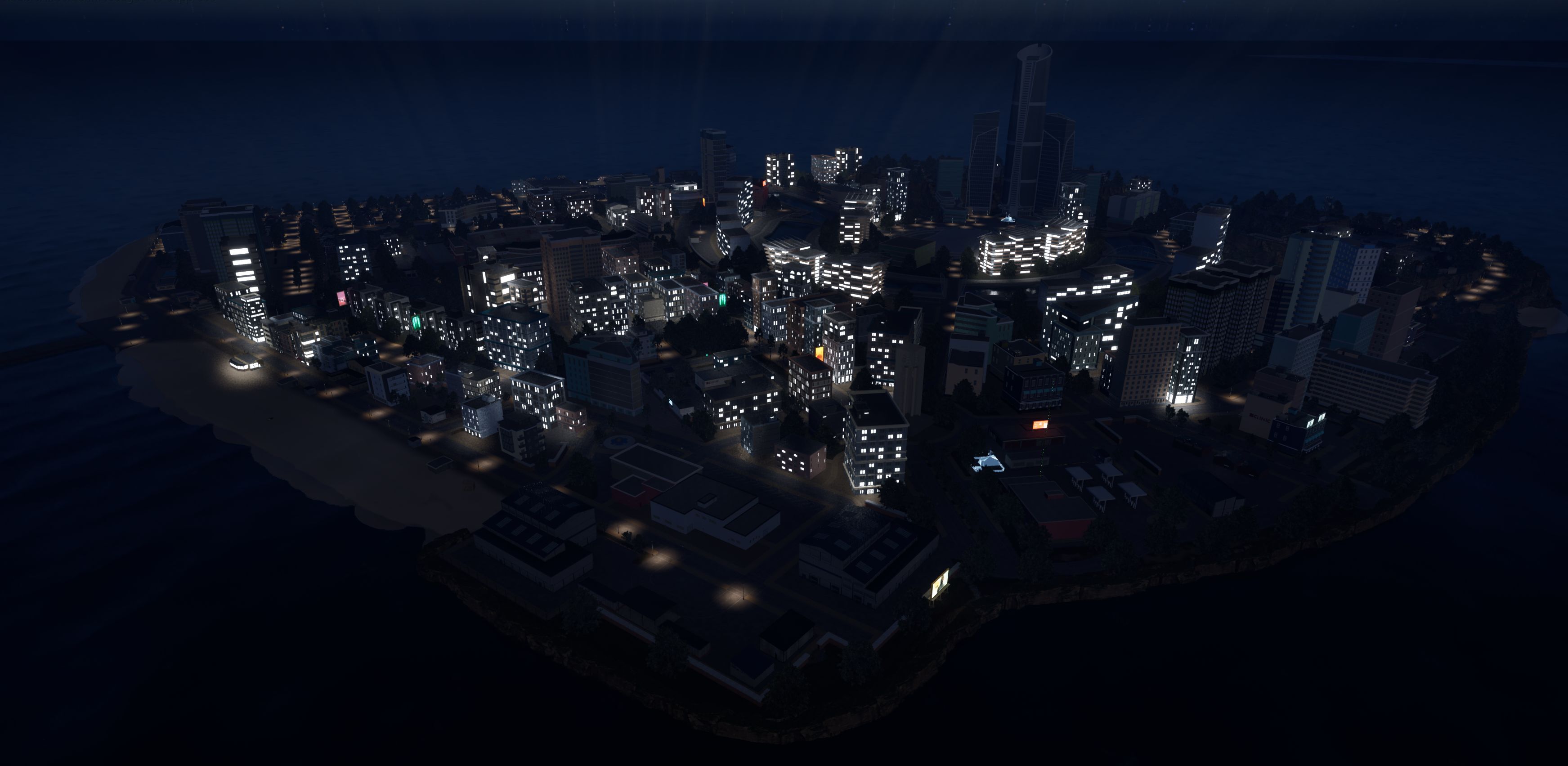
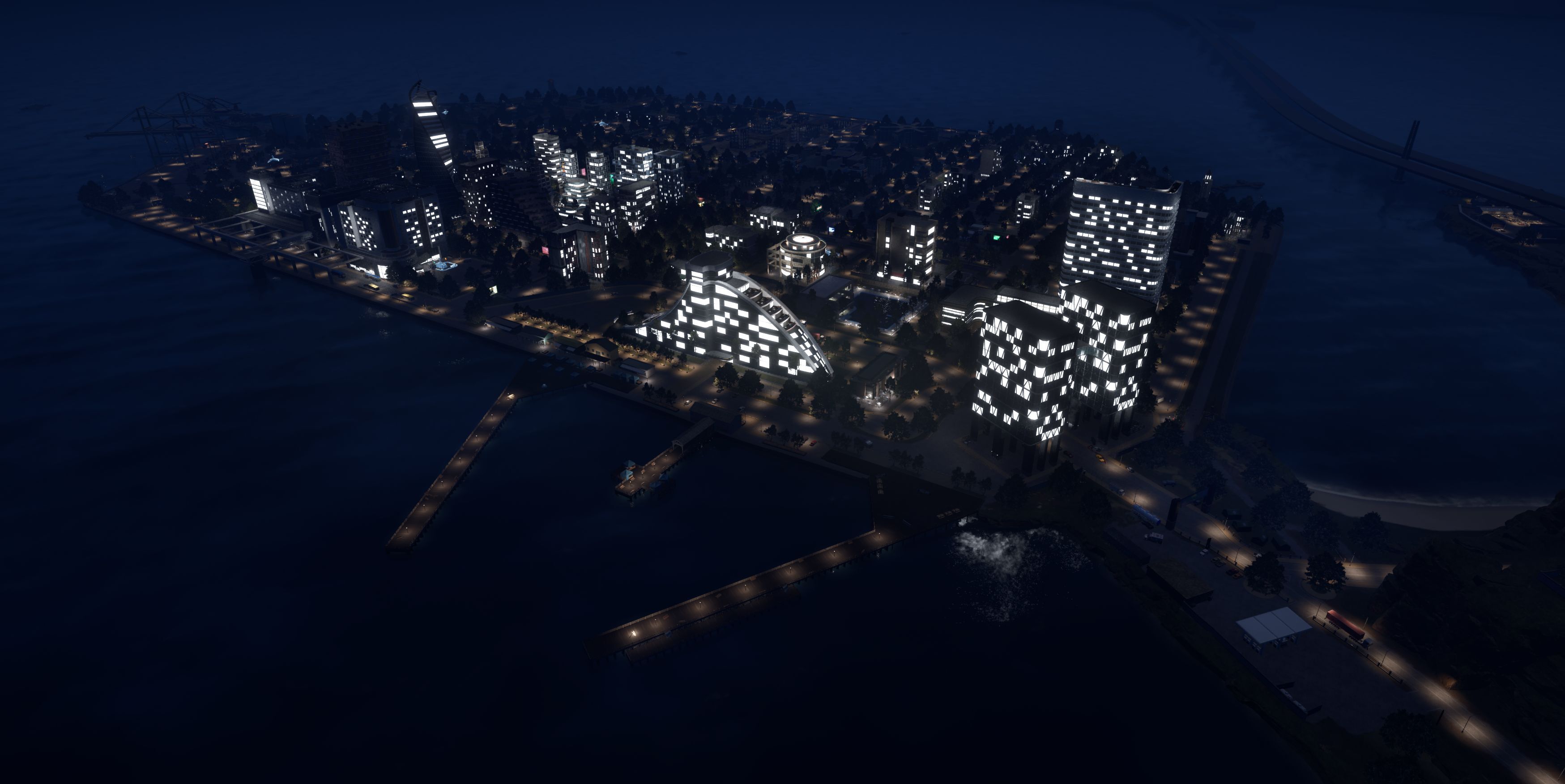
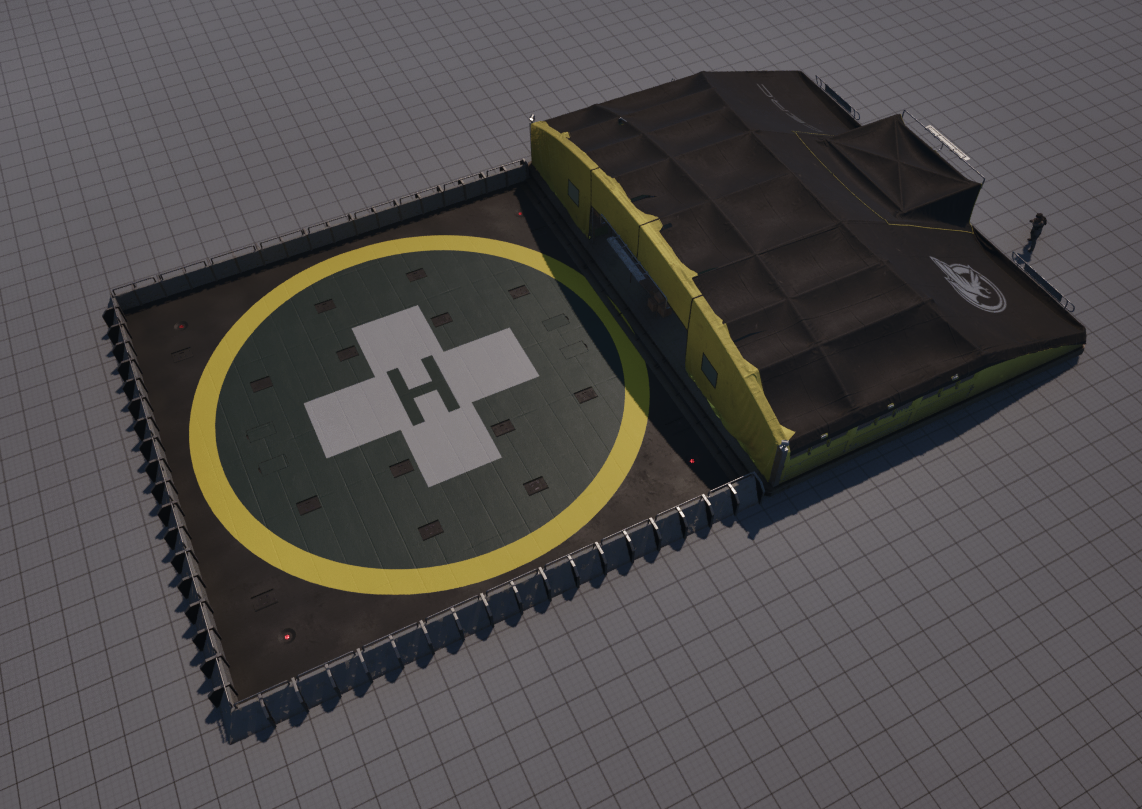
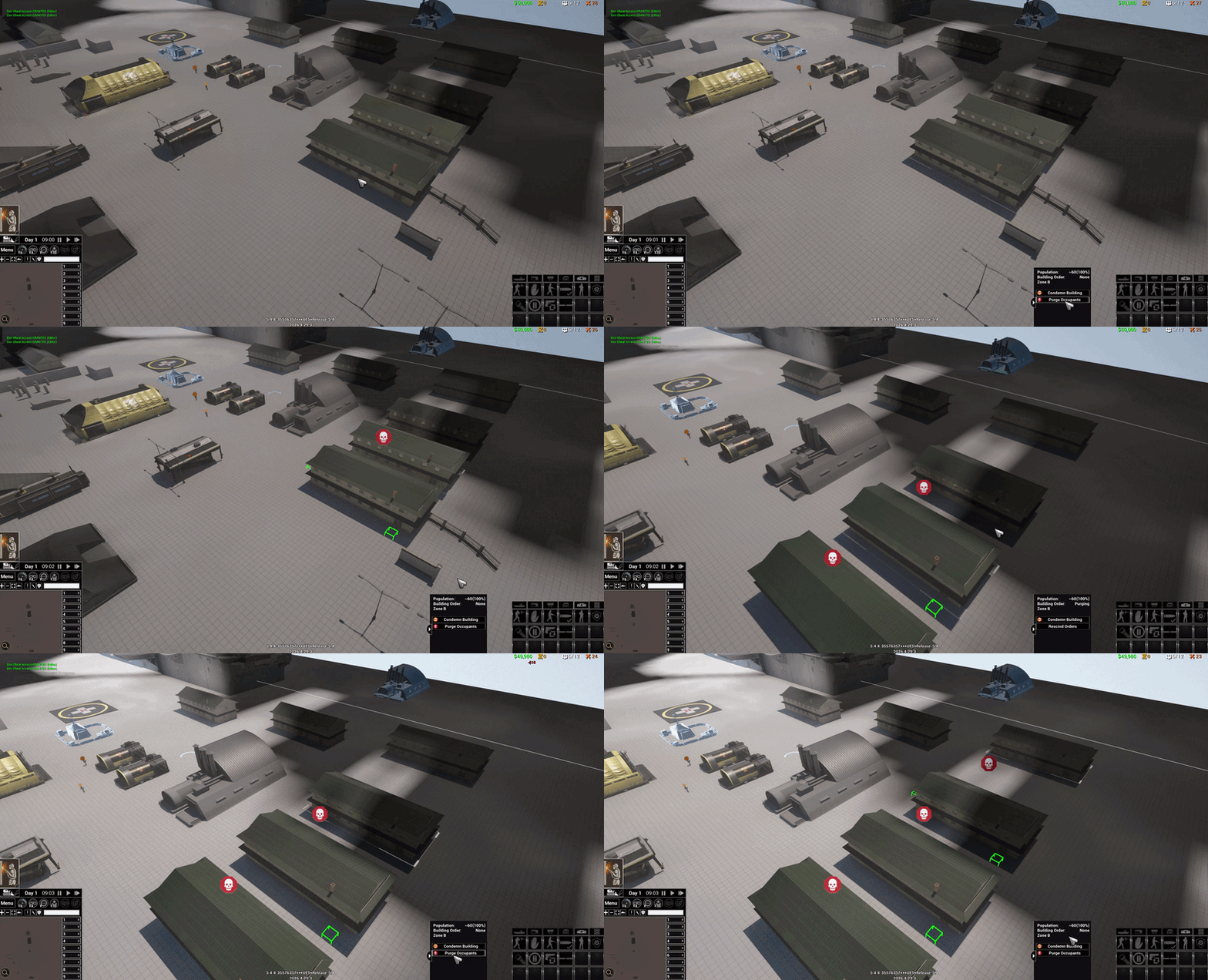
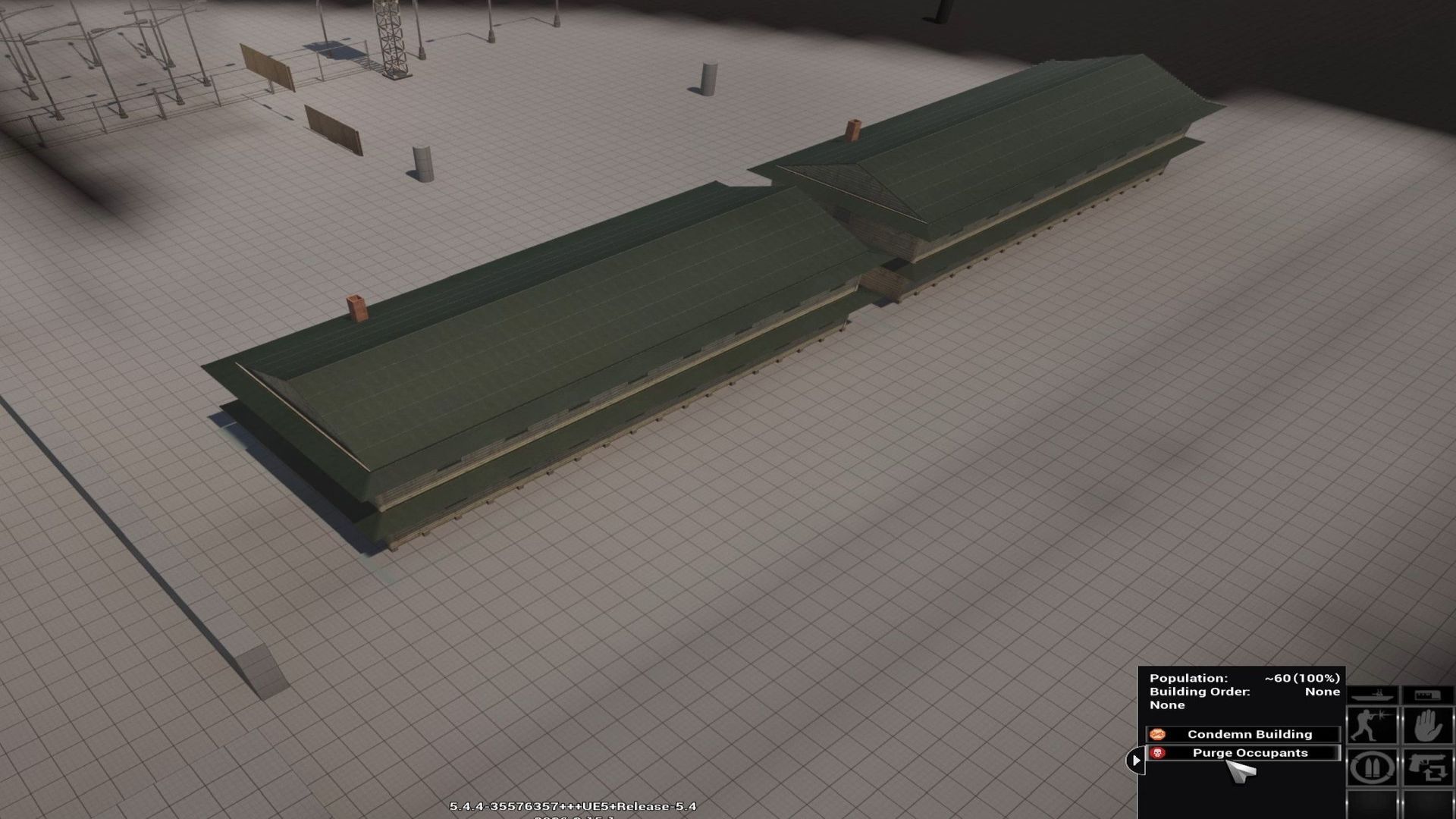
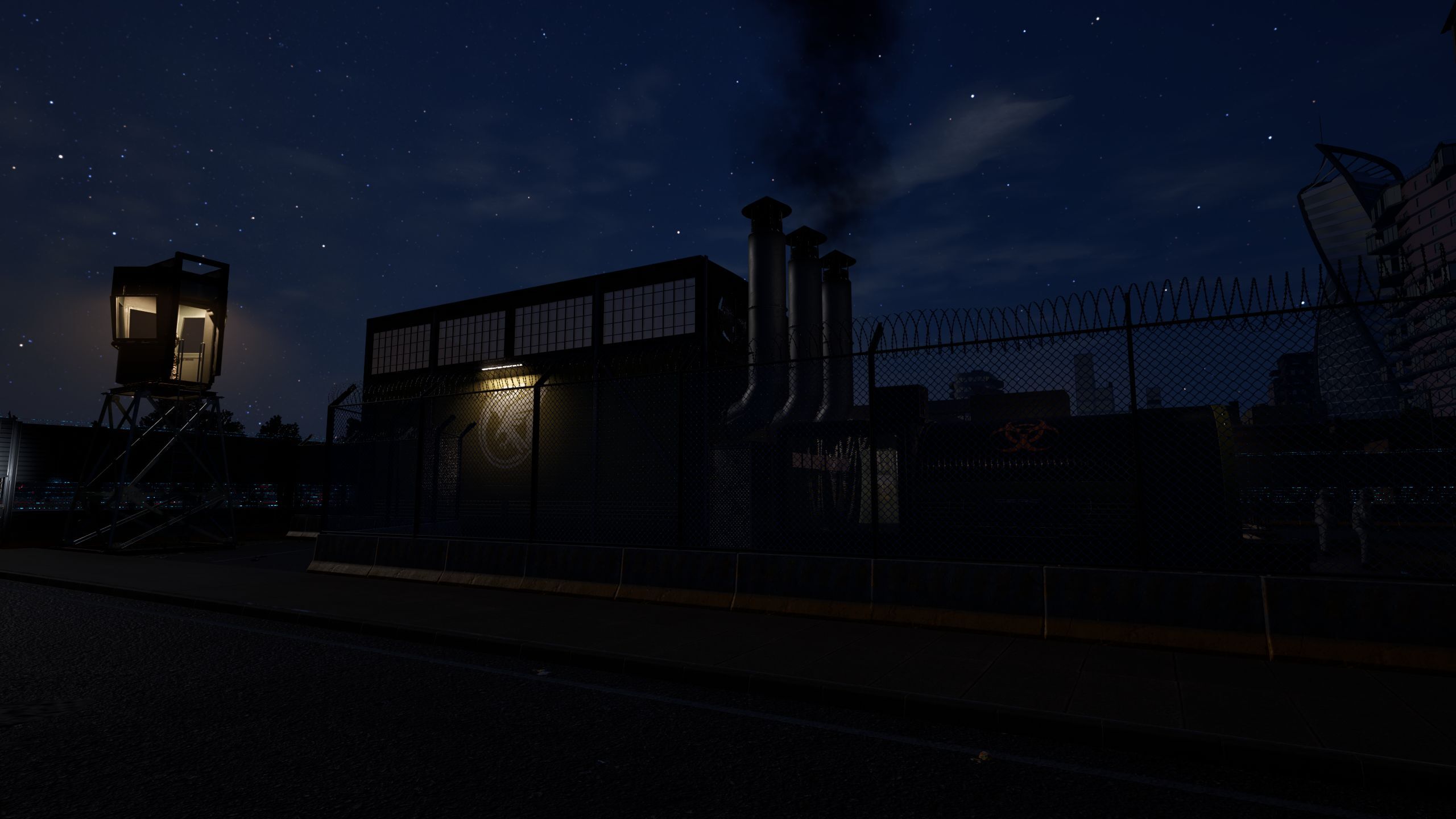 Construct an Intake euthanization facility to dispose of infected and uninfected civilians as you see fit. But every atrocity has consequences. Kill enough civilians, and the survivors will hear of your crimes, form militias, and come for revenge.
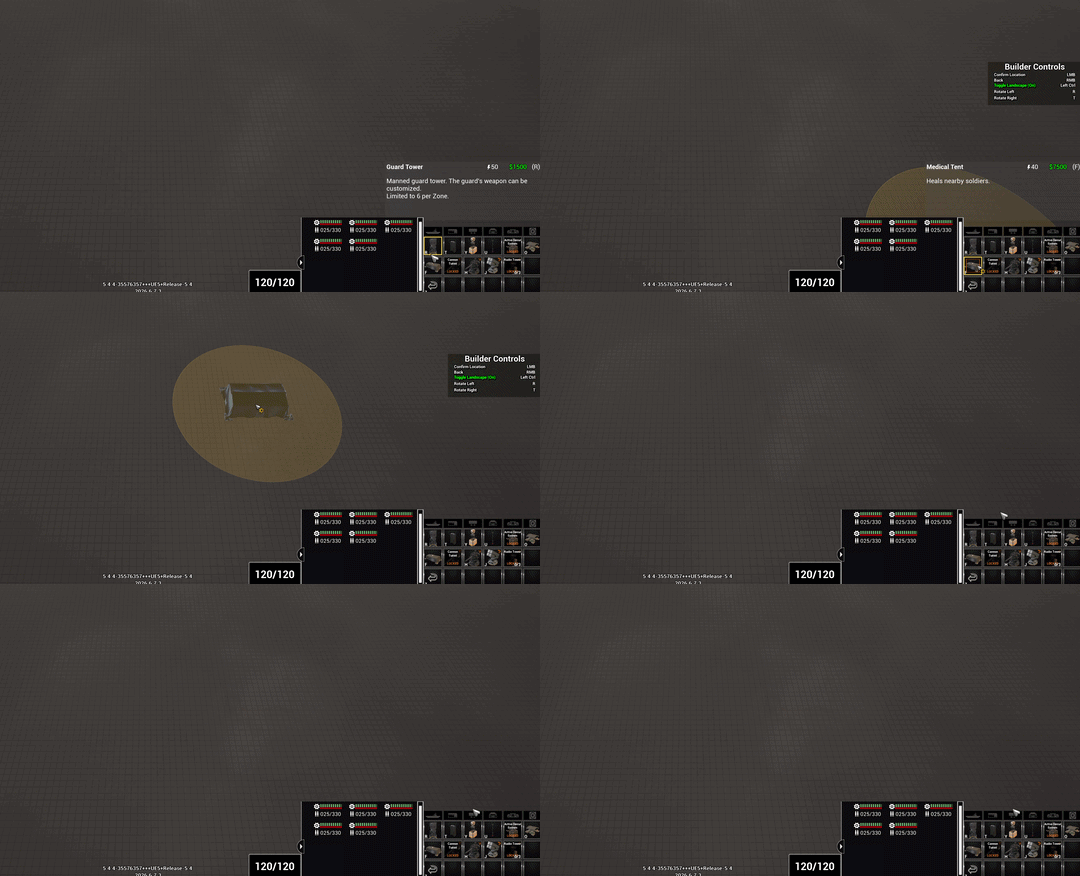
 Active Intake is limited to two facilities at a time for now. As testing expands, this limit may increase while we continue balancing loading, staffing, and facility throughput. To run Intake efficiently, you will need to hire personnel and maintain a steady flow through the system.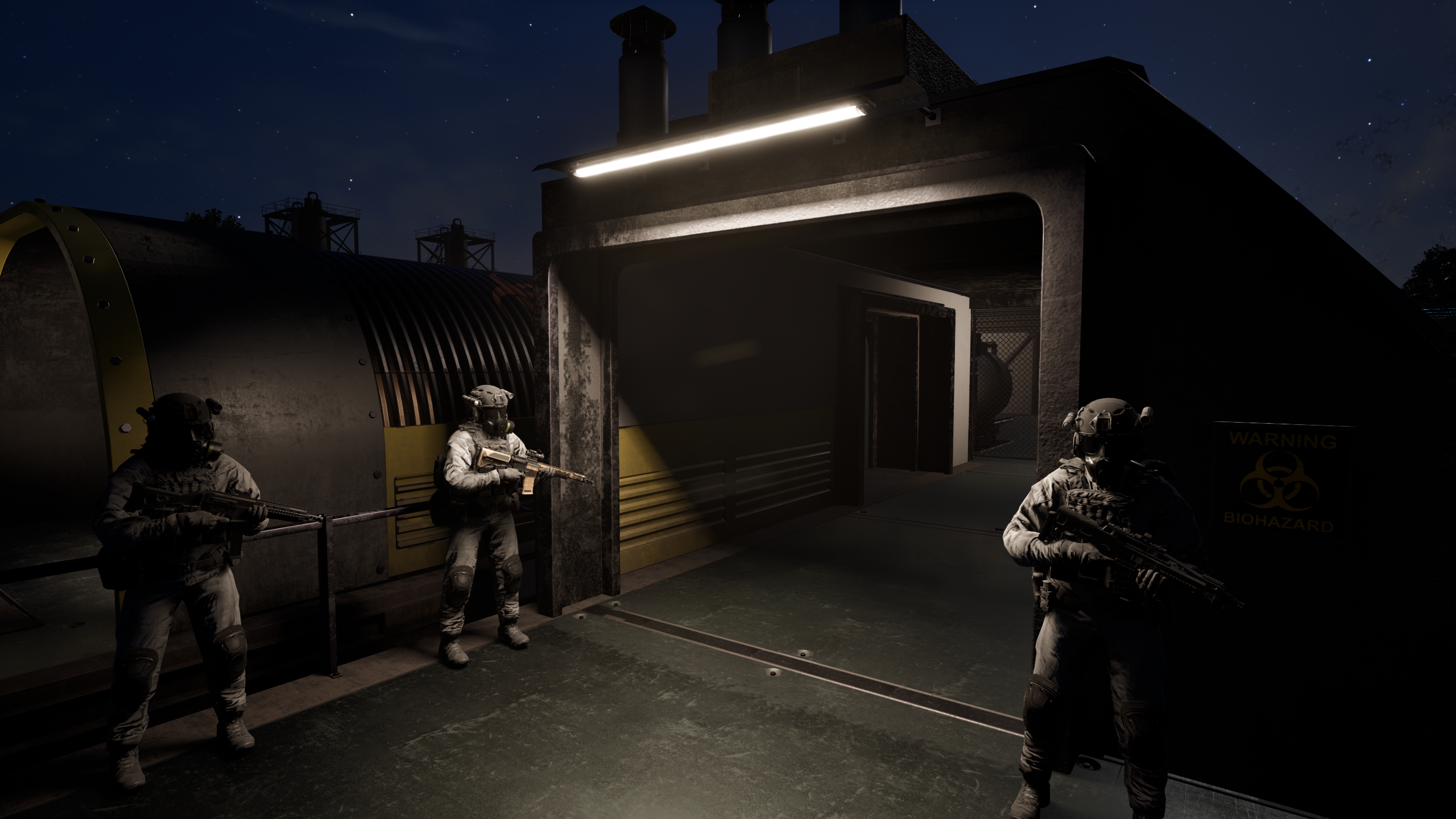
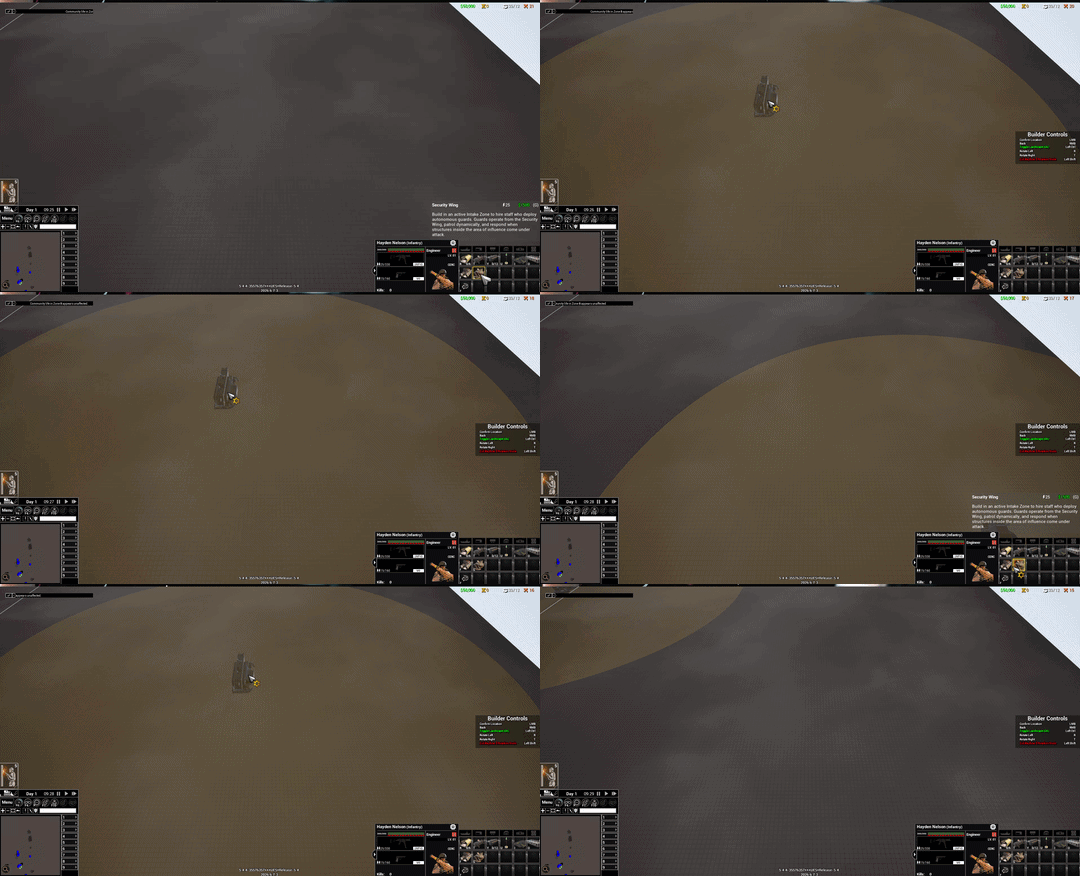
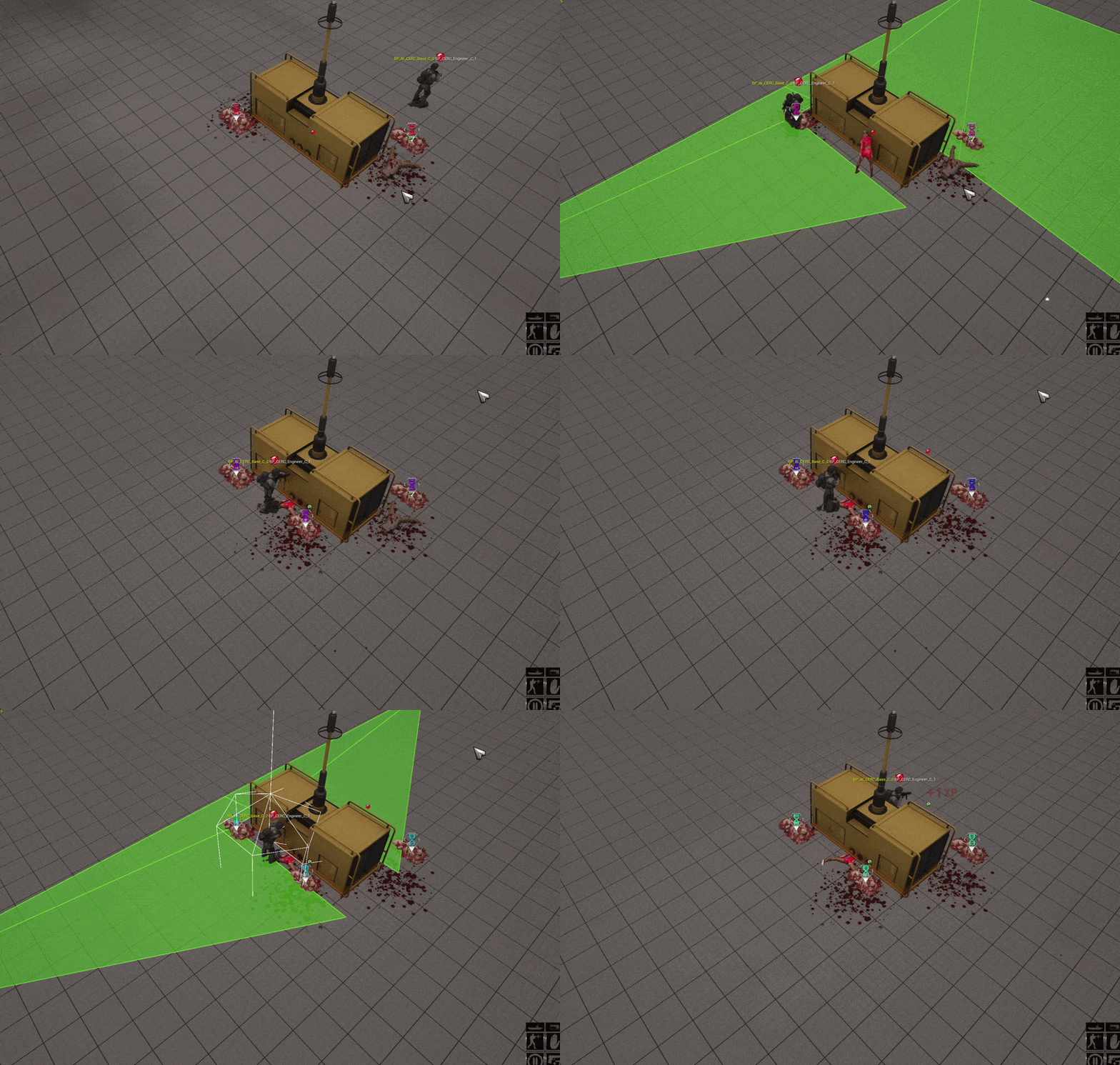
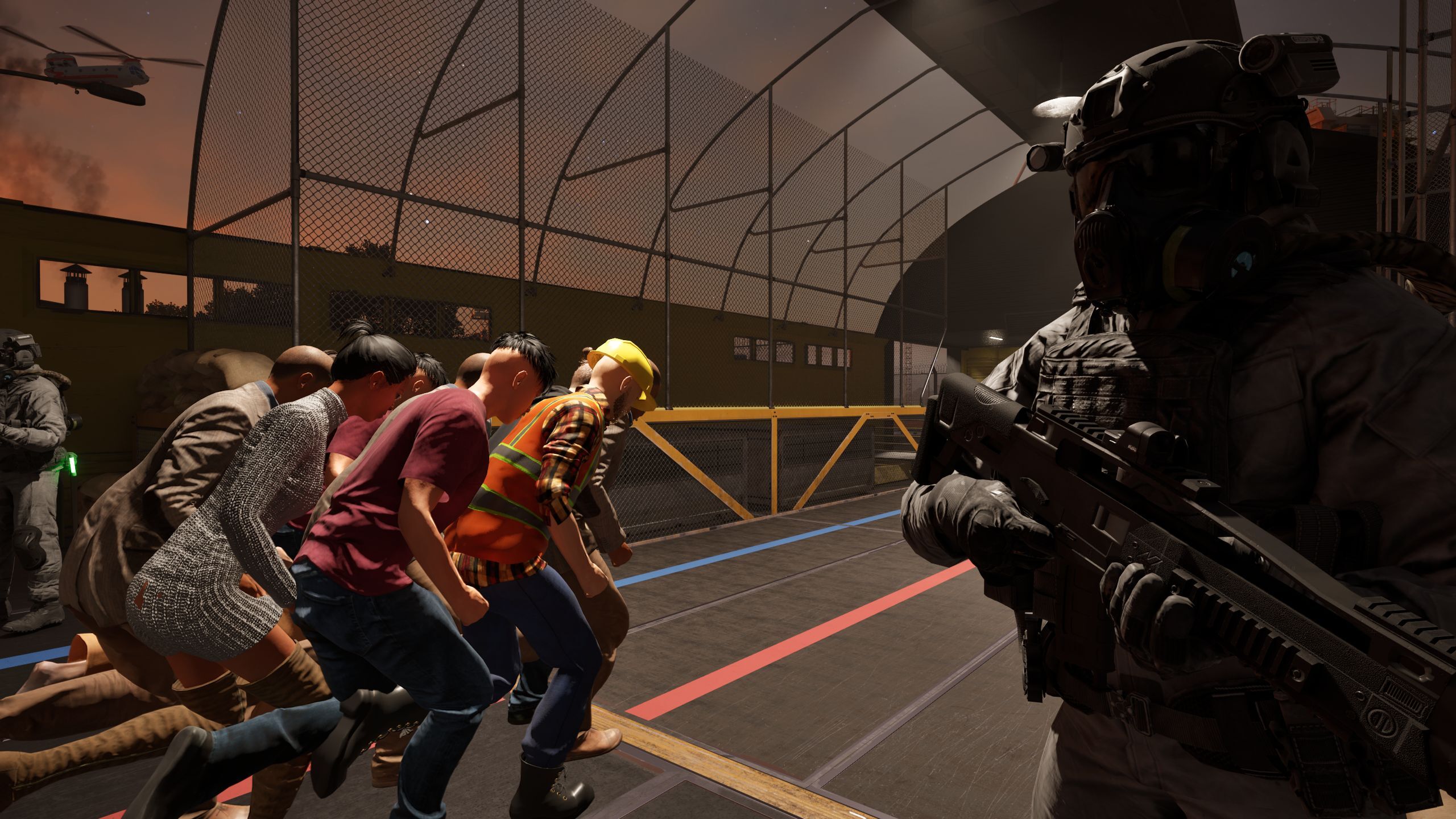 Hire security teams to passively defend structures within their area of influence. They help protect your evacuation infrastructure, allowing you to commit your population fully to the war effort. They dynamically patrol your base within that area of influence responding to threats as they arrive.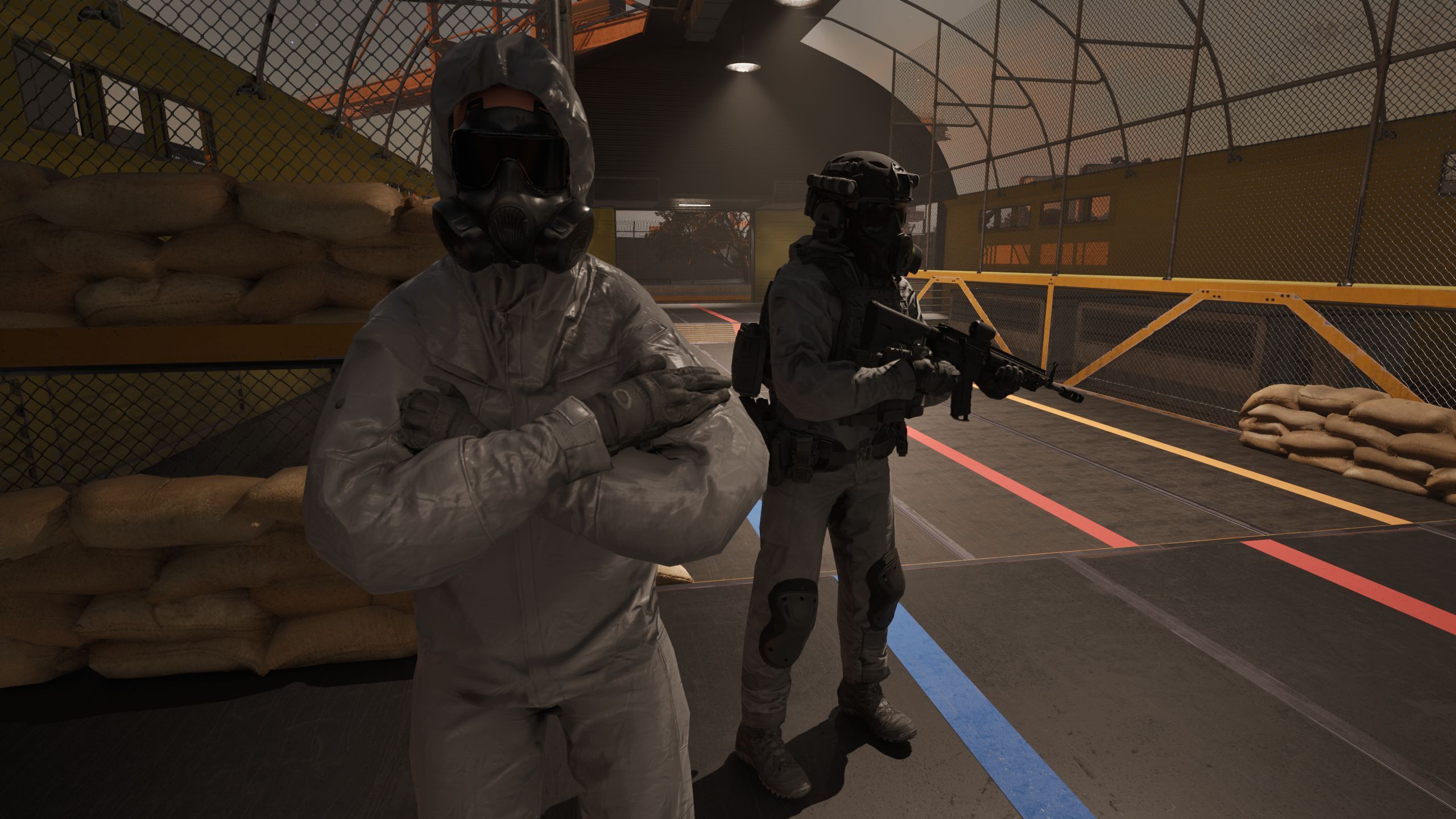
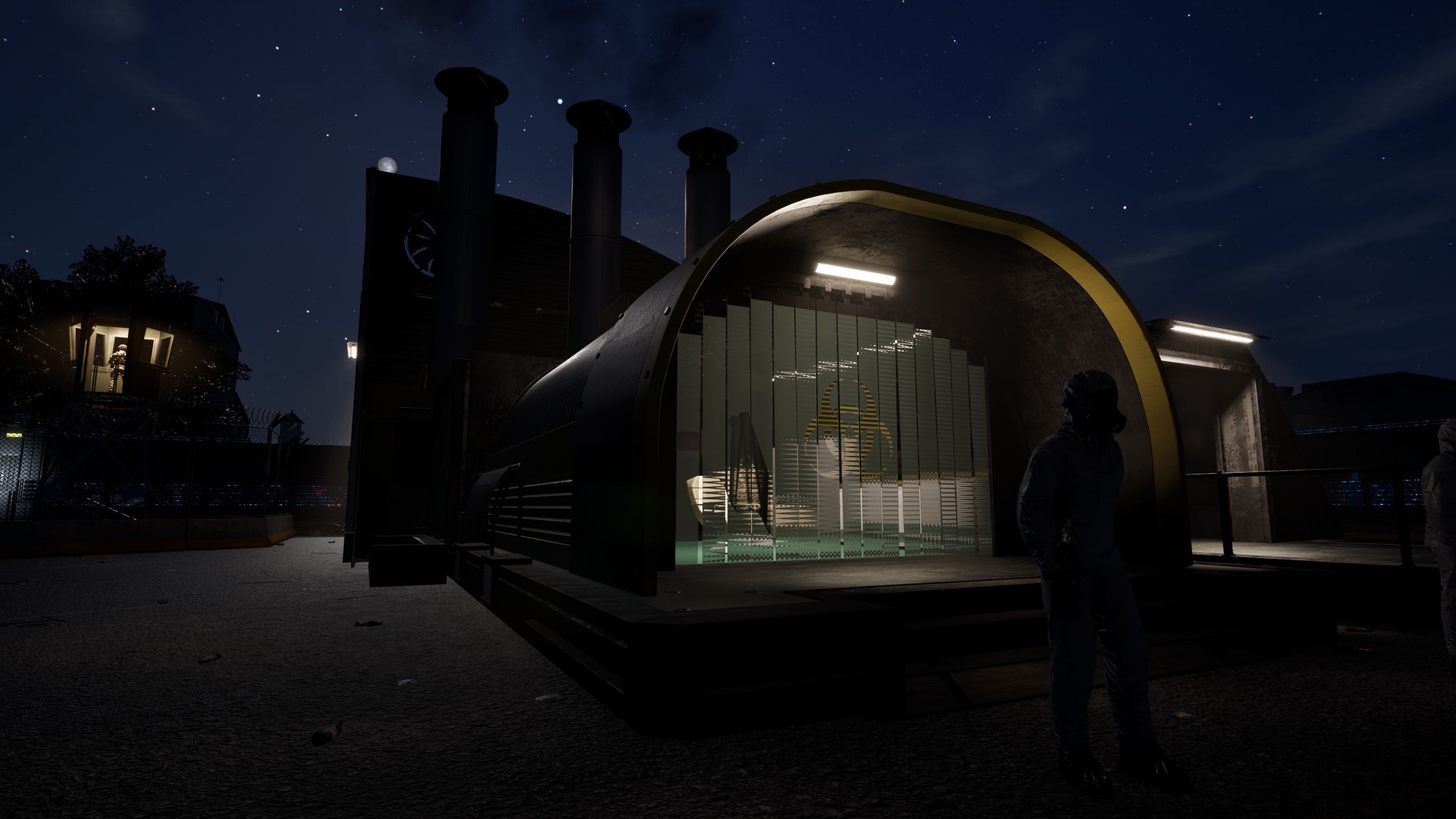 Civilian Evac adds a new strategic layer to the game, where every decision can determine the fate of the civilians. By evacuating survivors, you cut off the infected from a vital biomass source, slowing their growth and starving them of the resources they need to spread and build armies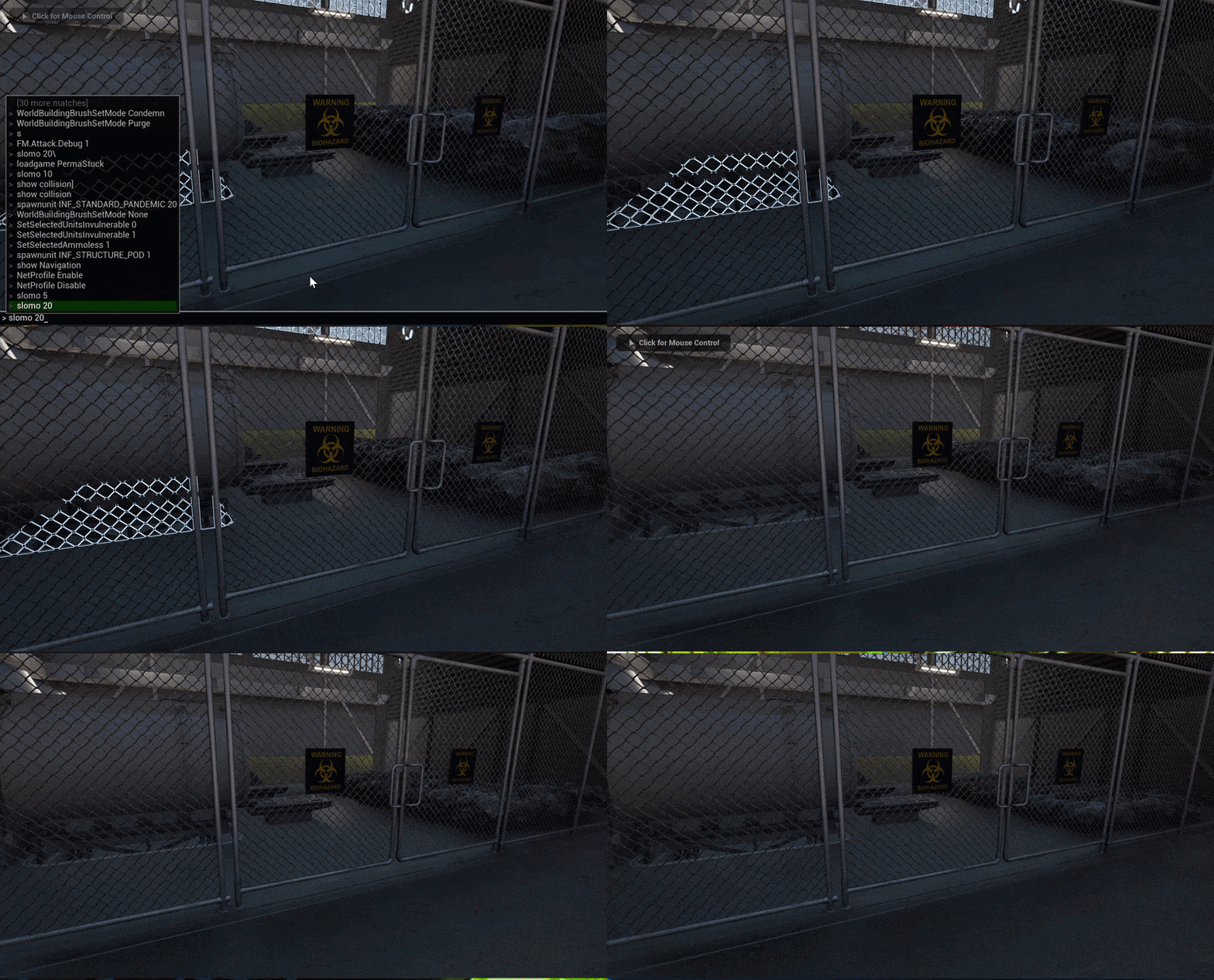
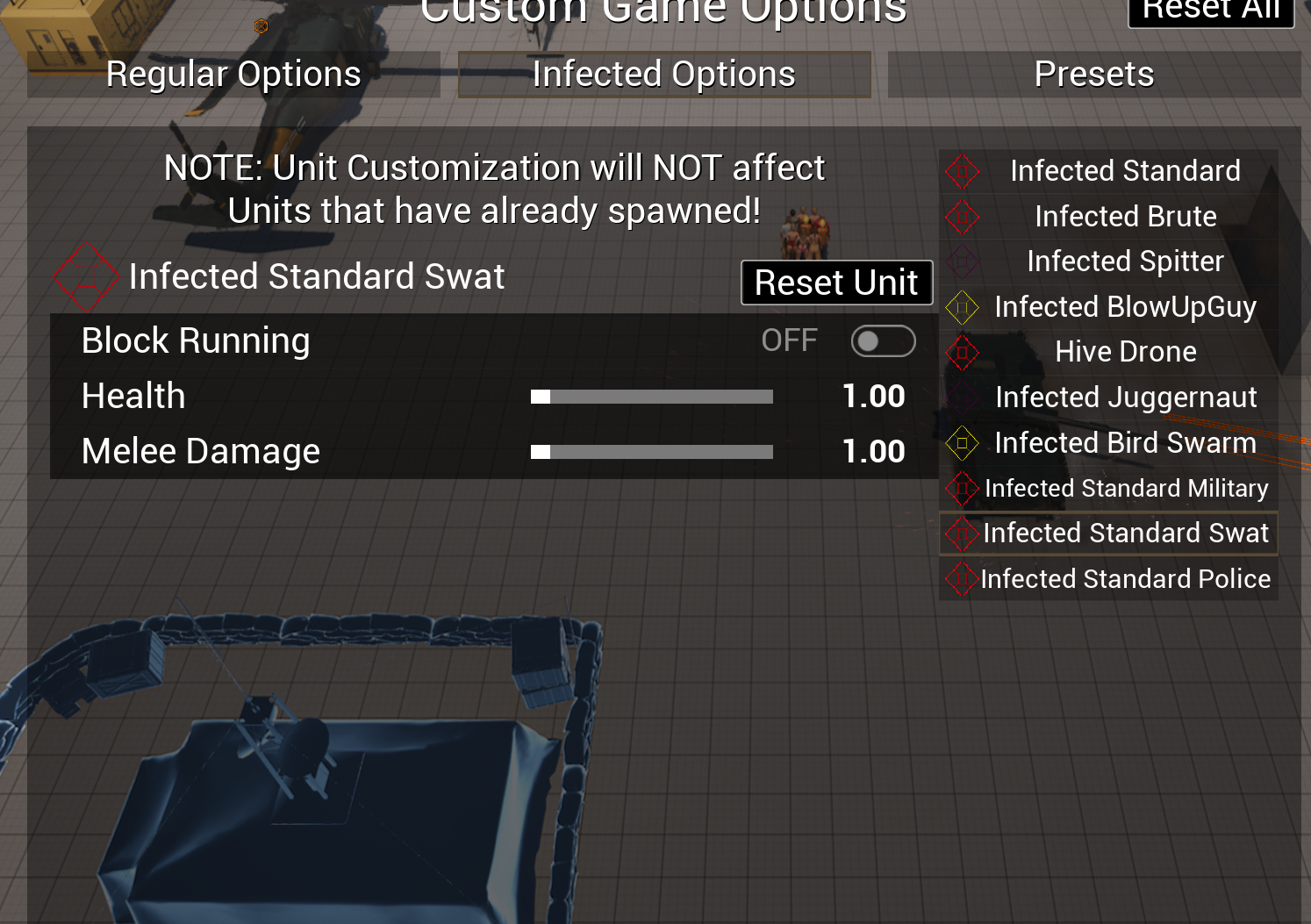
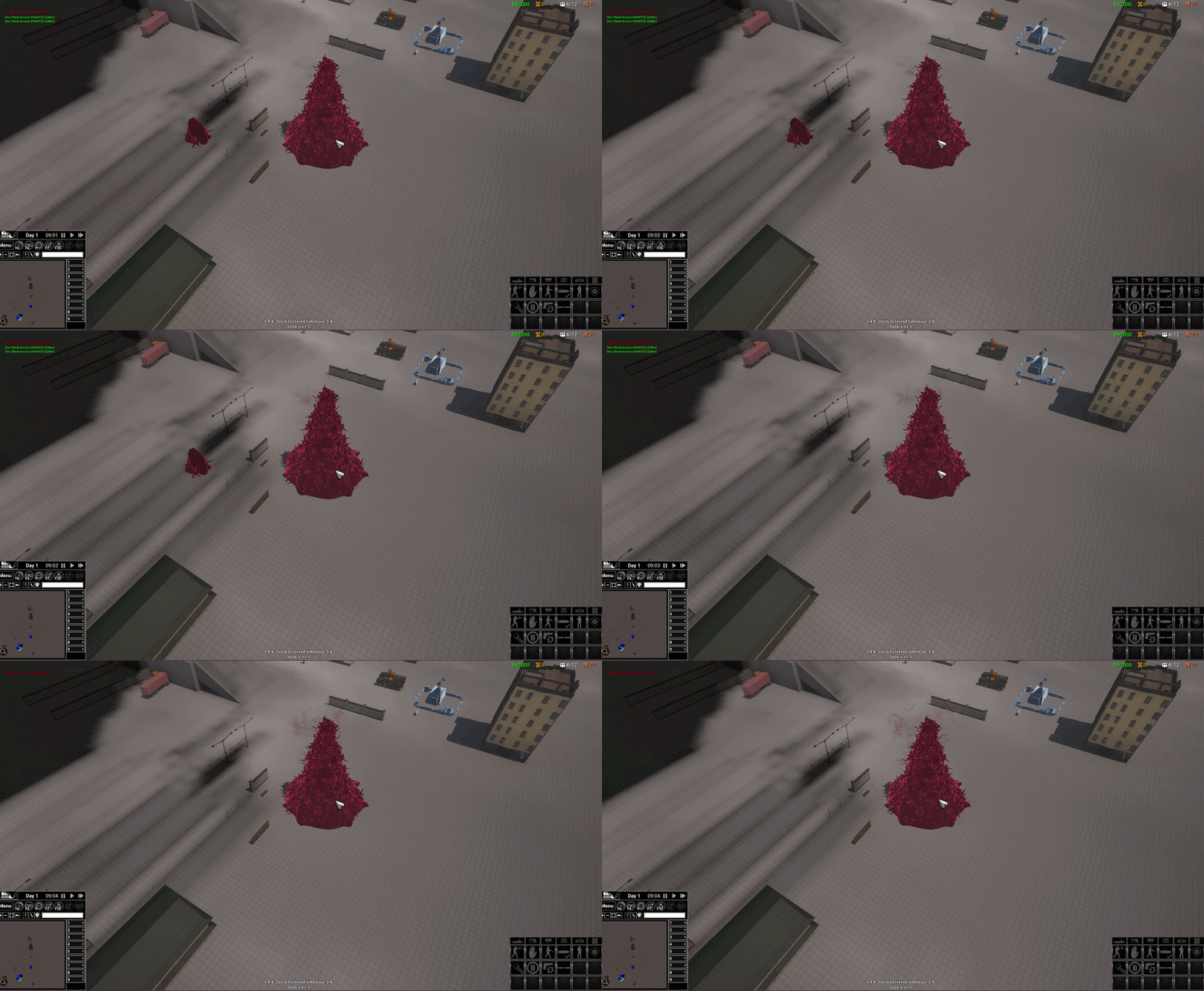
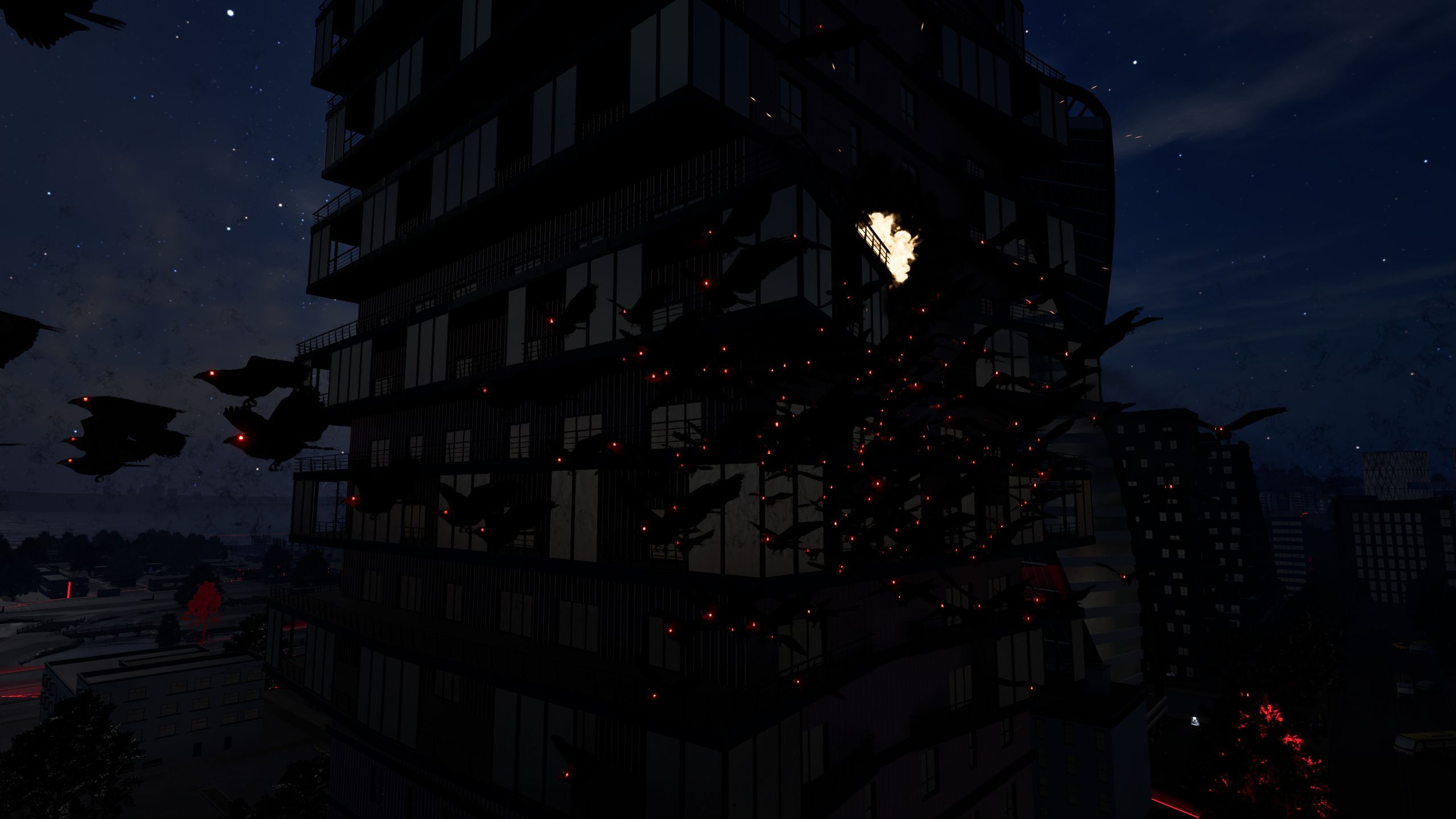 After Day 4, infected birds will begin entering the battlefield in large swarms. These packs can quickly overwhelm helicopters and infantry, forcing players to adapt their defenses.

 [/carousel]
 [/carousel][carousel autoadvance="true"]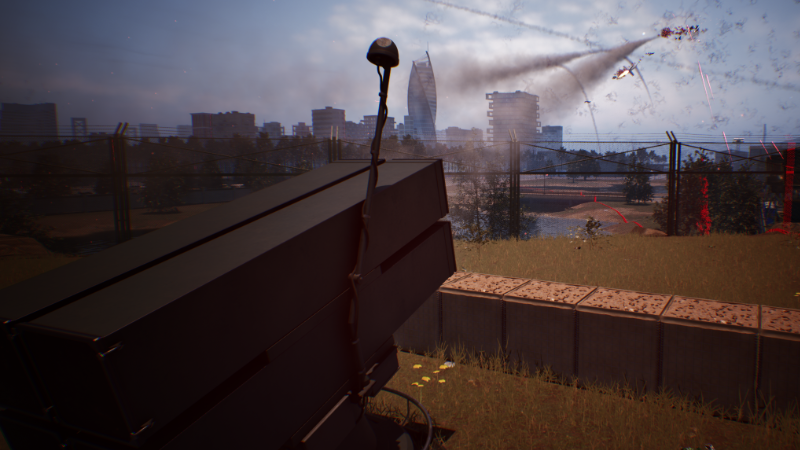
 [/carousel]